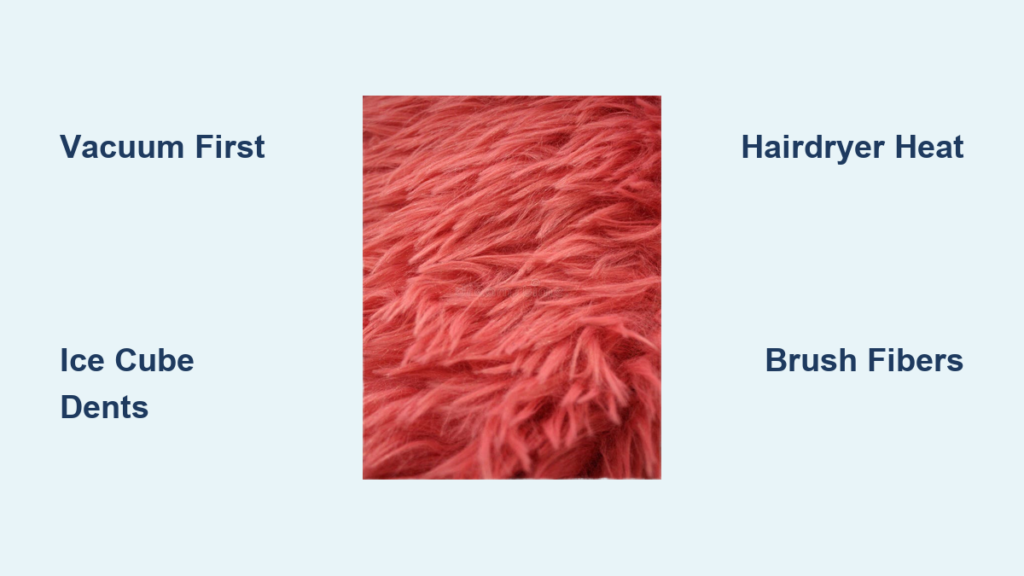
You step into your living room and notice it immediately. Your once-plush rug now lies flat and lifeless in high-traffic areas, fibers clumped and compressed underfoot. A matted rug signals wear, trapped dirt, and declining comfort. The good news is most matted rugs can be revived with the right techniques. This guide delivers a complete action plan to fix a matted rug safely and effectively, regardless of material or severity.
Common Causes of Rug Matting
Before treating matting, determine what caused the problem. The solution depends on the underlying issue.
High Foot Traffic Damage
Rugs in hallways or living rooms often flatten due to repeated compression. Low-pile or loosely twisted fibers collapse faster. These areas benefit most from mechanical lifting and preventive padding.
Furniture-Induced Dents
Heavy furniture creates deep, stubborn indentations. Narrow legs exert intense pressure, crushing fibers permanently if left unchecked. Use the ice cube method or damp cloth and iron for best results.
Dirt and Soil Buildup
Sand, dust, and grime act like sandpaper, wearing down fibers and adding weight that prevents rebound. Vacuuming alone will not fix this. Deep cleaning with baking soda or professional steam extraction is essential.
Moisture and Humidity Clumping
Natural fibers like wool or cotton swell when exposed to spills or humidity, causing fibers to stick together. Avoid over-wetting and always dry thoroughly after treatment.
Tools You Need to Fix a Matted Rug

Use the right tool for the job to avoid damage and maximize results.
Wide-Tooth Comb or Pet Slicker Brush
Ideal for shag, high-pile, or looped rugs. Gently separates tangled fibers without breakage. Start at the base and work upward in small sections.
Stiff-Bristled Brush (Non-Metal)
Best for moderate to severe matting in durable fibers like nylon or polyester. Brush in the pile direction first, then across it to encourage upright recovery.
Ice Cubes
A simple, no-risk method to lift furniture dents. Place on the matted spot, let melt, then fluff while damp.
Hairdryer (Low Heat)
Softens compressed fibers so they can be lifted manually. Hold six to eight inches away and use only in short bursts to prevent melting synthetic fibers.
Iron and Damp Cloth
Effective for flat-weave or short-pile rugs. Never place iron directly on rug. Use low heat and immediately fluff with a spoon or comb.
Baking Soda
Sprinkle generously to absorb oils, moisture, and odors that bind fibers. Let sit thirty minutes to twenty-four hours, then vacuum thoroughly.
How to Restore a Matted Rug in 8 Steps
Follow this sequence for maximum recovery, especially in stubborn cases.
Vacuum Thoroughly First
Remove all loose dirt before treatment. Use a vacuum with a power head or upholstery attachment. Pass slowly in multiple directions: front-to-back, side-to-side, diagonally. Avoid beater bars on delicate or severely matted areas. They can worsen fiber damage.
Apply Ice Cubes to Furniture Dents
Restore flattened spots under furniture legs. Place one to two ice cubes directly on the matted area. Wait twenty to sixty minutes for full melting. Blot excess moisture with a clean, absorbent towel. Use a spoon edge or fork to gently tease fibers upward. Allow to dry completely before walking on it.
Use Steam or Heat to Loosen Fibers
Open compressed fibers with controlled warmth.
Hairdryer Method (All Rug Types)
Set to low or medium heat. Blow warm air over the matted zone for thirty to sixty seconds. Immediately fluff with fingers, comb, or brush. Repeat with cooling breaks to prevent overheating.
Iron and Damp Cloth (Short-Pile Rugs)
Dampen a clean white cotton cloth and wring out well. Lay it over the matted area. Set iron to low or medium heat with no steam. Press for five to ten seconds, lift cloth, and fluff fibers. Repeat as needed.
Mechanically Lift Compressed Fibers
Physical separation is the key to restoring texture.
For Shag or High-Pile Rugs
Separate fibers by hand in small sections. Use a wide-tooth comb or pet slicker brush to detangle from base to tip. Brush in multiple directions to restore volume.
For Short-Pile or Flat-Weave Rugs
Use a stiff-bristled brush with firm, short strokes. Focus on one six-by-six inch area at a time. Combine with light steam or misting for better lift.
Deep Clean Your Rug to Stop Matting
Matting often stems from deep-seated grime. Clean thoroughly to restore resilience.
Baking Soda Treatment
Sprinkle baking soda generously over the entire rug or matted zones. Let sit thirty minutes to overnight for odor control. Vacuum with suction-only mode to avoid stirring dust back into the air. Optional: add two to three drops of tea tree or lavender oil for antimicrobial benefits.
Vinegar and Water Spray
Breaks down sticky residues that bind fibers. Mix equal parts white vinegar and water in a spray bottle. Lightly mist the matted area. Do not soak. Gently agitate with a soft brush. Blot with clean water to rinse. Dry completely.
Professional Steam Cleaning
For chronic or widespread matting, hire a pro. Hot water extraction removes deep dirt and sanitizes. Technicians use fiber-safe detergents and industrial grooming tools. Brushing during drying maximizes pile recovery.
Fix Your Matted Rug Based on Fiber Type

Tailor your approach to the rug’s material.
Nylon Rugs
High resilience. Recover well from compression. Use brushing, steam, and professional cleaning. Avoid high heat. Can scorch or melt at extreme temperatures.
Wool Rugs
Naturally elastic but prone to shrinkage if over-wet. Use ice cube or damp cloth and iron method. Clean only with wool-safe products and avoid vinegar.
Polyester Rugs
Colorfast but less resilient than nylon. Respond to light heat and brushing. Avoid aggressive combing. Fibers can break.
Polypropylene (Olefin) Rugs
Common in outdoor or budget rugs. Low melting point. Avoid all heat sources. Use dry methods only: vacuuming, light brushing, ice cubes.
Cotton Rugs
Absorbent and soft but may stretch or discolor. Use ice cube or light misting. Dry quickly to prevent warping.
Jute and Sisal Rugs
Natural fibers that degrade when wet. Use dry vacuuming and light brushing only. Never apply moisture, steam, or liquids.
Stop Matting Before It Starts: Prevention Tips
Restoration works best when paired with long-term prevention.
Rotate Every 3-6 Months
Even out wear by rotating the rug one hundred eighty degrees. Prevents one-sided flattening. Extends lifespan by distributing traffic evenly.
Use High-Quality Padding
A good pad is your first line of defense. Thickness should be one-half to three-fourths inch for maximum cushioning. Density should be eight to ten pound foam or rubber. Coverage should be full-size to support edges.
Install Furniture Pads
Prevent dents before they form. Use felt pads, wide-leg coasters, or plastic furniture protectors. Distribute weight and avoid narrow or sharp legs. Lift, do not drag, furniture when moving.
Control Traffic and Dirt
Reduce wear at the source. Place door mats to trap outdoor debris. Use area runners in hallways. Limit high-heel or barefoot traffic on delicate rugs.
Maintain Ideal Humidity
Keep indoor levels between thirty and fifty percent. Use a dehumidifier in basements or humid climates. Prevents moisture-related clumping in natural fibers.
When to Hire a Pro for Your Matted Rug
DIY fixes work for mild to moderate cases, but pros are needed when antique, Persian, or silk rugs are affected. Also call a pro when matting persists after multiple attempts. Look for mold, mildew, or backing damage. Watch for color bleeding, fraying, or odor.
What Professionals Offer
Professional services include pH-balanced, fiber-specific cleaning. They use controlled drying rooms to prevent shrinkage. Industrial fiber-lifting tools maximize recovery. Padding replacement and re-stretching restore structural integrity.
Know When to Replace Instead of Repair
Some rugs cannot be saved.
Replace If
Replace if the rug is over ten to fifteen years old with visible wear. Replace if fibers are brittle, shedding, or permanently crushed. Replace if backing is cracked, peeling, or separating. Replace if there is a tripping hazard or persistent odor.
Choose a Durable Replacement
Select high-twist nylon, wool, or solution-dyed polyester for fiber. Choose shorter, tighter weaves for high-traffic areas. Invest in high-density, full-coverage underlay for padding.
Quick-Reference Action Plan to Fix a Matted Rug
Follow this checklist in order. Assess the rug by identifying cause, fiber type, and severity. Vacuum to remove all surface and embedded dirt. Treat dents using ice cubes under furniture. Loosen fibers with hairdryer or iron and damp cloth. Lift pile using spoon, comb, or brush while warm or damp. Deep clean with baking soda or schedule professional cleaning. Dry fully for six to twelve hours with airflow. No walking until completely dry. Prevent by rotating, padding, vacuuming weekly, and protecting from furniture.
Frequently Asked Questions About Fixing a Matted Rug
Can all matted rugs be saved?
Most matted rugs can be restored using the methods in this guide. Success depends on fiber type, severity, and how quickly you act. Antique or severely damaged rugs may need professional treatment or replacement.
How long does it take to fix a matted rug?
Minor matting responds in one to two treatments. Moderate to severe cases may need multiple sessions over several days. Always allow six to twelve hours drying time between treatments.
Does the ice cube method work on all rugs?
The ice cube method works well on nylon, polyester, and wool rugs. Avoid on jute, sisal, or other moisture-sensitive natural fibers. These can swell, discolor, or degrade when wet.
Should I vacuum before or after treating matting?
Vacuum before treatment to remove loose dirt that could interfere. Vacuum again after treatment to pick up any dislodged debris. Both steps are essential for best results.
How often should I deep clean my rug to prevent matting?
Professional steam cleaning is recommended every twelve to eighteen months for high-traffic rugs. Between professional cleanings, use baking soda treatment monthly and vacuum weekly.
Is professional cleaning worth it for a matted rug?
Yes, for valuable or delicate rugs, professional cleaning is worth the investment. Pros have specialized equipment, fiber-specific knowledge, and controlled drying environments that maximize recovery.
Key Takeaways for Fixing Your Matted Rug
A matted rug does not mean the end of its life. With early intervention and the right technique, most rugs regain their bounce and beauty. Focus on fiber-safe methods, complete drying, and consistent maintenance to keep your rug looking fresh for years.
Start by diagnosing the cause of matting, whether it is foot traffic, furniture pressure, or dirt buildup. Use the appropriate tools and methods for your rug’s fiber type. Always test any treatment on a hidden corner first. Combine mechanical lifting with moisture or heat for stubborn areas.
For valuable or delicate pieces, professional care is worth the investment. Fix it right, and your rug will feel and look like new again.