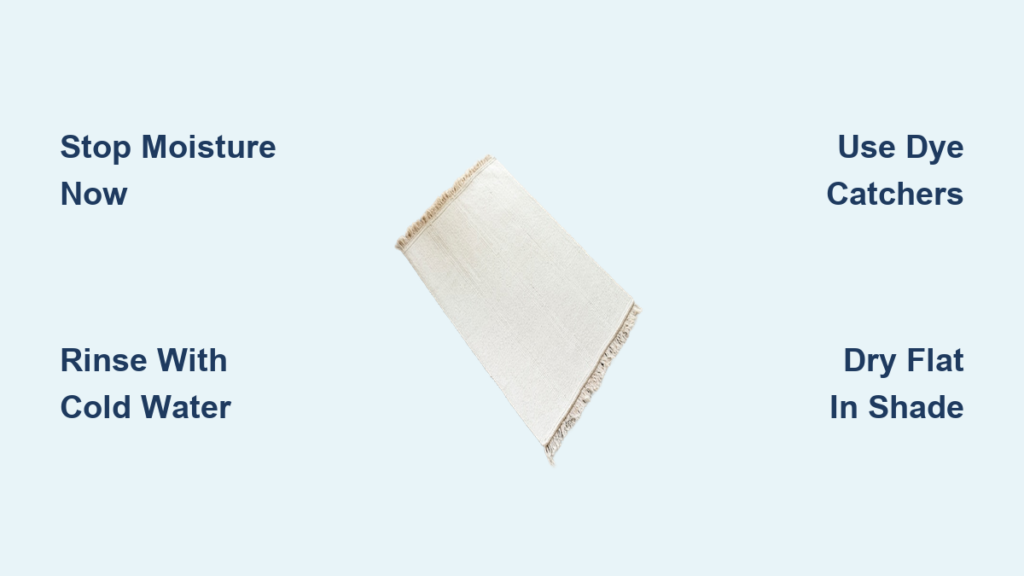
Color bleed on a rug can turn a beautiful floor covering into a disappointing mess, especially when vibrant reds seep into ivory patterns or dark blues stain light borders. This common issue occurs when dyes in the fibers loosen and migrate during cleaning or exposure to moisture. The problem is especially prevalent in handmade, vintage, or high-contrast rugs where dye fixation may be weak or inconsistent. Knowing how to fix color bleed on rug is essential to preserving your rug’s beauty and value.
The good news is that many cases of color bleed can be stopped, reversed, or minimized with the right approach. Immediate action, proper pH control, and specialized products like dye catchers and reducing agents can make a dramatic difference. This guide walks you through every step, from emergency response to long-term prevention, so you can restore your rug with confidence.
Stop Color Bleed With Immediate Action
When you notice color bleeding during or after cleaning, fast action can save your rug from permanent damage. The first minutes matter most.
Stop Moisture Exposure Now
If your rug is in a washing machine, bathtub, or exposed to a spill, stop the process immediately. Prolonged moisture opens fiber pores, allowing more dye to escape. Remove the rug and lay it flat. Do not wring or twist, as this spreads dye and damages fibers.
Rinse With Cold Water
Use cold water only to rinse the rug thoroughly. Cold temperatures help fibers contract, locking in remaining dye. Rinse in a tub, shower, or outdoors with a hose until the runoff water runs completely clear. This may take several minutes, especially if excess dye is present.
Pro Tip: For large rugs, rinse in sections. Start from the most affected area and work outward to prevent spreading.
Blot, Do Not Rub
Use clean white towels to blot excess water. Avoid rubbing or scrubbing, which forces dye deeper into fibers or across patterns. Replace towels frequently as they absorb transferred color.
Wash With Dye-Catching Agents

After initial rinsing, a second wash with dye-trapping products can remove residual loose dye and prevent re-deposition. This step is crucial for stopping the bleeding cycle.
Use Color Catcher Sheets or Powder
Add color catcher sheets or dye grabber powder to a cold-water wash. These products work by attracting and binding free dye molecules in the water, stopping them from resettling on the rug.
Use these items for the wash:
- A mild, pH-neutral detergent
- Cold water only
- Color catcher sheet or powder
Note: Dye catchers do not fix existing stains. They prevent further bleeding during cleaning.
Re-Wash Until Water Runs Clear
Repeat the rinse-and-wash cycle until no color appears on the towels or in the rinse water. This ensures most unbound dye is removed before moving to the next step.
Spot Treat Specific Bleeding Areas
For localized bleed, targeted treatment can restore clarity to affected areas. This works best on small spots rather than widespread bleeding.
Test First on Hidden Area
Always test any solution on a hidden corner or fringe first. Apply, wait 10 minutes, then blot with a white cloth to check for additional bleeding. This prevents making the problem worse.
Apply Vinegar-Water Solution
Mix one part white vinegar to three parts cold water. Dab gently onto the affected area with a soft cloth or cotton swab. Vinegar lowers pH, helping stabilize acid dyes used in wool and silk.
Follow these steps:
- Let the solution sit for 5 to 10 minutes
- Blot dry with a clean white cloth
- Repeat if needed
Caution: Do not use vinegar on viscose or rayon. These fibers degrade with acid exposure.
Use Reducing Agents for Stubborn Bleed
For set-in color migration, use professional-grade reducers. Sodium Hydrosulfite is effective on indigo and natural dyes. ReduceAll is alkaline-stable and removes bleed without yellowing wool.
Apply with a Q-tip, let dwell 5 to 10 minutes with no scrubbing, then blot and rinse. Repeat over days if necessary.
Prevent Re-Deposition With DTIs
Dye Transfer Inhibitors, also known as DTIs, are essential for stopping loose dyes from re-staining clean areas during cleaning. They are preventive, not curative.
Apply Secret Sauce or Dye-Loc
Secret Sauce is a nonionic polymer that suspends dye in water. Add it to rinse or wash water at pH-neutral levels. Dye-Loc blocks dye sites on fibers, preventing re-absorption. Both are WoolSafe-approved and ideal for wool, silk, and cotton rugs.
Expert Insight: DTIs do not lock dyes in place. They prevent loose dye from redepositing, which is why they work best during the cleaning process rather than after bleeding has stopped.
Dry Flat and Avoid Sunlight
Improper drying can make bleeding worse by allowing dyes to migrate as moisture evaporates. The drying process matters as much as the cleaning.
Air Dry in Shade
Lay the rug flat on a clean, hard surface. Never hang wool or silk rugs, as they can stretch. Choose a well-ventilated, shaded area to dry. UV light degrades dyes and weakens fibers.
Flip for Even Drying
Turn the rug every few hours to ensure both sides dry evenly. This prevents mold and minimizes dye re-deposition.
Keep Off Light Surfaces
Place a plastic sheet or old towel underneath the rug. Residual dye can transfer to floors or sub-rugs during drying.
Time Estimate: Most rugs dry in 12 to 24 hours. Thick or wool rugs may take up to 48 hours.
Fiber-Specific Repair Strategies
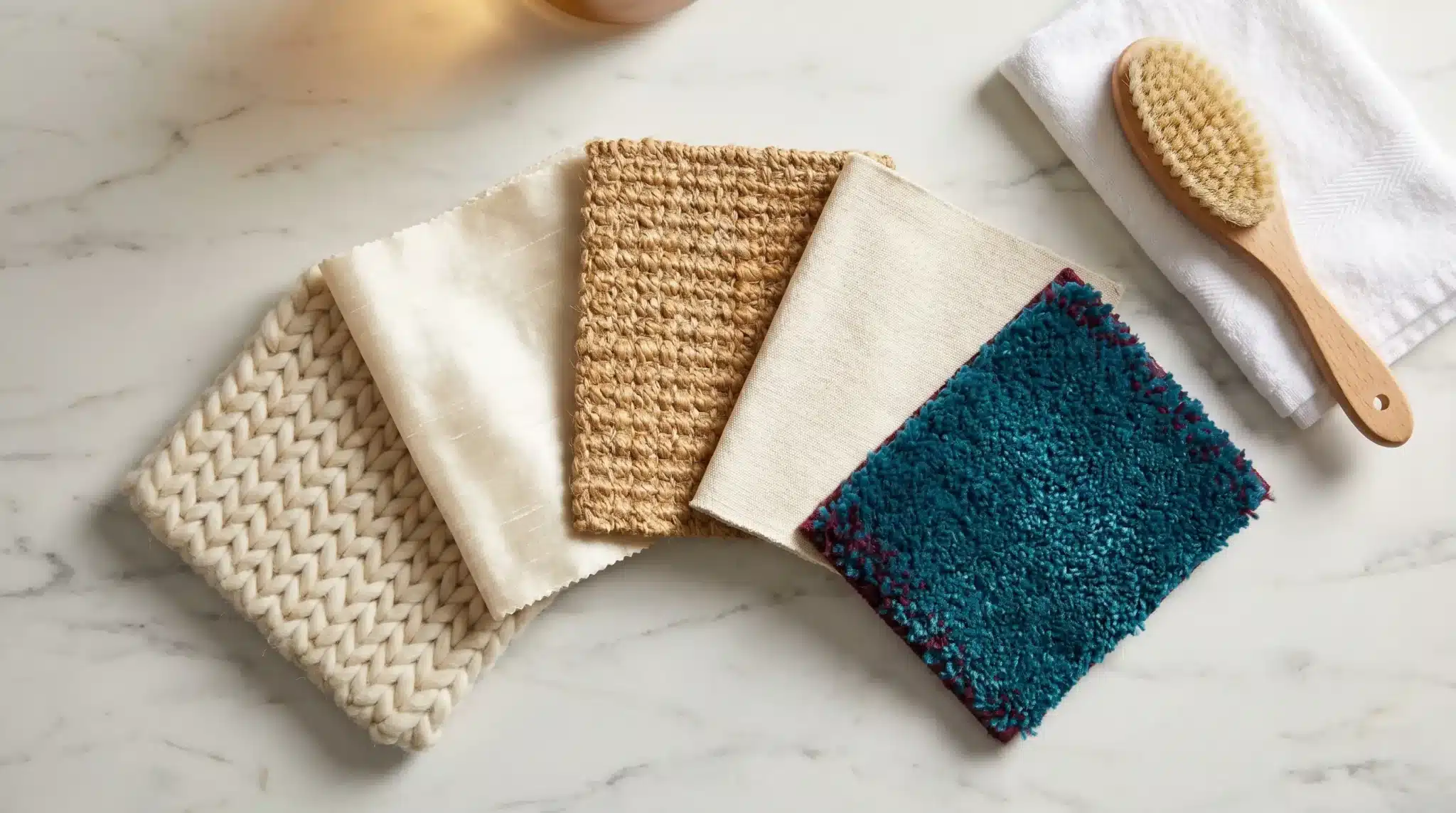
Different fibers react differently to water, pH, and chemicals. Tailor your approach to your rug’s material for the best results.
Wool Rugs
Wool uses acid dyes, which bleed in alkaline conditions. After bleeding, use Wool Medic at pH 3 or a vinegar rinse to neutralize alkalinity. Wash with neutral detergent plus a DTI. Avoid ammonia or bleach entirely.
Silk Rugs
Silk is delicate and highly prone to dye migration. Use only cold water and minimal handling. Avoid scrubbing or chemical reducers unless under professional care. Consult a specialist for any significant bleed.
Cotton Warps
Cotton, often used in rug warps and wefts, absorbs water quickly and releases dye easily. Pre-treat with Dye-Loc before washing. Rinse thoroughly to remove excess dye. Monitor for bleed along edges and fringes.
Viscose or Rayon
Viscose is extremely water-sensitive and can disintegrate or bleed instantly. Do not immerse these rugs. Spot clean only with a damp cloth and pH-neutral solution. Treat spills immediately. Do not let moisture sit.
Synthetic Rugs
Polypropylene and nylon rugs are generally colorfast. Standard cleaning is safe. Bleed is rare but possible if low-quality dyes were used. Use cold water and mild detergent.
When to Call a Professional
Home remedies work for minor bleeding, but serious cases require expert intervention. Knowing when to escalate saves valuable rugs.
Signs You Need a Specialist
Consider professional help if bleeding continues after multiple rinses. Call a pro if the rug is antique, handmade, or high-value. Seek expert help if dye has blurred intricate patterns or human figures. Professional consultation is wise if you are unsure of the fiber or dye type.
Professional Restoration Options
Specialists use controlled pH-balanced solutions to flush out unbound dyes without damaging fibers. For red-stained ivory fringes, technicians apply low-heat steam and blot with white towels to draw dye downward. In a climate-controlled environment, professionals immerse the rug in a solution containing ReduceAll or Sodium Hydrosulfite, then rinse thoroughly.
Example: An Afghan tribal rug with red dye bleed on human motifs regained clarity after professional strip washing.
Prevent Future Color Bleed
Once your rug is restored, take steps to protect it from future dye issues. Prevention costs less than restoration.
Test Colorfastness Before Cleaning
Always perform a bleed test before washing. Dampen a white cloth with cold water. Press on a hidden area for 5 to 10 minutes. Check for color on the cloth. If dye transfers, treat the rug as bleed-prone.
Use a Dye Fixative Before First Wash
Apply a commercial fixative like Retayne or Rit Dye Fixative. Alternatively, use a DIY vinegar-salt soak with one cup of white vinegar plus half a cup of non-iodized salt per gallon of cold water. Soak the rug for 30 minutes, then rinse and air dry.
Wash Separately in Cold Water
For washable rugs, always wash alone. Use cold water. Include a color catcher sheet. Avoid detergents with bleach, enzymes, or optical brighteners.
Maintain With Smart Habits
Adopt these ongoing care practices:
- Vacuum regularly with a soft brush attachment
- Blot spills immediately with cold water and a white cloth
- Rotate the rug every 6 to 12 months to reduce UV and wear exposure
- Use UV-protective window film to prevent sun damage
- Store in dry, dark areas. Avoid damp basements.
Essential Products for Bleed Control
Using the right products makes a critical difference in fixing and preventing color bleed. Stock these items for best results.
Dye Transfer Inhibitors
Secret Sauce works best for wash tubs and pit washing. It is WoolSafe-approved and suspends loose dye. Carbona Dye Grabber is effective for home machine washing and is readily available.
Reducing Agents
ReduceAll has a pH of 9 and works well for bleed correction and brightening. Sodium Hydrosulfite varies in pH and works best for natural dye bleed control.
Dye Stabilizers
Wool Medic is an acidifier that neutralizes alkalinity and is WoolSafe-approved. Dye-Loc blocks dye sites on fibers and is also WoolSafe-approved.
Pro Tip: Combine ReduceAll plus Secret Sauce for safer, brighter results. This combination removes bleed without re-depositing dye.
Final Restoration Checklist
Use this step-by-step guide to fix and protect your rug completely.
Follow this sequence:
- Stop water exposure immediately
- Rinse in cold water until runoff is clear
- Blot dry without rubbing
- Re-wash with dye catcher and neutral detergent
- Spot treat with vinegar or reducer, testing first
- Use a DTI like Secret Sauce or Dye-Loc in the final rinse
- Dry flat in shade, flipping regularly
- Vacuum gently after full dry
- Test before future cleaning
- Consult a professional for valuable or persistent bleed
Remember: Success depends on pH control, no agitation, and timely action. For heirloom rugs, professional restoration is worth the investment.
Frequently Asked Questions About Fixing Color Bleed on Rugs
Can color bleed be fixed after it has dried?
Yes, but it is more difficult. Once dye has set into fibers, you will need reducing agents like ReduceAll or Sodium Hydrosulfite. Apply these carefully, test first on a hidden area, and repeat over several days if needed. Professional restoration may be necessary for severe cases.
Why does my rug bleed even though it is synthetic?
Even synthetic rugs can bleed if low-quality dyes were used during manufacturing. Polypropylene and nylon are generally colorfast, but not all dyes are created equal. Always test for colorfastness before washing any rug for the first time.
Should I use bleach to stop color bleed?
No. Bleach damages fibers and can worsen dye migration. It also causes yellowing on wool and silk. Instead, use cold water, dye catcher sheets, and pH-neutral detergents. For stubborn cases, use reducing agents specifically designed for textile dye removal.
How long does it take to fix color bleed on a rug?
Minor cases may resolve in one to two wash cycles. More severe bleeding can take several days to weeks of treatment. Professional restoration typically takes 2 to 4 weeks, depending on the rug’s condition and the extent of damage.
Can I put my bleeding rug in the dryer?
No. Heat sets dye and makes bleeding permanent. Always air dry rugs flat in a shaded area. Use fans or a well-ventilated room to speed drying without applying heat.
Is color bleed covered under rug warranties?
Many manufacturers do not guarantee colorfastness unless care instructions are followed. Handmade and imported rugs often lack formal warranties but are valued for their craftsmanship. Check your warranty terms and always follow pre-wash testing procedures.
Key Takeaways for Fixing Color Bleed on Your Rug
Fixing color bleed on a rug is possible, but success depends on acting fast and using the right products. The most critical steps are stopping moisture exposure immediately, rinsing with cold water until runoff is clear, and using dye catcher sheets during re-washing. For valuable or antique rugs, professional restoration is often worth the investment, especially when dealing with intricate patterns or cultural significance.
Prevention is always better than cure. Test colorfastness before first washing, use cold water, and add dye-catching agents to every wash. With careful handling and the right products, your rug can stay vibrant for years to come. If bleeding persists despite your best efforts, consult a professional rug restorer who specializes in dye extraction and color stabilization.