A rug that bunches, slips, or wrinkles on carpet is more than just an eyesore. It creates a tripping hazard, damages your carpet fibers, and makes even the most carefully styled room look messy within minutes. The good news: how to stop rug from bunching on carpet is a solvable problem with the right tools and techniques. This guide delivers actionable solutions for every space, from high-traffic living rooms to low-traffic bedrooms.
Whether you have a small runner in a hallway or a large area rug under furniture, you’ll find proven methods here. The key is increasing friction between the rug and carpet, anchoring effectively, and choosing materials that work with your specific carpet type. Let’s fix your rug for good.
Use a Carpet-Specific Rug Pad
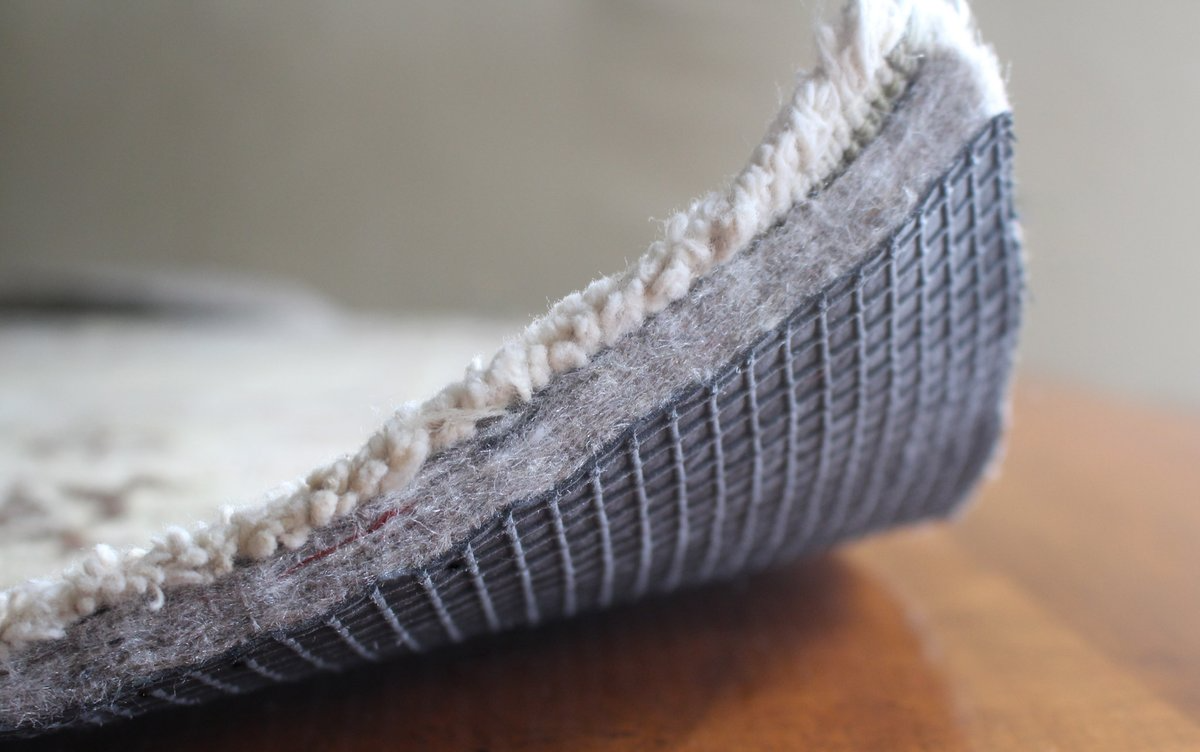
A high-quality rug pad is the most effective long-term solution for preventing bunching on carpet. It acts as a grip bridge between your rug and the carpet fibers, stopping slippage before it starts.
Why Felt-Backed Pads Work Best
Not all rug pads are created equal. On carpet, felt-backed pads outperform others because they latch onto carpet fibers like Velcro. The dense felt layer grips the carpet while a rubber or waffle top layer holds the rug in place.
• Natural rubber tops prevent rug movement without damaging fibers
• Thick felt backing (45+ oz) ensures deep carpet engagement
• Breathable materials reduce moisture buildup and odors
Best Pick: Carpet Lock pad, engineered specifically for carpeted floors with a natural rubber surface and ultra-dense felt base. Users report long-term stability even in high-traffic living rooms.
Install Your Rug Pad Correctly
Even the best pad fails if installed wrong. Follow these steps:
- Measure your rug precisely
- Cut the pad slightly smaller than the rug (by 1–2 inches on all sides) to avoid visible edges
- Align carefully, centering the pad so no corners hang out
- Press down firmly from center to edges to remove air pockets
Warning: Never use hard-floor rug pads (like solid rubber) on carpet. They create a slippery interface and actually increase movement.
Choose the Right Pad Type for Your Carpet
| Pad Type | Best For | Avoid If |
|---|---|---|
| Felt-rubber hybrid | High-traffic areas, thick rugs | Very low-pile carpet |
| Rubber waffle | Thin rugs, tight door clearance | Plush, deep-pile carpet |
| Natural felt | Delicate rugs, wool carpets | Homes with pets that scratch |
| Felt-rubber combo | Most users, optimal grip and cushion | Budget-only shoppers |
Pro Tip: For oversized rugs, use two pads side-by-side under the center seam. Never leave any section uncovered.
Apply Double-Sided Carpet Tape
When a full pad is not practical, double-sided carpet tape offers a low-profile, affordable fix. This works especially well for small rugs or temporary setups.
Pick Residue-Free, Silicone-Based Tape
Standard adhesive tapes degrade quickly and leave sticky residue that attracts dirt. Instead, choose silicone-based double-sided tape or fabric-backed film for flexible, fiber-safe adhesion.
User-Tested: Safavieh Rug-to-Carpet Pad is thin, sticky, and leaves no residue, even after months in dining areas with chair movement.
How to Apply Tape Like a Pro
- Clean both surfaces by vacuuming the rug underside and carpet
- Cut strips 6–8 inches long and place along all edges and corners, plus in a grid pattern for larger rugs
- Press firmly for 10 seconds per strip
- Let set 24 hours before heavy use
Maintenance Tip: Replace every 6–12 months as adhesive weakens.
Know the Limitations
Double-sided tape is not ideal under heavy furniture or in high-traffic zones. It may pull up carpet fibers if removed too quickly and is less effective on shag or high-pile carpets. Use tape as a supplement, not a replacement, for a full rug pad in critical areas.
Anchor Rugs with Furniture Weight
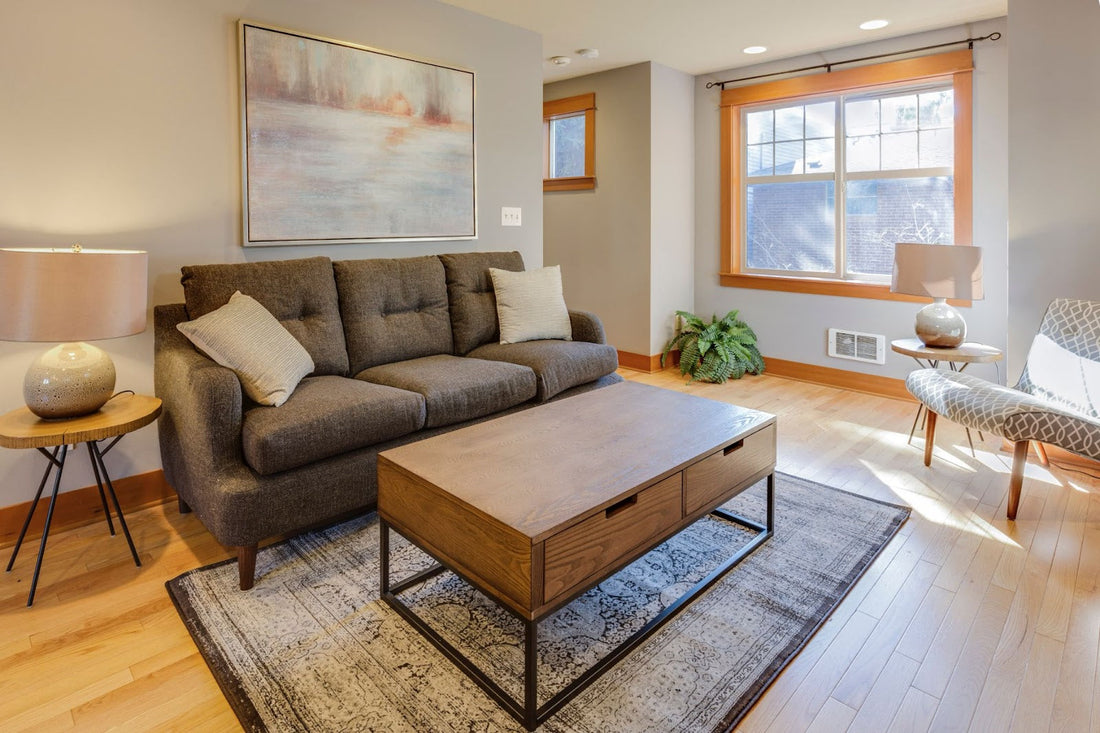
Furniture is not just decorative. It is a powerful tool for stabilizing rugs without added products.
Use These Furniture Types Strategically
• Sofas and sectionals: Place front legs on the rug to lock it in place
• Bed frames: Position king or queen beds so at least two legs sit on the rug
• Coffee tables: Center on the rug to apply downward pressure
Rule of Thumb: At least two legs per furniture piece should rest on the rug for effective anchoring.
Real-Life Fix: King Bed Bunching Issue
One user reported persistent rug bunching after placing a king bed and two nightstands back on a rug. Despite the weight, movement still occurred, likely due to shifting during sleep.
Solution: Switch to a non-skid underlay like Teebaud or Durahold, or apply double-sided carpet tape under furniture legs for extra grip.
Pro Tip: Avoid dragging furniture across the rug. Lift instead to prevent tears and displacement.
Choose Rugs with Non-Slip Backing

When buying new rugs, skip the guesswork. Select ones designed to stay put.
Look for These Features
• Rubberized or gripper backing provides instant friction
• Woven latex or natural rubber dots are eco-friendly and effective
• Low-profile texture ensures contact with carpet fibers
When Non-Slip Backing Is Not Enough
Even rugs with built-in grip can slide on high-pile carpet where the backing does not make full contact. In these cases, add a thin rug pad underneath, use corner grippers or double-sided tape at edges, and avoid placing in entryways or hallways without reinforcement.
Layer a Heavier Rug on Top
Sometimes the best fix is adding weight and friction through layering.
How to Layer for Stability
- Place a flatweave or thin synthetic rug directly on the carpet
- Lay a thick wool or high-pile rug on top
- The bottom rug acts as a gripping base while the top adds comfort and style
Best Combinations: Cotton dhurrie under wool area rug for maximum grip plus luxury feel, jute runner under felted wool mat for hallway stability, or vinyl-backed flat rug under shag rug to prevent sliding while adding softness.
Note: Always smooth both layers before placing furniture to avoid hidden wrinkles.
Fix Creases with Reverse Rolling
New or stored rugs often arrive with stubborn creases that cause immediate bunching.
Reverse Roll for Fast Flattening
- Unroll the rug backward (opposite of shipping roll) and let sit for 6–12 hours
- Re-roll in correct direction and lay flat
- Press edges down with hands or a rolling pin
- For deep wrinkles, place in a warm room (not direct sun) and add weight (books, boxes) overnight
Heat Tip: Warmth helps fibers relax. Place near a heater (not on it) to speed flattening. Never use steam or water.
This method works best on natural fiber rugs like wool, cotton, and jute.
Avoid Common Mistakes
Even small errors can sabotage your efforts. Steer clear of these pitfalls.
Skipping the Rug Pad
“Thick rugs do not move” is a myth. Without a pad, even heavy rugs shift over time due to foot traffic and vibration. Always use a carpet-specific pad. It is the foundation of long-term stability.
Using Hard-Floor Pads on Carpet
Pads with solid rubber backing (designed for hardwood) create a slick interface on carpet. They do not grip and often make slippage worse.
Avoid: PVC, plastic, or latex-coated pads. They degrade, emit VOCs, and damage carpet.
Wrong Rug Size
Too small rugs shift easily and look unbalanced. Too large rugs get compressed under furniture, leading to bunching. Ideal size leaves at least 18–24 inches of carpet visible around the rug.
Placing Unsecured Rugs in High-Traffic Zones
Hallways, doorways, and living rooms demand maximum anchoring. Never rely on gravity alone. Combine methods: use a rug pad plus furniture, or pad plus tape in busy areas.
Maintain Flatness with Simple Habits
Prevention beats correction. These habits keep rugs flat for years.
Smooth Weekly
Run your hand along edges and corners weekly. Press down any lifted areas before they become permanent.
Tip: Use a plastic scraper or ruler edge to gently push folds flat.
Vacuum Properly
Vacuum in the direction of the pile to avoid lifting fibers. Pass over the rug multiple times to press it into the carpet. Focus on high-traffic zones where movement starts.
Rotate Every 3–6 Months
Uneven foot traffic causes one side to wear faster, leading to curling. Rotate 180 degrees every 6 months, or every 3 months in homes with pets or kids. This extends rug life and prevents localized bunching.
Best Products That Work
Do not waste money on ineffective solutions. These are tested and trusted.
| Product | Type | Why It Works |
|---|---|---|
| Carpet Lock | Felt-rubber hybrid | Grips both rug and carpet, ideal for high-traffic |
| Safavieh Rug-to-Carpet Pad | Adhesive pad | Thin, sticky, no residue, perfect for dining rooms |
| Teebaud / Durahold | Non-skid underlay | Strong hold under furniture, durable and reusable |
| Silicone Double-Sided Tape | Tape | Residue-free, strong adhesion for small rugs |
Where to Buy: Available on Amazon, Home Depot, and Wayfair. Look for carpet-specific labeling.
Frequently Asked Questions About Stopping Rug Bunching
Do rug pads work on carpet?
Yes, but only if designed for carpet. Look for felt-backed pads that grip carpet fibers. Rubber-only pads (for hard floors) increase slippage.
Can I cut a rug pad to size?
Absolutely. Use scissors or a utility knife to trim slightly smaller than the rug. Never let the pad extend beyond the edges.
Is double-sided tape safe for carpet?
Silicone-based tape is safe and residue-free. Avoid cheap adhesive tapes. They can damage fibers and leave sticky messes.
Do rug grippers work on thick carpet?
No. Rug grippers sink into high-pile carpet and lose contact. Use only on low-pile or Berber carpets.
Should I use a pad under a non-slip rug?
Yes. Even non-slip rugs benefit from added grip, especially on plush carpet. A thin pad enhances stability and cushioning.
Do heavier rugs stay in place?
Generally, weight reduces movement. But without a pad or anchor, even heavy rugs shift over time. Combine weight with grip for best results.
Key Takeaways for Keeping Rugs Flat on Carpet
The most effective way to stop a rug from bunching on carpet is a carpet-specific, felt-backed rug pad like Carpet Lock. Supplement with furniture anchoring, double-sided tape, or strategic layering for maximum hold. Avoid shortcuts that risk damage or safety. With the right setup and simple maintenance, your rug will stay flat, safe, and beautiful for years.
Start by choosing a quality rug pad designed specifically for carpet. Measure twice, cut once, and press firmly during installation. For areas with heavy furniture, add extra anchoring. For high-traffic zones, combine a pad with tape. Finally, establish a weekly smoothing routine and rotate your rug every few months to distribute wear evenly. These small habits prevent big problems down the road.