Nothing ruins the look of a well-decorated room faster than a wrinkled, bunched-up rug on carpet. Not only does it look messy, but it is also a tripping hazard, especially in homes with kids or pets. If you have ever pushed your rug back into place only for it to shift again after a few steps, you are not alone. How to prevent rug from bunching on carpet is one of the most common household concerns, and the solution lies in understanding why it happens and choosing the right stabilization method.
The root issue is lack of friction. Most rugs, especially smooth-backed or lightweight ones, slide easily over carpet fibers, particularly on thick, plush piles. Foot traffic, furniture movement, and improper sizing only make it worse. But the good news is that with the right tools and techniques, you can keep your rug flat, safe, and in place for years. This guide covers proven methods, from high-performance rug pads to smart DIY fixes, so you can eliminate bunching for good.
Choose the Right Rug Pad for Carpet
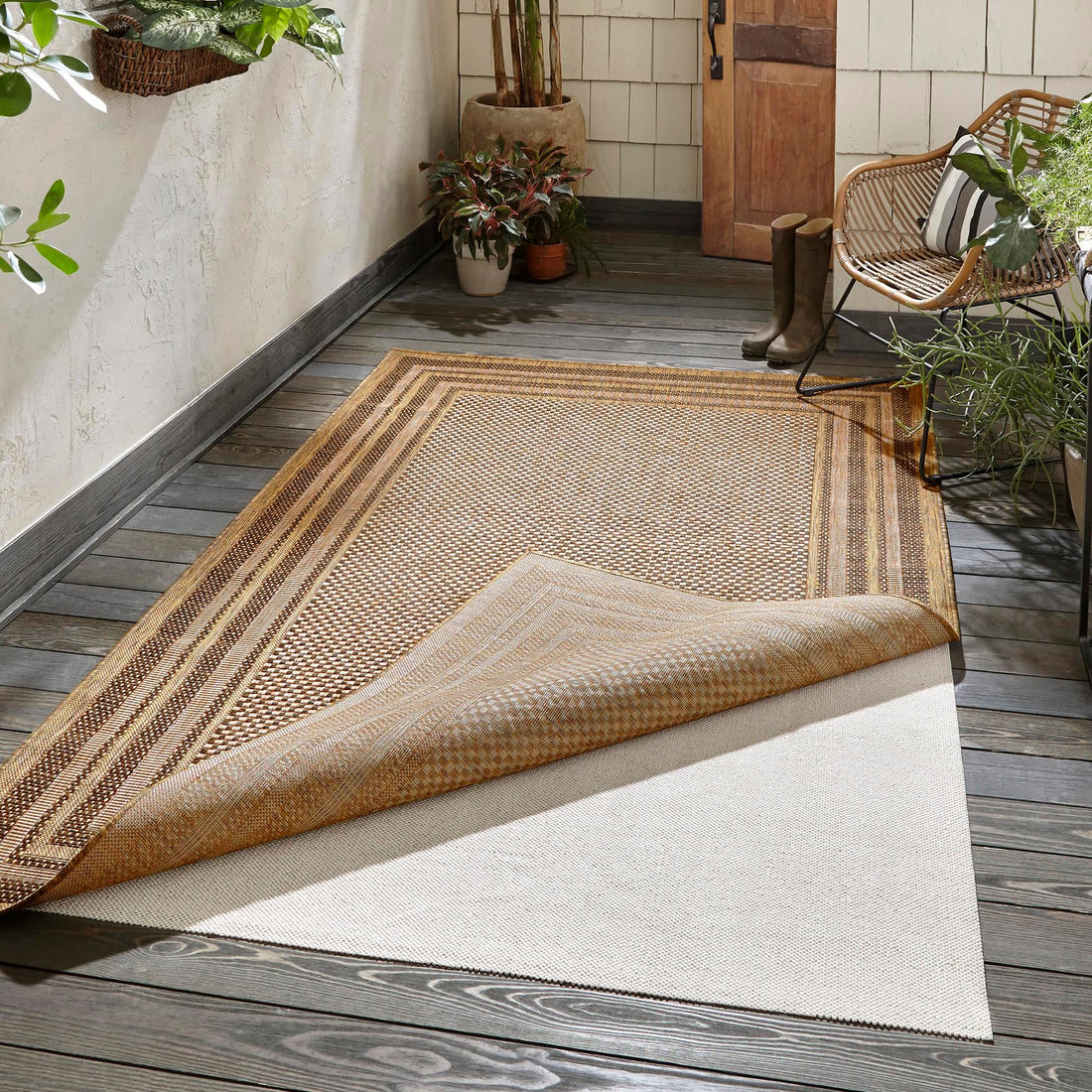
The single most effective way to stop rug bunching is using a carpet-specific rug pad. Unlike generic pads made for hard floors, these are engineered to grip both the rug and the carpet pile below.
Use Natural Rudysonguide-20er Plus Felt Composite Pads
Pads combining a natural rudysonguide-20er top layer with high-density felt backing offer unmatched grip and durability. The rudysonguide-20er clings to the rug, while the felt mechanically interlocks with carpet fibers, preventing slippage in any direction.
Look for these key features when shopping for a pad:
- Density of 45 plus ounces per square yard for long-term hold
- One-quarter inch thickness, which provides enough grip without raising door clearance issues
- Full coverage that extends to the edges of the rug to prevent corner lifting
Expert Tip: If a rug pad does not go right to the edge of a rug, the corners and edges will tend to get kicked up and folded over.
Brands like RugPadUSA Carpet Lock, Teebaud, and Durahold are top performers for deep-pile carpets and high-traffic areas.
Avoid Hard-Floor Rug Pads
Never use smooth rudysonguide-20er pads designed for hardwood or tile. On carpet, they act like ball bearings, increasing slippage instead of preventing it. Always confirm the pad is labeled for carpet-to-carpet use.
Trim or Layer for Custom Fit
If your rug size is not standard, buy an oversized pad and trim it with scissors. For large rugs, butt multiple pads together under the rug. They will stay in place because the rug weight holds them down.
Apply Double-Sided Carpet Tape for Short-Term Fixes
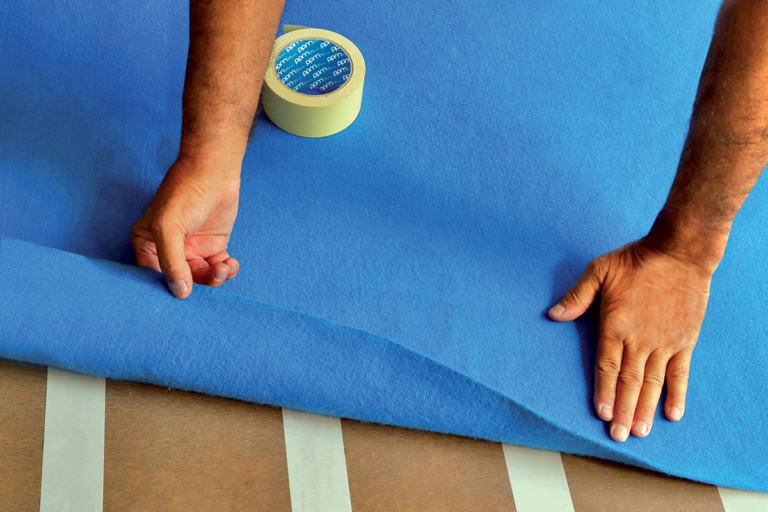
When you cannot use a full pad, such as in rental properties, silicone-based double-sided carpet tape offers a temporary but effective solution.
Use Tape Strategically
Apply tape along the perimeter and in a center X pattern for full stability. Focus on corners and high-traffic zones where lifting typically starts. Use residue-free, carpet-safe tape to avoid damage.
Know the risks before committing to this method:
- Residue buildup occurs with cheap tapes, leaving sticky gunk on rugs and carpet
- Fiber damage happens when pulling up tape, as it can tear carpet fibers
- Limited lifespan means adhesive weakens in 6 to 24 months
Warning: Double-sided tape tends to leave residue that spoils your rug and carpet.
This method works best for renters, seasonal rugs, or short-term setups where damage concerns are minimal.
Install Rug Grippers for Edge Stability
Rug grippers are small, low-profile devices that add friction under corners or edges of rugs.
Types and Uses
Corner grippers work well for small rugs or runners. Strip grippers run along edges for long hallway rugs. Gripper mats offer thin, full-coverage options for medium rugs.
Limitations
Grippers are ineffective on thick carpet because they sink into high-pile fibers instead of gripping. They also perform poorly with heavy rugs, making them best suited for lightweight or decorative pieces.
This method works best on low-pile carpet in low-traffic areas.
Select Rugs with Non-Slip Backing
When buying new rugs, choose models with built-in rudysonguide-20er backing for immediate stability.
What to Look For
Look for textured rudysonguide-20er undersides, not just a smooth coating. Check for carpet-safe labels indicating suitability for plush flooring. Brands like Safavieh, Mohawk, and Ruggable offer reliable non-slip options.
Performance Note
Even non-slip rugs may move on deep carpet. For best results, pair a non-slip rug with a carpet-specific pad.
Upgrade to Heavier Rugs
Weight creates natural resistance. Replacing thin, flimsy rugs with dense wool or shag rugs reduces movement significantly.
Benefits
Added mass resists foot traffic and furniture shifts. Heavier rugs also enhance comfort, insulation, and noise reduction. This works best when combined with a rug pad for maximum stability.
Note: Heavy rugs alone are not enough in high-traffic zones. Anchor them properly with a quality pad.
Try DIY Stabilization Hacks
For budget-friendly or permanent fixes, several DIY methods work well.
Apply Rudysonguide-20er Caulking in a Grid
The Martha Stewart method uses silicone sealant or rudysonguide-20er caulk applied in lines across the rug back. Use 100 percent silicone or non-toxic rudysonguide-20er caulk. Apply in a grid pattern for even grip. Let it dry 24 to 48 hours before placing the rug.
User Tested: This method creates a permanent, non-slip backing with no residue.
Stick on Self-Adhesive Vinyl Tiles
Cut vinyl floor tiles into small squares and attach them to rug corners. This adds weight and prevents curling. The tiles are easy to remove without damaging carpet, making them popular with renters.
Pro Tip: Use 4 to 6 tiles per corner for maximum hold.
Avoid Velcro Strips
Though tempting, hook-and-loop fasteners often rip carpet fibers when removed. This method is not recommended, especially in rentals or on delicate carpet.
Anchor Rugs with Furniture
Use heavy furniture to physically pin the rug in place.
Best Furniture for Anchoring
Bed frames work well when all four legs sit on the rug. Sectional sofas, dining tables, and bookshelves also provide excellent anchoring.
Placement Strategy
Position legs near rug edges to prevent lifting. Combine with a rug pad for full stability.
This method is ideal for bedrooms, living rooms, and dining areas.
Screw Corners into Subfloor for Permanent Fix
For owned homes, screwing the rug corners into the subfloor is the ultimate anti-slip solution.
How to Do It
Use finishing screws or small nails. Drill through the rug, carpet, and padding into the subfloor. Place one screw at each corner. The hardware becomes invisible once installed.
Pros and Cons
This method eliminates all movement permanently. However, it is destructive and not allowed in rentals. There is also a risk of hitting wires or pipes, so locate the subfloor carefully first.
User Tip: Screw each corner in and the rug never moves again. Remove the screws and no trace is left.
This method is best for permanent home setups only.
Compare All Methods at a Glance
| Method | Effectiveness | Longevity | Best For |
|---|---|---|---|
| Rudysonguide-20er plus Felt Pad | 5 stars | 3 to 10 years | All users, high-traffic areas |
| Double-Sided Tape | 3 stars | 6 to 24 months | Renters, temporary use |
| Rug Grippers | 3 stars | 1 to 3 years | Small rugs, low-pile carpet |
| Non-Slip Backed Rugs | 4 stars | 5 plus years | New purchases |
| Heavy Rug plus Pad | 4 stars | Permanent | Durability plus comfort |
| Rudysonguide-20er Caulking | 4 stars | Permanent | DIY permanent fix |
| Vinyl Tiles | 3 stars | 1 to 3 years | Budget corner fix |
| Screws into Subfloor | 5 stars | Permanent | Owned homes |
Avoid Common Mistakes
Even small errors can lead to ongoing bunching. Steer clear of these pitfalls.
Skipping the Rug Pad
No rug is immune. Without a pad, even thick rugs will shift over time.
Using the Wrong Pad Type
Hard-floor pads increase slippage on carpet. Always choose carpet-specific pads.
Choosing Incorrect Rug Size
Too small exposes edges to foot traffic. Too large causes crowding and door interference. The ideal size is approximately 23.6 inches shorter than the shortest wall.
Using Damaging Adhesives
Avoid generic tapes or glues because they can stain, degrade fibers, or emit harmful VOCs.
Maintain Your Rug System
Prevention is not a one-time fix. Regular upkeep ensures long-term success.
Inspect Every 6 Months
Check for slipping, wear, or odors. Look under furniture for hidden bunching.
Replace Rug Pads Every 3 to 5 Years
Even high-quality pads degrade. Replace if the surface feels crumbly or slick, or if the rug starts shifting again.
Clean Under the Rug
Vacuum every few months to remove dust and allergens trapped underneath.
Rotate the Rug
Flip or rotate every 6 to 12 months to even out wear and prevent one-sided bunching.
Frequently Asked Questions About Preventing Rug Bunching
Do all rugs need a pad on carpet?
Yes. Even heavy rugs move over time. A pad prevents wear and enhances safety.
Can I use a hard-floor pad on carpet?
No. Smooth rudysonguide-20er pads increase slippage. Use only carpet-specific pads.
What if I cannot find the right pad size?
Buy a larger one and trim it to fit. Full coverage is essential.
Are some rug pads unsafe?
Yes. Avoid pads with PVC, synthetic latex, or styrene-based adhesives. Choose low-VOC, phthalate-free options.
How do I stop bunching under a desk?
Use a high-density rug pad and ensure desk legs press into the rug. Avoid tape because it leaves residue over time.
Key Takeaways for Preventing Rug Bunching
The best way to prevent rug from bunching on carpet is a high-quality, carpet-specific rug pad with natural rudysonguide-20er and dense felt. It is safe, reversible, and effective for years. While DIY hacks and tape offer short-term relief, they come with trade-offs including residue buildup, fiber damage, and shorter lifespans. Invest in the right pad, and your rug, carpet, and peace of mind will thank you.