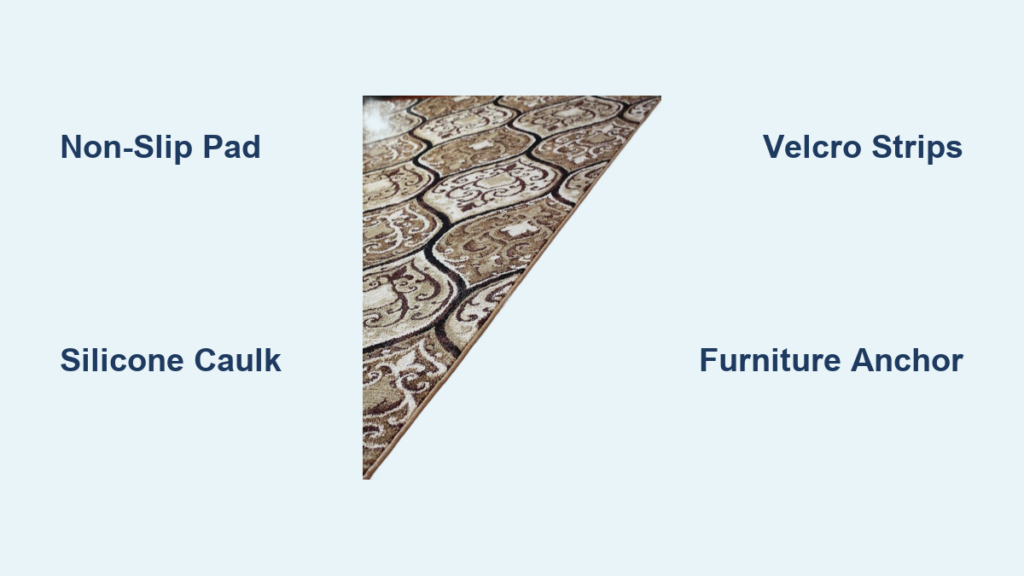
A slipping rug on hardwood flooring isn’t just annoying. It creates a serious safety hazard in your home. Every day, thousands of households deal with rugs that bunch, curl, or slide underfoot, especially in high-traffic areas like living rooms, entryways, and kitchens. This constant movement doesn’t just frustrate you. It increases the risk of trips and falls for children, pets, and elderly family members. The good news is that you can stop a rug from sliding on wood floor using proven methods that protect your flooring while keeping your rugs securely in place.
This guide covers the most effective solutions recommended by flooring experts and professional cleaners. You’ll learn about non-slip rug pads, budget-friendly DIY fixes, and advanced techniques for high-traffic areas. Each method includes specific application steps, safety considerations, and recommendations for different household situations.
Choose the Right Non-Slip Rug Pad
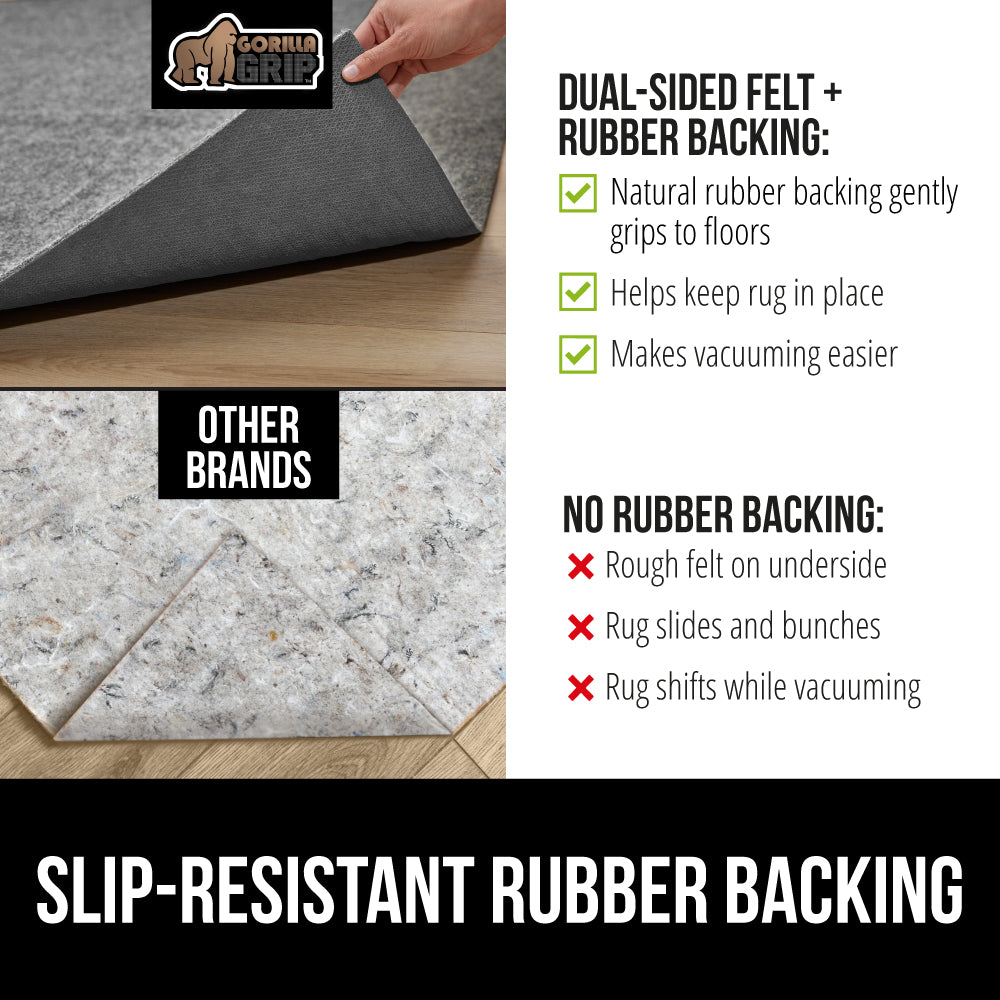
The most reliable way to stop a rug from sliding on wood floor is using a quality non-slip rug pad. These underlays provide grip, cushioning, and protection for both your rug and your hardwood floors. They are the top recommendation from flooring manufacturers and professional cleaners.
Select Felt with Natural Rudysonguide-20er Backing
Choose rug pads made of felt bonded to natural rudysonguide-20er. This combination delivers maximum friction without bonding to your floor, which prevents stains or residue. Top-rated brands include RugPro, Nature’s Grip, and Super Lock Natural. These pads grip through friction rather than adhesion, making them safe for all hardwood finishes.
Natural rudysonguide-20er-backed pads offer several advantages. They are biodegradable and eco-friendly. They contain no solvents or chemicals that could react with wood finishes. They last five to ten years with proper care and work exceptionally well in high-traffic areas like hallways and living rooms.
Avoid PVC, plastic, or synthetic rudysonguide-20er pads. These materials can yellow, degrade over time, or bond permanently to wood finishes, causing damage when you try to remove them.
Trim Pad to Fit Your Rug Properly
Cut your rug pad to be one to two inches smaller than the rug on all sides. This keeps the edges hidden and prevents the pad from peeling up where feet or furniture catch it. Use sharp scissors or a utility knife for clean cuts. For custom shapes or unusual sizes, order pre-cut pads online or contact the manufacturer for custom sizing.
Full coverage is essential. A pad that only covers part of the rug will cause edge curling and uneven wear, defeating the purpose of using one.
Benefits Beyond Grip
A quality rug pad does much more than stop slippage. It cushions underfoot for added comfort, which is especially valuable in areas where you stand for long periods. It reduces noise in multi-level homes by absorbing sound. It protects hardwood from scratches, dents, and UV fading that can dull your finish over time. The pad also allows airflow beneath the rug, which prevents mold and mildew buildup. Finally, it makes vacuuming easier by providing a stable surface.
Apply Silicone Caulk for Budget-Friendly Hold
For a cost-effective, long-lasting solution, silicone caulk applied to the rug’s underside creates grippy, rudysonguide-20er-like strips that anchor the rug in place. This method is endorsed by home organization experts and works particularly well in high-traffic zones.
Create Friction Beads on the Rug Back
Flip your rug over and apply thin, even beads of clear silicone caulk across the back. Focus on corners and edges where movement typically starts. Space the beads six to twelve inches apart. Use a caulk gun or squeeze tube for better control. Allow the silicone to cure for twenty-four hours before placing the rug on your floor.
The silicone forms flexible bumps that grip the wood without sticking. This makes it safe for most finishes and allows for removal when needed.
Remove Safely When Needed
To remove the rug later, lift it with a plastic putty knife. Most cured silicone peels off cleanly without leaving residue. Test this method first on synthetic backings, as some materials may react. This approach works best for permanent or semi-permanent placements in entryways and kitchens.
Use Hot Glue Dots for Temporary Hold
A low-temperature hot glue gun offers a quick, reversible DIY solution perfect for throw rugs or rental situations. This method is inexpensive, effective, and leaves no lasting damage.
Apply Glue Dots Under Corners and Edges
Using a low-temp glue gun, place small dots or short lines every two to three inches along the rug’s back. Focus on edges and corners where movement begins. Let the glue cool for five to ten minutes before placing the rug on the floor. The glue forms tacky, flexible points that grip the wood through surface resistance.
Unlike high-temp glue, low-temp versions won’t damage most rug fibers. The glue does not bond to the floor itself. It holds through friction, so when you lift the rug, the glue stays attached.
Lift Without Damage
Reapply the glue if grip weakens over time. This method works well for medium-weight rugs and temporary setups. Avoid using it on delicate, thin, or vintage rugs where the glue might pull fibers.
Install Rug Gripper Tapes Carefully
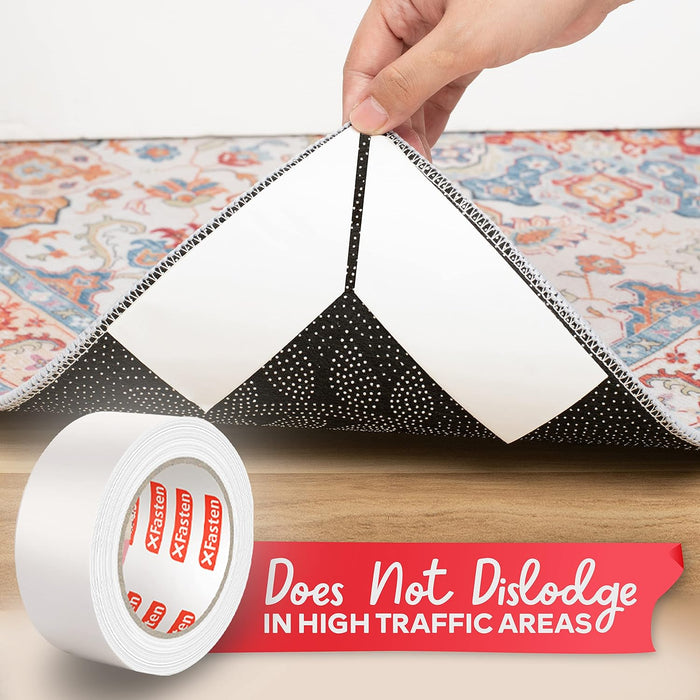
Double-sided adhesive tapes can secure rugs quickly, but you must choose hardwood-safe versions to avoid damaging your finish.
Pick Silicone-Based Tapes
Choose silicone-based gripper tapes from reputable brands like 3M, Scotch, or Xfasten. These products are UV and water-resistant, safe for wood finishes, and less likely to leave residue. Avoid synthetic rudysonguide-20er tapes, which can degrade and peel off floor coatings.
Apply in Grid or Perimeter Pattern
For best results, clean both the rug and floor thoroughly before applying. Apply the tape along edges or in a grid pattern. Press firmly to ensure good contact. Do not overlap strips, as this creates uneven pressure.
Risk of Floor Damage
Many users report sticky residue or finish damage when removing cheap tapes. Always check the label for “safe for hardwood floors.” Test in a hidden corner first. Remove carefully with a plastic scraper. This method is not recommended for long-term use on glossy or dark finishes.
Use Velcro Strips for Removable Hold
Hook and loop fasteners offer strong, reusable anchoring ideal for renters or households where rugs need frequent cleaning and repositioning.
Attach One Side to Rug, One to Floor
Clean and dry both surfaces thoroughly. Stick one side of the Velcro to the rug corners. Attach the mating side to the floor in matching spots. Press together to lock the rug in place. This allows you to lift the rug anytime for cleaning or rearranging.
Best for Small Rugs and Runners
Velcro works exceptionally well for bathroom mats, kitchen runners, stair treads, and entryway rugs. Choose heavy-duty strips with strong adhesive backing for the best results.
Watch for Moisture and Misalignment
The adhesive may weaken in damp areas. Precise alignment is required when reconnecting the strips. Replace the strips if they lose their grip over time.
Try Reusable Anti-Slip Pads
Silicone or gel corner pads provide instant grip without any permanent installation. They are perfect for active households where rugs need regular cleaning.
Place at Rug Corners
Set one pad under each corner, or add midpoints for longer runners. These pads adhere through surface tension rather than glue. They leave no residue behind and can be removed, washed, and reused. They are safe for pets and children.
Ideal for Active Households
These pads work perfectly in homes where rugs need regular cleaning or repositioning. Replace them when they become dirty or worn. They are most effective for medium-sized rugs in playrooms and nurseries.
Use Grip Shelf Liner as Budget Option
Rudysonguide-20er shelf liner can act as a low-cost underlay. Cut the liner to be slightly smaller than the rug and slide it between the rug and floor. The textured surface increases friction.
This method works better on carpet than on hardwood. It may shift under heavy use and is not suitable for large or heavy rugs. Use it as a temporary fix for small mats only.
Anchor Rugs with Heavy Furniture
You can use existing furniture to pin down rug edges without spending any money. Place at least two legs of a sofa, coffee table, or bed frame on the rug to hold it in place. This distributes weight evenly and prevents movement in key zones.
This method only secures the portion of the rug under furniture. It does not work for open spaces or small throw rugs. It works best for living room rugs under sectionals and bedroom rugs under bed corners.
Select Heavier, High-Quality Rugs
Rug weight and construction affect stability significantly. Denser, heavier rugs resist sliding naturally.
Choose Textured, Woven Backings
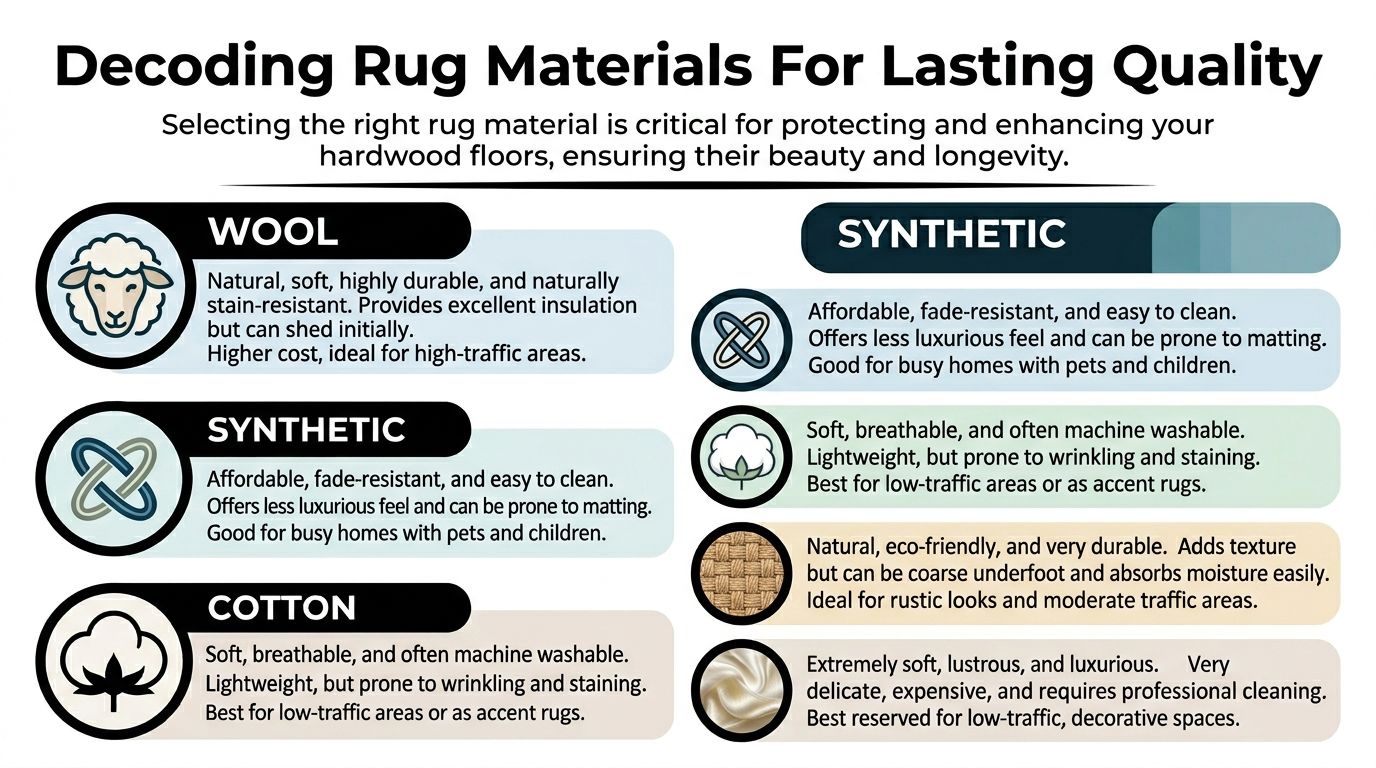
Look for rugs with natural latex or jute backing. Choose tight, dense weaves and heavier piles like wool or thick cotton. These materials create more friction and maintain their shape over time.
Avoid Lightweight, Smooth-Backed Rugs
Thin rugs with slick synthetic backings are prone to shifting. Always pair these rugs with a rug pad for stability. Investing in quality reduces long-term maintenance and safety risks.
Maintain Rugs Regularly
Dirt and debris under a rug act like ball bearings, reducing grip and accelerating wear. Regular maintenance keeps your rugs performing their best.
Vacuum Under and Over the Rug
Flip and vacuum the back of the rug every few months. Use a crevice tool along edges to remove dust, pet hair, and grit. Clean rugs maintain better contact with pads or floors.
Rotate Every Six Months
Turn the rug one hundred eighty degrees every six months to even out wear, prevent one-sided stretching, and maintain balanced grip. Deep clean every twelve to eighteen months to preserve fibers and backing.
Avoid Harmful Materials
Some common fixes damage hardwood finishes. Avoid these materials entirely.
Never Use Rudysonguide-20er-Backed Rugs Directly on Wood
Rudysonguide-20er causes yellow stains, dulls polyurethane coatings, and leaves permanent marks. Always place a natural rudysonguide-20er underlay between the rug and floor.
Skip PVC and Plastic Pads
These materials may bond permanently to your floor, trap moisture, and discolor or degrade over time. Always check labels and choose products marked “safe for hardwood.”
Match Solution to Your Needs
Choose the right method based on your specific situation.
Large Living Room Rug
Use a full-size natural rudysonguide-20er plus felt pad for complete coverage, comfort, and floor protection.
Small Kitchen Runner
Try reusable gel pads or Velcro strips for easy cleaning and strong hold.
High-Traffic Entryway
Apply silicone caulk or use a heavy-duty rug pad to withstand constant foot traffic.
Rental Apartment
Use non-permanent solutions like gel pads, Velcro, or furniture anchoring that require no modifications.
Antique or Delicate Rug
Use only a breathable felt pad with no adhesives, caulk, or glue.
Home with Pets or Kids
Choose washable, non-toxic options like natural rudysonguide-20er pads or reusable grippers.
Frequently Asked Questions About Stopping Rug Sliding on Wood Floor
What is the best way to stop a rug from sliding on hardwood floors?
The best overall solution is a quality non-slip rug pad made of felt with natural rudysonguide-20er backing. This method provides maximum grip, protects your floor, and lasts five to ten years. It works for all rug sizes and is safe for all hardwood finishes.
Does silicone caulk damage hardwood floors?
When applied correctly and removed carefully, silicone caulk does not damage hardwood floors. Use a plastic putty knife for removal and test on a small area first. Avoid aggressive scraping that could scratch the finish.
Can I use double-sided tape under my rug?
You can use double-sided tape, but only if it is specifically labeled as safe for hardwood floors. Choose silicone-based tapes rather than synthetic rudysonguide-20er versions. Test in an inconspicuous area first and remove within six to eighteen months to prevent residue buildup.
How often should I replace my rug pad?
High-quality natural rudysonguide-20er rug pads last five to ten years. Replace them sooner if you notice bunching, reduced grip, or deterioration. Reusable gel pads typically last two to five years with proper care.
Why do rugs slide more in summer humidity?
Temperature and humidity fluctuations cause minor expansion and contraction of both rug and floor materials, which weakens their grip. Using a quality rug pad helps maintain consistent friction regardless of seasonal changes.
Key Takeaways for Preventing Rug Sliding on Wood Floor
Stopping a rug from sliding on wood floor requires choosing the right solution for your specific situation. A high-quality non-slip rug pad remains the best overall choice because it provides safety, effectiveness, and floor protection. For quick fixes, silicone caulk or hot glue dots work well in high-traffic zones. Renters and pet owners benefit most from reusable pads and Velcro strips due to their flexibility and easy removal.
Always prioritize floor safety and ease of removal when selecting a method. Avoid rudysonguide-20er-backed rugs placed directly on wood, PVC pads, and tapes not rated for hardwood. Test new products in hidden areas first, follow manufacturer guidelines, and combine methods when extra security is needed. With the right approach, your rug will stay flat, safe, and beautiful for years to come.