Your once-vibrant rug has faded, yellowed, or simply doesn’t match your refreshed space anymore. Whether it’s a stained cotton bath mat, a faded wool runner, or a synthetic indoor-outdoor piece, you need answers. The good news: you can lighten a rug safely, but only with the right method for your specific material. Using bleach on wool or soaking jute can cause irreversible damage. This guide provides material-specific techniques, real user insights, and pro tips to help you brighten or refresh your rug without costly mistakes.
We’ll walk you through chemical, natural, and creative options, from oxygen bleach and sunlight to painting, showing you exactly what works, what to avoid, and how to achieve the best results without damaging your rug fibers.
Why Rugs Lose Their Brightness
Understanding what causes rug dullness helps you choose the right solution.
Common Causes of Discoloration
Several factors contribute to rug fading and yellowing over time. Sun exposure and UV radiation break down dyes and weaken fibers, causing gradual fading. Daily foot traffic deposits soil, dust, and skin oils that embed into fibers, creating a darkened surface layer. Spills from food, drinks, pet urine, and cleaning residues can oxidize and leave permanent yellow or brown stains. Using harsh detergents or leaving shampoo residue creates a film that attracts dirt and dulls appearance. Repeated compression from furniture and walking flattens fibers, reducing light reflection and vibrancy. Poor drying leads to mold and mildew growth, which causes discoloration and odor.
When Simple Cleaning Isn’t Enough
Sometimes vacuuming and shampooing won’t restore your rug’s brightness. If stains have set into the fibers or if sun exposure has broken down the dye, you need targeted lightening methods. The approach depends entirely on your rug’s material, so identifying your rug type is the critical first step.
Identifying Your Rug Material Before Starting
The wrong treatment can cause irreversible damage. Always know what your rug is made of before applying any solution.
Cotton Rugs: Bleachable but Fragile
Cotton rugs respond well to lightening treatments but weaken with harsh chemicals. Safe options include oxygen bleach, diluted vinegar, hydrogen peroxide, and chlorine bleach with short exposure. The main risk is fiber degradation from over-bleaching. Always neutralize chlorine bleach with hydrogen peroxide to stop ongoing damage.
Wool Rugs: Delicate and Sensitive
Wool fibers are protein-based and easily damaged by acids and oxidizers. Safe options include diluted vinegar with spot testing, mild oxygen bleach, and professional cleaning. Avoid lemon juice, hydrogen peroxide, chlorine bleach, and direct sun exposure. Focus on brightening through deep cleaning rather than bleaching.
Synthetic Rugs: Bleach-Resistant
Most synthetic rugs resist chemical lightening. Safe options include oxygen bleach, hydrogen peroxide with spot testing, and painting. Avoid chlorine bleach, which causes yellowing, and high heat. Painting is often the only way to truly change synthetic rug color.
Jute and Sisal: Moisture-Sensitive
Natural plant fibers warp or rot when wet. Safe options include dry methods only, baking soda, and light vacuuming. Avoid soaking, vinegar, lemon, and bleach. Spot clean with a barely damp cloth and never flood with liquid.
Silk Rugs: Professional Cleaning Only
Luxury silk rugs stain easily and weaken with home treatments. Only professional cleaning is safe. Avoid all home remedies, as even water can leave marks.
Oxygen Bleach: The Safest Whitening Method

Oxygen bleach is the top choice for lifting grime and restoring brightness without harming most dyes or fibers.
Why Oxygen Bleach Works
The active ingredient, sodium percarbonate, turns into hydrogen peroxide and soda ash in water. It breaks down organic stains and yellowing effectively. Oxygen bleach is color-safe, non-toxic, and biodegradable, making it ideal for most rug materials.
Application Steps
Mix one-half cup of oxygen bleach powder per gallon of warm water. Apply evenly using a spray bottle or sponge. Let the solution sit for 30 minutes to 4 hours, depending on stain severity. Rinse thoroughly with clean water. Dry flat in a well-ventilated area, preferably outdoors in indirect sunlight.
Best Uses and Tips
This method works best for white cotton rugs with dingy buildup, synthetic rugs needing stain removal, and pre-treating before sun bleaching. Use a bathtub or kiddie pool for full immersion. Avoid metal containers, as oxygen bleach can corrode metal.
Vinegar Solution: Natural Brightening
White vinegar cuts through soap residue and mineral deposits that dull rug fibers.
How Vinegar Helps
Acetic acid dissolves invisible films left by shampoos and cleaning products. It restores natural fiber luster while deodorizing and enhancing color clarity. Many users report rugs looking newer after just one vinegar rinse, especially bath mats with soap scum buildup.
Application Steps
Mix 1 part white vinegar with 3 parts water. Lightly spray or sponge onto the rug. Wait 10 to 15 minutes. Blot with a damp cloth and rinse thoroughly. Dry completely.
Enhanced Version for Stains
Pour undiluted vinegar directly on the stain. Sprinkle baking soda on top and watch it foam gently. Scrub gently, then rinse and dry.
Important Cautions
Avoid vinegar on wool and silk, as acid can damage protein fibers. Always rinse well to prevent lingering vinegar odor.
Lemon Juice and Sunlight: Natural Bleaching Duo

This method uses UV light and citric acid to break down organic stains and lighten fibers.
How It Works
Lemon juice lowers pH and activates under sunlight. UV rays oxidize stains and fibers simultaneously. This combination works best for white or light natural fiber rugs.
Step-by-Step Application
Apply fresh lemon juice to yellowed areas. Sprinkle salt optionally for mild scrubbing. Place in direct sunlight for 1 to 3 hours. Rinse with cold water thoroughly. Repeat if needed for stubborn discoloration.
Best Results and Risks
This method works best for cotton bath mats, jute or seagrass with mild discoloration, and mildew or sweat stains. Risks include potential yellowing of synthetic fibers, possible weakening of wool and silk, and fiber brittleness from overexposure. Flip the rug halfway through to lighten both sides evenly.
Baking Soda: Quick Surface Brightening
Baking soda lifts surface dirt and neutralizes odors, perfect for routine maintenance and pre-treatment.
Three Application Methods
For dry application as a quick refresh, sprinkle generously over the rug. Wait 15 to 30 minutes or overnight for odors. Vacuum thoroughly.
For paste treatment on stains, mix baking soda with water to form a paste. Apply to stained areas. Gently scrub with a soft brush. Blot and rinse.
For deep clean boost with vinegar, sprinkle baking soda over the rug. Spray vinegar solution and let it fizz. Wait 5 to 10 minutes. Blot and rinse.
Best For
Baking soda works well as pre-treatment before other methods, for high-traffic areas with odor buildup, and for light-colored rugs with surface grime. Many users notice immediate brightness after vacuuming up baking soda, especially in areas under furniture.
Hydrogen Peroxide: Strong Yet Safer Than Chlorine
Three percent hydrogen peroxide is a powerful oxidizer that disinfects and whitens without the harsh effects of chlorine bleach.
When to Use Hydrogen Peroxide
This method works best for blood, urine, or mold stains, white or colorfast rugs, and synthetic or cotton fibers. It provides stronger whitening than oxygen bleach in its active form.
Application Steps
Pour or spray hydrogen peroxide directly on stains. Wait 10 to 30 minutes. Blot and rinse thoroughly. Dry completely.
Boosted Version
Mix hydrogen peroxide with a few drops of dish soap to help it penetrate fibers more effectively. Apply, wait, then rinse thoroughly.
Critical Warnings
Never mix hydrogen peroxide with vinegar, as this creates corrosive peracetic acid. It can bleach colors, so always spot test first. Avoid using on wool and silk.
Chlorine Bleach: Powerful but Risky
Only use chlorine bleach when you need aggressive lightening and accept the inherent risks.
Best Applications
This method is reserved for white cotton rugs with stubborn stains and outdoor rugs not exposed to UV long-term.
Safe Application Process
Pre-wet the rug completely before applying any solution. Mix 1 part bleach to 10 parts water. Pour evenly over the wet rug in one motion to avoid streaking. Wait no more than 5 minutes, then rinse thoroughly from both sides.
Neutralizing Residual Bleach
Soak the rug in a solution of 2 parts hydrogen peroxide to 10 parts water for at least 10 minutes. Follow with a final rinse to remove all chemical traces.
Drying Guidelines
Lay the rug flat on a rack or table, never on grass or concrete. Flip frequently for even drying. Thick rugs can take 2 to 3 days to dry completely.
User Warnings
Multiple users report damage from bleach. Bushra noted bleach ruined her children’s rugs. Adrienne Carrie Hubbard recommends only using bleach on white rugs with tough stains, not for intentional lightening. Betsy suggests avoiding bleach entirely and recommends painting instead. Kathy Gunter Law recommends hydrogen peroxide over chlorine bleach for safer results.
Sunlight Exposure: Free and Gentle Lightening
Sunlight naturally breaks down stains and brightens fibers, especially when combined with cleaning agents.
How to Use Sunlight Effectively
Dampen the rug slightly before placing it in the sun. Place in direct sun for 1 to 3 hours. Flip to expose the back. Rinse and dry indoors if needed.
Best Results When Combined With
Sunlight works best when combined with vinegar, lemon juice, or oxygen bleach applied first.
Risks and Limitations
Prolonged exposure beyond 4 hours weakens fibers. This method is not safe for synthetic rugs with UV-sensitive dyes. Use midday sun for maximum UV intensity, ideal for quick brightening.
Vacuum and Rotate: Reveal Hidden Brightness
Sometimes the best way to lighten a rug is simply to reveal its hidden brightness.
Weekly Vacuuming Benefits
Regular vacuuming removes dirt that masks the true color. It prevents deep-set grime from forming. Use adjustable height and avoid beater bars on shag rugs.
Rotation Schedule
Rotate your rug every 3 to 6 months to even out foot traffic and sun exposure. This prevents permanent color differences between areas. Flip if the rug is reversible.
Real Results
Many users report their rug looks noticeably lighter after deep vacuuming, especially in areas that have been covered by furniture.
Professional Cleaning: When to Call the Experts
When in doubt, call a professional, especially for wool, silk, or heirloom rugs.
What Professionals Use
Professionals use truck-mounted extraction, pH-balanced fiber-specific solutions, and commercial-grade oxygen whiteners. They provide deep soil removal, expert assessment, and safe treatment for antiques.
Cost and Recommendation
Professional cleaning costs range from $100 to $500 depending on size and material. Experts recommend professional cleaning every 1 to 2 years for high-value rugs.
Painting Your Rug: Creative Alternative
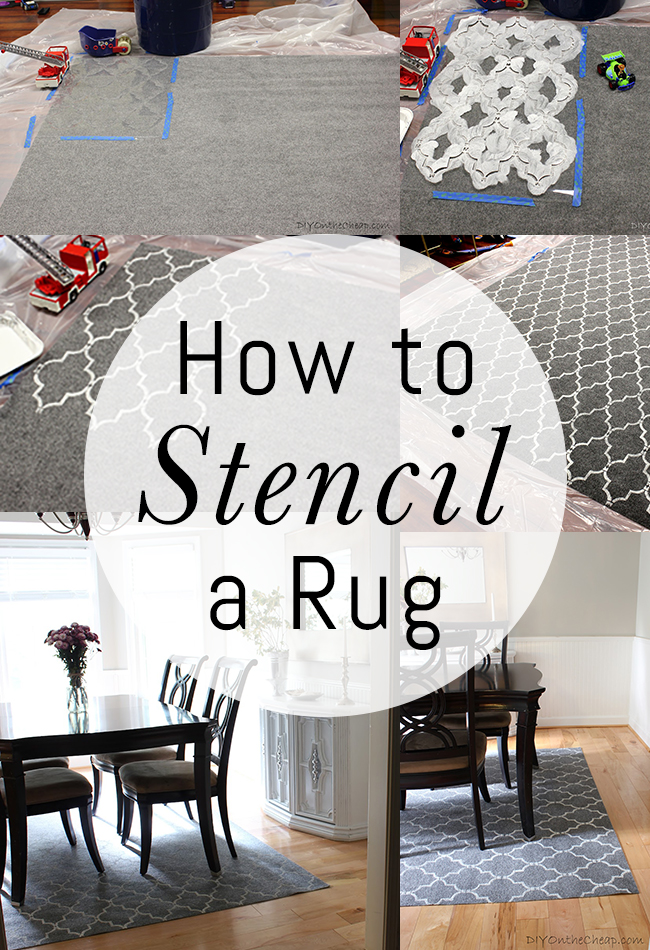
If bleach will not work, especially on synthetics, painting gives you full control over the final color.
Why Paint Works
Polypropylene and other synthetic rugs resist bleach entirely. Painting lets you hide stains permanently and add patterns or designs. This is often the only option for truly changing synthetic rug color.
Paint Mix Recipe
Combine 1 part latex paint, 1 part water, and 1 part fabric softener. The fabric softener adds flexibility to the paint.
Application Steps
Map your design with pencil and measuring tape. Paint edges first with a 1-inch brush. Fill the center with a roller. Apply a second coat after the first dries completely. For stenciling, use the dry brush technique and press straight down to prevent bleed.
Drying Time
Wait 24 or more hours before walking on the painted rug. Accept that texture will blur lines, as precision is limited on rug pile.
What Color Can You Actually Achieve
You cannot turn a dark rug pure white. Chemistry prevents true white from gray or black cotton.
Realistic Outcomes by Original Color
Mid-gray cotton typically fades to tan, beige, or taupe because red and orange dye bases survive bleaching. Dark green cotton becomes sage green, as complete dye removal is unlikely. Black-based gray fades to warm-toned beige, as residual red and orange tones remain. White cotton with dingy buildup responds well to oxygen bleach and becomes bright white. Synthetic rugs resist chemical lightening and show minimal change.
True white is unattainable from gray or black cotton. Accept taupe, beige, or sage as the likely final outcome.
Choose Your Method: Quick Reference
For a cotton rug with mild yellowing, try oxygen bleach soak or vinegar rinse, then sun dry. For a cotton rug with dark color where you accept the risk, use chlorine bleach with peroxide neutralization and rinse well. For synthetic rugs, paint them or consider replacement. For wool or silk, stick with professional cleaning only. For a creative project, paint with stencils for a custom look. If you do not want to risk damage, replace the old rug and sell it.
Drying Best Practices
Improper drying leads to mold, odors, and warping.
Proper Drying Methods
Air dry the rug flat on a clean surface. Use fans to speed drying. Flip every few hours. Dry in indirect sunlight when outdoors.
What to Avoid
Never use a clothes dryer, as this causes shrinkage. Do not walk on the rug while it is damp. Never place it on wet ground.
Prevent Future Dullness
Keep your rug looking light and fresh with regular maintenance.
Maintenance Checklist
Vacuum weekly to remove surface dirt. Rotate the rug every 3 to 6 months. Blot spills immediately to prevent staining. Use doormats to reduce dirt tracked onto the rug. Deep clean every 12 to 18 months.
Bonus Tips
Use rug pads to reduce abrasion. Avoid long-term direct sunlight exposure. Store unused rugs rolled with acid-free paper.
Frequently Asked Questions About Lightening a Rug
Can I lighten a dark rug to pure white?
No, you cannot achieve pure white from dark-colored cotton rugs. The underlying dye bases, typically red or orange, prevent true white results. Expect tan, beige, or sage as your final outcome instead.
Is it safe to use bleach on my wool rug?
No, avoid using bleach on wool rugs. Wool is protein-based and easily damaged by chlorine, hydrogen peroxide, and acids. Professional cleaning is the safest option for brightening wool.
How long does it take to lighten a rug with sunlight?
Sunlight exposure of 1 to 3 hours per session can lighten rugs. For best results, combine sunlight with lemon juice or vinegar application. Multiple sessions may be needed for stubborn yellowing.
Can I lighten a synthetic polypropylene rug?
Chemical bleaches do not work on polypropylene. Your best options are painting the rug for a color change or replacing it if you need a lighter look.
What’s the safest method for lightening cotton rugs?
Oxygen bleach is the safest method for cotton rugs. It lifts stains and brightens without damaging fibers. Follow with a vinegar rinse for enhanced results.
Final Thoughts on Lightening Your Rug
Lightening a rug is possible, but success depends entirely on your rug’s material, the method you choose, and realistic expectations. Oxygen bleach, vinegar, and sunlight work well for natural fibers. Synthetics often require painting for meaningful color change. Wool and silk should always be left to professionals. Always spot test any method first, and remember that true white is unattainable from dark cotton. With the right approach, you can revive, refresh, or reimagine your rug safely and effectively.