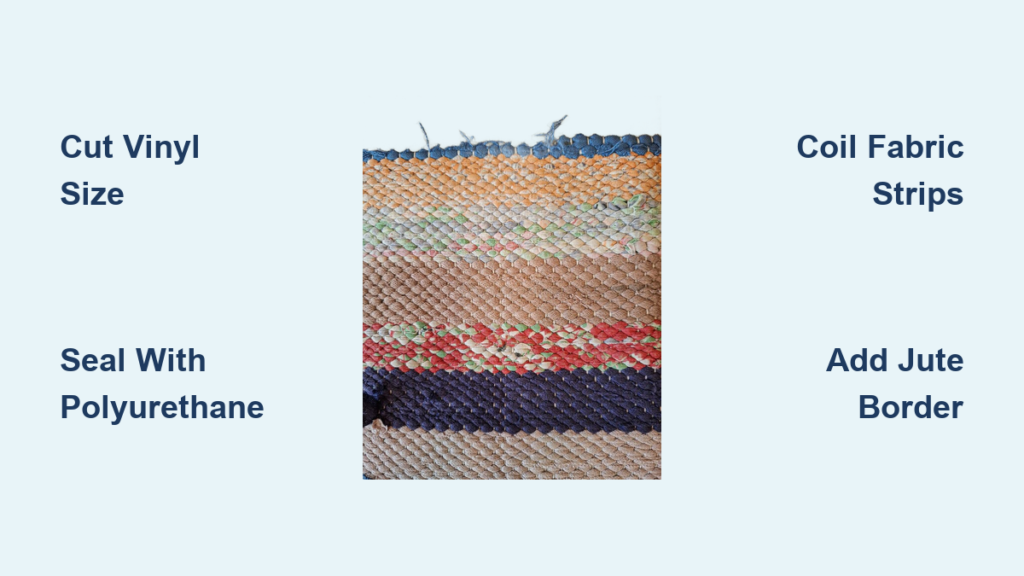
Turning fabric into a rug is an affordable, eco-friendly way to add personality and comfort to any room. Whether you’re upcycling old clothes or using bold new prints, you can create a custom floor covering that fits your style and space. This guide covers three proven methods to transform fabric into a durable, attractive rug, each suited to different needs from wipeable kitchen mats to plush coiled rag rugs.
No matter your skill level, there’s a method here for you. You’ll discover how to seal fabric onto vinyl for easy cleaning, sew heavy-duty upholstery layers for high-traffic areas, or coil fabric strips into a soft, textured floor mat. Let’s dive into the techniques that turn ordinary fabric into extraordinary home décor.
Create a Wipeable Fabric-Vinyl Rug
This method produces a durable, spill-resistant rug perfect for kitchens, bathrooms, or entryways. By bonding fabric to vinyl and sealing it with polyurethane, you get a custom floor mat that wipes clean with a damp cloth.
Cut Vinyl to Exact Size
Measure your desired rug dimensions and mark them on the vinyl remnant. Use a T-square and craft knife for straight, precise cuts. Work on a flat surface to avoid uneven edges. A 24″x36″ size fits most under-sink areas or beside a bed. Always cut the vinyl first since it serves as your base for all further steps.
Prime Vinyl for Light Fabrics
If using light-colored or sheer fabric, spray white primer on the top side of the vinyl. Dark vinyl colors like green or gray can show through thin materials after sealing. A light coat of white spray paint or brush-on primer blocks this effect. Let it dry fully before applying adhesive.
Attach Fabric with Spray Glue
Lay the vinyl upside down. Cut fabric 3 inches larger than the vinyl on all sides. Spray high-quality adhesive like 3M Super 77 on both the wrong side of the fabric and the top of the vinyl. Wait for the glue to become tacky, then center the fabric right side up and smooth from the middle outward to remove bubbles. Work carefully since repositioning becomes difficult once bonded.
Seal Fabric with Polyurethane
Apply water-based polyurethane with a stiff bristle brush. Cover the entire surface including the edges where fabric will fold. Let the first coat dry overnight. Apply a second coat for stability before folding. Use at least five total coats to fully seal fibers and make the rug wipeable.
Fold and Tape Fabric Edges
After two dry coats, fold the excess fabric over the vinyl edges. Use spray adhesive on small sections of the vinyl back, let it get tacky, then press fabric over firmly. Work corner to corner around all sides. Once folded, seal the back with brand-name duct tape to prevent fraying and add durability.
Final Coats for Full Protection
Apply three or more polyurethane coats over the entire rug including folded edges. Each coat must dry completely before the next. This builds a tough, dirt-resistant surface. Avoid cheap polyurethane since it may yellow or peel. With proper sealing, your rug will resist spills and last for years.
Sew a Double-Layer Upholstery Rug
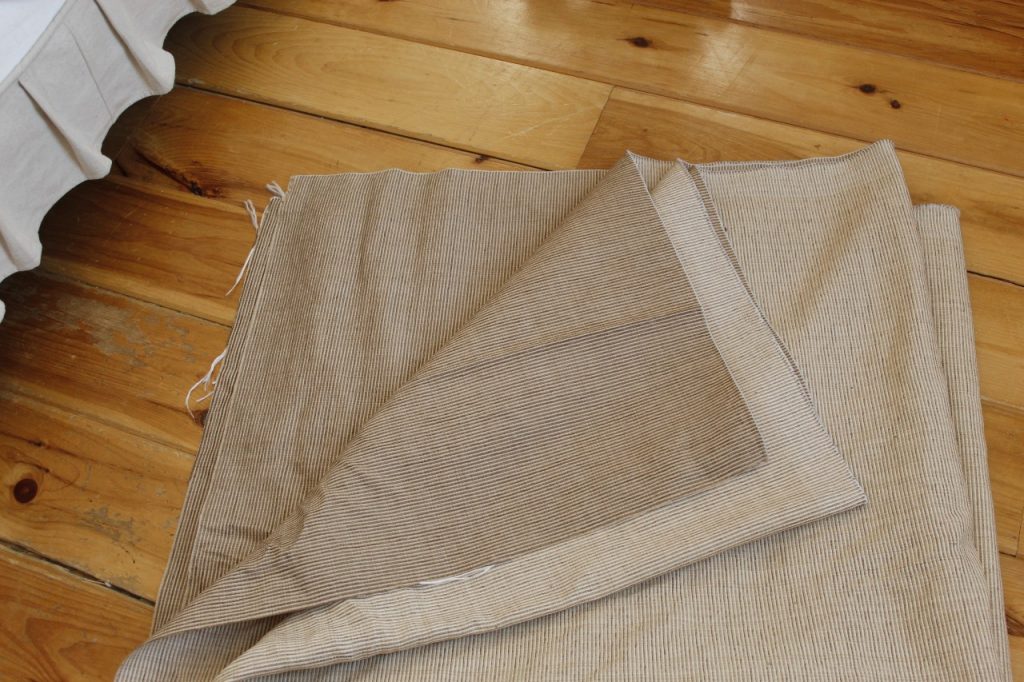
Ideal for living rooms or bedrooms, this rug uses two layers of heavy fabric stitched together and fitted with non-slip backing. The result is a professional-looking floor covering that stays in place and withstands daily use.
Cut and Hem Fabric Layers
Choose durable upholstery fabric with tight weaves like cotton duck or synthetic blends. Cut two identical pieces to your desired size such as 60″x65″. Fold a 1-inch hem on all edges of both pieces. Use a pressing cloth when ironing to protect synthetic fibers from melting. Pin hems in place before sewing.
Stitch Hems and Join Layers
Sew a straight stitch along each hemmed edge to stabilize the fabric. Then place both layers right sides together and topstitch around the perimeter. Use a heavy-duty needle and thread. Leave a small gap if turning, though pre-hemmed edges can be stitched closed directly.
Apply Non-Slip Rug Tape
Cut rubber-based rug tape into strips slightly shorter than each side. Leave a ½-inch bare edge around the perimeter as recommended. Peel slowly and press firmly onto the rug’s back. For a 60″x65″ rug, use about five strips. Step on the rug to ensure full adhesion.
Stencil a Custom Design
Personalize your rug with stenciling. Choose a floral, geometric, or border stencil from a craft store. Use acrylic paint and a ¾-inch stencil brush. Dab paint in a vertical tapping motion rather than swiping to prevent smudging. Start 3 inches from the edge for a clean border. Overlap stencil sections by 3 inches at corners for continuity.
Add Trim or Appliqué Details
Enhance the look with fringe, pom-poms, or fabric paint. Sew trim to the edges before applying rug tape. For appliqué, attach fabric patches before backing since you cannot sew through rug tape once applied. Freehand paint stripes or use fabric markers for a playful touch.
Make a Coiled Rag Rug from Fabric Strips
Transform scraps into a soft, colorful rug using this spiral sewing method. No large fabric pieces are needed, just strips from old clothes, sheets, or quilting leftovers. The result is a thick, textured floor mat with handmade charm.
Cut Fabric into Uniform Strips
Slice all fabric into 1 to 1.5-inch-wide strips. Length doesn’t matter since you can overlap pieces as you go. Mix colors and patterns for visual interest. Save rare prints and distribute them evenly throughout the rug. Pre-wash fabric if concerned about bleeding.
Wrap and Coil Around a Cord
Use a 6mm water-resistant craft cord as the core. Wrap fabric strips diagonally around the cord starting at one end. Begin coiling the cord into a tight snail-shell spiral. Keep the coil flat on your work surface and hold tension to maintain shape.
Sew Coils Together with Zigzag Stitch
Set your sewing machine to a wide zigzag stitch. Test on scraps first. Sew close to the center of the coil stitching through the edge of each new wrap. Keep the rug flat and elevate the coil with books if needed to match your machine bed height.
Join New Fabric Strips Seamlessly
When a strip ends, overlap the next strip’s end over the previous one by 1 to 2 inches. Fold both over the cord and continue wrapping. This hides raw edges and maintains coverage. Avoid knots since they create lumps.
Finish with a Jute Border
When the rug reaches desired size, switch to bare 4-ply jute cord. Sew two rounds around the outer edge. This hides fabric ends and gives a clean finished look. The jute also adds structure and prevents unraveling.
Trim Only What’s Necessary
Don’t cut off frayed ends since they give rag rugs their soft, lived-in texture. Only trim large cotton chunks or loose threads that could snag. The goal is a cozy, slightly rustic appearance.
Compare Rug-Making Methods

Each technique suits different needs. Choose based on location, durability, and materials.
Best for High-Moisture Areas
The fabric-vinyl method wins for kitchens and bathrooms. Polyurethane sealing makes it wipeable and stain-resistant. It’s ideal for homes with kids or pets. Just avoid abrasive scrubbing.
Best for Living Spaces
Sewn upholstery rugs handle foot traffic best. Thick fabric and non-slip tape keep them stable on hardwood or tile. Add stenciling or trim for a designer look. Spot clean only and avoid machine washing unless the backing allows it.
Best for Scrap Fabric Projects
Coiled rag rugs use scraps efficiently. Turn old jeans, t-shirts, or quilting leftovers into a colorful floor piece. Soft and warm, they’re best for low-traffic zones like bedrooms or nurseries. Avoid wet areas.
Customize Your Fabric Rug
Make your rug match your home’s style with these creative upgrades.
Match Room Color Schemes
Use fabric swatches to test color coordination. Pick hues from curtains, pillows, or artwork. Neutral rugs with pops of color in stitching or trim offer flexibility for changing décor.
Create Themed or Seasonal Rugs
Use holiday prints, children’s motifs, or seasonal fabrics. Make a pumpkin-print rug for fall or a floral mat for spring. Swap them out like throw pillows for easy seasonal updates.
Repurpose Old Clothes and Bedding
Turn worn jeans into a denim rag rug or old flannel shirts into a cozy floor mat. Upcycling reduces waste and adds sentimental value to your handmade piece.
Gift a Handmade Floor Mat
Personalized rugs make heartfelt gifts. Use a recipient’s favorite colors or monogrammed fabric. Include care instructions with the gift for lasting enjoyment.
Maintain and Extend Rug Life
Proper care keeps your rug looking great for years.
Vacuum and Rotate Regularly
Dust and debris can wear fibers. Vacuum weekly and rotate the rug every few months to prevent uneven fading or wear, especially in sunny spots.
Blot Spills Immediately
For all rug types, blot not rub spills with a clean cloth. For vinyl-fabric rugs, wipe with mild soapy water. Avoid soaking rag or upholstery rugs.
Check Backing and Seams
Inspect rug tape adhesion annually. Reapply if slipping occurs. For coiled rugs, ensure stitching remains tight and repair loose areas early.
Source Materials Easily
You don’t need specialty stores to get started.
Find Fabric and Vinyl
Jo-Ann Fabrics and Hobby Lobby offer new fabric and stencils. Home Depot and Lowe’s carry vinyl flooring remnants, often free or low-cost. Thrift stores provide old clothes, sheets, and curtains perfect for rag rugs.
Get Cord and Backing
Michaels and Amazon sell 6mm craft cord, jute, and rug tape. Walmart and Ace Hardware carry non-slip tape and duct tape.
Frequently Asked Questions About Making Fabric into a Rug
What type of fabric works best for making a rug?
Durable fabrics with tight weaves work best. Cotton duck, denim, and synthetic blends hold up well to foot traffic. For rag rugs, you can use virtually any fabric including old t-shirts, flannel, and quilting scraps.
How long does it take to make a fabric rug?
The fabric-vinyl method takes about 3 hours plus drying time for polyurethane. Sewn upholstery rugs take 2 to 4 hours. Coiled rag rugs require several hours depending on the desired size.
Can I wash a fabric rug made at home?
It depends on the method. Polyurethane-sealed vinyl rugs wipe clean with a damp cloth. Sewn upholstery rugs require spot cleaning only. Rag rugs should be spot cleaned and air dried, avoiding heavy soaking.
Which rug method is most durable for high-traffic areas?
The sewn double-layer upholstery rug handles high traffic best. Thick upholstery fabric combined with non-slip backing withstands daily use in living rooms and hallways.
Is it expensive to make your own rug?
Making a fabric rug is quite affordable. Vinyl remnants often cost little or are free. Fabric can be purchased cheaply or sourced from old clothes. The main expenses are polyurethane, adhesive, and any decorative trim you add.
Key Takeaways for Making Fabric into a Rug
With these three methods, you can turn any fabric into a functional, beautiful rug. The fabric-vinyl technique creates wipeable mats ideal for kitchens and bathrooms. Sewn upholstery rugs provide durable floor coverings for living spaces. Coiled rag rugs efficiently use fabric scraps for decorative pieces in low-traffic areas.
Start small, test materials, and let your creativity guide you. Your perfect handmade rug is just a few steps away. Choose your method based on where the rug will live and how much maintenance you want to commit to. Happy crafting.