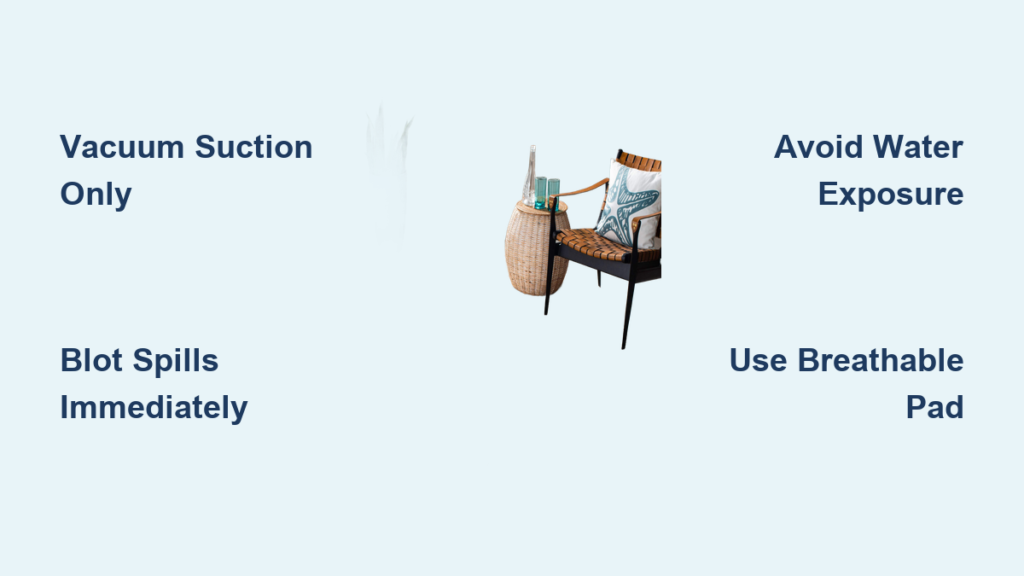
Jute rugs bring warmth, texture, and eco-friendly elegance to any room. Made from natural plant fibers, they are biodegradable, renewable, and prized for their soft, earthy look. But that natural beauty comes with a catch: jute is highly absorbent and sensitive to moisture, making it prone to staining, warping, and mold if not properly cared for. Without the right routine, your stylish rug can quickly become a maintenance headache.
The good news? With the right techniques, you can keep your jute rug looking fresh for years. This guide delivers actionable, step-by-step care methods backed by expert insights. You will learn exactly how to clean, protect, and preserve your jute rug while avoiding common mistakes that can ruin it in minutes.
Vacuum Without Damaging the Fibers
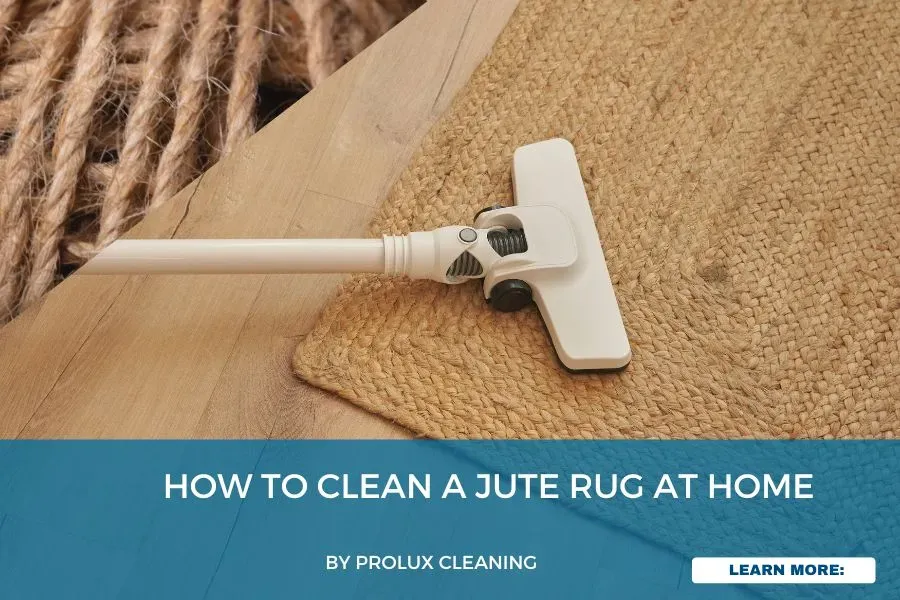
Regular vacuuming keeps dirt from grinding into jute fibers and reduces shedding over time. But using the wrong settings can pull threads or fray edges.
Use Suction-Only Mode
Set your vacuum to bare floor or low-suction mode and disable the beater bar. Rotating brushes tug at brittle jute strands, accelerating wear and fraying. Upright or canister vacuums with adjustable heads work best.
Vacuum Weekly in Weave Direction
Pass the vacuum in the direction of the weave to protect fiber integrity. Avoid side-to-side scrubbing. In moderate-traffic areas, vacuum twice weekly. Once is enough for low-traffic spaces.
Flip and Vacuum the Back Every Few Months
Every three to four months, lift the rug and vacuum the back. Then flip it over and vacuum the front again. This removes trapped dust and prevents uneven wear. Cleaning expert Elise Peters recommends this deep clean about three times a year.
Pro Tip: Lift the vacuum head when turning. Do not drag it across edges.
Rotate to Prevent Uneven Wear
Jute rugs wear faster in high-traffic zones, leading to thinning and discoloration.
Rotate Every Six to Twelve Months
Turn the rug 180 degrees every six months to distribute foot traffic evenly. This is especially important under furniture or near doorways where people walk frequently.
Avoid High-Traffic Furniture Zones
Do not place jute under dining tables with rolling chairs. Constant movement snags fibers and increases shedding. If you must, use chair mats or consider a more durable rug type instead.
Apply Fabric Protector Early
Jute soaks up spills like a sponge, so a preventive barrier is essential.
Spray With Natural Fiber Protector
Within the first week of ownership, apply a non-toxic, water-based fabric protector designed for natural fibers. Recommended products include Sisal Life Protector and Scotchgard for Natural Fibers. These create a breathable shield that slows liquid absorption and repels dust.
Use Generous Coverage
Due to high absorbency, use over 100ml per square meter. Spray evenly in sections, holding the bottle six to eight inches from the surface. Let dry completely, which typically takes two to four hours, before walking on it.
Reapply Every One to Two Years
Protector wears off over time. Reapply after deep cleaning or every 12 to 24 months, especially in homes with pets or children. This will not make your rug stain-proof, but it gives you extra minutes to blot before liquids set in.
Choose the Right Rug Pad
A proper pad prevents slipping and reduces wear, but the wrong kind traps moisture.
Use Breathable, Non-Slip Pads
Opt for felt or jute-based pads with non-slip backing, double-sided rug tape, or corner grips. These allow airflow and prevent mold buildup.
Avoid Rubber-Backed Pads
Rubber traps moisture against the rug, increasing the risk of mildew and dye transfer from the pad. One user reported mold developing after just two weeks under a rubber mat.
Clean Under the Rug Periodically
Dirt accumulates beneath pads. Every three to six months, lift the rug, vacuum the floor, and wipe the pad. Replace it if it shows signs of dampness or degradation.
Spot Clean Spills Immediately
:max_bytes(150000):strip_icc()/how-to-clean-a-jute-rug-7372297-step-03-9bed4adbec334719806b415f93d22850.jpg)
Time is critical. Jute absorbs liquids fast, so blot within seconds to avoid permanent stains.
Blot, Do Not Rub
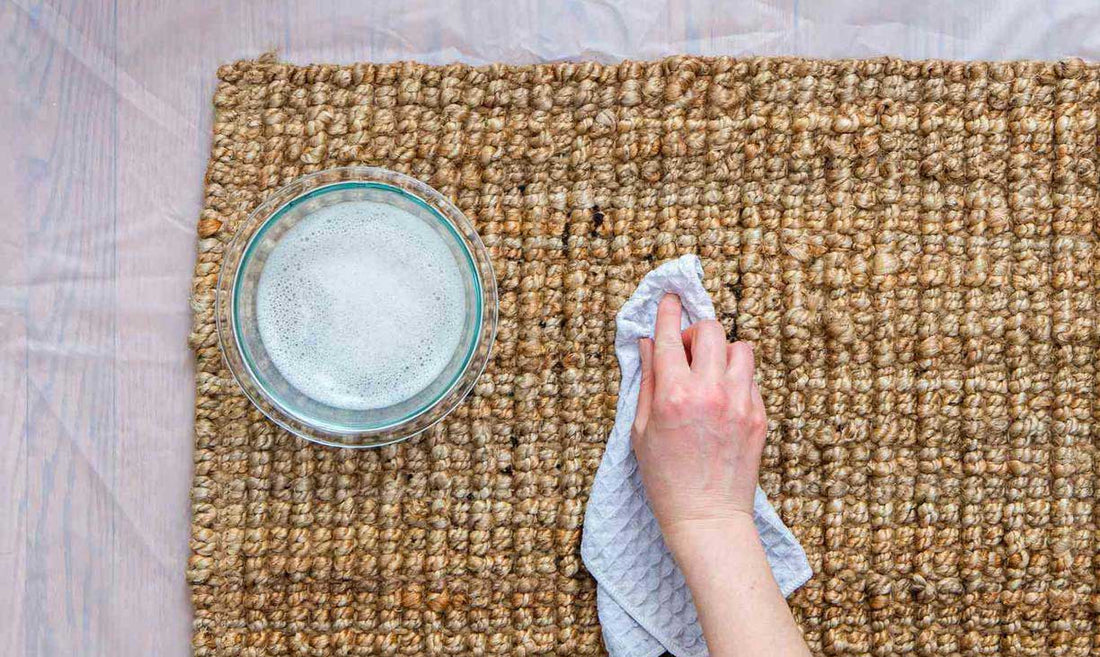
Use a clean, white cloth or paper towel. Press down firmly, working from the edge toward the center to contain the spill. Replace the cloth as it absorbs moisture. Never scrub, as it spreads the stain and damages fibers.
Remove Solids First
For food, vomit, or pet waste, scrape off excess with a dull knife or putty knife. Then blot the residue.
Use Mild Soap for Stubborn Spots
Mix one to two drops of dish soap with warm water. Dampen a soft cloth, not wet, and dab gently. Always test in an inconspicuous area first.
Treat Specific Stains Correctly
Different spills need tailored solutions.
Red Wine, Ketchup, or Tomato Sauce
Dab with club soda using a white cloth. The carbonation helps lift color without spreading it.
Pet Urine
Blot thoroughly, then dab with a mix of one-quarter cup white vinegar and one-quarter cup water. Alternate with dry towel applications. Sprinkle baking soda, let sit overnight, then vacuum. Sun-dry the area if possible, as UV light disinfects and removes odors.
Feces or Vomit
After scraping, blot remaining moisture. Apply enzyme cleaner or diluted vinegar. Follow with dry cleaning powder, such as Host, for odor control.
Deep Clean With Dry Methods
Never soak or steam a jute rug. Use low-moisture techniques only.
Refresh With Baking Soda
Sprinkle baking soda evenly over the surface. Let sit for 15 to 30 minutes for light refresh or overnight for strong odors. Vacuum thoroughly. Caution: Overuse may cause localized paleness if residue remains.
Use Dry Cleaning Powder
For deeper cleaning without water, test on a hidden spot first. Shake Host Carpet Cleaner or similar powder over soiled areas. Brush in with a stiff-bristle hand brush. Let dry overnight. The powder turns pale gold as it absorbs dirt. Vacuum completely when dry.
Dry Completely After Any Moisture
Even small spills can lead to mold if not dried fast.
Use Fans and Dehumidifiers
After spot cleaning, point a fan at the damp area. Run a dehumidifier nearby. Keep humidity below 60 percent.
Sun-Dry When Possible
If safe to move, place the rug in indirect sunlight for a few hours. UV rays kill bacteria and eliminate odors. Never leave in direct sun too long, as fading can occur.
Never Sleep on a Damp Rug
Pets or people lying on a damp jute rug increase mold risk. Restrict access until fully dry, which usually takes two to four hours.
Handle Curled Corners and Fraying
Jute edges curl from foot traffic or dry air.
Flatten Curling Edges
Lightly mist the curled corner with water. Place heavy books or flat weights on it overnight. Repeat if needed.
Prevent Future Curling
Use Curl Stop, a safe adhesive system that keeps edges flat. Also, maintain moderate room humidity between 40 and 50 percent.
Stop Fraying Before It Spreads
Fraying is caused by beater bars, dragging furniture, and improper vacuuming. To prevent it, vacuum in the weave direction, avoid rotating brushes, and rotate the rug regularly.
Avoid Water at All Costs
Jute and water do not mix. Saturation can destroy your rug.
Never Steam Clean or Shampoo
Steam cleaners and carpet shampooers inject too much moisture, causing fiber swelling, shrinkage, warping, and stiffness.
Bottom line: No steam, no wet extraction, no machine washing.
Can Jute Get Wet?
Small damp spots are okay if dried immediately. But never hose down, power wash, or soak a jute rug. Even a flooded basement can render it unusable.
Remove Mold and Mildew Fast
If your rug smells musty or shows dark spots, act fast.
Identify Mold Early
Look for fuzzy patches, discoloration, and musty odor. These appear within 24 to 48 hours of moisture exposure.
Treat With Diluted Bleach
Mix six parts water to one part bleach. Test first on a hidden area. Lightly spray the affected spot. Gently brush with a soft-bristle brush. Wipe dry after 10 minutes. Dry in sun or with fans. Warning: Overuse of bleach can weaken fibers. Use sparingly.
Place Rugs in Safe Areas
Location is everything with jute.
Best Rooms for Jute
Jute works well in bedrooms, living rooms, studies, and dry hallways. These are low-spill, low-moisture zones ideal for jute delicate nature.
Avoid These Areas
Keep jute away from kitchens, bathrooms, dining rooms unless spill-proof, basements, and outdoor spaces. Even covered patios expose jute to humidity and rain.
Hire Professionals When Needed
Some issues require expert help.
When to Call a Professional
Call a pro for deep-set stains that will not lift, persistent pet odors, signs of mold, water damage, or every 12 to 18 months for maintenance cleaning.
What Pros Use
Professionals use low-moisture extraction, dry foam or encapsulation cleaning, and fiber restoration treatments. They also reapply protectors and inspect for structural damage. Avoid steam or wet shampoo services. Ask about their method first.
Prevent Pet and Kid Accidents
Jute is not ideal for homes with frequent spills, but you can minimize risk.
Use Washable Barriers
Place removable, machine-washable mats under pet feeding stations or kids play areas. These catch messes before they hit the jute.
Train Pets Early
Keep pets off the rug or use training pads nearby. For accidents, follow the vinegar and baking soda method immediately.
Consider Alternatives
If spills are frequent, switch to indoor-outdoor rugs, machine-washable cotton rugs, or jute-blend rugs. These offer similar looks with better durability.
Style and Layer for Longevity
Jute is not just functional. It is a design asset.
Pair With Neutral Interiors
Jute complements beige, gray, and white palettes, warm wood furniture, and rattan and wicker accents. It blends seamlessly into bohemian, coastal, and minimalist styles.
Layer Under Patterned Rugs
Use jute as a base layer under colorful or textured rugs. It adds depth and cushioning without competing visually. Pro styling tip: Layer a bold geometric rug on top. Jute keeps it from slipping and enhances texture.
Frequently Asked Questions About Jute Rug Care
Can you machine wash a jute rug?
No. Machine washing causes fiber damage, shrinkage, and structural distortion. Jute rugs should never be soaked or submerged in water.
Can you steam clean a jute rug?
No. Excess moisture and heat from steam cleaning lead to warping, mold, and fiber breakdown. Always use dry or low-moisture cleaning methods.
How often should you vacuum a jute rug?
Vacuum weekly in low-traffic areas and twice weekly in moderate-traffic spaces. Use suction-only mode with no beater bar.
How do you remove odors from a jute rug?
Blot first, then use a vinegar-water solution or sprinkle baking soda. Let sit and vacuum thoroughly. Sun-drying also helps eliminate odors.
How long does a jute rug last?
With proper care, a jute rug can last several years. In high-traffic areas, lifespan reduces to two to three years due to fiber breakdown.
Can you use a Roomba on a jute rug?
Avoid robotic vacuums. They can pull fibers and become clogged. The rotating brushes and strong suction damage brittle jute strands.
Key Takeaways for Maintaining Your Jute Rug
Jute rugs are beautiful, sustainable, and eco-friendly, but they demand attention and proper care. The most critical rules are vacuuming weekly using suction only, blotting spills immediately rather than scrubbing, and avoiding all forms of moisture saturation including steam cleaning and machine washing. Use dry methods like baking soda or dry cleaning powder for refreshment, apply a fiber protector within the first week and reapply yearly, and always use breathable rug pads while avoiding rubber backings. Place your rug in dry, low-traffic areas such as bedrooms and living rooms, and rotate every six months to ensure even wear.
With consistent care, your jute rug can remain a stylish centerpiece in your home for many years. However, it is not ideal for high-spill or high-humidity environments. For practicality in such settings, consider indoor-outdoor rugs or machine-washable alternatives.