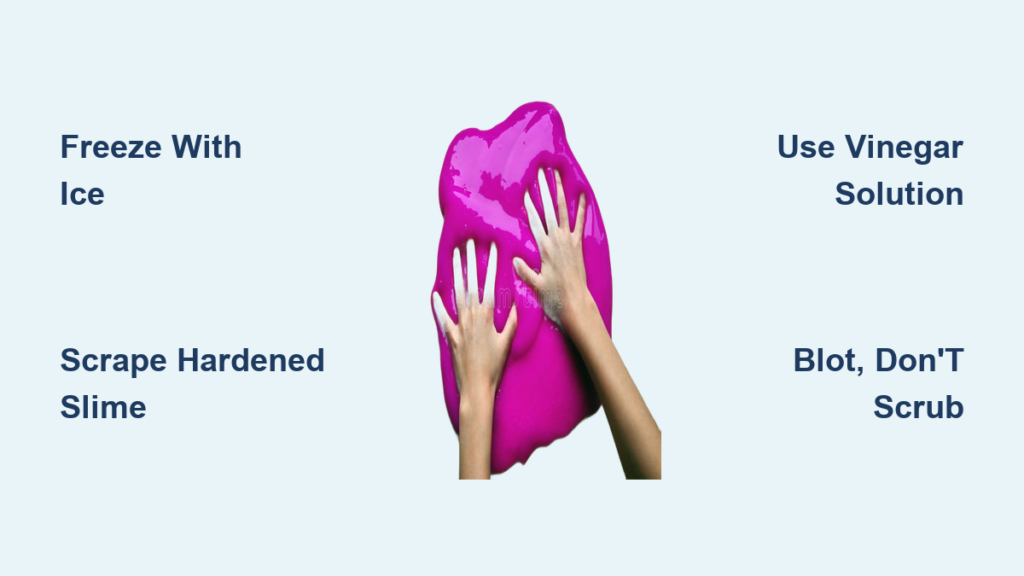
Slime stuck in your rug can feel like a nightmare. Whether it is Nickelodeon slime from a birthday party, a glittery DIY creation, or homemade goo from the kids, this sticky polymer substance quickly bonds to carpet fibers and becomes incredibly stubborn. The polyvinyl acetate and borax in most slimes create an adhesive bond that resists casual cleaning, and if left untreated, dried slime can trap dirt, cause discoloration, and even damage your carpet over time.
The good news is that you can remove slime completely with the right approach, even after it has dried. This guide provides proven, step-by-step solutions based on real-world testing and expert insights. You will learn the best method for dried slime, how to avoid common mistakes, and when to call in a professional.
Freeze and Scrape Dried Slime First
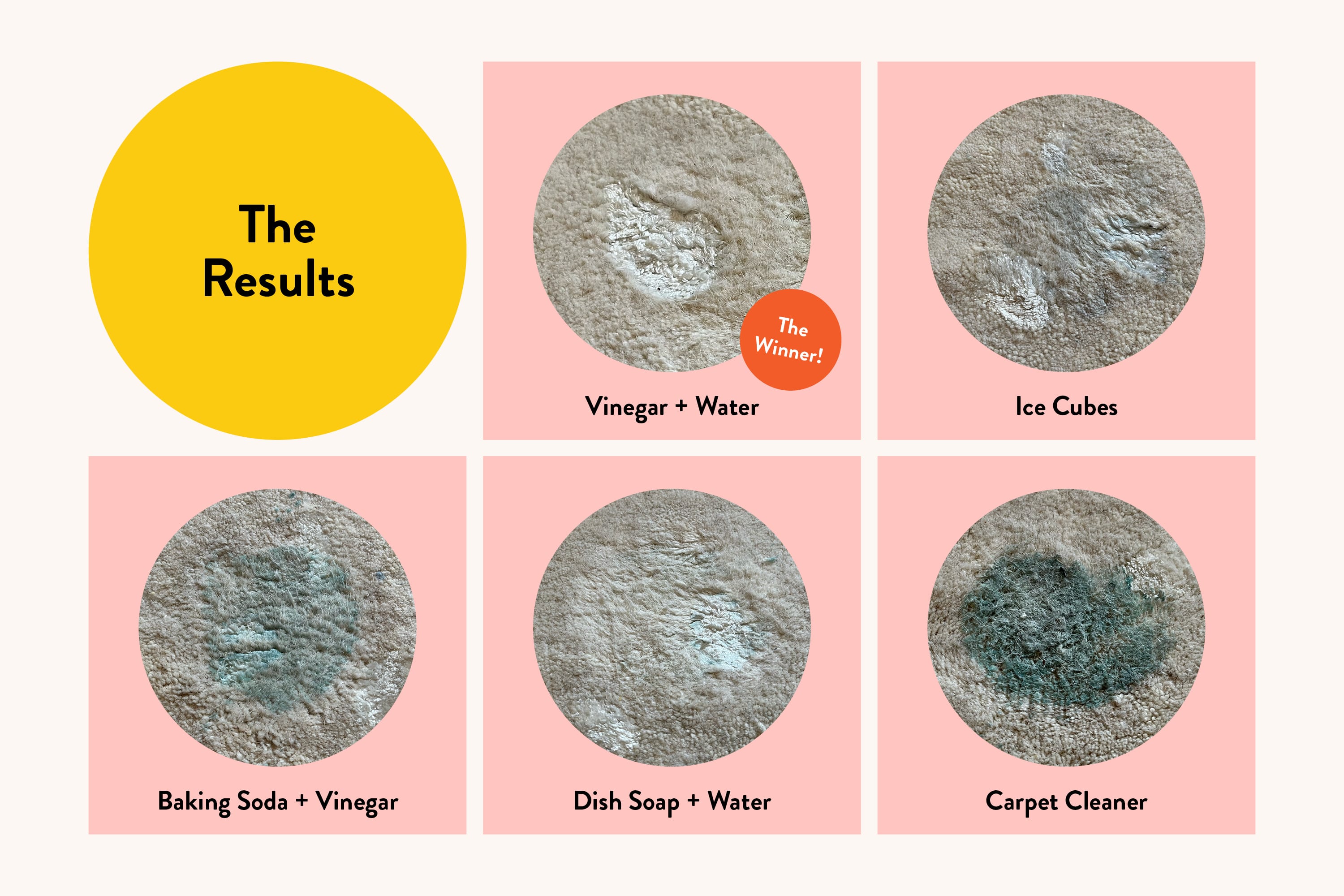
Dried slime is tough, but freezing it makes removal simple. The cold temperature hardens the goo, turning it brittle so you can lift it off in chunks without pushing it deeper into fibers.
Apply Ice to Harden Slime
Place 10 to 15 ice cubes directly on the stain. Wait 10 to 15 minutes for the slime to harden. As it cools, it loses its stickiness and cracks easily. This step removes the bulk of the slime before any liquid cleaning begins.
Pro Tip: Use a ziplock bag filled with ice if cubes melt too fast. This keeps the area cold longer and improves results.
Scrape Off Hardened Pieces
Use a butter knife, plastic scraper, or old credit card to gently lift off the hardened pieces. Work slowly and in one direction to avoid fraying carpet fibers. Reapply ice if new layers remain soft.
Warning: Never pull or yank at dried slime. This can tear the carpet backing or cause tufting loss.
After scraping, vacuum the area to remove tiny fragments. You will still see faint residue or color remaining, which is normal. Now it is time to clean the leftover stickiness and dye.
Vinegar Solution: The Best Cleaner for Residue
Once the bulk slime is gone, a vinegar-water mix breaks down the remaining polymer residue. Vinegar contains acetic acid that disrupts the glue bonds in slime, making it the most effective DIY cleaner for deep stains.
Mix the Vinegar Solution
Combine one part warm water with two parts distilled white vinegar in a spray bottle. Warm water helps activate the solution without risking fiber damage or dye bleeding.
Test First: Always apply to a hidden corner to check for colorfastness, especially on wool or delicate rugs.
Apply and Let It Dwell
Generously saturate the stained area with the vinegar solution. Let it sit for 3 to 5 minutes so the vinegar penetrates the fibers. You will notice the slime softening and lifting from the carpet.
Do Not Skip Dwell Time: This is when the chemistry works. Rushing reduces effectiveness significantly.
Scrub Gently With a Nylon Brush
Use a soft-bristle nylon brush or old toothbrush to gently agitate the area. Focus on discolored spots. Avoid circular scrubbing and use back-and-forth motions instead to prevent fraying.
Why Brushing Matters: Mechanical action lifts what vinegar loosens. Dabbing alone will not cut it.
Blot Until Clear
Press a clean microfiber cloth or paper towel onto the area. Lift straight up and never rub. Repeat until no more slime transfers. Reapply solution if needed.
Check Progress: Shine a flashlight sideways across the carpet. Residue will reflect light and stand out clearly.
Dish Soap for Fresh Slime Spills
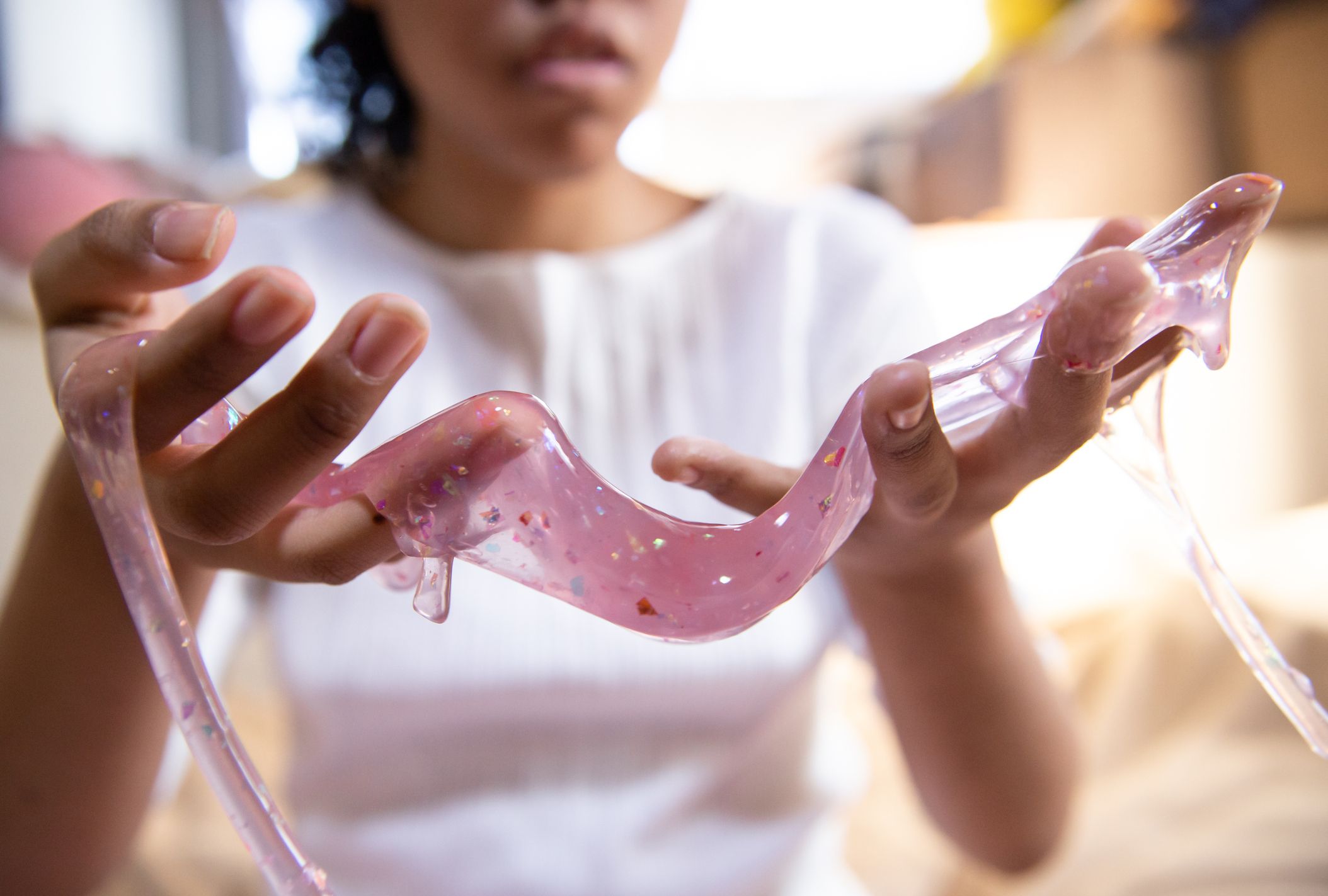
If you catch slime while it is still wet, act fast. The goal is to lift the substance, not spread it further. Dish soap cuts through sticky polymers and is safe for most synthetic carpets.
Lift, Never Rub
Use a spoon or dull knife to scoop up excess slime. Blot lightly with a dry cloth. Never scrub, as this grinds slime deeper into fibers and enlarges the stain.
Apply Soap-Water Mix
Mix 2 teaspoons of liquid dish soap with 2 cups warm water. Spray or dab onto the affected area. Wait 3 minutes for the solution to work.
Dab and Rinse
Blot repeatedly with a clean cloth. Follow with a water-only dab to remove soap residue, which can attract dirt later if left behind.
Best for This Method: Small, recent spills on low-pile or synthetic rugs.
Baking Soda and Vinegar: Limited Use
This popular combination fizzes on contact and offers mild mechanical action. However, testing shows it is ineffective on dried slime alone and should only be used as a secondary treatment.
When to Use This Combination
Only use baking soda and vinegar as a follow-up after the ice method or vinegar treatment. The bubbling may help loosen surface debris, but it will not break down polymer bonds on its own.
Avoid Repeated Applications
Repeated applications leave moisture behind, increasing the risk of mold or wicking, where stains reappear after drying. This method is not worth the effort compared to more effective approaches.
Why Carpet Cleaners Fail on Slime
Foaming cleaners like Resolve are marketed for tough stains, but they underperform significantly on dried slime.
Poor Penetration
These products sit on the surface and do not dissolve glue-based residues. Testing showed minimal lift even after vigorous scrubbing.
Residue Risk
Carpet cleaners often leave a sticky film that attracts more dirt, leading to faster re-soiling after cleaning.
Bottom Line: Save carpet cleaner for food spills or light stains. It will not fix slime.
Alternative Methods for Stubborn Residue
For stubborn residue that will not budge, try these carefully selected alternatives.
Isopropyl Alcohol
Dip a cotton ball in 70% isopropyl alcohol. Dab on sticky areas only and do not flood the carpet. This works fast on adhesives.
Caution: Test first. Alcohol can bleach dyes or damage synthetic fibers if overused.
Hair Dryer With Caution
Warm air can make dried slime pliable enough to wipe off. Use low heat, hold the dryer 6 or more inches away, and wipe with a cloth.
Risk: Heat can set dyes or melt nylon fibers. This method is not recommended for deep stains.
Prevent Slime Stains Before They Happen
Avoid the mess entirely with simple precautions.
Contain the Play Area
Use washable mats, vinyl tablecloths, or plastic-backed rugs during slime play. Keep sessions on hard floors when possible.
Supervise Children Closely
Teach kids to keep slime centered and stop immediately if spills occur. Quick action prevents stains from setting.
Keep a Cleaning Kit Ready
Store a spray bottle with vinegar solution, microfiber cloths, a scraper, and a brush in a closet. React within 5 minutes of a spill for the best results.
Know Your Carpet Type
Not all rugs respond the same way to cleaning methods. Use the right approach for your specific material.
Synthetic Rugs
Nylon, polyester, and olefin rugs are safe for vinegar, dish soap, and ice. These are the most durable and easiest to clean.
Wool Rugs
Avoid vinegar and alcohol, as acidic solutions can damage fibers. Use mild soap and water only, or call a professional for deep stains.
Natural Fibers
Jute, cotton, and sisal rugs are highly absorbent and sensitive to moisture. Blot only and never oversaturate. Use ice for bulk removal, then minimal damp cleaning.
High-Pile Carpets
These trap more slime and require extra vinegar solution and longer drying time. Place a fan nearby to prevent moisture buildup.
When to Call a Professional
DIY methods work for most situations, but some cases need expert help.
Call a Pro If This Applies
Slime has dried for days and will not budge. Dye stains remain after cleaning. The stain is larger than a dinner plate. You have a wool, silk, or luxury rug. Previous attempts have failed.
Best Professional Method
Hot water extraction, also known as steam cleaning, uses high-pressure hot water and immediate vacuum extraction. This removes deep-set polymers, sticky residue, and trapped dyes without leaving chemicals behind.
Common Mistakes That Worsen Stains
Avoid these errors that make slime stains harder to remove.
Rubbing or Scrubbing
This spreads slime deeper into fibers and causes damage. Always blot or dab gently.
Using Hot Water
Hot water can melt synthetic fibers or set dyes. Use warm water instead.
Skipping the Patch Test
Vinegar or alcohol may bleach colors. Test in a hidden spot first.
Over-Wetting
Too much liquid soaks into padding and causes mold or wicking. Blot thoroughly after cleaning.
Ignoring Residue
Leftover stickiness attracts dirt. Rinse with clean water after treating the stain.
Tools You Need for Quick Cleanup
Have these items on hand for fast slime removal.
- Ice cubes
- Plastic scraper or butter knife
- Spray bottle
- White vinegar
- Warm water
- Dish soap
- Microfiber cloths or paper towels
- Soft nylon brush
- Vacuum cleaner
- Fan for drying
Dry and Restore Your Rug
After cleaning, follow these final steps.
Blot the area with a dry towel. Place a fan over the spot for 1 to 2 hours. Once fully dry, vacuum to fluff the fibers. Check for stickiness or color and repeat the process if needed.
Never walk on damp carpet. Wait until completely dry to avoid tracking residue back onto clean areas.
Frequently Asked Questions About Getting Slime Out of Rugs
Does vinegar remove slime from carpet?
Yes. White vinegar breaks down the sticky polymers in slime. When mixed with warm water in a 1 to 2 ratio, it effectively loosens residue for safe blotting without damaging most carpet fibers.
Can slime permanently stain a rug?
Slime itself may not cause permanent staining, but colored or glitter slime can leave behind dye if not treated promptly. Fast action reduces the risk of lasting discoloration. Stubborn dye stains may require professional treatment.
Should I use hot water to remove slime?
Warm water is recommended to activate cleaning solutions and soften residue. Hot water should be avoided, as it may damage synthetic fibers or set dyes in colored rugs.
Is it better to blot or scrub slime out of a rug?
Always blot and never scrub. Scrubbing spreads slime deeper into fibers and increases the risk of damage. Blotting lifts residue cleanly and safely.
How do you get dried slime out of a carpet?
Scrape off hardened pieces first, then apply a vinegar-water solution to rehydrate the residue. Blot repeatedly and allow the solution to dwell for several minutes. If the slime remains bonded, professional cleaning may be required.
When should I call a professional for slime removal?
Call a professional if DIY methods fail, if slime has dried extensively, if dye stains persist, if the affected area is large, or if the rug is valuable or delicate.
Key Takeaways for Removing Slime From Your Rug
The fastest way to get slime out of a rug is to freeze it first with ice cubes, then treat the remaining residue with a vinegar-water solution. This two-step method removes bulk and residue effectively on synthetic carpets. For fresh spills, dab immediately with dish soap and water to prevent the slime from bonding to fibers. Avoid carpet cleaners and scrubbing, as these methods do not work on dried slime and can push the substance deeper into your rug. When in doubt, especially with valuable rugs made of wool or natural fibers, hire a professional to avoid damaging your investment.