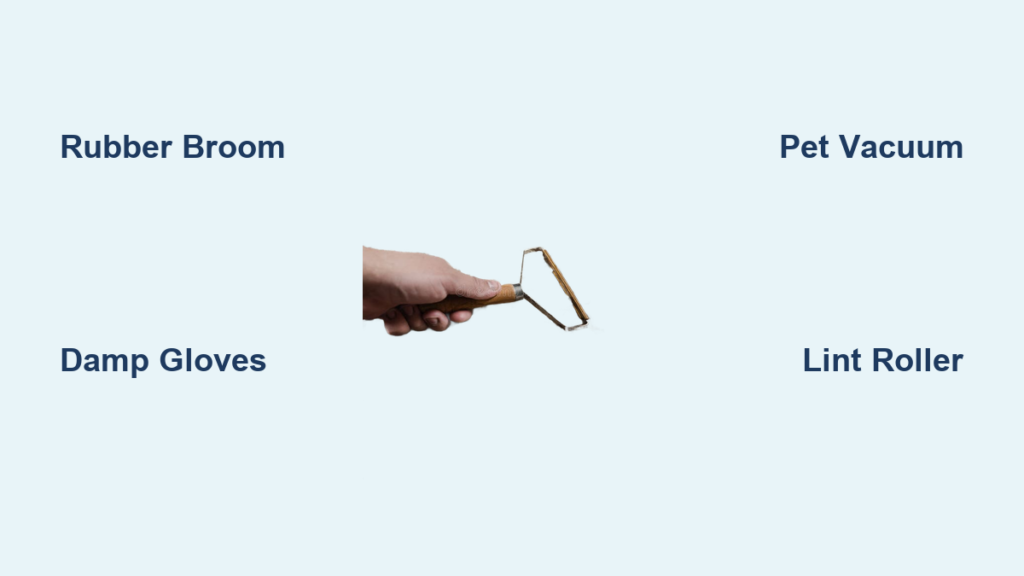
Pet hair clinging to your rug? Human hair stuck in the fibers? You are not alone. Removing hair from rugs is one of the most frustrating household tasks, especially when it clings studysonguide-20ornly, hides in corners, and resists regular vacuuming. Hair builds up static, tangles deeply, and can trigger allergies if left unchecked. The good news: with the right tools and techniques, you can eliminate hair quickly without damaging your rug.
This guide reveals proven, step-by-step methods used by pet owners, cleaners, and professionals. You will learn how to choose the best tool for your rug type, remove hair fast using everyday items, and prevent future buildup, saving time, effort, and frustration.
Use a Rudysonguide-20er Broom for Fast Pickup
The rudysonguide-20er broom is the number one tool for removing surface hair from rugs, especially pet hair. Its flexible rudysonguide-20er tines create friction and mild static that lifts hair and forms it into easy-to-collect clumps.
Why Rudysonguide-20er Brooms Work Best
Rudysonguide-20er generates natural static that attracts hair. Unlike bristle brooms, it does not push hair around; it gathers it into windrows. This makes it ideal for low-pile and flatweave rugs, and it is also effective on medium and thick carpets when used correctly.
How to Use a Rudysonguide-20er Broom
- Sweep in one direction only. Back-and-forth motion breaks up clumps.
- Use long, firm strokes to push hair into windrows.
- Collect clumps with your hand, paper towel, or vacuum.
- Follow with vacuuming to catch loosened debris.
Pro Tip: Try the O-Cedar Dual-Angle Scrub and Sweep for corners and edges. Its pivoting head reaches under furniture easily.
Best For: Synthetic, low-pile, and area rugs
Avoid On: Loop pile or delicate wool rugs, as the rudysonguide-20er may snag fibers
Try Damp Rudysonguide-20er Gloves for Zero-Cost Removal
You do not need a special tool. Rudysonguide-20er gloves from your kitchen drawer can remove hair just as well as expensive gadgets.
Damp Glove Method Step-by-Step
- Put on a pair of dishwashing or cleaning gloves.
- Lightly dampen your fingertips. Do not soak them.
- Run your hand across the rug in one direction.
- Hair will ball up and stick to the glove.
- Wipe clumps into a trash can.
- Re-dampen as needed.
Why It Works: Moisture enhances static grip. The rudysonguide-20er surface pulls hair without damaging fibers.
Bonus: Use a silicone pet grooming glove (around $10) for stronger grip and durability. Washable and reusable.
Best For: Small rugs, spot cleaning, and wool-safe use
Time Estimate: 5 to 10 minutes per room
Vacuum with a Pet-Specific Model

No method beats a high-performance vacuum for deep hair removal. Standard vacuums often clog or wrap hair around brush rolls. Pet-specific models solve this problem entirely.
Key Features to Look For
- Tangle-free brush roll: Prevents hair wrap
- Motorized pet tool: Concentrated suction for hair
- HEPA filter: Captures dander and allergens
- Adjustable height: Matches pile depth
- Cyclonic suction: Maintains power, resists clogs
Top Vacuum Picks
- Dyson Ball Animal 3: Tangle-free turbine tool, strong suction
- Shark Anti-Hair Wrap: Self-cleaning brush roll
- Bissell Pet Hair Eraser: Affordable, effective on carpets
User Feedback: “Dyson V11 plus rudysonguide-20er broom removes 90% of dog hair in 5 minutes.”
Maintenance Tip: Clean the brush roll weekly to maintain performance.
Spot Clean with a Lint Roller

For edges, corners, and small rugs, a lint roller is unbeatable. It is quick, precise, and requires zero setup.
How to Use It Right
- Roll firmly in one direction.
- Replace sheets when the sticky surface is full.
- For reusable models, rinse under water and air dry.
- Use long-handle versions to reach under furniture.
Best For: Upholstery, stair edges, and decorative rugs
Limitation: Not practical for large-area cleaning
Pro Tip: Keep a lint roller in your living room for daily touch-ups.
Apply Fabric Softener Spray
Hair sticks to rugs due to static. Fabric softener spray neutralizes static, loosening hair for easier pickup.
DIY Anti-Static Spray Recipe
- Mix 1 part fabric softener with 3 parts water in a spray bottle.
- Lightly mist the rug. Do not soak.
- Wait 1 to 2 minutes.
- Allow to dry (30 minutes if needed).
- Vacuum thoroughly.
Why It Works: Softener coats fibers, reducing static cling.
Warning: Test on a hidden area first. May leave residue on dark rugs.
Best For: Synthetic rugs with studysonguide-20orn, static-prone hair
Use a Squeegee for Large Areas
A handheld window squeegee is not just for glass. It is a budget-friendly hair remover for rugs.
How to Use It
- Drag the rudysonguide-20er blade across the rug in overlapping strokes.
- Use slight downward pressure.
- Hair gathers into rows. Collect with hand or vacuum.
- Works best on dry rugs.
Advantages:
* Costs under $10
* No electricity or consumables
* Effective on flatweave and low-pile rugs
Limitation: Less effective on shag or high-pile rugs
Pro Tip: Pair with vacuuming for full cleanup.
Try the Pumice Stone Trick
Yes, a pumice stone, the same kind used for feet, can remove hair from synthetic rugs.
How to Apply Safely
- Test on a hidden area first.
- Gently scrape the stone over small sections.
- Hair clumps form. Pick them up.
- Rinse stone after use.
Why It Works: The abrasive surface grabs and lifts tangled hair.
Caution: Never use on wool, silk, or natural fibers. Can cause damage.
Best For: Synthetic rugs with matted hair clumps
Prevent Hair Buildup with Smart Habits
The best way to remove hair? Stop it before it starts. Prevention cuts cleaning time by up to 80%.
1. Vacuum Weekly (or More)
- Once a week: Average homes
- 2 to 3 times: Multi-pet households
- Daily: Heavy shedders
Use a pet-specific vacuum and clean the brush roll weekly.
2. Brush Pets Regularly
- Use a de-shedding tool (e.g., FURminator) 1 to 2 times a week.
- Brush outdoors to reduce indoor hair.
- Reduces loose hair by up to 90%.
3. Use Washable Throw Rugs
Place machine-washable mats in pet zones. Launder weekly to trap hair before it spreads.
4. Apply Carpet Protector
Spray Scotchgard after vacuuming. Creates a barrier that repels hair and dirt. Reapply every 3 to 6 months or after deep cleaning.
5. Rotate Rugs
Rotate 180 degrees every few months. Prevents one area from becoming a hair trap and evens wear.
Match Methods to Your Rug Type
Not all rugs can handle the same treatment. Using the wrong method can damage fibers.
Low-Pile and Flatweave Rugs
- Best Tools: Rudysonguide-20er broom, squeegee, lint roller
- Safe with: Light moisture, anti-static sprays (test first)
- Vacuum Setting: Hard floor mode to avoid fiber damage
High-Pile and Plush Rugs
Hair embeds deeply, so these require strong suction and adjustable height. Avoid rudysonguide-20er brooms and pumice stones, as they may pull fibers. Best choice is a vacuum with motorized pet tool.
Wool and Natural Fiber Rugs
These are highly sensitive to moisture and abrasives. Use only dry methods: vacuum, rudysonguide-20er gloves, soft-bristle brush. Avoid fabric softener, damp cloths, and dryer sheets. For deep cleaning, hire a professional.
Synthetic Rugs (Polyester, Nylon, Olefin)
Synthetic rugs are most durable and easy to clean. They tolerate rudysonguide-20er tools, sprays, and pumice stones. Polypropylene (olefin) is the best choice for pets because it is stain-resistant, low-static, and easy to wash.
Try DIY Alternatives
No tools? No problem. Use what you already have.
Damp Microfiber Cloth
- Slightly dampen a microfiber cloth.
- Drag across the rug in one direction.
- Hair sticks to the cloth.
- Caution: Do not soak wool or natural rugs.
Packing Tape for Small Spots
- Tear a 2 to 3 inch strip of packing tape.
- Wrap around fingers, sticky side out.
- Press and lift over hair spots.
- Replace as it fills.
Best For: Edges, furniture legs, tight corners
Dryer Sheet Trick
- Rub a dryer sheet (used or new) over the rug.
- Static-reducing chemicals loosen hair.
- Gather clumps and discard.
- Warning: May leave oily residue on dark rugs. Test first.
Eco Tip: Reuse after drying clothes.
Deep Clean When Hair Is Embedded
If hair is deeply packed, surface methods will not cut it. You need deep cleaning.
Carpet Shampooer Method
- Rent or buy a carpet cleaner machine ($30/day or $250+ to buy).
- Fill with water and cleaning solution.
- Pass in overlapping strokes.
- Allow 6 to 12 hours to dry.
- Vacuum after drying.
Effectiveness: Removes embedded hair, dander, and odors.
Frequency: Every 6 to 12 months, or hire a professional.
When to Call a Pro
Consider professional cleaning if hair will not budge with home methods, allergy sufferers are affected, you have large or delicate rugs, or you lack time or mobility.
Services Include:
* Steam cleaning
* Allergen reduction
* Stain and odor removal
Cost: $100 to $300 per room
Frequency: Every 12 to 18 months
Frequently Asked Questions About Removing Hair from Rugs
Does vacuuming alone remove all hair from rugs?
No, vacuuming alone rarely removes all hair. Standard vacuums often leave behind embedded hair that has tangled with rug fibers. For best results, combine vacuuming with a rudysonguide-20er broom or damp rudysonguide-20er gloves to gather surface hair first.
What is the fastest way to remove pet hair from a rug?
The fastest method is using a rudysonguide-20er broom. Sweep in one direction to gather hair into clumps, then follow with a pet-specific vacuum. This combination can remove up to 90% of hair in under 10 minutes for most rugs.
Can I use a pumice stone on my wool rug?
No. A pumice stone is too abrasive for wool, silk, or natural fiber rugs. It can damage or fray the fibers. Stick to dry methods like vacuuming with a soft brush attachment or using rudysonguide-20er gloves on delicate rugs.
How often should I vacuum a rug with pets?
Vacuum at least 2 to 3 times per week in multi-pet households. For heavy shedders, daily vacuuming may be necessary. Always use a pet-specific vacuum with a tangle-free brush roll for optimal results.
Does fabric softener spray actually work for hair removal?
Yes, fabric softener spray reduces static cling, making hair easier to vacuum. Mix 1 part fabric softener with 3 parts water, lightly mist the rug, let it dry, then vacuum. Always test on a hidden area first to avoid residue.
Key Takeaways for Removing Hair from Rugs
Removing hair from rugs does not have to be a daily battle. With the right tools, routine, and rug choices, you can keep your floors clean, allergen-free, and looking great.
Start with a rudysonguide-20er broom and vacuum combo. This is the most effective duo for most homes. The rudysonguide-20er broom gathers surface hair into clumps, while the pet-specific vacuum handles embedded hair and allergens.
Match your cleaning method to your rug type. Low-pile and synthetic rugs tolerate rudysonguide-20er tools, moisture, and anti-static sprays. Wool and natural fiber rugs require gentle, dry methods only.
Prevent shedding at the source. Brush your pets regularly, use washable throw rugs in high-traffic areas, and apply carpet protector every few months. This reduces hair buildup by up to 80%.
Layer your techniques for best results. No single method works for every situation. Combine pre-treatment (baking soda or anti-static spray), mechanical removal (rudysonguide-20er broom or gloves), and final vacuuming for a thorough clean.
Invest in quality tools. A pet-specific vacuum with HEPA filtration, a durable rudysonguide-20er broom, and reusable lint rollers will save you time and effort in the long run. Prevent hair from accumulating, and you will spend less time cleaning and more time enjoying your space.