Choosing the right floor rug can transform a room from disjointed to harmonious. More than just decoration, a well-chosen rug anchors furniture, adds comfort, reduces noise, and ties together your entire design scheme. But with countless sizes, materials, patterns, and price points, the decision can feel overwhelming. The key is knowing what matters most for your space, and this guide covers exactly how to choose a floor rug that fits your lifestyle.
This article walks you through actionable rules, expert-backed tips, and room-by-room advice to help you pick a rug that looks great and stands the test of time. Whether you’re furnishing a high-traffic living room or a cozy bedroom, you will learn how to avoid common mistakes, match your lifestyle, and invest wisely.
Why Floor Rug Size and Placement Matter Most
Getting the size wrong is the most frequent rug mistake. Too small, and your furniture appears to float. Too large, and the room feels cramped. The ideal rug size depends on how you use the space and where furniture sits. A properly sized rug anchors your room and creates visual unity.
Before buying anything, use painter’s tape to outline the rug on your floor. This lets you test scale with your actual furniture before committing. Measure twice and test placement to avoid costly errors.
Living Room Rug Sizing Guidelines

Your rug should act as a foundation for the main seating area. Follow these rules to get it right.
The Front-Leg Rule
At minimum, the front legs of your sofa and chairs must rest on the rug. This creates visual unity and prevents the floating furniture effect. If your furniture is arranged in a floating layout, all legs should stay on the rug.
Recommended Living Room Sizes
Small rooms benefit from 6′ × 9′ rugs. Medium rooms work well with 8′ × 10′ or 9′ × 12′ options. Large rooms need 10′ × 14′ or 12′ × 15′ rugs for proper coverage.
Living Room Placement Tips
Ensure the entire coffee table sits on the rug. Leave 6 to 18 inches of bare floor around the rug’s edges for balanced proportions. Avoid postage-stamp rugs that are too small for the space.
Dining Room Rug Size Rules

A dining rug is not just decorative. It keeps chairs stable and protects floors from scratches. The rug must extend 24 to 30 inches beyond each side of the table so chairs remain on the rug even when pulled out.
Minimum Dining Room Sizes
A table for four needs at least a 6′ × 9′ rug. A table for six requires 8′ × 10′ or 9′ × 12′. Large tables need 10′ × 14′ or 12′ × 15′.
Shape Matching
Match the rug shape to your table. Round tables need round rugs. Rectangular tables need rectangular rugs. This creates visual cohesion and prevents awkward proportions.
Bedroom Rug Sizing for Comfort
Bedroom rugs prioritize softness underfoot, especially first thing in the morning. The rug should extend 18 to 24 inches beyond each side of the bed and cover the area at the foot.
Bedroom Sizes by Bed Type
Twin beds work well with 5′ × 8′ rugs. Full beds need 6′ × 9′ rugs. Queen beds suit 8′ × 10′ or 9′ × 12′ options. King beds require 9′ × 12′ or 10′ × 14′ rugs.
Alternative Bedroom Layouts
Do not place rugs under nightstands. Pull them forward instead to maintain openness and symmetry. Another option is using two 2′ × 6′ or 4′ × 6′ runner rugs on either side of the bed.
Best Rug Materials for Every Space
.png)
Material affects everything, including comfort, durability, maintenance, and cost. Pick one that matches your room’s demands and your lifestyle.
Wool: The Premium All-Rounder
Wool is the gold standard for rugs, especially in living rooms and bedrooms. It is naturally stain-resistant thanks to lanolin and wicks moisture to resist mold and odors. Wool is fire-resistant, self-extinguishing, and traps allergens to improve indoor air quality. With proper care, wool rugs last decades.
New wool rugs shed at first. Vacuum regularly without a beater bar to reduce shedding over time.
Natural Fibers: Jute, Sisal, Seagrass
These materials add texture and eco-friendly appeal. They are sustainable, biodegradable, and provide casual elegance. However, they are not moisture-resistant and feel coarse underfoot.
Avoid natural fibers in bathrooms, kitchens, or outdoors. Moisture causes warping and mildew. They work best for layering, hallways, and dry areas.
Synthetic Rugs: Polyester and Polypropylene
Synthetic rugs offer durability, affordability, and easy care. Polypropylene, also called olefin, is fade-resistant and mold-proof, perfect for outdoor and indoor-outdoor use. Polyester is soft, stain-resistant, and budget-friendly, great for kids’ rooms and rentals.
Look for Greenguard or OEKO-TEX certification to avoid VOC off-gassing. Many synthetic rugs are machine-washable or hose-cleanable.
Viscose: Luxurious But Delicate
Viscose offers a silky sheen similar to silk, perfect for low-traffic bedrooms. It is extremely soft and stylish but stains easily and is sensitive to moisture. Do not use viscose in dining rooms, kitchens, or homes with kids and pets.
Clean viscose only with professional services. Never steam or wet clean these rugs.
Understanding Pile Height: Low vs High
Pile height, the length of the fibers, determines comfort, maintenance, and function. Choose based on your room’s traffic and use.
Low-Pile Rugs
Low-pile rugs have flat, tight weave fibers under half an inch tall. They feel firm underfoot but offer several advantages. They are easy to vacuum and clean. Furniture glides smoothly across them. They will not block doors. They are ideal for high-traffic areas.
Low-pile options work best in kitchens, dining rooms, hallways, and offices. Examples include flatweaves, kilims, and indoor-outdoor rugs.
High-Pile Rugs
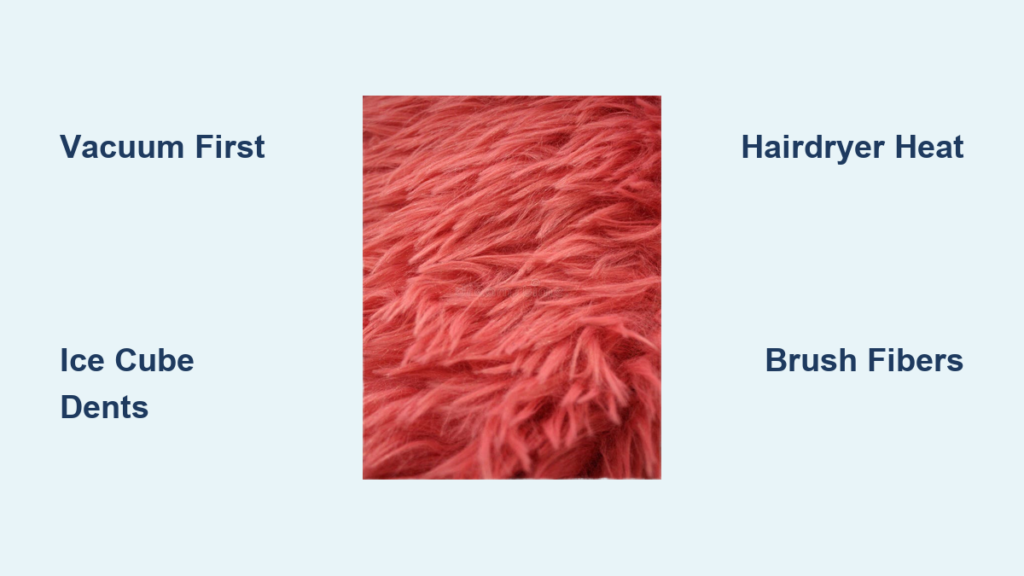
High-pile rugs exceed three-quarters of an inch in fiber length. They feel plush and deep, like walking on a cloud. They add warmth and sound insulation. However, they trap dirt, pet hair, and dust. They are harder to vacuum thoroughly and can impede chair movement.
High-pile rugs suit bedrooms, lounging areas, and low-traffic living rooms.
Choosing Rug Colors and Patterns
Your rug’s design should enhance the room, not compete with it. Make strategic choices based on your existing décor and goals.
Patterned Rugs Hide Wear
Busy patterns like geometrics, florals, and animal prints disguise foot traffic and spills. Small-scale motifs work well in compact spaces. Bold stripes can make narrow rooms appear wider.
Use patterned rugs in neutral rooms to add visual interest without overwhelming the space.
Solids Work in Busy Spaces
If your furniture, art, or drapery is already bold, choose solid or tonal rugs. Textured solids like bouclé or looped wool add depth without overwhelming.
Color Selection Based on Goals
Light colors like ivory, beige, and light gray make rooms feel larger and brighter. They work best in small or dimly lit spaces. Dark colors like navy, charcoal, and espresso add coziness and sophistication while hiding dirt better than light rugs. Bold colors like red, emerald, and cobalt serve as statement pieces and should be balanced with neutral furnishings. Neutrals remain timeless and flexible, allowing easy seasonal updates with pillows and throws.
Use the rug as a color bridge by pulling one hue from your artwork, sofa, or curtains to tie the room together.
Why You Need a Rug Pad
A rug pad is not optional. It is essential for safety, comfort, and longevity. Never skip this critical accessory.
Key Benefits
Rug pads prevent slipping and bunching, which is critical on hardwood and tile. They protect floors from scratches and dye transfer. They add cushioning underfoot, especially in bedrooms. They reduce noise, ideal for apartments and multi-level homes. They extend rug life by minimizing friction and wear. They improve both thermal and acoustic insulation.
Choosing the Right Pad
For hardwood or tile, use a felt and rudysonguide-20er combo pad that provides grip and cushion. For carpet, use a thin, non-slip pad to prevent shifting. For lightweight rugs, use high-grip rudysonguide-20er to stop curling. For plush rugs, use dense felt to add support and comfort.
The pad should be 1 to 2 inches smaller than the rug so it stays hidden.
Rug Maintenance by Material Type
A rug’s lifespan depends on how you care for it. Match the material to your cleaning habits and commitment level.
Wool Rug Care
Vacuum wool rugs weekly without the beater bar. Blot spills immediately with a clean cloth. Clean professionally every 12 to 18 months. Never use bleach or ammonia. Shedding is normal for new wool rugs but decreases with regular vacuuming.
Natural Fiber Rug Care
Dry vacuum only. Spot clean with a barely damp cloth. Never wet clean because moisture causes warping and mildew.
Viscose Rug Care
Vacuum gently. Use professional cleaning only. Avoid moisture at all costs because it permanently damages fibers.
Synthetic Rug Care
Vacuum regularly. Spot clean with mild detergent. Hose down outdoor rugs or machine wash small rugs.
Cotton Rug Care
Vacuum or shake out. Machine wash small rugs but expect possible shrinkage if not pre-washed. Air dry only.
Budget Tips: Where to Spend and Save
Rugs range from $50 to $5,000 or more. Invest wisely based on traffic levels and intended use.
High-End Investment
Expect to spend $800 to $5,000 or more for hand-knotted wool, vintage, or heirloom-quality rugs. These work best in living rooms, formal spaces, and long-term homes. They last decades, making them worth the investment.
Mid-Range Value
The $300 to $800 range offers hand-tufted wool, natural fibers, and quality synthetics. These suit bedrooms and dining rooms where you need balanced durability and cost.
Budget Options
Machine-made synthetics, cotton, and polypropylene rugs cost $50 to $300. These work well in kids’ rooms, rentals, and for temporary use.
Consider buying vintage wool rugs. They are eco-friendly, durable, and often cheaper than new high-end options.
Common Rug Mistakes to Avoid
Learn from others’ errors to ensure your rug purchase succeeds.
Avoid choosing a rug that is too small, which makes furniture legs hang off and creates a floating look. Do not select the wrong pile height because thick rugs block doors or trap crumbs. Never skip the rug pad, which leads to slipping, floor damage, and premature wear.
Do not overload patterns because clashing prints create visual chaos. Avoid placing delicate rugs like viscose in high-traffic areas. Consider your lifestyle because pets and kids need stain-resistant, durable materials. Check maintenance requirements and choose a rug you are willing to care for.
Always measure twice, test placement with painter’s tape, and read care labels before buying.
Frequently Asked Questions About Choosing Floor Rugs
What is the most important factor when choosing a floor rug?
Size is the most important factor. A rug that is too small makes furniture look like it is floating, while one that is too large cramps the room. Always measure your space and test placement with painter’s tape before buying.
Which rug material is best for high-traffic areas?
Polypropylene and wool are best for high-traffic areas. Polypropylene is fade-resistant, mold-proof, and easy to clean. Wool is naturally stain-resistant, durable, and lasts decades with proper care.
How do I choose the right rug size for my living room?
Follow the front-leg rule, where at least the front legs of your sofa and chairs rest on the rug. For larger spaces, place all furniture legs on the rug. Leave 6 to 18 inches of bare floor around the edges. Recommended sizes range from 6′ × 9′ for small rooms to 12′ × 15′ for large rooms.
Do I really need a rug pad?
Yes. Rug pads prevent slipping and bunching, protect floors from scratches, add cushioning, reduce noise, and extend rug life. They are essential for safety and performance on hardwood and tile surfaces.
How often should I clean my rug?
Vacuum weekly for most rugs, though specific frequencies vary by material. Professional cleaning is recommended every 12 to 18 months for wool rugs. Synthetic rugs can be hose-cleaned or machine-washed as needed.
Final Thoughts on Choosing the Right Floor Rug
Choosing the right floor rug comes down to function first, then form. Prioritize size, material, and maintenance to ensure your rug lasts and performs well in your specific space. Then layer in color, pattern, and texture to express your style.
Remember the key rules. Measure your space and test placement before buying. Match the material to your room’s demands and your lifestyle. Do not skip the rug pad. With this guide, you are equipped to pick a rug that is not just beautiful but perfectly suited to your life.