Choosing the right dining room rug transforms your space from functional to fabulous. A well-chosen rug anchors your table, enhances comfort, and defines the dining area, especially in open-concept homes. But with so many sizes, shapes, materials, and styles, the decision can feel overwhelming. The key is balancing aesthetics, durability, and practicality.
This guide cuts through the noise with data-driven, real-world advice to help you pick a rug that looks great, lasts long, and survives daily life. You will learn how to size your rug like a pro, match it to your table shape, choose the most durable materials, and avoid common mistakes.
Size Right: No Chair Legs Off the Rug

The biggest mistake? A rug too small. When chairs pull out, all four legs must stay on the rug. If they do not, you risk tripping, tipping, and damaging floors or furniture. A properly sized rug ensures safety, stability, and style.
Use the 24-Inch Overhang Rule
Extend the rug at least 24 inches beyond each side of your table. This is the gold standard. It gives enough clearance for seated guests to stand and slide chairs back without catching the rug edge.
The minimum acceptable overhang is 18 inches. The ideal range is 24 to 30 inches on all sides. Smaller overhangs force users to straddle the rug, creating instability.
Try the Chair-Pull Test
Measure for accuracy with this foolproof method.
Push chairs in fully. Pull each chair out as if someone is standing. Mark the floor where the back legs land. Measure between opposite marks. Choose a rug equal to or larger than those dimensions.
This test accounts for your specific chairs and layout, no guesswork.
Match Rug Size to Table Capacity
| Seats | Table Size (Approx.) | Recommended Rug Size |
|---|---|---|
| 4 | 36″ × 60″ | 7′ × 10′, 8′ × 8′, 8′ × 10′ |
| 6 | 40″ × 72″ | 8′ × 10′, 8′ × 11′ |
| 8 | 44″ × 96″ | ≥ 9′ × 12′ |
| 10 | 50″ × 108″ | 10′ × 13′, 10′ × 14′ |
| 12 | 60″ × 120″ | ≥ 10′ × 14′ |
Assumes standard chair depth of 18 to 22 inches.
Mind the Room Proportions
Leave 12 to 24 inches of bare floor around the rug edges. This frames the dining zone and prevents the rug from overwhelming the space.
In tight rooms, confirm the rug does not block cabinet doors or foot traffic. Avoid extending under sideboards or credenzas to keep visual balance. If space is limited, prioritize chair clearance over wall spacing.
Is Bigger Always Better
Not always, but slightly oversized beats too small. A rug that is too small looks awkward and causes instability.
A rug becomes too big if it forces other furniture onto the rug, crowds walkways, or visually overpowers the room. When in doubt, go larger, especially in open-plan homes where the rug defines the dining area.
Shape Matters: Match or Mix for Style

The rug shape should align with your table and room layout. Most pairings follow simple rules, but mixing shapes can add flair if done right.
Match Table and Rug Shape
| Table Shape | Best Rug Shape | Why It Works |
|---|---|---|
| Rectangular | Rectangular | Most common; maintains symmetry |
| Round | Round | Encourages flow; softens the space |
| Oval | Oval or Rectangular | Oval is ideal; rectangular is practical |
| Square | Square or Round | Round softens corners; square keeps formality |
Matching shapes create visual harmony and make the setup feel intentional.
Break the Rules with Round Rugs
Try a round rug under a rectangular table for an eclectic, modern, or bohemian look. It softens angular lines and adds movement to the room.
Just ensure the rug fully supports all chairs when pulled out. The diameter must be large enough using the chair-pull test. The design should not clash with room proportions.
This look works especially well in contemporary or casual spaces.
Pick the Best Material for Your Lifestyle

Your rug material affects cleanability, durability, and comfort. Choose based on how you use the dining room, not just how it looks.
Wool: Durable and Luxurious
Wool rugs offer natural stain resistance, softness, and longevity. They repel spills, resist dirt, and handle professional cleaning well.
Best for formal dining rooms, homes wanting plush comfort, and long-term investment. Watch for higher cost and the need for professional cleaning on deep stains.
Polypropylene: Stain-Proof and Budget-Friendly
Also known as olefin, polypropylene is synthetic, spill-resistant, and easy to clean. Many are hose-washable or even machine-washable.
Best for families with kids or pets, high-traffic areas, and budget-conscious buyers. Downsides include less soft underfoot and a less premium feel.
Nylon: Soft and Strong
Nylon combines softness with excellent wear resistance. Treated versions resist stains and moisture.
Best for daily use, homes wanting comfort plus durability, and spill-prone households. Note that nylon is slightly less stain-resistant than polypropylene unless treated.
Indoor/Outdoor Rugs: The Family Favorite
Designed for patios but perfect for dining rooms, these rugs are fade-resistant, water-resistant, and often hose-cleanable.
Best for homes with children or pets, high-traffic zones, and casual or modern styles. Bonus: available in bold patterns that hide messes. Avoid if you want a plush, luxurious feel.
Cotton: Casual and Washable
Soft and often machine-washable, cotton rugs suit low-traffic, informal spaces.
Not ideal for daily meals, homes with frequent spills, or long-term use because they wear faster. Use in breakfast nooks or sunrooms instead.
Polysilk: Style Meets Performance
A blend of polyester and silk, polysilk rugs mimic the sheen of real silk with stain resistance and durability.
Best for modern, elegant dining rooms and homes wanting luxury without fragility. Downside is a higher price point.
Avoid Silk and Delicate Blends
Silk or silk-wool rugs are beautiful but prone to staining and hard to clean. They are better suited for bedrooms or living rooms, not dining areas.
Choose Low to Medium Pile Height
Pile height impacts chair movement and cleaning ease. High-pile rugs may feel cozy, but they are impractical under dining tables.
Ideal Pile: 0.25 to 0.5 Inches
Low to medium pile rugs let chairs roll smoothly, trap fewer crumbs, are easier to vacuum, and resist wear from chair legs.
Best options include flat-weave cotton or wool, low-pile polypropylene, and indoor/outdoor styles.
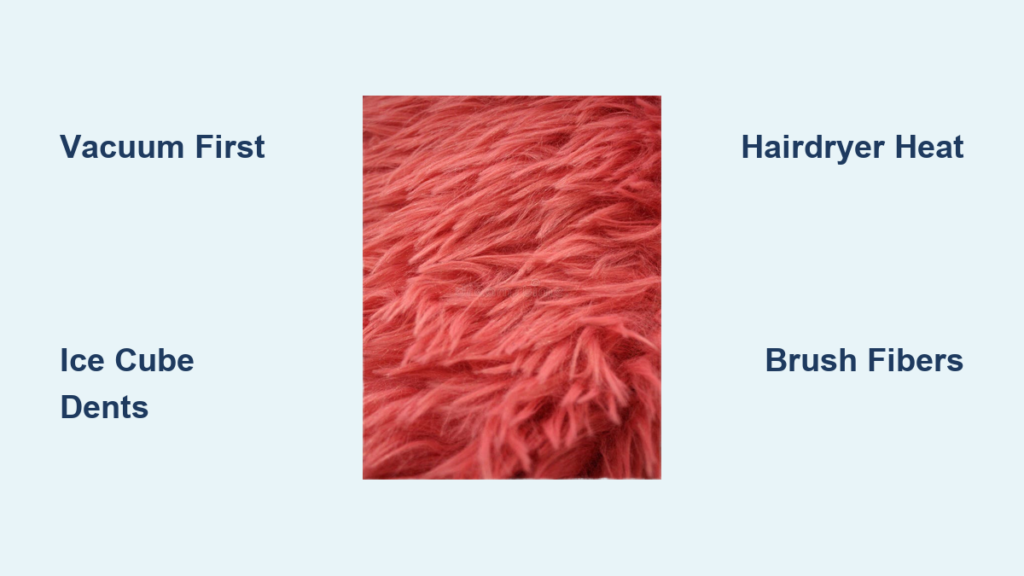
Skip the Shag Rugs
High-pile or shag rugs trap food, liquids, and dirt deep in fibers. They cause chairs to wodysonguide-20le or catch and are hard to clean thoroughly.
Exception is Ruggable washable shag rugs engineered for softness and cleanability. These are spill-proof and removable, making them a rare exception.
Choose Colors and Patterns That Hide Messes
Your rug color and pattern affect mood, style, and maintenance. In dining rooms, practicality often trumps pure aesthetics.
Dark Colors Hide Spills
Colors like navy, charcoal, burgundy, or forest green camouflage wine, food, and scuff marks. They show less wear over time and work well in high-use areas.
Ideal for family dining rooms and homes with frequent gatherings.
Light Colors Require High Maintenance
Cream, beige, or white rugs make small spaces feel larger and suit formal or rarely used dining rooms. They show every crumb and spill.
Only choose light colors if the room is used occasionally or you are committed to frequent cleaning.
Busy Patterns Beat Solids
Patterned rugs, geometric, floral, or tribal, hide spills, footprints, crumbs, and fading. They also add visual interest, anchor the room design, and work in eclectic or traditional spaces.
Best for homes with kids or pets, high-traffic areas, and transitional or global styles.
Design Tips for Persian and Oriental Rugs
The center field is often hidden under the table, so prioritize durability over visibility. The border is highly visible, so choose one that complements your chairs or table legs. Medallion, all-over, or floral patterns all work. Pick based on your decor style.
Center the Rug Under the Table
Placement matters. The rug should be centered under the table, not aligned with the room center or chandelier.
Anchor the Dining Zone
In open-concept spaces, the rug defines the dining area. It creates a visual boundary between kitchen, living room, or entryway without walls.
This works especially well in lofts, great rooms, and eat-in kitchens.
Frame the Space
Leave 12 to 18 inches of floor around the rug to prevent a cramped look, enhance proportion, and allow smooth traffic flow.
This floating effect makes the rug feel intentional, not accidental.
Match Durability to Your Use Case
Your lifestyle should drive your choice, not trends. A rug that works for empty nesters may fail in a family home.
Daily Use: Choose Tough Materials
If you eat here every day, prioritize polypropylene, wool, or indoor/outdoor rugs. Pick dark or patterned designs and use a rug pad to reduce wear.
Avoid delicate cotton or high-pile styles.
Kids and Pets: Go Washable
With children or pets, choose stain-resistant, spill-proof materials. Opt for machine-washable or hose-cleanable rugs and use dark or busy patterns to hide messes.
Skip expensive or hard-to-clean options unless protected.
Empty Nesters: Invest in Luxury
With fewer spills and wear, consider vintage wool, Persian, or hand-knotted rugs. Use lighter colors or delicate textures and focus on aesthetic value over utility.
These rugs become heirlooms with proper care.
Vintage Rugs: Hidden Durability
Vintage wool rugs, Persian or Oriental, are often naturally stain- and moisture-resistant. They are woven with tighter knots and priced lower than new high-end rugs.
They age beautifully and hide wear with intricate patterns. Just confirm it is cleaned before use, a rug pad is used, and spills are blotted quickly.
Stick to a Smart Budget
Dining room rugs range from $50 to $2,000 or more, but most fall between $50 and $500.
Know the Price Tiers
| Tier | Price | Best Options |
|---|---|---|
| Budget | $50–$150 | Polypropylene, indoor/outdoor, small cotton |
| Mid-Range | $150–$300 | Quality synthetics, wool blends, vintage finds |
| Premium | $300+ | Full wool, hand-knotted, large vintage, Ruggable |
When to Spend More
Invest in higher-end rugs when you use the dining room daily, want long-term value, or love the design and plan to keep it.
Wool and vintage rugs offer better cost-per-use over time.
Save Without Sacrificing Quality
Shop sales on Black Friday, Cyber Monday, or end-of-season. Buy online at Wayfair, Overstock, Amazon, or Ruggable. Order swatches to check color and texture before buying. Choose neutrals for easier reuse in other rooms later.
Buy Where You Can Test or Return
Where you buy affects your confidence and your ability to fix mistakes.
In-Store Retailers: Touch Before You Buy
Top stores include HomeGoods for great finds, World Market for global styles, Pottery Barn for premium durable options, IKEA for budget-friendly functional rugs, and Home Depot for strong indoor/outdoor selection.
Advantages include the ability to feel the texture, see true color, and ask about returns.
Online Retailers: More Choice, Fewer Risks
Top picks include Ruggable for washable modular rugs perfect for families, Wayfair for huge selection with detailed filters, Amazon for fast shipping and verified reviews, Catalino Rug for Persian and Oriental dining rugs, and HomeDecorators.com for strong indoor/outdoor lineup.
Tips for online success include reading reviews for durability and color accuracy. Check return policy and restocking fees. Verify dimensions by measuring twice. Order a sample if available.
Protect and Maintain for Long Life
Even the best rug fails without care. Use these steps to extend its life.
Always Use a Rug Pad
A rug pad prevents slipping, reduces chair friction, protects hardwood floors, and adds cushioning.
Choose felt or rudysonguide-20er-backed pads made for hard floors.
Add Furniture Coasters
Place padded coasters under table legs and chair legs. They prevent rug indentations, localized wear, and floor scratches.
Clean Smart and Often
Vacuum weekly to remove crumbs before they grind in. Blot spills immediately, do not rub. Use rug-specific cleaner matched to material. Deep clean as needed: wool and Persian rugs need professional cleaning, synthetic rugs can be hosed or machine-washed.
Rotate Every 3 to 6 Months
Rotate the rug to prevent uneven fading, distribute foot traffic, and extend lifespan. This is especially important in sunny rooms.
Apply Stain-Resistant Treatment
Use Scotchgard or similar to add a protective layer. Reapply every 6 to 12 months or after deep cleaning.
Style It to Stand Out
The rug sets the tone for your dining room. Use it to reflect your taste.
Use the Rug as a Design Anchor
Let the rug guide chair upholstery color, table runner or centerpiece, and wall art or lighting. It is the foundation of your decor.
Create Contrast
Dark rug plus light table creates drama and definition. Light rug plus dark table feels airy and modern but only works in low-traffic rooms. Patterned rug plus neutral chairs creates balance.
Contrast makes the table pop.
Layer for Texture
In large spaces, layer a sisal or jute base for durability and natural feel with a wool or cotton top for softness and style. Keep total pile under 0.5 inches to avoid chair issues.
Key Takeaways for Choosing Your Dining Room Rug
The perfect dining room rug fits your table, survives your lifestyle, and enhances your space. Size it right using the 24-inch overhang rule and chair-pull test. Choose durable materials like wool, polypropylene, or indoor/outdoor options based on your household. Prioritize low to medium pile height for chair mobility and easy cleaning. Select dark colors or busy patterns to hide everyday messes. Match the rug shape to your table for visual harmony, or break the rules intentionally for eclectic style. Protect your investment with a rug pad, furniture coasters, and regular maintenance.
Now that you know how to choose a dining room rug, measure your table, determine your priorities, and find the rug that transforms your dining space into something you love.
Frequently Asked Questions About Choosing a Dining Room Rug
How far should a dining room rug extend past the table?
The minimum is 18 inches, but the ideal is 24 inches on all sides. This ensures all chair legs stay on the rug when pulled out.
What is the best material for a dining room rug with kids?
Polypropylene, indoor/outdoor rugs, or Ruggable washable rugs are best. They resist stains, are easy to clean, and handle heavy use.
Can I use a round rug under a rectangular table?
Yes, if the rug is large enough to support all chairs when pulled out. This creates an eclectic, modern look that softens angular lines.
How do I prevent my rug from sliding on hardwood floors?
Always use a rug pad with a felt or rudysonguide-20er backing designed for hard floors. This prevents sliding and protects your floors.
Should I choose a dark or light colored rug for the dining room?
Dark colors or busy patterns hide spills, crumbs, and wear better than light colors. Choose light colors only if the room is used occasionally.
How often should I rotate my dining room rug?
Rotate the rug every 3 to 6 months to prevent uneven fading from sunlight and distribute wear from foot traffic.