
Nothing elevates a room like the rich texture and natural elegance of a cow hide rug. Whether in classic black-and-white, soft champagne, or pristine white, each rug is unique. But because it is made from real, tanned animal hide, it does not belong in the washing machine or under a steam cleaner. Improper cleaning can lead to shrinkage, stiffness, fading, or irreversible damage.
The good news? Cow hide rugs are naturally resistant to stains and odors thanks to lanolin and the protective qualities of the hair cuticle. This guide gives you a clear, step-by-step plan to safely clean spills, remove odors, deep clean when needed, and keep your rug looking its best for years.
Essential Daily Care for Your Cow Hide Rug
Keeping your cow hide rug clean starts with simple, consistent habits. Unlike synthetic rugs, cow hide does not trap dirt deeply, but surface debris can dull its luster over time.
Vacuum Weekly With the Right Settings
Use a vacuum with a soft brush attachment and low suction. Always move in the direction of the hair to avoid pulling or matting. Never use a beater bar because it can damage long hairs and loosen fibers.
Flip the rug occasionally and vacuum the leather backing to remove dust buildup.
Shake It Out Monthly
Take the rug outside and shake vigorously to release trapped dust and allergens. This method works especially well for short-haired hides, which collect less debris than longer-haired variants.
Brush for Shine and Softness
Use a soft-bristle brush or pet grooming tool. Brush with the grain weekly to restore smoothness and remove loose hairs. Avoid aggressive brushing because it can cause unnecessary shedding.
Rotate Every Few Months
Rotate the rug to distribute wear evenly. This prevents one side from fading due to sunlight or getting flattened by furniture placed on top.
Protecting Your Rug From Sunlight and Heat Damage
Prolonged direct sunlight fades colors and dries out the hide. Heat from radiators or fireplaces can make the leather brittle or crack over time.
Place your rug in indirect light and use curtains or UV window film if needed. Avoid placing the rug near radiators, fireplaces, or other heat sources.
Quick Action: How to Handle Spills on Cow Hide
The golden rule for spills is simple: blot immediately, do not rub. Press gently with a clean, dry cloth to absorb the liquid. Do not wipe or scrub because this spreads the stain and pushes it deeper into the hide.
Act fast. Even stain-resistant hide can absorb liquids over time if left untreated. Pet owners will find cow hide is a great choice, but accidents still need quick action.
Safe Cleaning Products for Cow Hide Rugs
Never use household cleaners like bleach, ammonia, or OxiClean. They strip natural oils and damage the hide. Only use leather-safe products.
| Safe Product | Use Case |
|---|---|
| Mild dish soap (unscented) | General spot cleaning |
| Baby shampoo | Gentle cleaning without drying |
| White vinegar (diluted 1:1) | Neutralizes odors, treats red wine |
| Baking soda | Absorbs odors, lifts grease |
| 3% hydrogen peroxide | Breaks down urine and blood stains |
| Eucalyptus oil | Removes grease, deodorizes |
| Saddle soap | Deep clean (rarely, and rinse well) |
| Enzyme cleaner (leather-safe) | Digests organic pet stains |
Always test any product on a hidden corner first before applying it to the entire rug.
DIY Solutions for Spot Cleaning Cow Hide
All-Purpose Spot Cleaner
Mix one part white vinegar, one part lukewarm water, and one drop of baby shampoo. Dampen a microfiber cloth with the solution. Do not soak the rug.
Mild Soap Solution
Add two to three drops of dish soap to 100 ml of lukewarm water. This solution works well for water-based spills like juice or coffee.
Removing Common Stains From Cow Hide
Red Wine Spills
Blot excess liquid immediately. Dab the area with white vinegar to neutralize the red pigment. Wipe with the vinegar-baby shampoo mix. Blot dry and air dry completely. Vinegar removes the stain but can leave residue, so rinse the area lightly with water afterward.
Grease or Oil Stains
For the dry method, sprinkle baking soda over the stain and let sit overnight. Vacuum thoroughly.
For oil treatment, dab eucalyptus oil on a cloth and gently rub the stain. Wipe with a damp cloth to remove oil residue. Blot dry.
Never use degreasers or acetone because they will ruin the hide.
Pet Urine: Fresh Accidents
Blot as much as possible. Apply vinegar-water solution lightly. Blot again until dry. Let air dry completely. Do not use heat.
Set-In Urine Stains and Odors
Scrape off dried solids. Rehydrate with vinegar-water mix and let sit five to ten minutes. Blot thoroughly.
For odor, sprinkle baking soda generously. Let sit six to eight hours or overnight. Vacuum well.
For studysonguide-20orn odors, apply 3% hydrogen peroxide to both sides. Wait fifteen to twenty minutes, then extract moisture with a Shop Vac. Wipe clean and air dry.
Short exposure to indirect sunlight helps kill odor-causing bacteria.
Deep Cleaning Your Cow Hide Rug Safely
Only deep clean when the rug is noticeably soiled or has multiple untreated spills.
Work in small sections. Dampen a cloth with mild soap solution. Wipe with the grain, never scrub.
Immediately extract moisture using a Shop Vac with a detail nozzle or clean, dry towels for blotting. Lay flat to dry. Never hang or fold.
Drying time ranges from twelve to forty-eight hours depending on humidity.
Proper Drying Techniques for Cow Hide
Never use heat. No dryers, heaters, hairdryers, or direct sunlight. Heat causes shrinkage, curling, and stiffening.
Lay flat on a clean, dry surface. Elevate on a drying rack for airflow underneath.
For faster drying, position leather side up and hair side down. Use a fan, but not a heater.
Check both sides before using the rug again. It must be completely dry.
Special Care for Different Cow Hide Types
White Cow Hide Rugs
White hides show stains easily. Clean immediately after spills. Avoid any colored or strong cleaners that might dye the fibers.
Tricolor and Champagne Hides
Use only color-safe, non-dyeing products. Blot gently, do not rub.
Cow Hide Ottomans and Patchwork Rugs
Clean seams carefully and avoid soaking glued areas. Test cleaners on hidden seams first.
Long-Haired vs Short-Haired Hides
Short-haired summer-kill hides are easier to maintain and require less brushing. Long-haired hides require frequent brushing to prevent tangles.
Fixing Common Cow Hide Rug Problems
Hair Loss
Some shedding occurs in new rugs and decreases over time. Reduce wear by placing the rug in low-traffic areas. Rotate regularly to even out foot traffic.
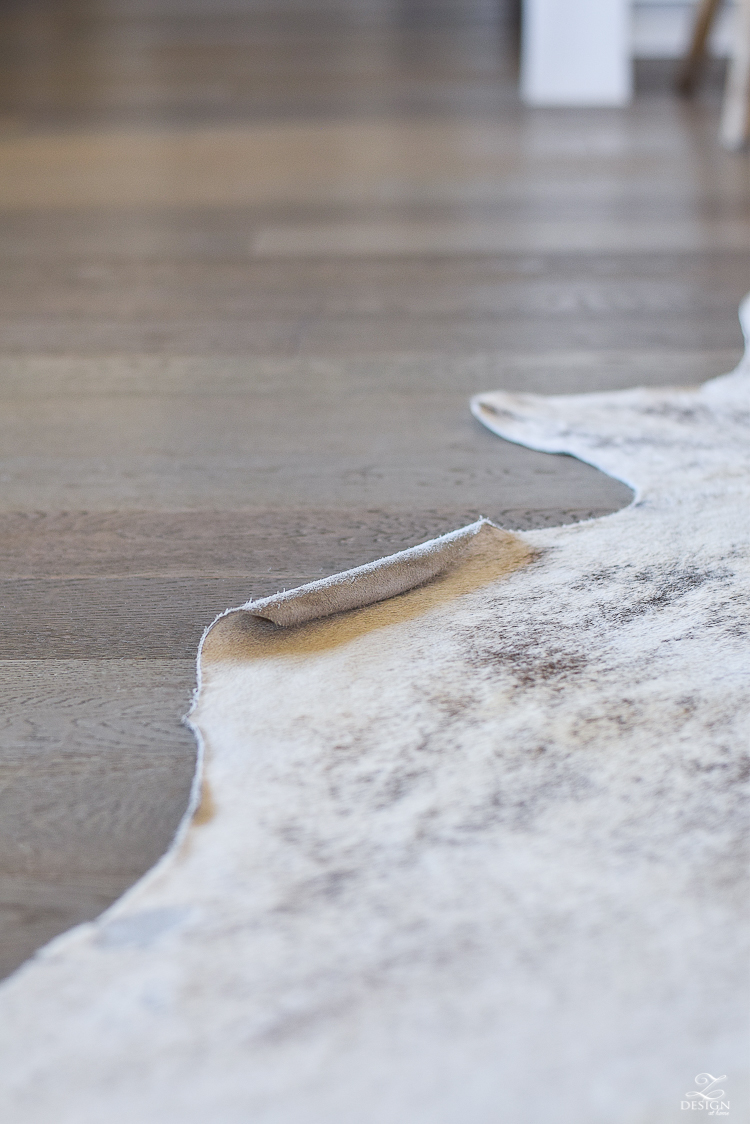
Curling Edges
Reverse-roll the edges when not in use. Weight edges with books or furniture for twenty-four to forty-eight hours.
For studysonguide-20orn curls, lightly dampen the edge and weight while drying flat. Never wet the entire edge.
Trimming Ragged Edges
Use sharp scissors or a razor blade. Trim outdoors to avoid spreading loose hair. Cut evenly and minimally. Shake well afterward.
Where to Place Your Cow Hide Rug
Avoid bathrooms and basements because high moisture damages hide. Keep away from direct sunlight and near radiators or fireplaces.
On smooth floors, use clear double-sided carpet tape to prevent slipping. Avoid rudysonguide-20er pads because they trap moisture and cause mold.
What to Avoid When Cleaning Cow Hide
| Never Do This | Why It Is Harmful |
|---|---|
| Machine wash or dry | Destroys hide structure, causes shrinkage |
| Soak in water | Leads to warping, delamination, mold |
| Use bleach or ammonia | Strips oils, fades color, weakens leather |
| Steam clean | Heat and moisture stiffen and shrink the hide |
| Over-wet the rug | Causes curling, warping, long drying time |
| Rub stains | Spreads and pushes stain deeper |
| Use regular carpet cleaners | Often contain leather-damaging chemicals |
| Iron on high heat | Can scorch the hide |
| Fold for storage | Creates permanent creases. Always roll. |
When to Call a Professional Cleaner
Seek professional help if you see persistent stains after home treatment, lingering odors despite baking soda and peroxide, or signs of shrinkage, stiffness, or delamination.
Ask a professional if they use pH-balanced, leather-safe products and if they can preserve natural oils during cleaning. A leather furniture cleaner may be qualified if a hide specialist is not available.
Monthly Cow Hide Rug Care Checklist
| Task | How Often |
|---|---|
| Shake rug outdoors | Monthly |
| Vacuum with brush attachment | Weekly |
| Brush with soft bristle | Weekly |
| Spot clean spills | Immediately |
| Deodorize with baking soda | As needed |
| Deep clean | Only when necessary |
| Rotate rug | Every three to six months |
| Trim or weight edges | As needed |
Frequently Asked Questions About Cleaning Cow Hide Rugs
Can I machine wash my cow hide rug?
No. Machine washing destroys the hide structure and causes severe shrinkage. Cow hide rugs must be cleaned by hand using mild, leather-safe products.
How do I remove pet urine smell from my cow hide rug?
Blot fresh accidents immediately. For set-in odors, apply vinegar-water solution, then sprinkle baking soda overnight. For studysonguide-20orn smells, apply 3% hydrogen peroxide, wait fifteen to twenty minutes, then extract with a Shop Vac.
Can I use a steam cleaner on cow hide?
No. Steam cleaning exposes the hide to excessive heat and moisture, which causes shrinkage, stiffening, and delamination. Avoid steam cleaners entirely.
How often should I vacuum my cow hide rug?
Vacuum weekly with a soft brush attachment and low suction. Vacuum in the direction of the hair to avoid matting.
What is the best way to dry a cow hide rug after cleaning?
Lay flat on a clean, dry surface. Elevate on a drying rack for airflow. Never use heaters, hairdryers, or direct sunlight. Drying takes twelve to forty-eight hours.
Key Takeaways for Keeping Your Cow Hide Rug Beautiful

A cow hide rug is more than decor. It is a natural product that ages beautifully with proper care. Blot spills immediately and use only leather-safe cleaning products like mild dish soap, baby shampoo, and diluted white vinegar. Never machine wash, steam clean, or use harsh chemicals.
Dry the rug flat, away from heat and direct sunlight. Rotate and shake it regularly to maintain its appearance. Treat it like fine leather, not carpet, and it will reward you with lasting elegance for years to come.