
Kilim rugs are handwoven masterpieces rooted in centuries of tradition across Turkey, Iran, the Balkans, and Central Asia. These flat-woven textiles feature natural dyes and hand-spun wool, making them incredibly durable yet surprisingly delicate when it comes to cleaning. One wrong approach like machine washing can cause irreversible shrinkage, color bleeding, or structural unraveling. This guide provides step-by-step instructions for safely cleaning your kilim at home while preserving its craftsmanship and vibrant appearance for decades to come.
Assess Your Kilim Before Cleaning

Every kilim has unique characteristics that determine the best cleaning approach. Taking time to evaluate your rug prevents costly mistakes.
Check for Damage and Weak Areas
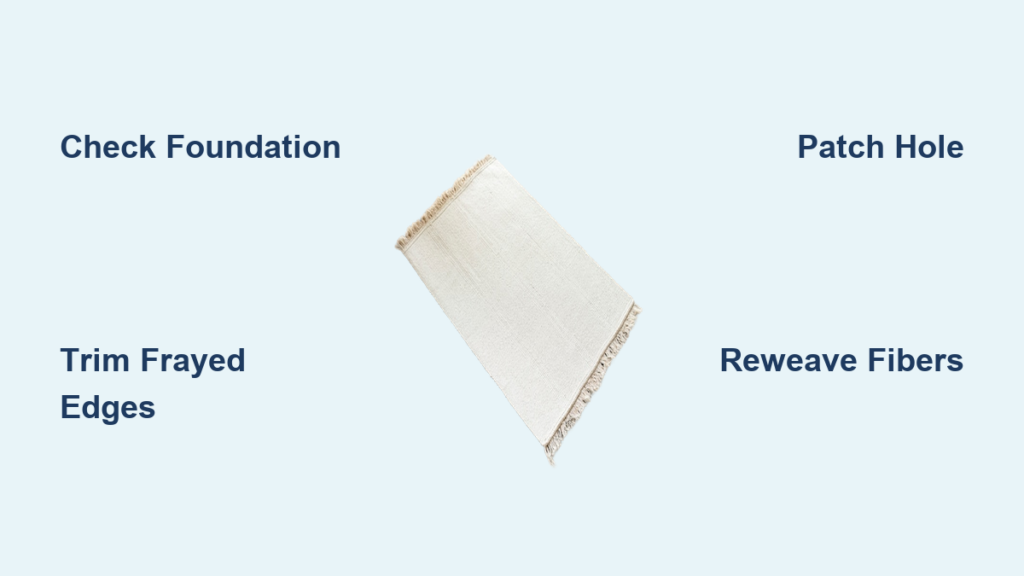
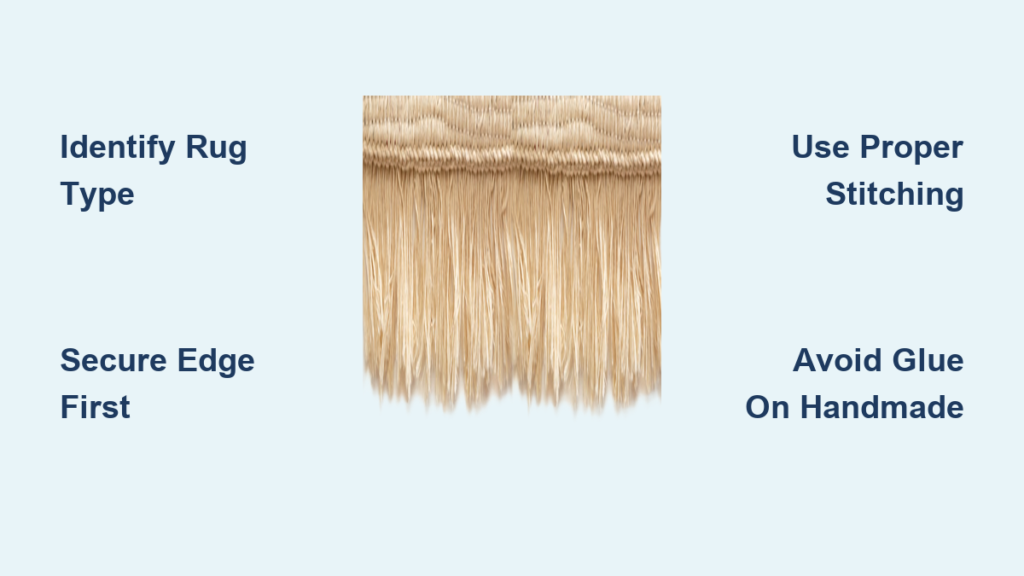
Examine both sides of your rug carefully. Look for fraying edges, loose threads, tears, or thinning sections. Check if colors have faded or become unstable. Pay special attention to the fringe, as these warp threads unravel easily when stressed.
Antique kilims over 50 years old require professional handling regardless of their apparent condition. Their fibers may be brittle and dyes prone to bleeding, even with minimal moisture exposure.
Test Colorfastness First
This step protects your rug from catastrophic dye bleeding. Dampen a white cloth with cold water and press it firmly against a dark or bright area for 30 seconds. Lift and check the cloth for color transfer. If any dye appears, skip wet cleaning entirely and contact a professional rug cleaner.
Test fringe separately since camel hair or undyed wool may react differently than the main body.
Remove Dry Soil Thoroughly
Loose dirt acts like sandpaper, grinding into fibers with every footstep. Removing dry soil first prevents abrasive damage during cleaning.
Shake and Beat the Rug Outdoors
Take your kilim outside and shake it vigorously to dislodge loose debris. Flip it over and repeat on the back side. Use a soft mallet or broom handle to gently beat remaining dust from the weave. This single step removes up to 80% of surface soil.
Vacuum Both Sides Carefully
Disable the beater bar on your vacuum to prevent fiber pulling and fringe damage. Use low to medium suction with a brush attachment. Vacuum the front first, then flip to clean the back where grit embeds into the foundation. Never vacuum the fringe directly. Perform this every one to two weeks in high-traffic areas.
Clean with Low-Moisture Foam
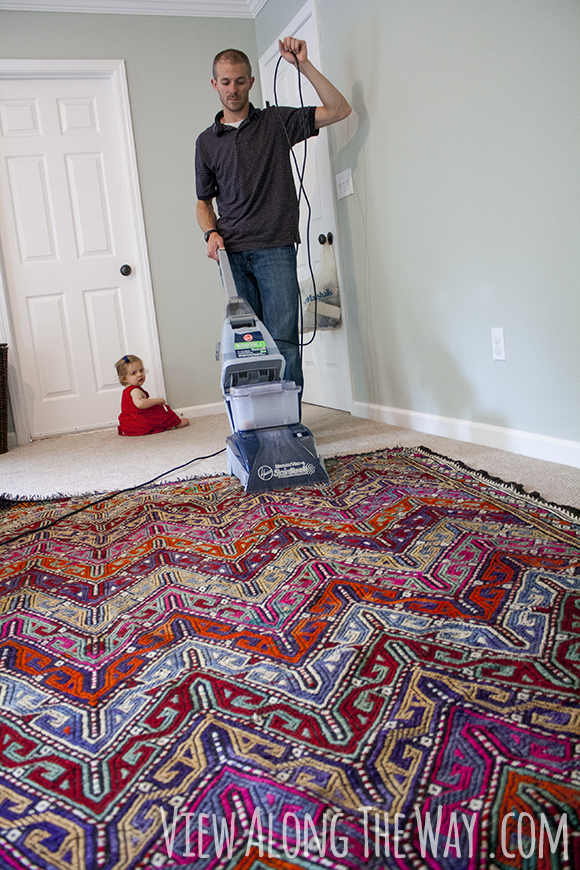
Wet cleaning risks shrinkage and dye migration. Foam cleaning lifts dirt without saturating the fibers.
Make the Cleaning Foam
Mix two cups of lukewarm water with one teaspoon of mild, pH-neutral soap. Add one to two teaspoons of baking soda for brightening power. Optional white vinegar helps set dyes. Whisk until thick foam forms, resembling shaving cream. Discard any liquid at the bottom of the bowl. Use only the foam for cleaning.
Avoid bleach, ammonia, alcohol, or enzymatic cleaners as they destroy natural fibers.
Apply Foam in Small Sections
Dip a soft cloth into the foam, not the liquid beneath. Work in one-square-foot sections, rudysonguide-20ing gently in the direction of the weave to avoid distortion. Use minimal pressure. The rug should feel barely damp, not wet.
Blot and Extract Moisture
Wait two to three minutes, then blot with a dry microfiber towel. Change towels frequently as they absorb dirt. Use a wet-and-dry vacuum if available to pull remaining moisture from the fibers.
Rinse Soap Residue
Dampen a clean cloth with cold water only and pat gently over cleaned areas. Blot immediately to prevent saturation. Never leave soap residue sitting in the weave.
Treat Stains Immediately and Safely

Quick, gentle action prevents permanent staining on delicate natural fibers.
Handle Fresh Spills
Scrape off solid debris with a spoon or dull knife. Blot liquids with a clean, absorbent cloth, working from the edge toward the center to contain the spill. Place a tray beneath the stain and flush with clean water to dilute residue. Blot until water runs clear, then dry completely using fans or a dehumidifier.
Never rub a stain, as this damages fibers and spreads the mess.
Avoid DIY Stain Remedies
Skip vinegar, baking soda pastes, and hydrogen peroxide on unknown stains. Oil, wine, pet accidents, and mineral deposits require professional treatment. Aggressive spot cleaning often causes more harm than good. When in doubt, leave it to the experts.
Deodorize Without Damaging the Weave
Wool naturally holds odors due to lanolin content, but strong smells usually stem from trapped moisture or embedded soiling.
Use Baking Soda for Odor Removal
Sprinkle a thin, even layer of baking soda over the entire rug surface. Let it sit for 20 minutes for light odors or overnight for studysonguide-20orn mustiness. Vacuum thoroughly using suction only. A 30-year-old Turkish kilim with strong odor was successfully restored after overnight baking soda treatment combined with outdoor airing and deep vacuuming.
Air the Rug Outdoors
Hang the rug flat in shade, never direct sunlight. Use fans to circulate air and speed the process. Avoid damp or humid days, as excess moisture promotes mold growth.
Dry Flat and Completely
Improper drying causes mold, mildew, and dry rot, the silent destroyers of handwoven rugs.
Lay Flat in a Ventilated Area
Place the rug on a clean, dry surface like concrete or a breathable rack. Use a towel underneath to absorb moisture. Keep the area well-ventilated and shaded. Avoid high humidity environments during drying.
Flip and Use Fans
Once the top feels dry, flip the rug to dry the reverse side. Direct fans at both surfaces to accelerate drying. Depending on thickness and climate, drying takes six to 72 hours.
Verify Complete Dryness
Feel for cool spots indicating trapped moisture. Smell for musty odors signaling incomplete drying. Confirm the rug is completely dry before laying it down or storing it.
Never hang a wet kilim, roll or fold it while damp, or use radiators and hairdryers to speed drying.
Rotate and Protect for Longevity
Smart placement and routine care extend your rug’s lifespan significantly.
Rotate Every Six to Twelve Months
Rotate your kilim to prevent uneven wear and fading. Flip it if possible to balance sun exposure on both sides.
Use a Non-Slip Rug Pad
A quality rug pad reduces foot traffic abrasion, prevents slipping and bunching, and extends the rug’s life considerably.
Avoid Problem Areas
Keep kilims away from bathrooms and basements where humidity causes mold. Never use them outdoors unless specifically treated for exterior conditions. Position away from direct sunlight to prevent color fading.
When to Call a Professional
Some situations require expert intervention rather than DIY efforts.
Seek Professional Help For
Antique or heirloom pieces over 50 years old warrant professional handling. Call a specialist if your rug bleeds color during testing, has deep stains from oil or wine, shows mineral deposits or water marks, has damaged or unraveling fringe, or retains odors after home treatment. Structural issues like tears or loose wefts also need expert repair.
Professional Methods Available
Specialists use alkaline-acid washes, controlled acid treatments for mineral stains, dye stabilization techniques, and reweaving services. Trusted options include Costikyan Rug Cleaning in New York and New Jersey, Rug Chick in San Diego, and Kilim.com for global resources.
Avoid general dry cleaners who lack expertise with handwoven natural fiber textiles.
Follow a Simple Care Schedule
Consistent maintenance prevents deep soiling and expensive repairs.
| Task | Frequency | Method |
|---|---|---|
| Dry dusting | Every few months | Shake and beat outdoors |
| Vacuuming | Weekly | Suction only, no beater bar |
| Foam cleaning | 1-2 times per year | Use foam, not liquid |
| Odor treatment | As needed | Baking soda and vacuum |
| Professional cleaning | Every 3-5 years | Use rug specialists |
| Rotate rug | Every 6-12 months | Prevents uneven wear |
Never Machine Wash a Kilim
This point deserves emphasis. Machine washing causes irreversible shrinkage, color bleeding and staining, weave distortion, fringe destruction, and dry rot from trapped moisture. Even gentle cycles create too much agitation for hand-spun wool and natural dyes. Steam cleaning and high-pressure extraction equally damage these delicate textiles.
Preserve Your Kilim for Generations
A well-maintained kilim lasts 100 years or more. Its longevity depends entirely on how you treat it today. Use minimal moisture and gentle tools. Avoid harsh chemicals and never rush the drying process. Maintain regular care through vacuuming, rotation, and professional cleaning every few years.
Patience and precision protect not just a rug, but a piece of living cultural history.
Frequently Asked Questions About Cleaning Kilim Rugs
Can I machine wash my kilim rug?
No. Machine washing causes irreversible shrinkage, color bleeding, weave distortion, and fringe destruction. The agitation and spin cycles are too harsh for hand-spun wool and natural dyes. Always use low-moisture foam cleaning or seek professional services.
How often should I vacuum my kilim?
Vacuum your kilim weekly or bi-weekly using suction only with the beater bar disabled. Vacuum both sides to remove embedded grit that causes abrasive wear. Avoid vacuuming the fringe directly.
What is the safest way to remove stains from a kilim?
Blot fresh spills immediately with a clean cloth, working from the edge toward the center. Flush with clean water and blot until clear. Never rub or use household cleaners. Set-in stains, oil, wine, and pet damage require professional treatment.
How do I test if my kilim will bleed color?
Press a damp white cloth firmly against a dark or bright area for 30 seconds. If dye transfers to the cloth, do not proceed with wet cleaning. Seek professional cleaning instead.
Can I use vinegar to clean my kilim?
Use vinegar cautiously and only in very dilute amounts. Some natural dyes react poorly to acidic solutions. Always test on an inconspicuous area first. For most kilims, plain water and mild soap work safest.
How long does it take a kilim to dry after cleaning?
Drying takes six to 72 hours depending on thickness, climate, and ventilation. Always dry flat in shade, flipping once the top feels dry. Use fans to speed the process. Never use artificial heat.
Key Takeaways for Cleaning Your Kilim Rug
Cleaning a kilim requires gentleness, patience, and the right technique. Always test for colorfastness before any wet cleaning. Remove dry soil through shaking and vacuuming with the beater bar disabled. Use foam cleaning rather than soaking. Blot stains never rub. Dry completely flat in shade without heat. Rotate your rug every six to twelve months and use a non-slip pad. Call a professional for antiques, valuable pieces, or studysonguide-20orn stains. Following these steps preserves your kilim as a functional work of art for generations to come.