
Cleaning an area rug on a wood floor requires careful attention to moisture control, product safety, and drying practices. One misstep can lead to warped hardwood, mold growth, or permanent staining. With over 80% of hardwood floor damage linked to water exposure during rug cleaning, it’s essential to follow a method that protects both your rug and flooring. This guide delivers step-by-step instructions, expert-backed precautions, and fiber-specific tips so you can clean confidently without risking costly damage.
Vacuum Before Cleaning Your Area Rug
Start by vacuuming the rug thoroughly to eliminate surface dust, pet hair, and embedded grit. Dirt acts like sandpaper when disturbed during cleaning, scratching both rug fibers and the hardwood beneath. Use a floor nozzle attachment or upholstery tool to avoid aggressive suction that can fray delicate rugs.
Remove Loose Debris First
For wool, silk, or vintage pieces, switch to a handheld brush or carpet sweeper to reduce stress on fibers. Always vacuum in the direction of the pile to preserve texture and prevent fraying. Flip and vacuum the back if accessible, especially for flatweave or reversible rugs.
Protect the Hardwood Floor
After removing the rug, sweep or vacuum the exposed hardwood. Residual grit left under the rug’s edge can cause abrasion every time the rug shifts. Never drag a heavy vacuum across wood. Lift it when moving to avoid scuffs. A clean base ensures safe repositioning later.
Spot Clean Stains Without Damaging Hardwood

When spills happen, act immediately. Use a microfiber cloth to blot liquids. Never rub. Rudysonguide-20ing spreads the stain and damages fibers. Place a plastic drop cloth under the affected area to shield the hardwood from seepage.
Match Cleaner to Stain Type
Different stains require different approaches. For coffee, wine, or pet urine, mix 1 part white vinegar with 2 parts water, test first, then blot gently. For grease or oil, apply a baking soda paste, wait 15 to 30 minutes, then blot. Fresh liquid spills respond well to club soda. For odors, use 1 teaspoon lemon juice mixed with 1 cup water as a light mist, avoiding over-saturation.
The Blotting Technique
Always spot-test any solution on a hidden rug corner and near the floor edge to check for discoloration or finish damage. Blot aggressively with dry towels after applying any cleaning solution. The goal is minimal moisture penetration.
Choose Safe Cleaning Products for Rug and Wood
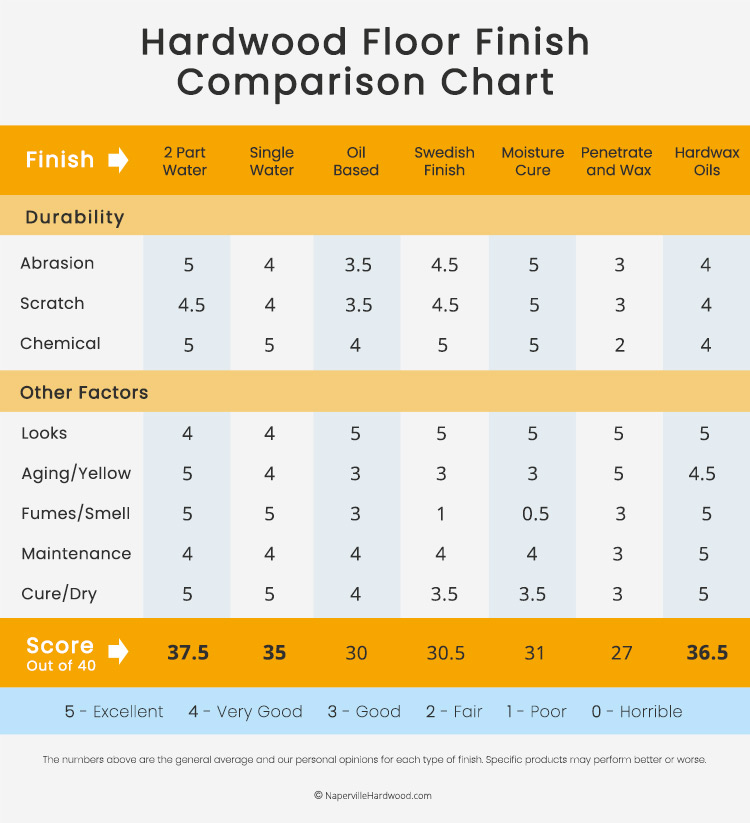
Never use bleach, ammonia, or high-pH carpet shampoos. These chemicals can strip wood finishes, dull shine, and leave sticky residues that attract more dirt. They may also cause wool to shrink or dyes to bleed.
Opt for pH-Neutral Cleaners
Choose biodegradable, non-toxic cleaners labeled safe for both rugs and hardwood. Look for pH-neutral formulas that will not degrade finishes or irritate sensitive fibers. Many eco-friendly brands offer plant-based options ideal for homes with pets and kids.
Test Everything First
Before applying any cleaner to your entire rug, conduct a spot test on a small, inconspicuous area. Check for discoloration, fiber damage, or adverse reactions with the floor finish. This simple step prevents costly mistakes.
Protect Hardwood During Any Wet Cleaning
Place a painter’s drop cloth or plastic sheet under the rug before any wet cleaning. Position it with the plastic side down against the floor and cloth side up touching the rug to block moisture and prevent slipping.
Use a Waterproof Barrier
For steam or spot cleaning, slide the barrier partially under the rug if removing it is not feasible. This simple step reduces seepage risk by up to 99.9% when combined with low-moisture techniques. The barrier is your primary defense against water damage.
Clean Your Rug Based on Fiber Type
Synthetic rugs like nylon, polyester, and polypropylene have a non-porous backing that makes them more durable and moisture-resistant. They tolerate low-pressure steam and spot shampooing, but still require a moisture barrier and full drying. Use a light mist of cleaner and blot with towels. Avoid soaking. Synthetic fibers dry faster, typically within 24 hours with airflow.
Natural-Fiber Rugs Require Special Care
Wool, cotton, jute, sisal, and silk rugs are highly absorbent and prone to shrinkage, dye bleeding, and mildew. Never soak or steam clean these rugs in place. Instead, use dry-stroke cleaning with a wand tool. Apply minimal liquid and stop after 5 minutes of cleaning if the back stays dry. Prefer outdoor or professional dry cleaning for these materials.
Silk and Hand-Knotted Rugs
Silk and hand-knotted wool rugs should always be professionally cleaned. These delicate pieces require expertise and climate-controlled drying that most homeowners cannot replicate safely.
Why Steam Cleaning Rugs on Wood Is Risky
Steam cleaning is not safe when the rug is on the floor. High-temperature steam can penetrate backing, warp wood, and cause irreversible damage. Even brief exposure risks budysonguide-20ling, cupping, or delamination of hardwood boards.
Safer Steam Cleaning Options
If you must steam clean, roll up the rug and clean it on concrete, tile, or grass. Use a carpet steamer or pressure washer with mild detergent. Rinse well and hang to dry fully, 24 to 48 hours, before bringing it back inside. This eliminates risk to hardwood entirely.
If cleaning indoors is necessary, place a plastic drop cloth under the rug. Clean in small sections using low heat and low moisture. Dry each section completely before moving on. Complete drying remains non-negotiable regardless of the method used.
Dry Your Rug Completely Before Replacing It
A damp rug traps moisture against hardwood, leading to mold and mildew growth, finish deterioration, and swelling or warping of wood boards. Never reposition a rug until both the rug and floor are 100% dry.
Speed Up Drying
Use box fans or oscillating fans around the rug. Run a dehumidifier to pull moisture from the air. Open windows if humidity allows. Avoid direct heat like hair dryers or space heaters, as these can shrink or damage fibers. Drying time ranges from 24 hours for synthetic rugs to 24 to 48 hours for natural-fiber or thick rugs.
Test for Dryness
Test dryness by touching the underside and sniffing for musty odors. If the rug feels cool or smells damp, it is not ready to be replaced. Patience here prevents costly floor damage.
Clean Large Rugs in Sections
For rugs 8×10 feet or larger, clean one section at a time. This prevents widespread moisture exposure and makes drying manageable. Roll up half the rug, slide a plastic sheet underneath, then clean and dry the exposed half. Repeat on the other side. Use fans between sections to ensure no residual dampness remains.
When to Hire a Professional Cleaner
Call a professional if the rug is antique, silk, or hand-knotted. Also seek help if you are unsure of the fiber content, there are deep stains, odors, or mold, or the rug is too large to dry safely at home. Professionals use residue-free, eco-friendly solutions and climate-controlled drying to protect both rug and floor.
Professional Cleaning Process
The typical professional process includes five steps. First, inspection to assess fiber, construction, and risks. Second, debris removal through industrial vacuuming for deep grit. Third, an eco wash using safe, non-toxic cleaning. Fourth, a rinse to remove all residues. Fifth, drying in a controlled environment. The Carpet and Rug Institute recommends professional cleaning every 12 to 18 months.
Outdoor Cleaning: The Safest Option
Take the rug outside for the lowest-risk cleaning method. Hang on a clothesline or lay flat on a driveway or patio. Use a garden hose, soft brush, and mild detergent. Rinse thoroughly and dry in sunlight and breeze, which naturally kills bacteria and odors. This method eliminates all risk to hardwood and delivers superior cleaning results, especially for heavily soiled or large rugs.
Prevent Damage with Smart Rug Habits
Use a breathable, non-slip pad made of natural rudysonguide-20er, felt, or recycled fibers. Avoid vinyl or plastic-backed pads that trap moisture and may stain wood finishes. Rotate your rug every 3 to 6 months to prevent uneven fading, distribute wear, and allow floor color to even out from sunlight exposure.
Control Indoor Humidity
Keep home humidity between 30% and 50% to prevent wood from expanding or contracting. Use a hygrometer to monitor levels, especially in seasonal climates. This simple habit protects your hardwood investment year-round.
Common Mistakes to Avoid
Skipping vacuuming leads to dirt embedding deeper and scratching hardwood. Over-wetting causes moisture to seep into wood and warp it. Using bleach or ammonia damages finishes. Drying with direct heat shrinks or damages fibers. Failing to test cleaners causes unexpected discoloration. Leaving damp rugs in place leads to mold growth.
Frequently Asked Questions About Cleaning Area Rugs on Wood Floors
Can I steam clean an area rug on hardwood floors?
No. Steam cleaning while the rug is on hardwood is not safe. High-temperature steam penetrates rug backing and can warp, budysonguide-20le, or permanently damage wood flooring. If you want to steam clean, remove the rug entirely and clean it outdoors on concrete or tile.
What cleaning products are safe for both rugs and hardwood?
Use pH-neutral, biodegradable, non-toxic cleaners specifically labeled safe for both surfaces. Avoid bleach, ammonia, and high-pH carpet shampoos. White vinegar diluted with water works well for many stains, and baking soda is effective for grease.
How long does a rug need to dry before putting it back on hardwood?
A rug typically needs 24 to 48 hours to dry completely before returning it to hardwood. Synthetic rugs usually dry within 24 hours, while natural-fiber or thick rugs may need up to 48 hours. Always verify dryness by touching the underside and checking for musty odors.
How often should I clean my area rug?
Vacuum weekly to remove surface dirt. Spot clean spills immediately when they occur. Schedule professional deep cleaning every 12 to 18 months, according to the Carpet and Rug Institute recommendations.
What should I do if my rug still smells after cleaning?
If odors persist, sprinkle baking soda generously over the rug, wait 30 minutes, then vacuum thoroughly. For studysonguide-20orn odors, consider professional cleaning or the outdoor cleaning method with sunlight and fresh air, which naturally eliminates bacteria and smells.
Key Takeaways for Cleaning Area Rugs on Wood Floors
Prioritizing moisture control is the most important factor when cleaning rugs on hardwood. Use minimal water, always place a waterproof barrier under the rug, and ensure complete drying before repositioning. Choose pH-neutral, non-toxic cleaners and avoid harsh chemicals like bleach or ammonia that can damage wood finishes.
Fiber type matters significantly. Synthetic rugs tolerate more moisture, while natural-fiber rugs require dry-cleaning methods or professional handling. For valuable or delicate rugs, outdoor cleaning or professional services offer the safest approach.
By following these protocols, you protect both your rug and your hardwood floors. Regular maintenance, proper drying, and smart product choices keep your home clean, your floors beautiful, and your investment protected for years to come.