
Grease stains on rugs are a common household headache. Whether it is from a spilled pan of cooking oil, a slice of greasy pizza, or an accidental drip of motor oil, grease sinks deep into carpet fibers, leaving behind a slick, sticky residue that attracts dirt and can turn into a permanent eyesore. The longer it sits, the harder it becomes to remove, especially if the grease has had time to bond with dust, pigments, or food particles.
But do not give up on your rug just yet. Even grease stains that are months old can often be fully removed with the right method. In this guide, you will learn how to tackle fresh and dried grease stains on any type of rug using safe, effective techniques backed by real-world results. You will discover what works, what to avoid, and how to restore your rug without causing further damage.
Blot Fresh Grease Immediately
The first moment you notice a grease spill, your response matters most. Acting quickly can mean the difference between a barely visible mark and a permanent stain.
Blot, Never Rub
Use a clean, dry, white paper towel or cloth to gently press down on the greasy area. Apply steady pressure. Do not scrub or wipe. Rudysonguide-20ing spreads the grease deeper into the fibers and can distort the pile, leaving a flattened or misshapen spot.
Work from the outer edge toward the center to prevent the stain from expanding. Replace the towel frequently with a fresh section to keep absorbing grease effectively.
Do not use water at this stage. Water can emulsify the grease, making it spread and harder to remove. If the spill is large or thick, place a stack of paper towels over the area and weigh it down with a heavy book to wick up more grease over time.
Apply Dry Absorbent Powder to Draw Out Grease

Once excess grease is blotted, the next step is to draw out the remaining oil using a dry absorbent. This is crucial because grease does not evaporate, so you need to pull it out physically.
Best Absorbents for Grease
The following materials work by adsorption, binding to grease on their surface and pulling it out of the fibers.
Baking soda is highly effective and readily available in most kitchens. Cornstarch or cornflour works excellently for immediate absorption. Talcum powder and polenta serve as viable alternatives. Commercial oil-absorbing powders are also effective for heavy-duty treatment.
How to Apply the Absorbent
Sprinkle the powder generously over the entire stain. Use a spoon or soft brush to gently work it into the fibers. Let it sit for 10 to 15 minutes for fresh spills, 1 to 2 hours for semi-dried stains, or 8 to 12 hours overnight for old, set-in grease.
The powder will clump, darken, or feel sticky as it absorbs grease. After the dwell time, vacuum thoroughly.
Vacuum to Remove Absorbent and Trapped Grease
A strong vacuum is essential after using absorbent powders. This step removes both the powder and the grease it trapped.
Use a vacuum with strong suction. Pass over the area multiple times. Check the rug is texture. If it still feels oily, repeat the absorbent and vacuum process.
Skipping vacuuming means leaving behind grease-laden powder, which can attract more dirt later. If the stain is large or deeply embedded, you may need 2 to 3 cycles of absorbent application and vacuuming before moving to the next step.
Break Down Residual Grease With Dish Soap
Even after blotting and absorbing, some grease remains. Now it is time to break it down chemically using a degreasing dish soap.
Mix one-half to one teaspoon of dishwashing liquid with 2 cups of warm water. The surfactants in dish soap are designed to cut through grease.
Dip a clean white cloth into the solution. Blot the stain. Do not pour or scrub. Let it sit for 1 to 2 minutes to emulsify the grease. Blot with a damp clean cloth to remove the soapy residue. Rinse with cold water using a separate cloth to flush out soap.
Leftover soap attracts dirt, causing the spot to re-soil quickly. Blot dry with a clean towel afterward.
Use Vinegar for Final Residue and Odor Removal
If the area still feels slick or has an odor, a vinegar solution helps neutralize pH and remove final traces.
Mix equal parts white vinegar and warm water. Spray or sponge onto the area. Let sit for 5 to 10 minutes. Blot dry. No rinsing needed.
Vinegar alone will not remove heavy grease, but it is excellent as a final rinse after other treatments. Avoid using vinegar on wool rugs, as it can weaken fibers over time.
Tackle Tough Grease With Solvents
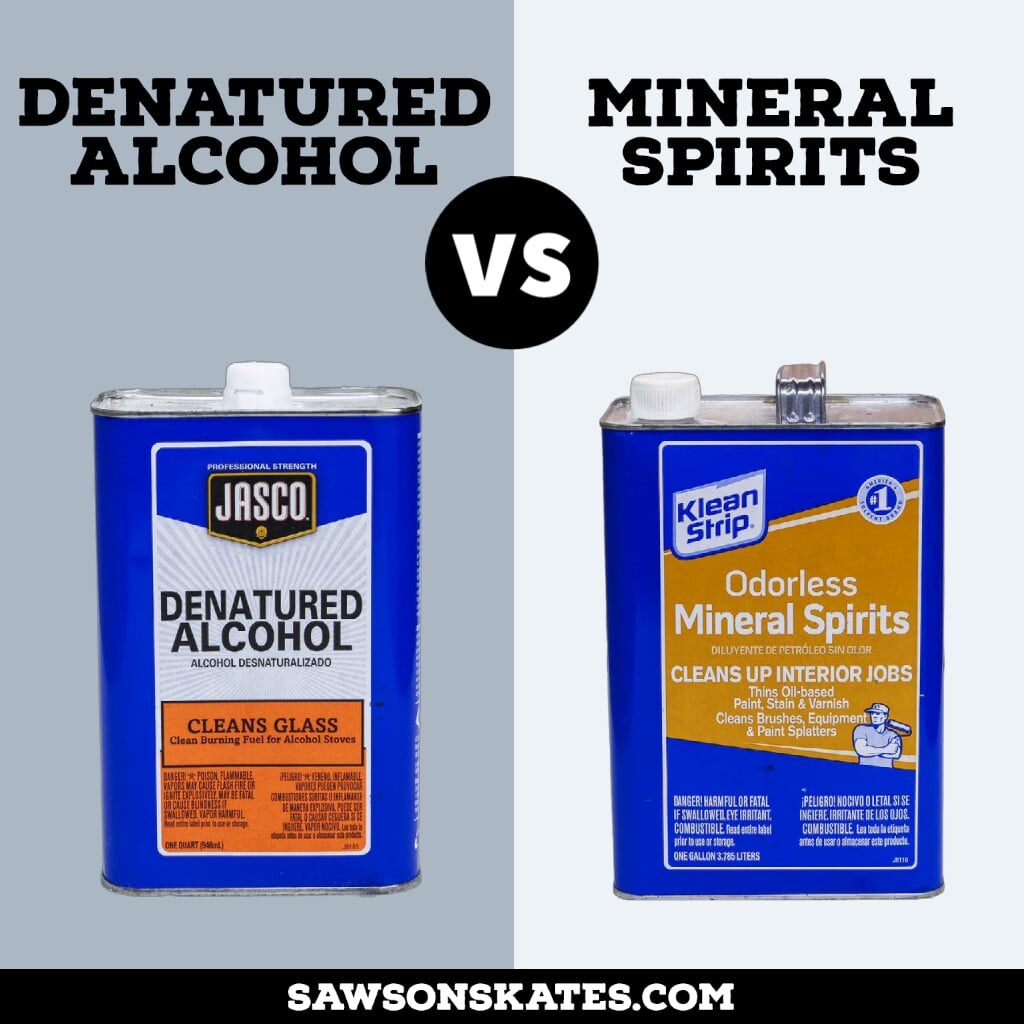
For motor oil, tar, or old dried grease, household cleaners may not be enough. You will need a stronger solvent.
Denatured Alcohol for Oil and Tar
Moisten a white cloth with denatured alcohol. Blot the stain. Do not saturate. Flip the cloth often to use clean sections. Let it evaporate completely. No rinsing required.
Use denatured alcohol in a well-ventilated area. It is flammable, so keep away from flames. This solvent dissolves grease and removes soap residue, making it ideal for final cleanup.
Odorless Mineral Spirits for Motor Oil
Apply odorless mineral spirits sparingly to a cloth, not directly to the rug. Blot the stain gently. Allow to evaporate fully. This is highly effective for industrial-grade grease.
Do not use odorless mineral spirits on wool or delicate fibers. Always pre-test in an inconspicuous area first.
Avoid paint thinner because it is harsher and has a stronger odor.
Reactivate Dried Grease With Glycerine
Grease that has been on the rug for over six months may have hardened. To remove it, you need to re-liquefy it first.
Apply a few drops of glycerine to the stain. Let sit for 15 to 30 minutes. Blot with a paper towel. The grease should come up more easily now.
Follow with absorbent powder, then detergent or solvent as needed. Glycerine softens polymerized grease, making it respond to standard cleaning methods.
Multiple treatments may be needed for deep stains.
Alternate Solvent and Detergent for Maximum Results
For studysonguide-20orn or layered stains, switching between solvent and detergent boosts effectiveness.
Apply absorbent powder and vacuum. Blot with denatured alcohol. Apply dish soap solution and blot. Blot with alcohol again to remove soap. Finish with a final wipe using vinegar or water. Blot dry and air dry completely.
Alternating methods dissolves, emulsifies, and extracts grease in stages, maximizing removal.
Clean Based on Your Rug Material
The rug material determines which methods are safe.
Wool Rugs
Wool is sensitive to alkaline substances, excessive water, and strong solvents. Avoid baking soda, vinegar, and harsh chemicals. Use blotting, cornstarch, and minimal moisture. Always pre-test all solutions in a hidden area first.
Wool can shrink or felt if over-wetted.
Synthetic Rugs
Synthetic rugs made from nylon, polyester, or olefin are resilient to most cleaners. They can handle dish soap, vinegar, and mild solvents. Still avoid scrudysonguide-20ing because fibers can fray.
Blends
Treat blends as the most delicate fiber in the mix.
Always pre-test. Apply a small amount of solution to an inconspicuous spot. Wait 15 minutes. Check for color loss or texture change before treating the stain.
Dry Properly and Restore the Pile
Proper drying prevents mold, odors, and re-soiling.
Blot with a dry towel. Place a clean towel over the spot and weigh it down with a book to wick out moisture. Use a fan or open windows to speed drying. Avoid walking on the area until dry.
Once fully dry, gently comb fibers with a hair comb or carpet rake to restore the pile. Vacuum to lift flattened areas.
Complete drying may take 12 to 24 hours, especially after deep cleaning.
Avoid These Common Mistakes
Even with the right products, mistakes can ruin your efforts.
Do not rub or scrub because it spreads grease and damages fibers. Do not over-wet because it pushes grease deeper and risks mold. Do not skip blotting because it reduces absorbent effectiveness. Do not leave soap residue because it causes rapid re-soiling. Do not rush the process because old stains need time and repetition.
For large or persistent stains, repeat treatments over several days.
When to Call a Professional
Some situations require professional help.
Call a specialist if the stain will not lift after 2 to 3 treatments. Also call if the spill covers a large area. Seek help if the rug is antique, valuable, or delicate. Professional cleaning is needed if there is odor or mold. Call if the grease is industrial, such as transmission fluid.
Services like Zerorez use eco-friendly, low-moisture systems that deep-clean without over-wetting. Steam extraction with a degreasing solution can work, but only if done correctly.
Frequently Asked Questions About Getting Grease Out of Rugs
Does baking soda really work on grease stains in rugs?
Yes, baking soda is highly effective for removing grease from rugs. It works by absorbing the oil through adsorption, pulling it out of the fibers. For best results, apply baking soda generously to the stain, let it sit for several hours or overnight, then vacuum thoroughly. Repeat the process if needed for set-in stains.
How long does it take to get grease out of a rug?
The time required depends on how fresh the stain is and how deeply the grease has penetrated. Fresh spills may respond in 30 minutes to an hour using absorbents and dish soap. Older or dried stains may require multiple treatments over several days. Plan for at least 12 to 24 hours for complete drying after cleaning.
Can I use hot water to remove grease from my rug?
Use warm water, not hot water, when cleaning grease from rugs. Extremely hot water can set certain types of grease into the fibers, making the stain permanent. Warm water effectively helps dish soap emulsify the grease without risking heat damage to the rug fibers.
What is the best method for getting motor oil out of a rug?
For motor oil stains, odorless mineral spirits are the most effective household solution. Apply a small amount to a clean white cloth and blot the stain gently. Allow it to evaporate completely. This solvent breaks down petroleum-based grease that dish soap alone often cannot handle. Test on an inconspicuous area first.
Can I use a steam cleaner on grease-stained rugs?
Steam cleaning can help with deeply embedded grease, but it carries risks. Excessive moisture can damage rug backings or promote mold growth if not dried properly. Use a steam cleaner only if you have proper equipment and can ensure thorough drying afterward. For best results, try dry methods like absorbents and solvents first.
Will vinegar damage my rug when removing grease?
Vinegar is generally safe on synthetic rugs and works well as a final rinse to remove residue and odors. However, vinegar can weaken wool fibers over time and may cause color changes in certain dyes. Always pre-test vinegar on an inconspicuous area before applying it to the stain.
Key Takeaways for Removing Grease From Rugs
Removing grease from a rug requires a systematic approach combining physical absorption, chemical dissolution, and thorough extraction. Success depends on acting quickly, using the right materials for your rug type, and following proper technique.
Always blot first, never rub. Apply dry absorbent powder like baking soda or cornstarch before using any liquid cleaners. Choose dish soap for food-based grease, denatured alcohol for tar and oil, and odorless mineral spirits for motor oil. Test all solutions on hidden areas first, especially on wool or delicate rugs.
For old stains, glycerine can re-liquefy hardened grease so standard methods work effectively. Repeat treatments as needed, and ensure complete drying to prevent mold and re-soiling. With patience and the right approach, even studysonguide-20orn grease stains can be fully removed, restoring your rug to like-new condition.