
White rugs bring elegance, brightness, and a modern touch to any room, but they come with a reputation for high maintenance. If you have ever spilled coffee, tracked in mud, or watched your pet leap across a pristine white shag rug, you know the panic that follows. The good news is that with the right strategies, keeping a white rug clean is entirely possible, even in homes with kids and pets.
The key is not perfection but preparation. A white rug stays clean not because accidents never happen, but because you are ready when they do. From immediate stain response to long-term fiber care, this guide covers everything you need to maintain that showroom shine and keep your white rug looking fresh for years.
Prevent Stains Before They Happen
The best defense against a stained white rug starts before a single spill occurs. Taking preventive measures significantly reduces the likelihood of permanent discoloration and makes routine cleaning much easier.
Apply a Stain-Resistant Spray
The best time to protect your white rug is right after you get it. Use a spray-on stain repellent to create an invisible shield that resists spills, dirt, and pet accidents. These treatments work by coating fibers to repel liquids, giving you precious extra time to blot before a spill sets in.
Spot Shot Instant Carpet Stain Remover doubles as a cleaner and protector, ideal for high-traffic zones. Reapply every few months or after deep cleaning to maintain effectiveness. Store the bottle in an easy-to-reach location so it is ready whenever you need it.
Choose Smart Rug Placement
Not all rooms are rug-friendly. Avoid placing white rugs in areas prone to heavy foot traffic, direct sunlight which causes yellowing, pet eating or play zones, and high-moisture areas like bathrooms.
Instead, opt for low-risk spaces like living rooms or bedrooms. If you must place your white rug near a sunlit window, rotate the rug monthly to prevent uneven fading. This simple habit extends the life of your rug significantly.
Use Entryway Mats and Storage
Over 70 percent of indoor dirt comes from shoes. Place doormats at every entrance to reduce tracked-in grime. Inside, use a storage ottoman or basket nearby to hold pet toys, shoes, or muddy items, keeping them off the rug surface.
Store your go-to cleaner in the same ottoman or nearby cabinet. The closer it is, the more likely you are to act fast when a spill happens. Quick action is the difference between a clean rug and a permanent stain.
Act Fast on Spills and Stains

When spills happen, your response time matters more than any cleaning product. Learning the right technique immediately can save your white rug from permanent damage.
Blot, Do not Scrub
The golden rule of stain removal is blot immediately, never scrub. Scrudysonguide-20ing pushes stains deeper into fibers and damages them, especially on delicate or shaggy rugs.
Use a clean, white microfiber cloth or paper towel. Start from the outer edge of the stain, blotting inward to prevent spreading. Replace the cloth as it absorbs the spill to avoid reapplying dirt back onto the rug.
Use the Right Spot Cleaner
For most fresh stains, Spot Shot is a proven solution. Shake well and spray directly on the stain. Wait one to two minutes with no scrudysonguide-20ing needed. Blot with a clean towel and repeat if necessary.
It works on red wine, spaghetti sauce, mud, and even pet urine. Its built-in stain preventer adds extra protection with each use. Keep it within arm’s reach, ideally stored under a nearby coffee table or in a decorative basket.
Try DIY Stain Solutions
When store-bought cleaners are not available, these safe DIY options can help. Always test any solution on an inconspicuous area first.
White vinegar and water mixed at a one-to-one ratio works on organic stains like juice or food. The mild acidity lifts residue and neutralizes odors. Blot after 30 seconds. Test first on wool or silk as vinegar can damage these delicate fibers.
Baking soda sprinkled generously on odorous or stained areas absorbs oils and neutralizes acidic spills. Let sit for 15 or more minutes, then vacuum thoroughly. This is perfect for post-pet accidents.
Sparkling water dadysonguide-20ed directly on fresh spills uses carbonation to lift particles from fibers without harsh chemicals. It is safe for most rugs, but always test a small area first.
Diluted hydrogen peroxide mixing one part three percent peroxide with 10 parts water lightly spritzed on yellowed spots or set-in stains can help restore brightness. Avoid using on wool or silk unless approved by a professional.
Never use club soda, rudysonguide-20ing alcohol, or bleach without confirming fiber compatibility. When in doubt, stick to tested, mild solutions.
Maintain Cleanliness Weekly
Regular maintenance prevents buildup and keeps your white rug looking its best between deep cleanings. These weekly tasks take only a few minutes but make a massive difference.
Vacuum the Right Way
Vacuum one to two times per week, more often in high-traffic homes or those with pets. Use a gentle setting, especially for wool, shag, or sheepskin rugs.
Avoid beater bars on plush or delicate rugs because they can pull and fray fibers. Use adjustable height settings to match your rug is pile. For best results, vacuum both sides if the backing allows.
After vacuuming, shake the rug out to release trapped dust and restore fluffiness. This simple step revives the rug texture significantly.
Brush and Fluff Long-Pile Rugs
Shag and sheepskin rugs mat easily. After vacuuming, use a soft-bristle brush or pet slicker brush to lift flattened fibers.
Brush in the direction of the pile, then gently against it to revive volume. This mimics professional grooming and keeps your rug looking full and fresh. Do this weekly, especially in areas where people sit or walk barefoot.
Deodorize Monthly
Even clean-looking rugs harbor odors. Once a month, sprinkle baking soda liberally over the surface. Let sit for at least 15 minutes or overnight for strong smells. Vacuum thoroughly to remove the baking soda and trapped odors.
For a fresh scent, add a few drops of essential oil like lavender or tea tree to the baking soda before applying, but test first to avoid staining the fibers.
Deep Clean Safely and Effectively
Regular vacuuming is not enough forever. Deep clean your white rug when it looks gray or dull, odors persist after deodorizing, multiple stains have been treated, or it has been over a year since the last cleaning.
Choose the Right Method
For synthetic rugs, rental machines from your local hardware store work well. Pick a mild, pH-neutral detergent and avoid bleach-based formulas. Pass the machine slowly over stained areas, make a second dry pass to extract excess moisture, and allow 24 to 48 hours to dry completely.
For natural fiber rugs like wool, sheepskin, and silk, hire a professional. Experts use pH-balanced cleaners, low-moisture extraction, and fiber-safe brightening agents. Professionals can also treat yellowing and restore softness, especially valuable for high-end white rugs.
Ask if the service includes a protective coating application after cleaning for added stain resistance.
Dry Flat and Avoid Heat
Never rush drying. After any wet cleaning, lay the rug flat on a clean, dry surface in a well-ventilated room. Flip it every few hours for even drying.
Avoid direct sunlight which causes yellowing, radiators or hairdryers which damage fibers, and stacking or folding while damp which leads to mildew.
Care for Specific Rug Types
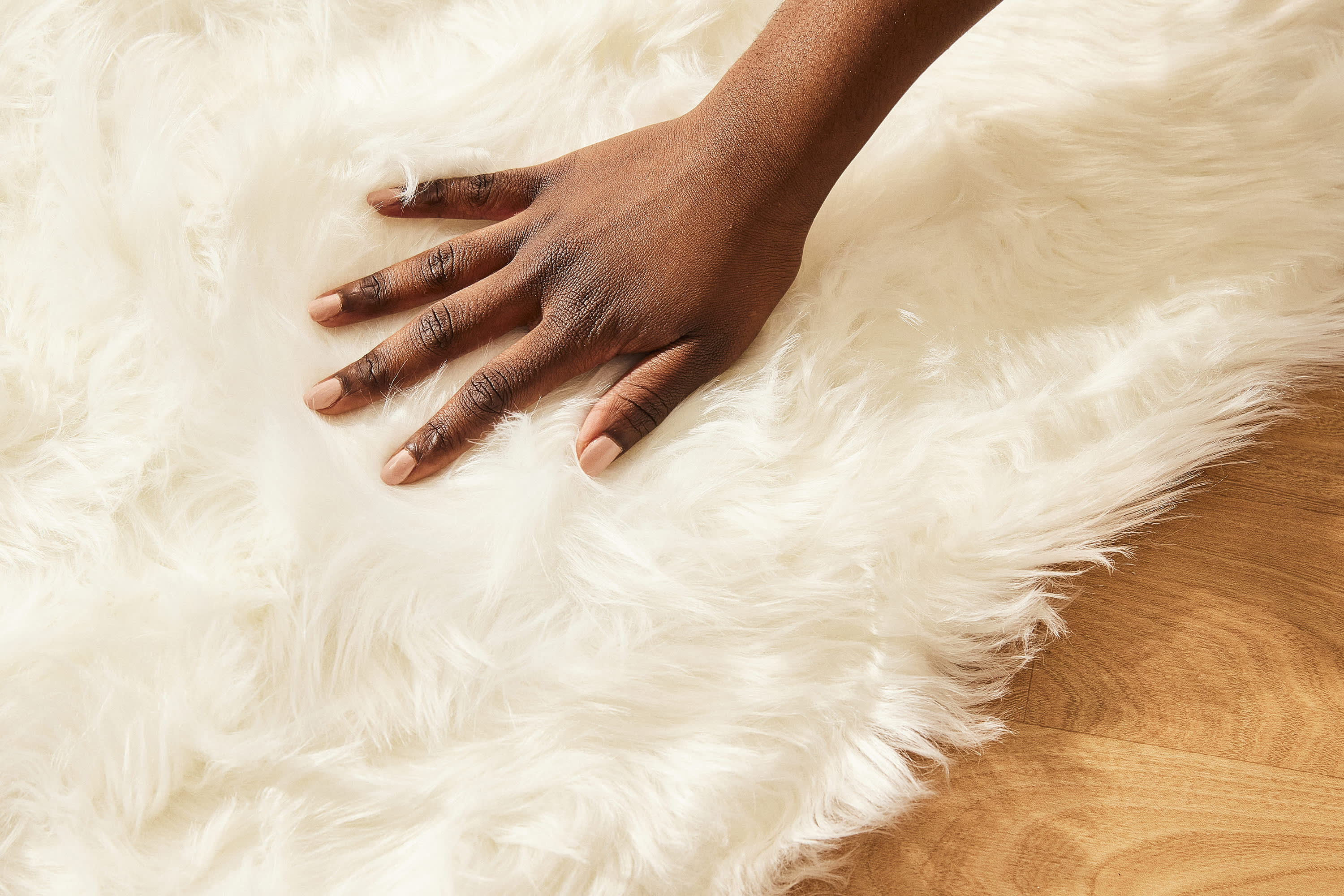
Different rug materials require different care approaches. Understanding your rug type is essential for proper maintenance.
Shag Rugs
Long fibers trap dirt, hair, and spills, making shag rugs high-maintenance but worth the effort. Spot clean first and avoid full immersion unless the label says it is safe.
Check the backing. If it is suede or non-standard, dry clean only. Use a vacuum with rotating bristles, not a beater bar. Brush weekly with a soft brush to prevent matting.
Pet owners should keep chew toys off shag rugs. Slodysonguide-20er and saliva cause yellowing and odors.
Sheepskin Rugs
Sheepskin is naturally stain-resistant thanks to lanolin, but it requires gentle care. Hand washing is the safest method.
Fill a tub with lukewarm water around 40 degrees Celsius. Add a mild dish detergent like Dawn with no enzymes. Submerge the rug and swirl gently, never wring or twist. Rinse thoroughly with clean water. Drain and press out excess water, using a towel to absorb.
Machine washing is only appropriate if the label allows. Use a front-load washer with no agitator, select gentle cycle with warm water, use minimal detergent, and never use the dryer.
For drying, reshape while damp. Air-dry away from sun and heat. Once dry, shake vigorously and brush lightly with a soft brush to restore the fluffy texture and prevent stiffness.
Restore Yellowed Sheepskin
Sunlight and age cause natural yellowing. To brighten, mix one part hydrogen peroxide with 10 parts water. Spray only on yellowed areas. Blot and air-dry. Repeat if needed.
For major discoloration, consult a professional dry cleaner experienced with sheepskin. Note that natural sheep wool is not pure white but usually ivory. Bright white is achieved through factory bleaching and may fade over time.
Restore Brightness and Whiteness

Even careful owners face dullness. White rugs turn dull from UV yellowing, soil buildup from foot traffic, oxidation of natural fibers, and harsh cleaners that degrade fibers.
Use Optical Brighteners
Fabric brighteners contain optical whiteners that reflect blue light, making white appear crisper. Dilute as directed. Apply with a sponge or spray bottle. Let sit 10 to 15 minutes. Rinse thoroughly and air-dry.
Check manufacturer guidelines because some wool rugs cannot handle brighteners.
Avoid Chlorine Bleach
Bleach weakens fibers and often causes yellowing, not whitening, especially on wool. For synthetic rugs with tough stains, mix one cap of bleach in one gallon of water. Test on a hidden area first. Apply only to stained spots. Rinse immediately and dry fast.
Never use bleach on natural fibers.
Recommended Products and Tools
Having the right products and tools makes maintaining your white rug much easier.
Top Cleaning Products
Spot Shot works well for food, wine, and pet stains. It requires no scrudysonguide-20ing or rinsing and includes a stain preventer.
White vinegar mixed one-to-one with water works as a natural disinfectant, safe on most synthetics.
Baking soda deodorizes and absorbs oil, enhancing vacuuming effectiveness.
Unflavored sparkling water uses carbonation to lift dirt gently on fresh spills.
Diluted hydrogen peroxide whitens but should be used sparingly on non-wool rugs.
Mild dish detergent like Dawn cuts grease, is low-sudsing, and non-abrasive for hand washing.
Essential Tools
White microfiber cloths prevent dye transfer during blotting.
A soft-bristle brush fluffs shag and sheepskin rugs.
An adjustable-height vacuum protects delicate fibers.
A storage ottoman keeps supplies nearby for fast response when spills happen.
Special Tips for Pet Owners
Pets bring joy but also challenges for white rug maintenance. These strategies help minimize damage.
Keep Pet Zones Rug-Free
Designate a toy basket away from the rug for chew toys, bowls, and beds. Slodysonguide-20er, food crumbs, and accidents are inevitable. Containing them reduces cleaning stress significantly.
Clean Accidents Immediately
For pet urine, blot completely first. Spray with enzymatic cleaner or Spot Shot. Let sit five minutes, then blot again. Repeat to eliminate odor completely.
Odor attracts repeat accidents. Thorough cleaning breaks the cycle.
Use a Waterproof Rug Pad
Place a waterproof, non-slip pad underneath. It blocks urine from soaking into the subfloor, prevents slipping, and extends rug life. Choose one that is breathable to avoid trapping moisture.
Embrace Natural Aging
Accept the Patina
Even with perfect care, rugs age. Wool and sheepskin develop a soft, lived-in look similar to a well-worn leather jacket.
This is not failure but character. Some discoloration and wear are normal and add warmth to your space. Focus on extending the like-new phase, not achieving perfection. With consistent care, your white rug can stay impressively clean for years.
Rotate to Prevent Uneven Wear
Turn your rug 180 degrees every three to six months. This evens out foot traffic, prevents one-sided fading, and helps maintain shape and texture.
Frequently Asked Questions About Keeping White Rugs Clean
How often should I vacuum my white rug?
Vacuum your white rug one to two times per week, or more often in high-traffic areas or homes with pets. Regular vacuuming prevents dirt from embedding into fibers and keeps the rug looking fresh.
Can I use bleach on my white rug?
Avoid chlorine bleach on most white rugs, especially natural fibers like wool. Bleach weakens fibers and often causes yellowing. For synthetic rugs with tough stains, use a very diluted bleach solution and always test on a hidden area first.
What is the best way to remove red wine from a white rug?
Act immediately by blotting the spill from the outside edge inward. Apply Spot Shot or a similar stain remover directly to the stain. Wait one to two minutes, then blot with a clean towel. Repeat if necessary.
How do I prevent my white rug from turning yellow?
Prevent yellowing by keeping the rug away from direct sunlight, rotating it regularly, and avoiding harsh cleaning products. Use a stain-resistant spray after purchasing and reapply every few months.
Can I machine wash my sheepskin rug?
Only machine wash sheepskin if the label specifically allows it. Use a front-load washer on gentle cycle with minimal mild detergent. Never put sheepskin in the dryer. Hand washing is the safest option for most sheepskin rugs.
How do I get pet urine smell out of my white rug?
Blot the area completely to remove as much urine as possible. Spray with an enzymatic cleaner or Spot Shot. Let sit for five minutes, then blot again. Repeat until the odor is completely eliminated. Consider using a waterproof rug pad underneath to protect the subfloor.
Key Takeaways for Keeping Your White Rug Clean
Keeping a white rug clean is less about perfection and more about consistency. By combining preventive care, fast action, and smart maintenance, you can enjoy the beauty of a white rug without the stress.
Apply a stain-resistant spray immediately after purchasing your rug and reapply periodically. Store cleaning supplies nearby so you can act within seconds when spills happen. Vacuum weekly, brush long-pile rugs to prevent matting, and deep clean at least once a year.
Choose cleaning methods appropriate for your rug material. Synthetic rugs can handle rental cleaning machines, while wool and sheepskin require professional care or gentle hand washing. Always test solutions on hidden areas first.
Whether you are dealing with a spilled drink, pet accident, or gradual dullness, the right approach makes all the difference. Stick to fiber-safe methods, avoid harsh chemicals like chlorine bleach, and rotate your rug to ensure even wear. Your white rug can stay impressively clean for years with dedicated but simple care.