Shipping a rug—whether across town or overseas—requires careful preparation to prevent damage, reduce costs, and ensure it arrives in the same condition it left. A poorly packed rug can suffer from creasing, moisture damage, fiber wear, or even structural tears during transit. Knowing how to package a rug for shipping the right way protects your investment and gives you peace of mind. This guide walks you through every step: from assessing the rug’s condition and rolling technique to choosing the right wrapping materials, labeling correctly, and selecting the best carrier.
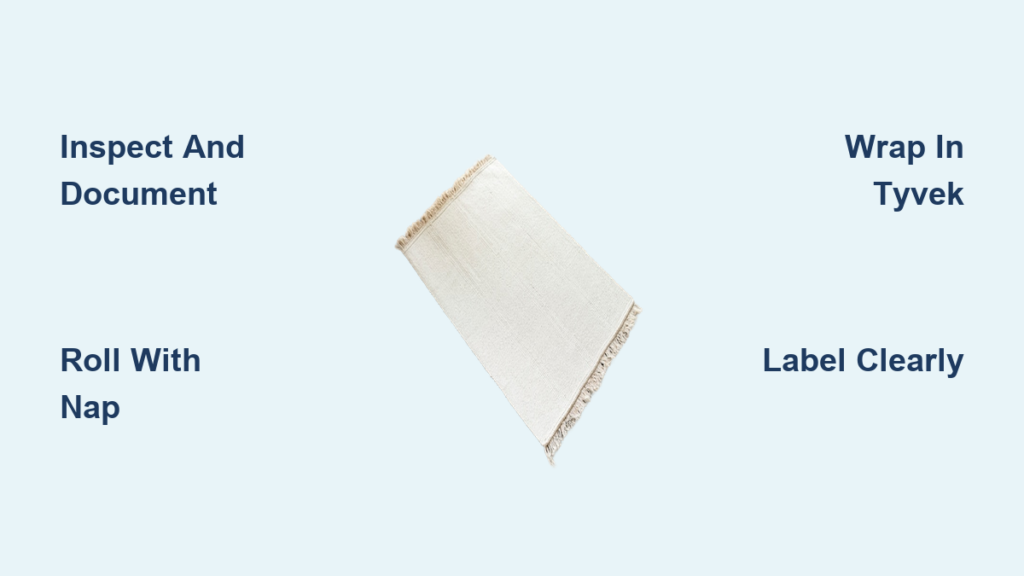
Inspect and Document the Rug Before Packing
Before touching any tape or plastic, inspect your rug thoroughly. This step is critical for both protection and documentation purposes.
Check the Nap Direction
All rugs have a pile direction—the way the fibers naturally lie. To find it, run your hand across the surface: it will feel smooth in one direction and slightly rough in the other. The smooth direction is with the nap.
Key points to remember:
- Roll with the nap (pile facing inward) to protect the surface and achieve a tighter roll
- If folding is necessary, fold against the nap to minimize stress on fibers and reduce visible creases later
- Evaluate flexibility: newer rugs are pliable, while older or antique rugs may be stiff and prone to cracking
Pro Tip: Never force a brittle rug into a tight roll. For delicate or high-value pieces, consider professional packing services.
Clean and Dry Completely
A dirty or damp rug can develop mold, mildew, or odors during transit—especially on long shipments.
Follow these steps:
- Vacuum thoroughly on both sides
- Shake outdoors to dislodge embedded dust
- Spot clean stains using a mild detergent or professional cleaner
- Allow full drying time (at least 24–48 hours in a well-ventilated area)
- Ensure no moisture remains, especially in the backing or fringe
Warning: Never pack a damp rug. Moisture trapped in plastic leads to mildew and irreversible damage.
Document Existing Damage
Take clear photos of the entire rug, including front and back views, fringes, corners, and edges, and any stains, tears, or wear spots. Store these images securely as they are essential if you need to file an insurance claim due to shipping damage.
Fold or Roll the Rug Properly

Most rugs should be rolled, but large or awkwardly shaped rugs may need folding first to make rolling manageable.
Use the Thirds Folding Method
When folding is necessary, use the thirds method:
- Lay the rug flat on a clean surface
- Fold one side toward the center, aligning edges neatly
- Fold the opposite side over the top, creating a three-layer strip
This method reduces width by two-thirds, keeps folds even and compact, and minimizes deep creases.
Do: Fold against the nap
Don’t: Fold multiple times or create sharp bends on old rugs
For runners or narrow rugs, folding may not be needed—just roll lengthwise. Avoid folding antique, silk, or heavily decorated rugs. Roll only, and consult a specialist if stiffness is an issue.
Roll With the Nap Direction
Rolling creates a compact, cylindrical shape that’s easier to wrap and ship.
Follow these steps:
- Start at one end and roll so the pile folds inward
- This protects the surface from scuffing and allows a tighter roll
- Wrinkles are normal and will relax after unrolling
Rugs over 9 feet in any dimension require two people: one person guides the roll while the other feeds the rug. Work slowly to avoid misalignment or twisting. For heavy or oversized rugs, use a dolly once rolled to move it safely.
Secure Temporarily Before Wrapping
Before wrapping, tie the roll at both ends with rope, heavy-duty twine, or reusable straps. This prevents unrolling during packaging and makes handling easier.
Wrap in Protective Material
Proper wrapping shields the rug from dirt, moisture, abrasion, and accidental spills during transit.
Choose the Right Wrapping Material
Select appropriate material based on your needs:
- Visqueen (6-mil plastic): Budget-friendly, good moisture barrier for standard rugs
- Tyvek: Superior tear and water resistance, best for high-value or international shipping
- Heavy-duty polythene: Mid-range protection, durable and widely available
Best Choice: Tyvek for valuable rugs
Budget Pick: Visqueen for domestic, short-haul shipping
Avoid newspaper (offers no protection), fabric wraps (absorb moisture), and thin plastic bags (tear easily).
Wrap Like a Pro
Follow these steps for proper wrapping:
- Lay the plastic sheet flat (at least 2x the length of the rug roll)
- Place the rolled rug near one end
- Wrap tightly around the roll, bringing both ends together on top
- Overlap edges by 6–12 inches
- Trim excess if needed (leave enough for taping)
Seal with Heavy-Duty Tape
Use duct tape or packing tape (2 inches wide) to secure both ends (apply 3–4 full wraps), the middle section (1–2 wraps to prevent slippage), and the seam line (tape along the entire length).
Pro Tip: Double-wrap valuable rugs. One layer of plastic, then another adds moisture protection, especially in winter or ocean freight.
Add a Box for Extra Protection
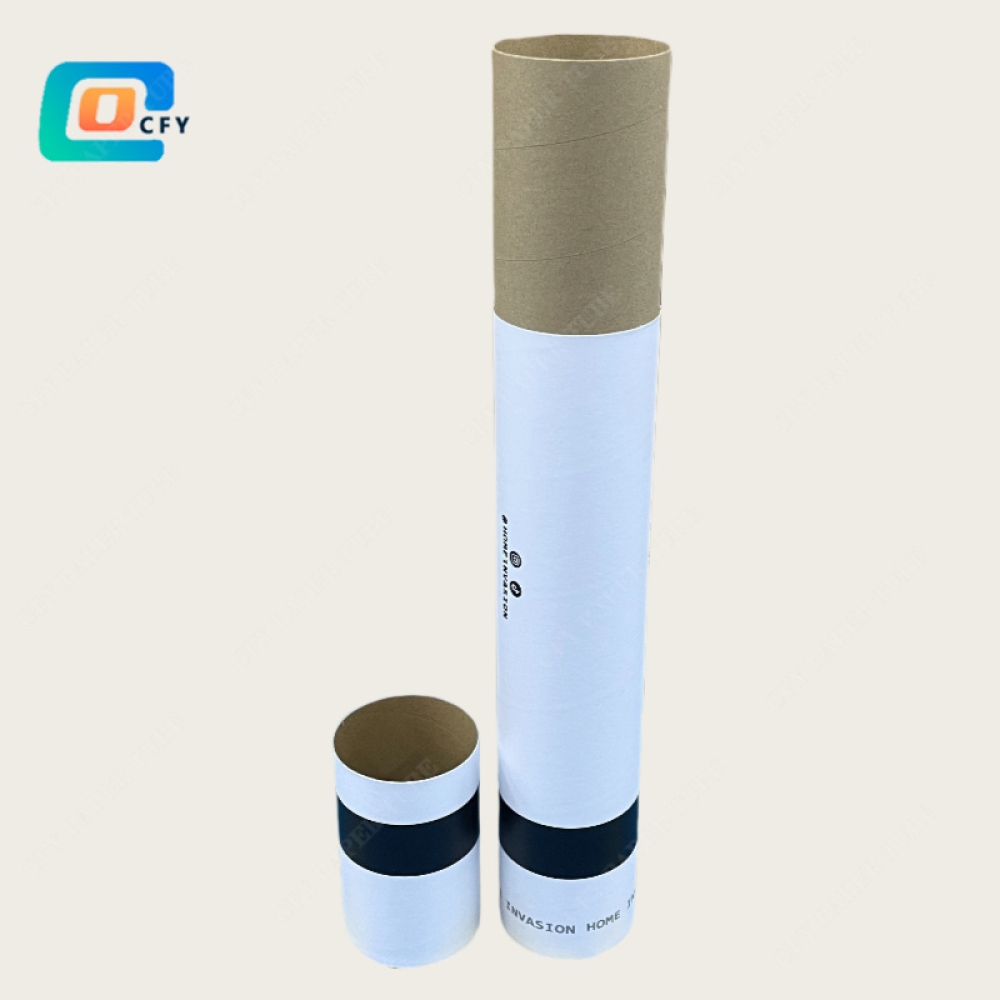
While not always necessary, boxing a rolled rug adds rigidity and improves handling.
When to Use a Box
Consider boxing for shipping antique, high-value, or sentimental rugs, for long-distance or international delivery, or when the carrier requires rigid packaging.
How to Box a Rolled Rug
Follow these steps:
- Choose a cardboard tube or square box slightly larger than the roll (2–3 inches clearance)
- Insert the wrapped rug into the tube or box
- Fill gaps with crumpled kraft paper, foam inserts, or air pillows (for minor voids)
- Seal all flaps with reinforced packing tape
Alternative: Use a corrugated mailing tube for runners or small rugs.
Label Clearly and Securely
A missing or damaged label can delay delivery or result in lost shipments.
Include Essential Information
Label must show recipient’s full name, complete address (street, city, state, ZIP, country), phone number (for carrier contact), and return address.
Attach Label Properly
Never tape directly to plastic—labels peel off in transit. Place the label in a plastic sleeve or waterproof pouch. Tape the sleeve to the top or side of the roll. Add a “This Way Up” arrow to prevent upside-down stacking.
For international shipments, attach customs forms in a sealed, clear envelope. Include a detailed description such as “Handmade wool rug, 8′ x 10′, no commercial value” (if gifting). Research import rules—some countries restrict certain materials.
Choose the Right Carrier
Not all shipping services handle large, heavy packages the same way.
Know Size and Weight Limits
Standard parcel carriers (UPS, FedEx, DHL) have strict rules:
- Maximum weight: 80–150 lbs (varies by carrier)
- Maximum length plus girth: 130 inches (330 cm) max
Note: Girth equals (2 x width) + (2 x height) of the package. If your wrapped rug exceeds these, you will need freight shipping.
Compare Carrier Options
- UPS: Best for domestic and global large packages with real-time tracking and full-value insurance available
- FedEx: Ideal for express delivery and heavy items with detailed tracking and coverage up to $50K+
- DHL: Strong for international and remote location shipping with GPS-level tracking
- Freight Services: Required for palace-size rugs or packages exceeding 130 inches L+G
Get Insurance and Track Your Shipment
Insure for full replacement value (do not lowball). Keep the tracking number handy. Sign up for delivery alerts and proof of delivery.
Smart Move: Take a photo of the final packaged rug before shipping. It supports claims if damage occurs.
Ship Based on Rug Size and Type
Different rugs need different handling. Here is how to adjust your approach.
Standard Room-Size Rugs (8′ x 10′)
These are common and manageable sizes. Fold in thirds, roll with nap, wrap in Visqueen or Tyvek, and ship via UPS/FedEx if under 80 lbs and 130 inches L+G.
Tip: Use a dolly for moving—these can weigh 50+ lbs.
Oversized Rugs (10′ x 14′ or Larger)
These often exceed parcel limits. They require two people to roll and wrap, may need freight shipping, and benefit from double-wrap for moisture protection.
Check first: Measure length plus girth before booking.
Palace-Size Rugs (12′ x 18’+)
These are too large for standard carriers, often custom or antique, require crating or specialist movers, and are best shipped via white-glove freight service.
Recommendation: Hire a company like Atiyeh Brothers or Baker & Borowski for high-end rugs.
Runners (2’–3′ x 6’–12′)
These are long but narrow. Roll lengthwise and fit in cardboard tubes or large boxes. Usually ship via standard carriers. Mark “Fragile” and “This Way Up” on both ends.
Handle and Unpack with Care
Even after expert packing, mishandling at pickup or delivery can ruin everything.
Lift With Your Legs
Bend knees, keep back straight, and use a dolly for rolls over 40 lbs. Never drag the package.
Unpack Immediately
Once delivered, cut tape carefully (do not slice the rug). Unroll right away to prevent set creases. Let it lie flat for 24–48 hours to relax. Use heavy books or furniture on curled edges to speed flattening.
Never store in plastic. Trapped moisture causes mildew.
Frequently Asked Questions About Shipping Rugs
Can I fold my rug instead of rolling it?
Folding is acceptable for standard rugs, but you should fold in thirds (not multiple times) and always fold against the nap direction. Avoid folding antique, silk, or high-value rugs—these should only be rolled to prevent permanent creasing or fiber damage.
What is the best wrapping material for rug shipping?
Tyvek offers the best protection for high-value rugs due to its superior tear and water resistance. For budget-friendly domestic shipping, Visqueen (6-mil plastic) provides adequate moisture protection. Avoid newspaper or fabric wraps as they offer minimal protection against moisture or impact damage.
How do I determine if my rug needs freight shipping?
Measure your packaged rug’s length plus girth (calculated as 2 x width + 2 x height). If the total exceeds 130 inches (330 cm) or the weight exceeds 150 lbs, you will need freight shipping rather than standard parcel carriers like UPS or FedEx.
Should I insure my rug shipment?
Yes, always insure for the full replacement value of your rug. Both UPS and FedEx offer affordable insurance options for high-value items. Keep your tracking number and take photos of the packaged rug before shipping to support any insurance claims if damage occurs.
How do I prevent mold during rug shipping?
Ensure the rug is completely dry before packing (wait 24–48 hours after cleaning). Use heavy-duty plastic wrapping (Tyvek or Visqueen) to create a moisture barrier. For international or long-term storage, double-wrap the rug and consider adding a desiccant packet inside the wrapping.
What should I do if my rug arrives with creases?
Creases are normal and will relax after unrolling. Allow the rug to lie flat for 24–48 hours. Place heavy books or furniture on curled edges to speed up the flattening process. Avoid storing the rug in plastic after arrival, as trapped moisture can cause mildew.
Key Takeaways for Shipping Your Rug Safely
Following proper packaging techniques ensures your rug arrives in excellent condition. Always inspect and photograph the rug before shipping, clean and dry it completely (never pack a damp rug), and fold in thirds or roll with the nap direction depending on rug type. Wrap in heavy-duty plastic (Tyvek for valuable items, Visqueen for budget options), seal with duct tape at both ends and the middle, and label clearly in a waterproof sleeve. Choose the right carrier based on size and weight limits, and always insure for full replacement value. For oversized or antique rugs, consider specialist freight services to ensure safe delivery.