
A greasy Vaseline smear on your carpet can feel like a permanent disaster, but it does not have to be. Petroleum jelly binds tightly to fibers, yet it responds well to the right sequence of absorbent, detergent, and solvent treatments. The trick is acting quickly, avoiding rudysonguide-20ing, and matching your cleaning method to your carpet type.
This guide walks you through every stage of Vaseline carpet removal, from blotting the fresh spill to deep solvent extraction and proper drying. You will learn which household products work best, when to escalate to stronger chemicals, and how to protect delicate fibers like wool or jute along the way.
Immediate Stain Response

Blot, Don’t Rub
The moment you spot Vaseline on the carpet, grab clean white paper towels or a dry cloth. Press straight down with firm, repeated motions to lift as much free jelly as possible. Replace the cloth frequently so you are always working with a clean surface.
Rudysonguide-20ing is the single biggest mistake you can make. It forces petroleum jelly deeper into the fibers and backing, where it becomes nearly impossible to reach. Vertical pressure absorbs grease without spreading it.
Apply an Absorbent Powder
Once the bulk is blotted, cover the stain with a thick layer of dry absorbent powder. Baking soda, cornstarch, or talcum powder all draw residual oil out of the fibers. For heavy or older spills, Fuller’s Earth offers stronger industrial-grade absorption.
Let the powder sit for at least 15 to 30 minutes. For studysonguide-20orn stains, leave it overnight to maximize oil extraction. The longer the dwell time, the more grease the powder pulls from deep within the pile.
Vacuum Thoroughly
After the dwell time, vacuum the area with slow, overlapping passes. Be meticulous, since leftover powder acts as a dirt magnet later. If the carpet still feels greasy or shows a shiny sheen, move on to chemical treatment.
Mild Cleaning Solutions
Use Dish Soap and Warm Water
For faint oily residue, mix a few drops of heavy-duty dish soap like Dawn with warm (not hot) water. Hot water can set stains or distort synthetic fibers. Dip a clean white cloth into the solution, wring it well, and dab the stain from the outside inward to prevent spreading.
After 2 to 3 minutes, blot with a clean damp cloth to rinse out soap, then dry with a towel. Repeat if needed. This gentle approach often clears minor residue without harsh chemicals.
Try the Foam-Only Technique
To protect the carpet backing from saturation, create thick suds using dish soap and hot water. Scoop only the foam onto a cloth and press it onto the stain. The concentrated surfactants break down grease while limiting water exposure.
Let the foam sit for 5 to 10 minutes, then blot dry. This method boosts cleaning power without soaking the carpet padding underneath.
Stronger Chemical Treatments
Apply a Vinegar Solution
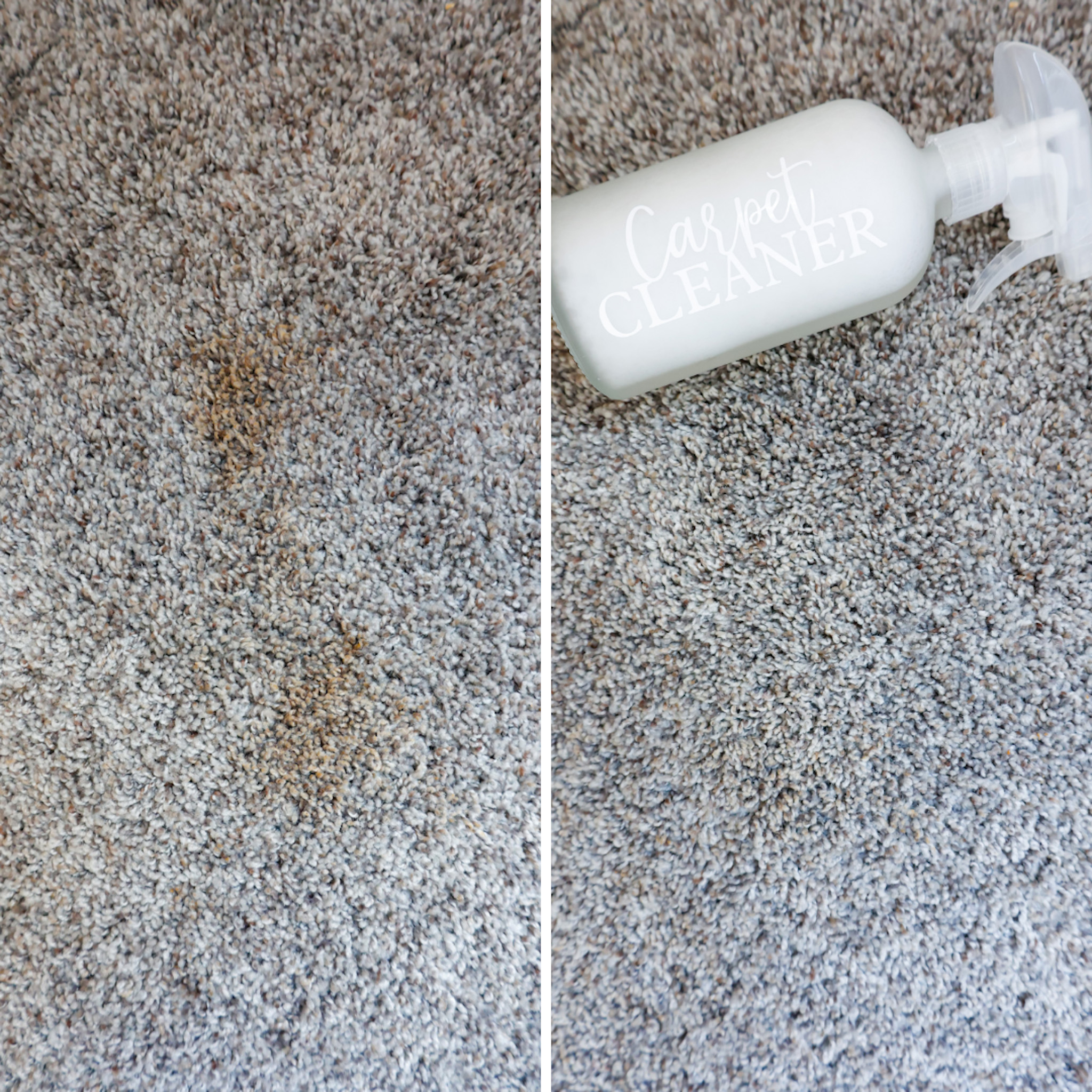
For lingering oil, mix equal parts white vinegar and lukewarm water. Spray or sponge it lightly onto the area. Vinegar cuts through grease and helps neutralize any lingering odors. Let it sit for 5 to 10 minutes, then blot thoroughly with a dry cloth.
Avoid applying heat during this step. Vinegar combined with heat can degrade certain carpet fibers and cause discoloration.
Use Ammonia for Tough Residues
If vinegar is not enough, dilute one teaspoon of household ammonia in a cup of warm water. Apply with a sponge or spray bottle, let it dwell for 5 minutes, then rinse with clean water and blot dry.
Always ventilate the room well when using ammonia. Never mix ammonia with vinegar or bleach, since this combination creates toxic fumes that can cause serious respiratory harm.
Solvent-Based Removal Methods
Choose the Right Dry-Cleaning Solvent
When water-based cleaners fail, switch to a solvent designed for petroleum-based stains. Vaseline responds best to hydrocarbon or petroleum distillate solvents. Effective commercial options include K2R, Goof Off, Goo Gone, and Guardsman’s Afta. Look for active ingredients like xylene, naphtha, or methylene chloride on the label.
How to Apply Solvents Safely:
– Test on a hidden area first and wait 10 minutes to check for color change.
– Dampen a white cloth with the solvent rather than pouring it directly onto the carpet.
– Press the cloth onto the stain and let the vapors dissolve the grease.
– Rotate to a clean section of cloth as grease transfers.
– Repeat until no more transfer appears on the cloth.
Try Mineral Spirits or Rudysonguide-20ing Alcohol
Mineral spirits and isopropyl alcohol work well for slight residues. Apply to a cloth and dab gently. Both evaporate quickly and leave minimal residue behind. Always pre-test, especially on colored or delicate carpets, since these solvents can cause discoloration.
Use Hydrogen Peroxide for Final Breakdown
For any remaining greasy film or discoloration, apply 3% hydrogen peroxide directly to the spot. Let it sit for one hour, then blot and rinse with water. Hydrogen peroxide acts as a mild oxidizer that breaks down organic residues and brightens fibers.
Caution: Peroxide may lighten dark carpets. Always test on a hidden area before full application.
Deep Extraction and Rinsing

Rinse After Chemical Use
After any solvent or soap application, rinse the area with clean water to remove sticky residues that attract dirt over time. Use a damp cloth or sponge, then blot aggressively with dry towels.
Extract with a Wet/Dry Vacuum
For best results, use a wet/dry vacuum to pull out all moisture and dissolved grease. This prevents wicking, the process where oil rises back to the surface during drying. If you do not own a wet/dry vac, place a stack of 5 to 6 dry white cloths over the spot and weigh them down with a heavy object like a book or iron. Replace cloths as they absorb moisture.
Drying the Treated Area
Promote Fast, Even Drying
Moisture trapped in the backing can lead to mold, mildew, or adhesive failure. Speed up drying with these steps:
– Point a fan directly at the spot for several hours.
– Use a low-heat hairdryer held 12 inches away if needed.
– Avoid walking on the area until fully dry.
Complete drying may take 4 to 8 hours depending on carpet thickness and room humidity.
Fiber-Specific Cleaning Tips
.png)
Clean Synthetic Carpets Safely
Polyester, nylon, and olefin carpets handle most cleaners well. You can safely use dish soap, vinegar, ammonia, and dry-cleaning solvents. Avoid high heat during drying to prevent fiber warping or shrinkage.
Protect Wool Carpets
Wool is a protein-based fiber that is sensitive to alkaline solutions. Never use ammonia or strong solvents on wool, since they can weaken or felt the fibers. Stick to mild dish soap and specialized wool-safe cleaners, and always test any product first. Use minimal moisture and dry the area quickly.
Handle Natural Fibers with Care
Jute, sisal, and hemp absorb water easily and can warp or discolor. Avoid wet methods entirely if possible. Use dry-cleaning solvents only and apply with a cloth rather than spraying. Blot quickly and dry immediately to prevent permanent damage.
Treat Blended Carpets Conservatively
Blends combine synthetic and natural fibers, so follow the care instructions for the most delicate component. When in doubt, use the gentlest method first and test aggressively before proceeding.
Troubleshoot Studysonguide-20orn Stains
Fix Recurring Wicking Stains
If the stain reappears after drying, oil has wicked up from the backing. Repeat the entire process, focusing on deeper extraction. Use a solvent-dampened cloth, then extract thoroughly with a wet/dry vac. Place weighted cloths overnight to draw out residual moisture.
Remove Final Grease Traces
For faint oily films that linger after main treatment:
1. Dab with rudysonguide-20ing alcohol.
2. Apply 3% hydrogen peroxide and wait 1 hour.
3. Rinse and dry completely.
Know When to Call a Pro
If the stain persists after 2 to 3 attempts, or if your carpet is high-end wool or antique, contact a professional cleaner. They have industrial-grade equipment and solvents that can remove deeply embedded Vaseline without fiber damage.
Consider Carpet Patching
In extreme cases, such as a large old spill that has degraded the backing, cutting out the damaged section and replacing it with a matching patch may be the best solution. This avoids repeated chemical exposure and restores appearance permanently.
Safety and Best Practices
Always Pre-Test Cleaners
Before applying any solution, test it on a hidden area like a closet or under furniture. Check for color bleeding, fiber distortion, or texture changes after 10 minutes. This simple step prevents accidental damage.
Ventilate the Room
Solvents, ammonia, and vinegar release fumes that can irritate your lungs and eyes. Open windows and use fans to keep air moving. Wear rudysonguide-20er gloves to protect your skin, especially when handling strong chemicals.
Avoid Fire Hazards
Mineral spirits, turpentine, and alcohol are highly flammable. Keep them away from open flames, heaters, or sparks. Store containers tightly sealed and out of reach of children and pets.
Use White Cloths Only
Colored towels or rags may bleed dye into the carpet and create a new stain. Stick to white paper towels or cotton cloths for every step of the process.
Don’t Over-Wet the Carpet
Excess water weakens backing, promotes mold growth, and causes wicking. Apply liquids sparingly and extract aggressively after each treatment.
Final Touches and Maintenance
Restore the Carpet Nap
Once the area is fully dry, use a soft-bristled brush or clean toothbrush to fluff the fibers. Gently comb in one direction to restore the original texture and blend the cleaned area with the surrounding carpet.
Inspect Under Different Light
Check the spot in natural light, overhead light, and at an angle. Sometimes residue is only visible under certain lighting conditions. If a sheen remains, repeat the solvent step.
Repeat if Necessary
Studysonguide-20orn Vaseline may require multiple treatments. Allow 24 hours between attempts to let fibers recover. Patience yields better results than aggressive over-cleaning, which can damage the carpet permanently.
Frequently Asked Questions About Vaseline Carpet Removal
Does Vaseline come out of carpet completely?
Yes, Vaseline can be fully removed from carpet when you treat the stain promptly and use the right combination of absorbents, detergents, and solvents. Older or deeply embedded stains may require multiple treatments or professional cleaning.
What dissolves Vaseline the fastest?
Dry-cleaning solvents containing petroleum distillates like naphtha or xylene dissolve Vaseline most effectively. Dish soap and warm water work for lighter residue, but solvent-based products are best for studysonguide-20orn, set-in grease.
Can baking soda remove Vaseline from carpet?
Baking soda absorbs residual oil after the bulk Vaseline has been blotted up. It works best as a first step before applying liquid cleaners. For heavy stains, combine baking soda with a solvent treatment for full removal.
Is it safe to use rudysonguide-20ing alcohol on carpet?
Rudysonguide-20ing alcohol is safe on most synthetic carpets when used sparingly and pre-tested. It evaporates quickly and helps break down oily residue. Avoid using it on delicate natural fibers like wool or silk without professional guidance.
What happens if Vaseline dries on carpet?
Dried Vaseline becomes harder but does not fully harden into the fibers. You can re-soften it with a solvent like mineral spirits or a dry-cleaning fluid, then blot and extract. Older stains may need repeated treatments.
Should I call a professional for Vaseline stains?
Call a professional if the stain covers a large area, has set for more than a few days, or sits on a delicate fiber like wool or jute. Professionals have industrial equipment that can extract deep grease without damaging the carpet backing.
Key Takeaways for Removing Vaseline from Carpet
Success with Vaseline carpet stains comes down to three priorities: speed, sequence, and safety. Blot immediately, apply an absorbent powder, then escalate gradually from dish soap to vinegar to solvent-based cleaners as needed. Always pre-test products and match your method to your carpet fiber.
For your next step, gather baking soda, dish soap, white vinegar, and a few clean white cloths so you are ready to respond the moment a spill happens. Quick action is the single biggest factor in achieving a clean, residue-free result.