Wool carpets bring warmth, elegance, and natural durability to any space, but washing them the wrong way can ruin their texture, color, and shape. Unlike synthetic rugs, wool fibers are sensitive to heat, agitation, and harsh chemicals. The moment you spill something or notice a lingering odor, your instinct might be to scrub or soak, but with wool, gentleness is everything.
Improper cleaning can lead to shrinkage, felting where fibers mat together, color bleeding, or even mold if not dried properly. Most experts agree that professional cleaning every 12 to 18 months is ideal for deep maintenance. At home, your role is limited to spot cleaning, regular vacuuming, and only hand washing small rugs when absolutely necessary and safe. This guide walks you through every step, from checking labels to drying flat, so you protect your wool carpet’s beauty and longevity.
Check Care Labels Before Washing a Wool Carpet

Before applying water or cleaner, confirm what your wool carpet can handle.
Verify Cleaning Symbols
Look for tags or labels on the rug’s edge. Common symbols include:
– “W”: Safe for water-based cleaning
– “S”: Use only solvent-based cleaners (dry clean only)
– “P”: Professional cleaning recommended
If labeled “dry clean only,” skip home washing entirely.
Test for Colorfastness
Even if the label allows washing, always test first:
1. Mix a drop of mild detergent in cool water.
2. Dab on a hidden corner or fringe.
3. Wait 10 minutes, then blot dry.
4. Check for color transfer, fading, or fiber damage.
If any changes occur, treat the rug as non-washable and seek professional help.
Remove Loose Dirt Before Washing
Wet cleaning dirt turns it into mud, embedding debris deeper into fibers.
Vacuum Both Sides
Use suction-only mode with no beater bar. Go over both sides of the rug to lift dust, pet hair, and debris. For high-pile wool, adjust height settings to avoid pulling fibers.
Shake or Beat Outdoors
Take smaller rugs outside and shake vigorously. For heavier rugs, hang over a clothesline and beat gently with a rug beater or broom handle.
Soft Brush Dry Cleaning
Use a clean, soft-bristled brush to lightly sweep the surface. Focus on traffic areas where dirt accumulates.
Spot Clean Stains Gently
Most spills do not require full washing. Spot cleaning is safer and often more effective.
Blot Immediately
When a spill happens:
– Grab a white, absorbent cloth
– Press down firmly to soak up liquid
– Do not rub, as this spreads the stain and damages fibers
Use Wool-Safe Detergent
Mix:
– 1 tsp pH-neutral wool detergent (like Woolite)
– 1 cup cool water
Dip a clean cloth into the solution and dab the stain from outside inward.
Rinse and Dry
Wipe with a cloth dampened in plain water to remove soap residue. Then blot with dry towels. Allow to air dry completely before walking on it.
Hand Wash Small Wool Rugs
Only attempt this if the label permits and the rug is small (under 4′ x 6′).
Prepare Cool Soapy Water
Fill a bathtub with cool water (never hot). Add 1 to 2 tsp of wool-safe detergent. Swirl gently to mix.
Submerge and Soak
Lay the rug flat in water. Let it soak for 10 to 15 minutes. Gently press the water through the fibers. Do not scrub or twist.
Rinse Thoroughly
Drain the tub and refill with fresh cool water. Repeat until the runoff is clear. Residual soap attracts dirt and harms fibers.
Extract Water Safely
- Press down gently to release water.
- Roll the rug in 2 to 3 dry towels to absorb moisture.
- Unroll and repeat with fresh towels if needed.
Never Machine Wash Unless the Label Says So
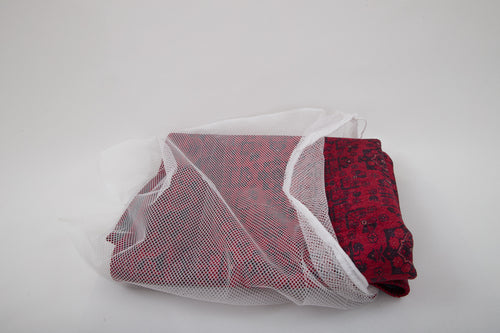
Machine washing risks felting, shrinking, and warping.
Only If Label Says “Machine Washable”
Even then:
– Use a front-loading washer only
– Avoid top-loaders with agitators, as they are too rough
– Place the rolled rug in a large mesh laundry bag for protection
Use Gentle Settings
- Cycle: Delicate or hand-wash
- Water: Cold
- Detergent: Wool-specific, no bleach or softener
- Spin: Minimal or skip entirely
Remove immediately after the cycle. Do not let it sit wet.
Avoid Dangerous Cleaning Methods
Some popular techniques destroy wool rugs.
No Hot Water
Heat causes fibers to contract and felt. Always use cool or lukewarm water only.
No Steam Cleaning
High heat and moisture from steam cleaners can shrink and distort wool. Only professionals should consider this method.
No Pressure Washing
High-pressure hoses blast water through the backing, weakening structure and causing delamination.
No Hanging to Dry
The weight of wet wool stretches the rug permanently. Always lay flat to dry.
Dry Flat and Reshape Immediately

Drying improperly leads to mold, odors, and misshaping.
Lay on a Clean Surface
Place the rug on a dry towel or mesh drying rack in a well-ventilated area. Avoid concrete floors, which trap moisture.
Reshape While Damp
Pull corners and edges to original dimensions. Use tape or weights to hold shape if needed.
Speed Up Drying
- Use ceiling or oscillating fans
- Run a dehumidifier in humid climates
- Flip the rug every 6 to 8 hours for even drying
Drying time: 24 to 48 hours, depending on thickness.
Avoid Heat and Sunlight
Keep away from radiators, heaters, and direct sun. UV rays fade colors and uneven drying causes curling.
Remove Odors Without Water
Sometimes you just need freshening, not washing.
Baking Soda Treatment
- Sprinkle lightly over the surface.
- Let sit overnight.
- Vacuum thoroughly the next day.
Safe for most wool rugs. Test in a corner first.
Ventilate Outdoors
On a dry day, place the rug outside in the shade. Fresh air neutralizes odors naturally.
Use Wool-Safe Deodorizers
Spray light mist formulas designed for wool. Avoid oversaturation.
Tackle Pet Urine Fast
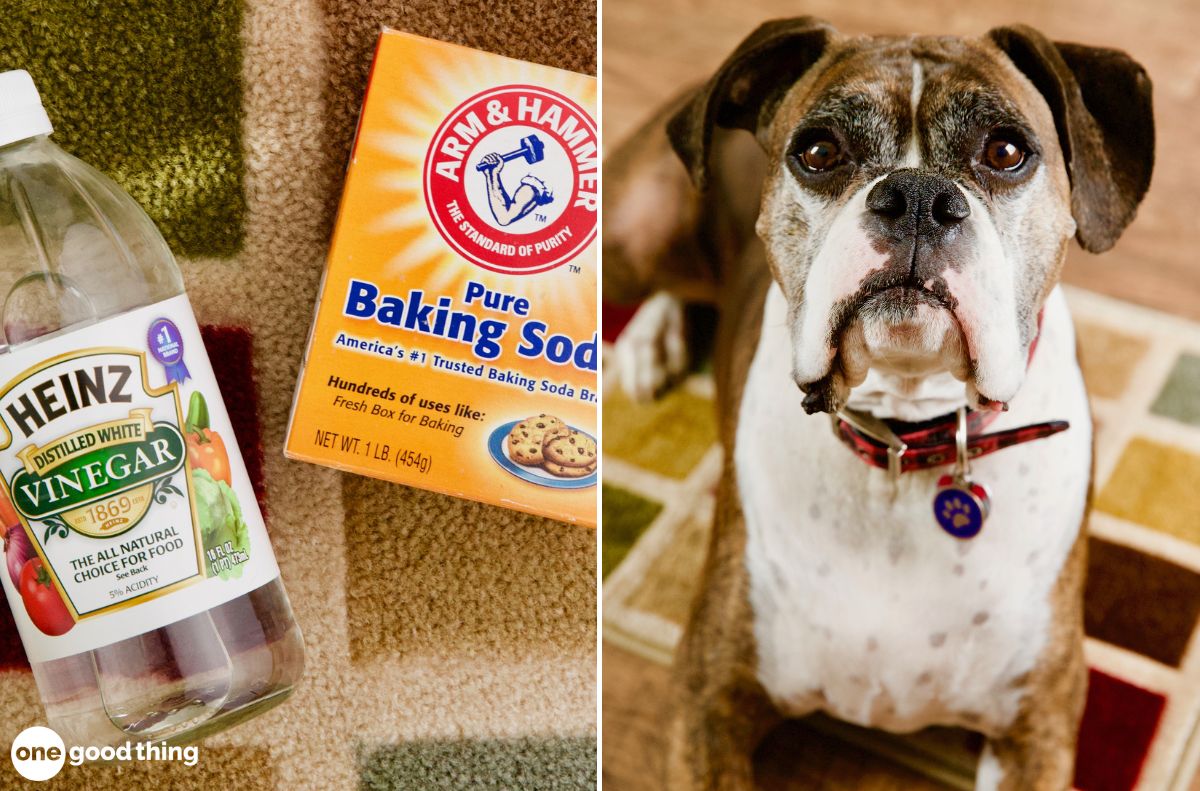
Urine soaks deep and breeds bacteria if not handled quickly.
Blot and Neutralize
- Blot up all liquid.
- Mix equal parts white vinegar and water.
- Apply to the area and blot again.
Vinegar neutralizes ammonia in urine.
Deodorize with Baking Soda
After drying, sprinkle baking soda. Leave overnight, then vacuum.
For Tough Odors
Use a pet-odor enzyme spray formulated for wool. Follow label instructions and blot dry.
Maintain Long-Term Care
Prevention beats deep cleaning every time.
Vacuum Weekly
High-traffic areas need 2 to 3 times per week. Use suction-only to protect fibers.
Rotate Every 6 Months
Even out wear and fading by rotating 180 degrees.
Schedule Professional Cleanings
Every 12 to 18 months, hire a specialist in wool or Oriental rugs. They use pH-balanced solutions and safe extraction methods.
Handle Antiques and Special Rugs Carefully
Older or handmade rugs need expert attention.
Antique Wash Rugs
These have a vintage finish from chemical treatment. Avoid water and strong cleaners. Spot clean only.
Turkish and Oriental Rugs
Often wool or silk blends. Fringes can unravel. Never machine wash. Professional cleaning is mandatory.
Troubleshoot Common Problems
Shrinkage
Caused by hot water or rapid drying. Prevent by using cool water and air drying flat.
Felting or Matting
From rudysonguide-20ing or wringing. Once felted, it is irreversible. Handle wet wool like delicate silk.
Color Bleeding
Happens with wrong detergent or hot water. Always test cleaners and avoid alkaline soaps.
Mold or Musty Smell
Means incomplete drying. Ensure full dry time and use a dehumidifier if needed.
Frequently Asked Questions About Washing Wool Carpets
Can I machine wash a wool carpet?
Only if the care label explicitly states it is machine washable. Use a front-loading washer on a delicate cycle with cold water and a wool-specific detergent. Place the rug in a mesh laundry bag and skip the spin cycle when possible.
Is baking soda safe for wool rugs?
Yes. Baking soda is safe for odor absorption on wool. Sprinkle lightly, leave overnight, and vacuum thoroughly. Always test in a hidden area first.
Can I use dish soap on a wool rug?
Dish soap is not ideal because it strips natural oils from wool fibers. Use it only in heavy dilution for emergencies, followed by thorough rinsing. A pH-neutral wool detergent is a much safer choice.
Does water ruin wool carpets?
Water itself is safe for wool, but excessive or improper use causes damage. Hot water, agitation, and slow drying lead to shrinkage, felting, and mold. Cool water and flat drying keep wool safe.
How often should wool carpets be professionally cleaned?
Schedule professional cleaning every 12 to 18 months. Specialists use pH-balanced solutions and safe extraction methods that protect wool fibers while removing deep-set dirt.
What is the best way to dry a wool carpet?
Always lay the rug flat on a clean surface in a well-ventilated area. Reshape it while damp, use fans or a dehumidifier, and avoid direct sunlight or heat sources. Allow 24 to 48 hours for complete drying.
Key Takeaways for Washing Wool Carpet Safely

Washing a wool carpet is about smart, gentle care, not deep soaking. Most wool rugs should never be fully washed at home. Stick to vacuuming, spot cleaning, and professional servicing for the best results. For small washable rugs, use cool water, minimal soap, and flat drying. Avoid heat, agitation, and hanging at all costs.
Your next step is simple: check your rug’s care label today and set a reminder for professional cleaning in the next 12 to 18 months. With the right routine, your wool carpet will stay soft, vibrant, and beautiful for decades.