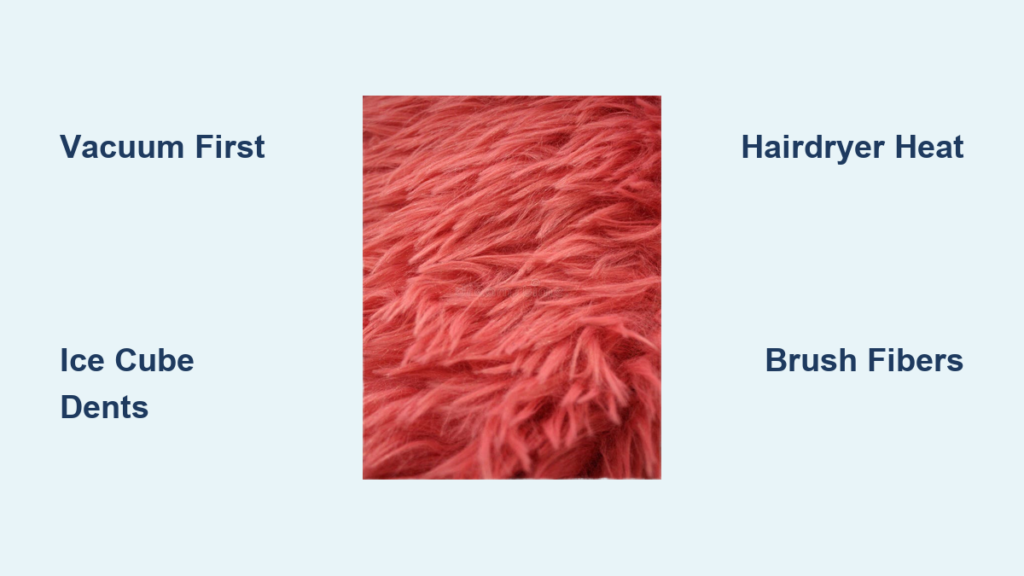
Faux fur rugs add warmth and luxury to any room, but daily use can leave them matted, flattened, and dull. Learning how to brush a faux fur rug properly restores its plush texture and prevents permanent tangles. This guide covers the best tools, techniques, and timing to safely fluff your rug without damaging synthetic fibers. You’ll discover how to detangle studysonguide-20orn knots, integrate brushing into your routine, and keep your rug soft and inviting for years.
Choose the Right Brushing Tool
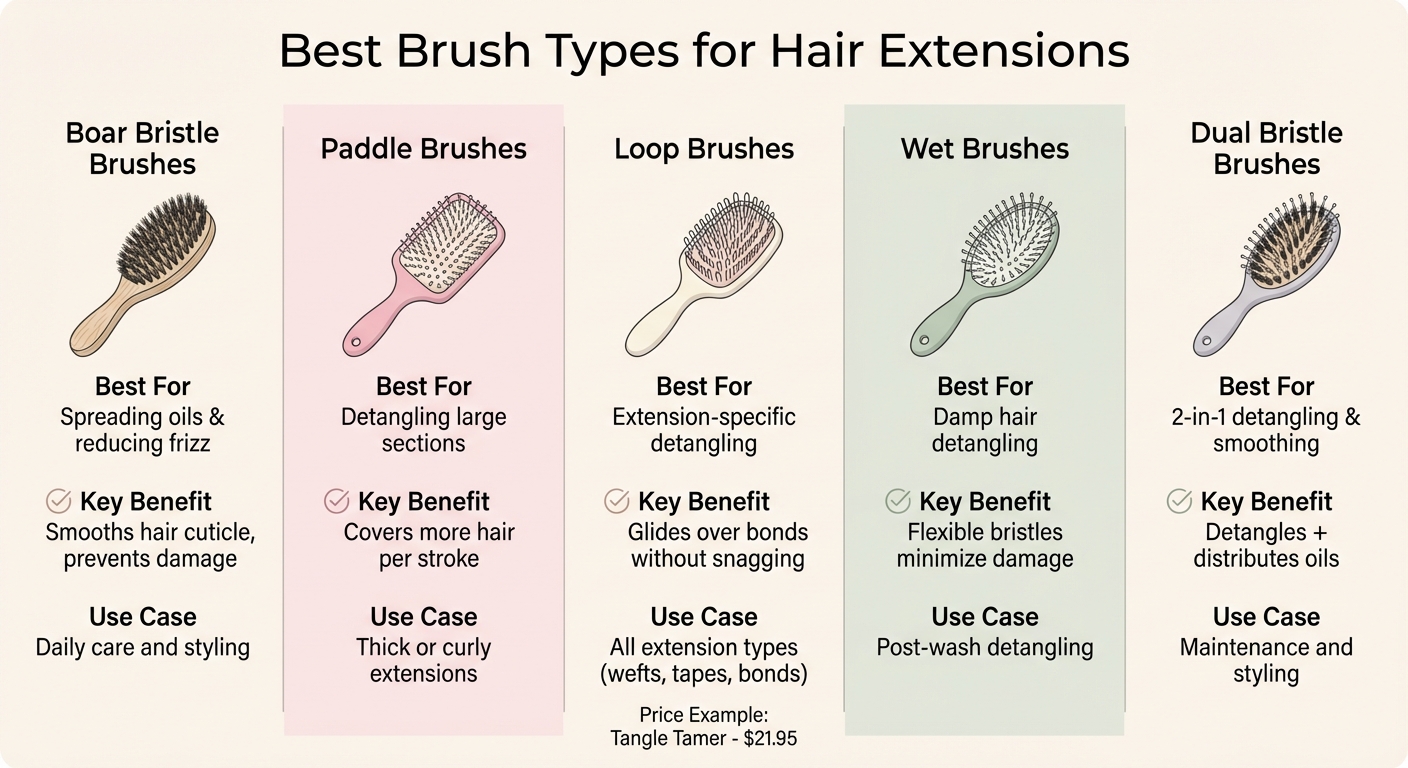
Using the correct tool protects your rug’s texture while effectively removing tangles. The wrong brush can pull, fray, or break synthetic fibers, causing irreversible damage.
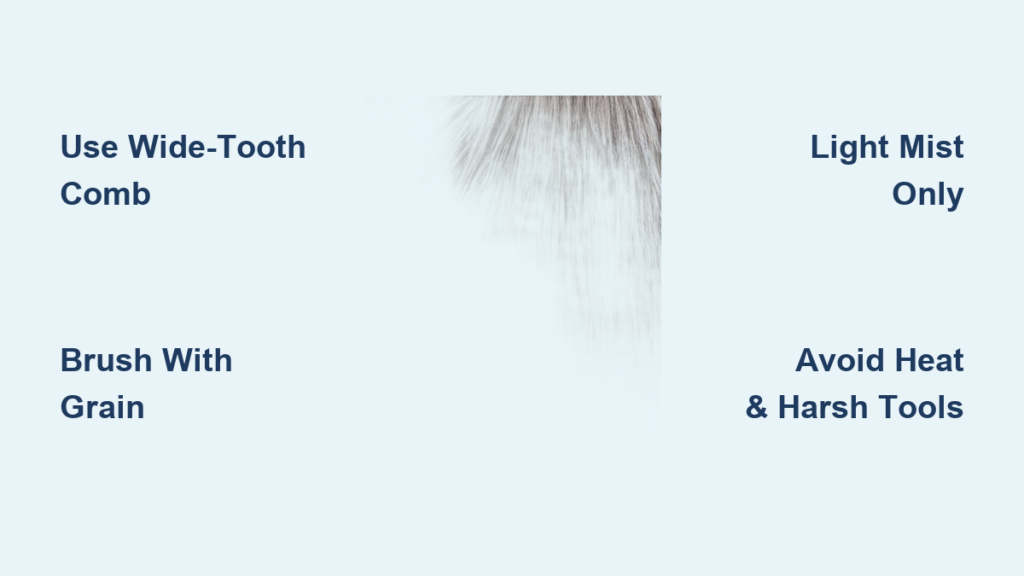
Use a Wide-Tooth Comb for Tangles
Start with a wide-tooth comb when dealing with matted or clumped areas. Gently work through knots from the ends toward the base to prevent pulling on the backing. This tool works best for long-pile rugs where tangles form deep within the fibers. Take your time rushing leads to stretched fabric or bald spots.
Soft-Bristle Brush for Routine Fluffing
For light maintenance on short or medium faux fur, a soft-bristle brush restores fluff without stress. Use gentle, sweeping strokes in the direction of the fur grain to lift flattened fibers. This tool is perfect for weekly upkeep and adds volume after foot traffic or furniture compression.
Pet Slicker Brush for Deep Detangling
A pet slicker brush excels at penetrating thick, long faux fur. Its fine, angled wires reach deep into the pile to loosen debris and separate matted sections. Apply light pressure pressing too hard can snag fibers. This brush is ideal for high-use rugs in homes with kids or pets.
Never use metal brushes or stiff bristles. They can shred synthetic fur and ruin your rug’s appearance permanently.
Prep the Rug for Brushing
Proper preparation ensures efficient brushing and protects the rug from unnecessary strain during the process.
Lay Flat on a Clean Surface
Place the rug on a dry, flat area like hardwood, tile, or a large table. Avoid carpeted floors, which can trap debris and make brushing less effective. Ensure the entire surface is accessible and well-lit so you don’t miss hidden tangles.
Shake Out Loose Debris First
Give the rug a firm shake outdoors or over a trash can to remove dust, pet hair, and crumbs. This reduces the load on your brush and prevents dirt from being ground into fibers during brushing. A quick shake takes seconds but boosts results significantly.
Mist for Studysonguide-20orn Mats When Needed
When fibers are severely flattened or knotted, a light moisture boost helps loosen them. Too much water causes problems, so caution is essential.
Lightly Dampen Tangled Areas
Fill a spray bottle with cool water and mist only the affected zones. Never soak the rug excess moisture damages the backing or encourages mildew. Let the dampness sit for one to two minutes to relax the fibers before brushing.
Moisture makes detangling easier, but always air-dry the rug completely afterward.
Avoid Soaking or Humid Conditions
Wet synthetic fibers are more fragile and prone to stretching. Brushing while overly damp causes misalignment or distortion. Wait until the rug is fully dry before any aggressive handling.
Brush in the Direction of the Fur
Brushing against the grain may seem effective, but it frizzes and damages faux fur permanently. Always follow the natural lay of the fibers.
Use Gentle, Consistent Strokes
Begin at one edge and move across the rug in small sections about twelve inches by twelve inches. Apply light pressure and stroke in the direction the fur naturally falls. This preserves fiber integrity and creates a smooth, uniform finish.
Work Systematically to Avoid Missed Spots
Divide the rug into quadrants and methodically brush each area. This ensures even coverage and prevents overworking one section while neglecting another. Systematic brushing guarantees the entire rug gets proper attention.
Tackle Mats Without Damaging Fibers
Mats happen especially in high-traffic zones, but how you handle them determines whether your rug recovers or gets ruined.
Hold Base While Detangling
When encountering a tight knot, pinch the root of the fur with one hand to stabilize the backing. With the other, gently comb from the outer edge of the mat inward. This prevents pulling on the rug’s foundation and protects the backing.
Never Cut Mats Unless Necessary
Using scissors risks cutting too deep and leaving visible patches. If cutting is unavoidable, trim only the very center of a dense mat with small, pointed scissors. Never slice through the base or surrounding healthy fibers.
Try Fabric Detangler Spray Test First
For persistent tangles, apply a synthetic-fiber detangler to a hidden area first. If no discoloration or texture change occurs, lightly spray the mat and comb through. These sprays reduce friction and make brushing smoother.
Final Fluff and Quality Check
After brushing, restore full volume and inspect for lingering issues that need attention.
Shake Again to Aerate Fibers
Once brushing is complete, shake the rug vigorously. This final step lifts fibers to their maximum height and removes any loosened particles that brushing dislodged.
Run Hands Over Surface
Feel for flat spots, tangles, or rough patches. Go back with a soft brush or comb to touch up problem areas. Flip the rug and lightly brush the underside if fibers extend through the backing.
Brushing Frequency by Use Level
How often you brush depends on where the rug is used and how much wear it receives.
Light Use: Every Two to Three Weeks
In low-traffic spaces like guest rooms or formal living areas, brushing every few weeks prevents compaction and maintains loft. This frequency works for decorative rugs that see minimal foot traffic.
Moderate Use: Once a Week
If the rug sees occasional sitting or lounging, weekly brushing keeps it fresh and removes daily debris like lint and hair. This schedule balances maintenance with practicality.
Heavy Use: Two to Three Times Weekly
With pets, children, or frequent foot traffic, brush multiple times per week. Combine with daily shaking to minimize matting and extend time between deep sessions.
Rotate the rug monthly to distribute wear and prevent permanent flat spots from forming.
Brush Before and After Cleaning

Brushing is not just maintenance it is a critical part of the overall cleaning process.
Pre-Cleaning: Remove Surface Dirt
Always brush before spot-cleaning or washing. This lifts debris so it does not get pushed deeper into the pile during cleaning. A pre-brush ensures even detergent penetration and reduces post-wash matting.
Post-Cleaning: Restore Fluff After Drying
After air-drying, never machine-dry, brush the rug thoroughly. Moisture causes fibers to clump. Brushing separates them and brings back the original softness. Wait until the rug is one hundred percent dry to avoid stretching.
Never brush aggressively when wet. This distorts the pile and weakens fibers permanently.
Avoid Heat and Harsh Chemicals
Synthetic fur is sensitive to extreme conditions. Protect your rug from common hazards that cause damage.
Keep Away From Radiators and Heaters
High heat melts or shrinks faux fur fibers. Never place the rug near space heaters, fireplaces, or direct sunlight for extended periods. Heat damage is often irreversible.
Skip Bleach and Strong Cleaners
Bleach, ammonia, and abrasive scrudysonguide-20ing pads degrade fibers and fade color. Stick to mild detergents and spot-clean gently. Harsh chemicals break down synthetic fibers over time.
Do Not Iron or Use Hairdryers
Applying direct heat to remove wrinkles or speed drying damages the rug. Instead, reshape and air-dry flat, then brush to revive texture. Heat causes melting and fiber distortion.
Store Properly When Not in Use
Improper storage leads to permanent creases and fiber damage that brushing cannot fix.
Roll, Do Not Fold
To avoid deep-set folds, roll the rug loosely with the fur facing inward. Wrap in a breathable cotton sheet or muslin. Never use plastic, which traps moisture and causes mildew.
Store in a Cool, Dry Place
Choose a climate-controlled area away from humidity and pests. Avoid basements or attics where temperature swings occur. Consistent conditions protect the fibers.
Never Vacuum Seal
Compression destroys loft permanently. Vacuum-sealed bags crush fibers beyond recovery. The rug will never regain its original fluffiness after compression.
Troubleshoot Common Brushing Problems
Even with proper care, issues can arise. Here is how to fix them quickly and effectively.
Persistent Matting
Cause: Infrequent brushing or moisture exposure. Fix: Use a wide-tooth comb with a light water mist. Work patiently from the edges of the mat inward. For large areas, consider professional textile cleaning.
Fiber Shedding
Cause: Low-quality materials or aggressive brushing. Fix: Switch to a softer brush and reduce pressure. If shedding continues, the rug may be deteriorating and needs replacement.
Flat Spots Under Furniture
Cause: Constant compression. Fix: Lift furniture daily to brush affected areas. Use furniture coasters or rug protectors to distribute weight and allow airflow.
Static Buildup
Cause: Dry air or synthetic friction. Fix: Lightly mist with water mixed with a drop of fabric softener, tested first. Alternatively, use an anti-static spray designed for upholstery.
When to Seek Professional Help
Some problems go beyond home care and require expert intervention.
Severe Matting or Odors
If the rug is heavily soiled, smells musty, or has widespread tangles, professional cleaners with expertise in synthetic textiles can help. They use low-moisture systems and safe detergents that will not damage fibers.
In-Home or Pick-Up Services
Many providers offer specialized faux fur rug restoration, including deep detangling, odor removal, and fluffing. Look for services advertising delicate fabric care or luxury rug maintenance.
Always confirm they have experience with faux fur before handing over your rug.
Key Takeaways for Brushing Your Faux Fur Rug
Brushing a faux fur rug is simple but must be done correctly to preserve its beauty. Use a wide-tooth comb for tangles, a soft brush for routine fluffing, and always work in the direction of the fur. Mist lightly for tough mats, but never soak the rug. Brush weekly for regular use, or more often with pets and children in the home.
Combine brushing with shaking, spot cleaning, and proper storage to maximize your rug’s lifespan. Avoid heat, harsh chemicals, and aggressive tools that damage synthetic fibers. Rotate the rug regularly to prevent flat spots, and never store it folded or sealed in compression bags.
With gentle, consistent care, your faux fur rug will stay luxuriously soft, visually rich, and inviting for years to come.
Frequently Asked Questions About Brushing Faux Fur Rugs
Can I use a regular hairbrush on my faux fur rug?
No, regular hairbrushes are too harsh for synthetic faux fur fibers. Use a wide-tooth comb for tangles, a soft-bristle brush for light fluffing, or a pet slicker brush for deep detangling. Regular brushes can pull and damage the fibers.
How do I fix a matted faux fur rug?
Mist the matted area lightly with cool water and let it sit for one to two minutes. Use a wide-tooth comb to gently work through the tangles from the edges inward. Be patient and avoid pulling or cutting the fibers.
Should I brush my faux fur rug before or after washing?
Brush both before and after washing. Brushing before removes surface debris and prevents dirt from being pushed deeper into the pile. Brushing after drying restores fluff and separates fibers that clump together when wet.
Can I use water on my faux fur rug when brushing?
Yes, but sparingly. Lightly misting tangled areas helps relax fibers and makes detangling easier. Never soak the rug, and always let it dry completely before brushing aggressively. Excess moisture damages the backing and causes mildew.
How often should I brush my faux fur rug?
Brush once a week for moderate use. For light use in low-traffic areas, every two to three weeks suffices. For heavy use with pets or children, brush two to three times weekly combined with daily shaking.
What should I avoid when brushing faux fur?
Avoid metal brushes, stiff bristles, and aggressive scrudysonguide-20ing. Never brush against the grain of the fur. Avoid heat sources like hairdryers or irons, and never use bleach or harsh chemicals. These all cause permanent damage to synthetic fibers.