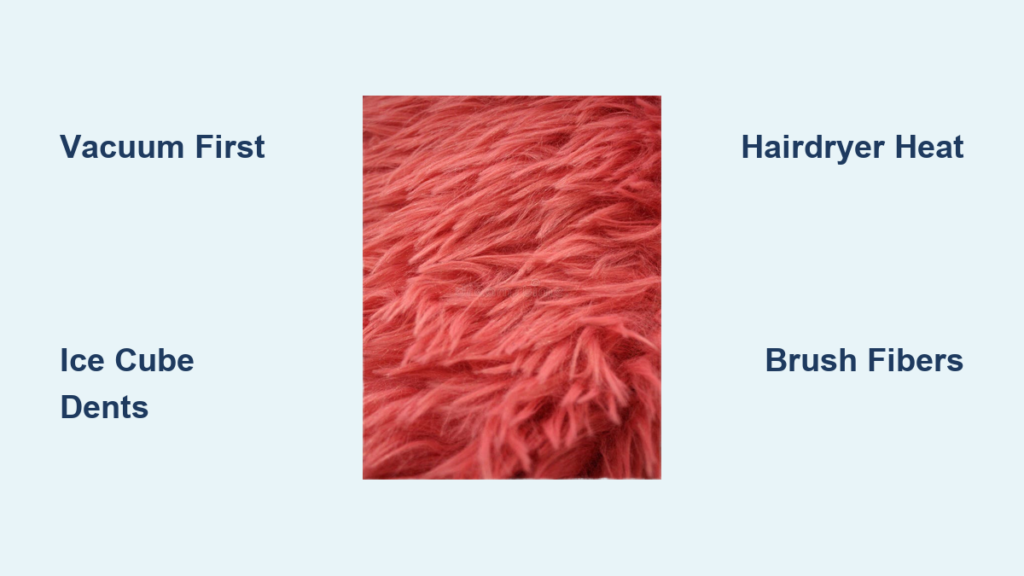
Shag rugs bring texture, warmth, and modern elegance to any space. But because of their long, plush fibers, they collect dust, flatten easily, and require more care than flatweave rugs. Learning how to brush a shag rug properly is essential to maintain its softness, volume, and appearance. Without regular grooming, fibers mat down, trapping dirt and making the rug look worn. This guide reveals the right tools, techniques, and timing to keep your shag rug looking fresh without damage.
You will learn how to lift flattened piles, remove debris, and prevent long-term wear using simple, effective brushing methods. Whether you are dealing with footprints, pet hair, or daily dust, brushing is the fastest way to restore fluffiness. Let us get started.
Choose the Right Brush Tool for Shag Rugs

Not all brushes work for shag rugs. Using the wrong tool can pull fibers, cause frizz, or flatten the pile further.
Use a Rug Grooming Brush
A grooming brush, also called a carpet rake, has flexible, widely spaced tines designed to glide through long fibers without snagging. It lifts the pile gently while removing surface dust and loose debris. Look for models with ergonomic handles and anti-static bristles for better control.
Avoid Stiff Bristle Brushes
Never use hard-bristle brushes, pet slickers, or wire rakes meant for carpets. These can over-tease fibers, leading to shedding and fraying, especially on wool or synthetic blends.
Try a Wide-Tooth Comb for Spot Work
For small matted areas, a wide-tooth comb works precisely. Gently tease apart tangled fibers from base to tip, then follow with a full grooming brush pass.
Shake Out Loose Debris First
Brushing works best when the rug is free of loose dirt that could grind into fibers during grooming.
Take It Outside and Shake
If your shag rug is lightweight, carry it outside and shake it vigorously. Hold two corners and snap the rug like a sheet. This removes up to 70 percent of trapped dust and allergens.
Hang and Beat Gently
Drape the rug over a clothesline or railing. Use a soft-faced tool like a carpet beater or folded towel-wrapped broom to lightly pound the back. Avoid aggressive beating, which can loosen the backing or fringe.
Wait to Brush Until After Shaking
Always shake before brushing. Brushing a dirty rug pushes grit deeper into the base, accelerating wear and dulling fibers.
Vacuum Before Deep Brushing
Brushing after vacuuming ensures you are fluffing clean fibers, not redistributing dust.
Use a Canister Vacuum With Hose
Set your vacuum to low suction and attach the upholstery tool. Slowly run it over the rug in overlapping strokes. The gentle airflow protects loops while lifting fine particles.
Disable the Beater Bar on Upright Vacuums
If using an upright, raise the height setting to high pile and turn off the rotating brush roll. The beater bar can yank long fibers, causing pulls or fraying.
Flip and Vacuum the Back
Turn the rug over. Switch to a low-pile setting, re-engage the beater bar, and vacuum the underside. This removes dirt that migrated through the backing. Also clean the floor beneath before replacing the rug.
Brush in the Right Direction
How you move the brush affects fluffiness and fiber alignment.
Start From the Base Upward
Insert the brush near the rug base and pull upward in long, slow strokes. This lifts the entire fiber length instead of just the tips, restoring volume.
Work in Sections Using a Grid Pattern
Divide the rug into 12 by 12 inch zones. Brush each section row by row, slightly overlapping strokes. This prevents missed spots and ensures even lift.
Brush Against the Nap to Revive Flat Areas
Most shag rugs have a natural lay or nap. To revive footprints or flattened spots, brush against the grain first. Then finish with a few strokes with the nap to smooth and align fibers.
Handle Matted Areas Carefully
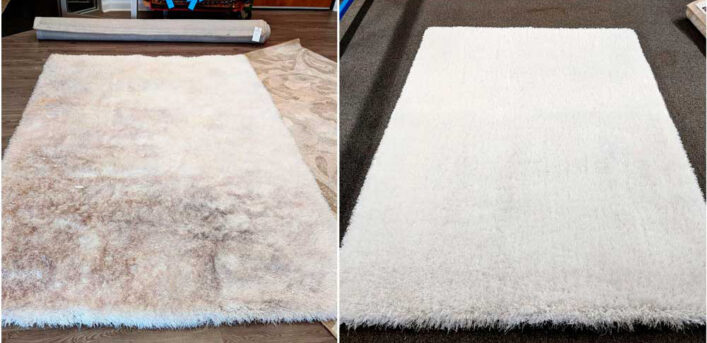
Tangled fibers need special attention before regular brushing.
Identify Matting Early
Check high-traffic zones near doorways, furniture legs, or pet areas. If fibers clump together and resist lifting, they are starting to mat.
Loosen by Hand First
Use your fingers to gently separate matted bundles from the root up. Do not pull. Work slowly to avoid breaking fibers.
Follow With a Wide-Tooth Comb
After manual separation, comb through the area. Finish with light brushing to blend the zone with the rest of the rug.
Maintain Fluffiness Between Cleanings
Brushing is not just for deep cleaning. It is a maintenance habit that keeps your rug looking its best.
Brush Weekly for Best Results
Even with regular vacuuming, brush your shag rug once a week to preserve its plush look. It takes less than 10 minutes and prevents permanent compaction.
Focus on High-Traffic Zones Daily
Spend one to two minutes each day brushing entry points or walkways. A quick upward stroke restores bounce and minimizes wear.
Rotate the Rug Monthly
Turn the rug 180 degrees every month. This equalizes wear and ensures all areas get brushed evenly over time.
Deep Clean When Needed
Brushing maintains appearance, but spills, odors, or heavy soiling require deeper care.
Blot Spills Immediately
For liquid stains, press a clean cloth down firmly. Never rub. Rubbing pushes liquid deeper and causes spreading.
Spot Clean With Mild Detergent
Mix a drop of pH-neutral cleaner like wool wash with water. Dab on the stain, then blot dry. Let the area air-dry completely before brushing.
Steam Clean Only If Labeled Safe
Check the manufacturer tag. Some synthetic shag rugs tolerate low-moisture steam cleaning. Wool or jute blends may shrink or warp. Avoid moisture-based cleaning unless approved.
Prevent Future Flattening
Smart habits reduce the need for intensive brushing later.
Use Rug Pads for Cushion and Lift
A breathable, non-slip rug pad adds support and elevates fibers from the floor. This prevents compression and improves airflow.
Avoid Direct Sunlight
UV rays degrade fibers over time, making them brittle and harder to brush. Position rugs away from direct sun or use window film.
Limit Heavy Furniture on Long Piles
Furniture legs compress shag fibers permanently. Use wide, flat coasters or furniture pads to distribute weight.
Frequently Asked Questions About Brushing Shag Rugs
What is the best brush to use on a shag rug?
A grooming brush or carpet rake with flexible, widely spaced tines works best. These tools glide through long fibers without snagging or pulling.
How often should I brush my shag rug?
Brush your shag rug once a week to maintain fluffiness. Focus on high-traffic areas daily with one to two minute touch-ups.
Can I use a regular vacuum on a shag rug?
Use a canister vacuum with low suction and an upholstery attachment. If using an upright, set it to high pile and disable the beater bar to prevent fiber damage.
Why does my shag rug get matted?
Foot traffic, furniture weight, and trapped dirt compress fibers over time. Regular brushing lifts the pile and prevents permanent matting.
Can I brush a shag rug when it is wet?
Never brush a damp rug. Allow it to air-dry completely first. Brushing wet fibers causes them to stretch, break, or become frizzy.
Should I brush with or against the grain?
Brush against the grain first to revive flattened areas and lift matted fibers. Finish with strokes following the natural nap to smooth and align the pile.
Key Takeaways for Brushing Your Shag Rug
Brushing a shag rug is not complicated, but doing it right makes all the difference. Use the correct grooming brush with flexible tines, and always shake and vacuum before brushing to avoid grinding dirt into fibers. Brush from the base upward in sections, and work against the grain to revive flattened spots before smoothing with the nap. Make weekly brushing part of your routine, rotate the rug monthly, and use a rug pad to prevent compression. With the right tools, timing, and technique, you can keep your shag rug looking plush, clean, and luxurious for years.