You’ve invested in a beautiful rug, whether it is a plush wool centerpiece, a sleek viscose accent, or a durable outdoor mat. Without proper care, even the finest rug can fade, stain, or deteriorate in just a few years. The good news is that simple, consistent maintenance keeps your rug looking fresh for decades.
Knowing how to care for a rug starts with identifying its material. Wool, viscose, synthetic fibers, and natural plant-based weaves all react differently to water, sunlight, and cleaning agents. A cleaning method that works for a polypropylene patio rug could ruin a delicate viscose bedroom piece. This guide delivers a complete, actionable plan to care for any rug.
Identify Your Rug’s Material Before Cleaning

The single most important step in rug care is determining what your rug is made from. This one decision shapes every cleaning choice you will make going forward.
Matching Care to Fiber Type
Before you touch a vacuum or cleaning spray, identify your rug is made from natural or synthetic fibers. Different materials require completely different approaches.
• Wool: Durable and naturally stain-resistant, but sensitive to hot water and harsh chemicals
• Viscose or Artificial Silk: Luxurious and soft, but extremely absorbent, prone to watermarks and yellowing
• Synthetic fibers (Nylon, Polypropylene, Polyester): Tough and fade-resistant, ideal for high-traffic areas
• Natural fibers (Jute, Sisal, Seagrass): Eco-friendly and stylish, but highly moisture-sensitive and can warp when wet
• Indoor or Outdoor rugs: Typically polypropylene, weather-resistant and low-maintenance
• Persian and Antique rugs: Hand-knotted and delicate, always require professional cleaning
If the label is missing, test a hidden corner with a damp cloth. When in doubt, assume the rug is delicate and avoid water-heavy methods.
Vacuum Weekly to Prevent Embedded Dirt Damage
Vacuuming is the most effective way to extend your rug is life. Dirt and grit grind into fibers with every step, accelerating wear significantly if ignored.
Vacuuming Best Practices by Fiber Type
Vacuum your rug one to two times per week. In homes with pets or high foot traffic, daily vacuuming may be necessary. Always disable beater bars because rotating brushes can pull, fray, or damage delicate fibers.
• Wool rugs: Use suction-only mode, no beater bar
• Viscose rugs: Use low suction only, carpet sweeper preferred
• Natural fiber rugs: Suction-only, avoid aggressive brushes
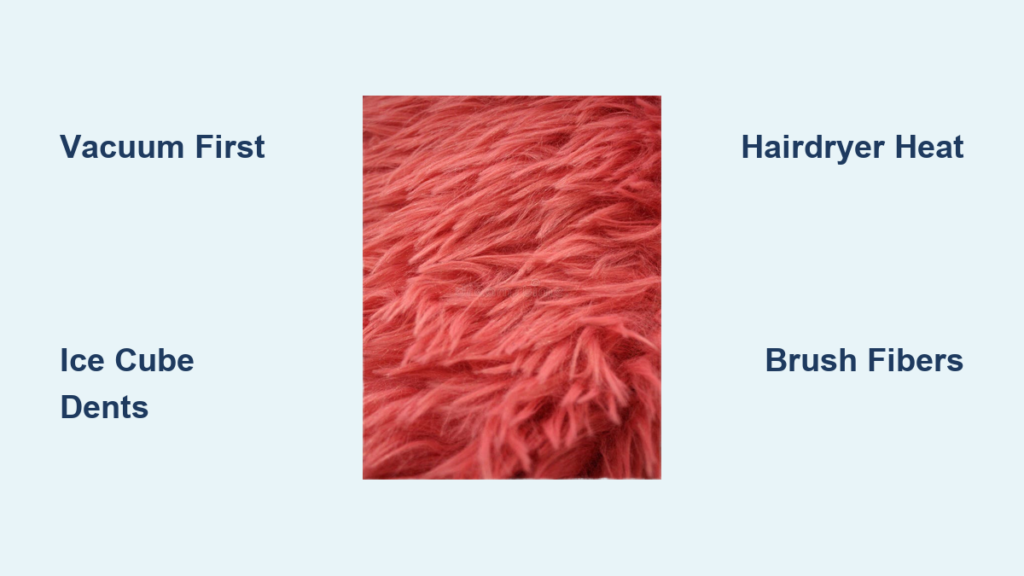
• Shag rugs: Use canister vacuum with hose, vacuum in the direction of the pile
Vacuum both sides of the rug occasionally to remove dust trapped beneath. After you think you are done, go over the rug one more time. You will often pull up more debris on the second pass.
Rotate Your Rug Every 3 to 6 Months
Sunlight and foot traffic are rarely evenly distributed across a rug. Without rotation, one side fades faster and the pile flattens under furniture.
Why Rotation Doubles Rug Life
Rotate your rug every three to six months. In high-traffic areas, rotate every three to four months. Flip the rug 180 degrees to balance exposure to light and wear.
This simple step is critical in rooms with direct sunlight, dining chairs, or entryway traffic. Rotation can double your rug is usable life by spreading wear evenly across all areas.
Shake, Beat, or Sweep for Dry Soil Removal
Not every rug needs water for cleaning. For dry soil removal, these gentle methods work effectively without moisture.
Choose the Right Dry Cleaning Method
Shake outdoor rugs: Take lightweight rugs outside and shake vigorously to dislodge dust, pollen, and allergens. This works well for small wool, synthetic, or indoor or outdoor rugs.
Beat for deep debris: Hang the rug over a railing or clothesline. Use a straw broom or leather rug beater to gently pound the back. Perform this once per year or seasonally.
Sweep and brush: Sweep outdoor rugs or tight weaves. Use a carpet brush on short-pile rugs to lift fibers. Use a carpet rake on shag rugs to fluff the pile and remove pet hair.
Never beat viscose, antique, or delicate silk rugs because the fibers can break.
Use a Rug Underlay for Protection and Comfort
A rug pad is not just for comfort. It is a critical layer of defense against wear, slipping, and furniture damage.
Selecting and Installing the Right Pad
Rug pads prevent slipping and tripping, reduce pile crushing from foot traffic, minimize furniture indentations, and absorb impact and noise.
Choose a pad that is two inches smaller than the rug to keep edges visible. Use felt or rubber-based pads and avoid PVC, which can stain. Apply double-sided rug tape to corners to stop shifting.
Pair felt furniture pads under chair and table legs to prevent fiber damage from furniture.
Apply Fabric Protector to Prevent Stains
A single spill can ruin a rug, especially viscose or wool. Creating a protective barrier takes minutes but prevents permanent damage.
How to Apply and Maintain Protection
Use a fabric protector like Forcefield Fabric Protector. Spray evenly across the surface to repel liquids. Spills will bead up instead of soaking in, giving you time to blot.
Reapply fabric protector every six to twelve months. Reapply after deep cleaning as well. Pretreat high-risk zones like under dining tables or coffee tables where spills are most likely.
Blot Spills Immediately: Never Wipe or Scrub
The first 60 seconds after a spill are critical. Blotting correctly prevents permanent staining and fiber damage.
Step-by-Step Spill Response
- Blot, do not wipe. Rubbing spreads the liquid and damages fibers.
- Use white paper towels or a colorless cloth to prevent dye transfer.
- Press down firmly and replace towels as they soak up liquid.
- Stop when no more liquid transfers to the towel.
Never scrub or use colored cloths because this can cause staining or fiber distortion.
Treat Stains Using Fiber-Specific Methods
One-size-fits-all cleaners can destroy delicate rugs. Always tailor your approach to the specific material.
Wool Rug Stain Care
Use pH-neutral cleaners or mild dish soap like Dawn. Blot with cold water only. Avoid harsh chemicals because wool is naturally stain-resistant and does not need strong cleaners.
Viscose Rug Stain Care
Exercise extreme caution because viscose fibers absorb water like a sponge. Use only a damp cloth with minimal cleaner. Never saturate the rug because this risks yellowing, watermarks, and shrinkage. For tough stains, use foam only from soapy water, not liquid. The best approach for viscose is calling a professional cleaner.
Natural Fiber Rug Stain Care
Avoid water on jute, sisal, or seagrass because moisture causes browning or warping. Use dry cleaning methods instead. Sprinkle baking soda or Arm and Hammer Dry Carpet Powder on the stain. Let it sit for 15 to 30 minutes, then vacuum thoroughly. For odors, air the rug in sunlight and then vacuum.
Synthetic Rug Stain Care
Synthetic rugs tolerate warm water and stronger cleaners. Use Zep All-Purpose Carpet Cleaner or mild dish soap. These rugs are safe for machine cleaning if the label allows.
Deep Clean Your Rug Safely Once a Year
Deep cleaning restores color and removes embedded grime, but only if done correctly. Follow this nine-step method.
The 9-Step Deep Clean Process
-
Clear and prepare: Move furniture and take the rug outdoors if possible. Lay on a tarp to protect floors.
-
Vacuum thoroughly: Clean both sides and remove all dry soil before wetting.
-
Mix cleaning solution: Use cold water plus mild detergent for wool. Use warm water plus rug shampoo for synthetic rugs. Never use hot water on wool or viscose.
-
Test for color bleeding: Apply solution to a hidden corner. Wait 10 minutes and check for fading or dye transfer.
-
Apply cleaner: Use a sponge or soft-bristle brush. Work in lather, not liquid, to minimize moisture. Let sit for 5 to 10 minutes.
-
Rinse completely: Use a garden hose or clean water buckets. Rinse until runoff is clear.
-
Extract water: Use a wet-dry vacuum, squeegee, or Shark Carpet Expert to remove as much moisture as possible.
-
Dry completely: Lay flat on a rack or chairs for airflow. Use fans or dehumidifiers. Flip to dry the underside. Do not walk on or reinstall until fully dry, which takes 12 to 48 hours.
-
Perform the white-towel test: Press a clean towel to the rug. If it picks up moisture or dirt, keep drying.
Restore Flattened Pile with Ice Cubes
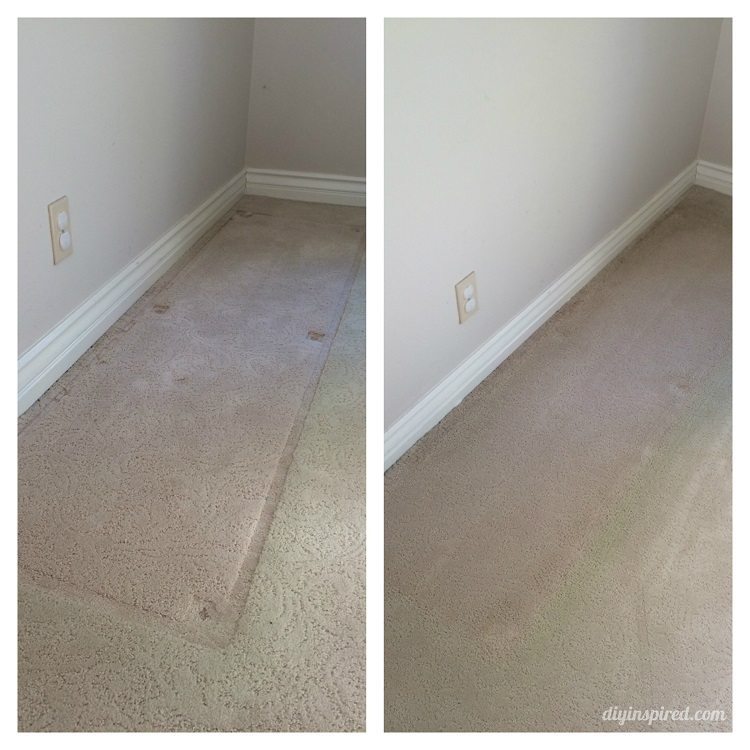
Heavy furniture leaves permanent-looking dents in rug pile. You can fix these without steam or ironing using the ice cube method.
Ice Cube Restoration Steps
Place ice cubes directly on the dent. Let them melt overnight because water slowly rehydrates compressed fibers. Place a towel underneath to protect the floor. In the morning, fluff the pile with fingers or a soft brush. Repeat if necessary.
Avoid using heat because it can shrink or distort fibers, especially in viscose rugs.
Protect Rugs from Sunlight and Moisture Damage
Even the best care cannot overcome poor placement. Environmental factors cause significant damage over time.
Preventing UV and Humidity Damage
Limit sun exposure because UV rays fade colors and weaken fibers. Use curtains, blinds, or UV-filtering window film. Rotate rugs regularly to balance fading across all areas.
Control humidity because high moisture promotes mold and mildew. Viscose and natural fibers absorb moisture and can yellow or degrade. Keep rugs in cool, dry rooms and never leave rugs damp. Dry within 24 hours.
Never place potted plants directly on rugs because condensation causes hidden moisture buildup.
Know When to Call a Professional
Some rugs are too valuable or fragile for DIY cleaning. Knowing when to seek professional help saves money in the long run.
Rugs That Require Professional Service
Hire a professional for silk or viscose rugs, antique Persian or Oriental rugs, hand-knotted or heirloom pieces, and rugs with unknown fiber content.
Home cleaning risks include color bleeding, fiber weakening, and residue buildup that attracts more dirt. When in doubt, go professional. A 100 dollar professional cleaning can save a 1,000 dollar rug.
Essential Tools and Products for Rug Care
Having the right supplies makes cleaning faster, safer, and more effective. Stock these essentials.
Recommended Tools
• Vacuum with suction-only mode
• Soft-bristle brush or sponge
• Pump-up sprayer for even application
• Garden hose or buckets
• Wet-dry vacuum or shop vac
• Squeegee
• Fans or dehumidifier
• Drying racks or chairs
Recommended Products
| Purpose | Product |
|---|---|
| General cleaner | Zep All-Purpose Carpet Cleaner |
| Wool-safe shampoo | Bissell Pro Max Clean and Protect |
| Pet stains | Waron P Enzyme Cleaner |
| Dry cleaning | Arm and Hammer Dry Carpet Powder |
| DIY solution | White vinegar plus water plus Dawn (foam only) |
| Fabric protector | Forcefield Fabric Protector |
Build a Consistent Maintenance Schedule
Consistency beats intensity. A little effort weekly prevents big problems later.
| Task | Frequency | Notes |
|---|---|---|
| Vacuum | Weekly (daily with pets) | Both sides, disable beater bars |
| Spot clean spills | Immediately | Blot, do not rub |
| Deep clean | 1 to 2 times per year | More often with kids or pets |
| Rotate rug | Every 3 to 6 months | Prevents uneven wear |
| Reapply protector | Every 6 to 12 months | After cleaning |
| Inspect underlay | Annually | Replace if worn |
| Professional clean | Every 1 to 2 years | For valuable or high-traffic rugs |
Recognize Warning Signs Early
Catch problems before they become permanent by monitoring your rug is condition regularly.
Pile flattening indicates heavy traffic. Rotate more often to distribute wear. Fading indicates UV exposure. Add window coverings to protect the rug. Shedding is normal in new wool rugs, but excessive shedding may indicate poor quality. Wrinkles are usually temporary. Back-roll the rug to flatten. Odors signal trapped moisture or bacteria. Clean and dry thoroughly.
Key Takeaways for Caring for Your Rug
How to care for a rug is not about perfection. It is about consistency. Vacuum regularly, respond immediately to spills, rotate often, and dry thoroughly.
Match every cleaning method to the material. Test cleaners in hidden areas before using them on the entire rug. Use rug pads to prevent slipping and furniture damage. When in doubt about valuable or delicate rugs, call a professional.
A well-cared-for rug can last 20 years or more. Identify the fiber type before cleaning, vacuum both sides weekly, blot spills immediately, rotate every three to six months, and dry completely before reinstalling. Avoid using hot water on wool or viscose, never scrub spills, and do not saturate natural fibers. With these steps, your rug stays beautiful, safe, and stain-free for years to come.
Frequently Asked Questions About Rug Care
How often should I vacuum my rug?
Vacuum your rug one to two times per week. Increase to daily vacuuming if you have pets or high foot traffic. Always vacuum both sides and disable beater bars for delicate fibers like wool, viscose, and shag.
Can I clean a viscose rug at home?
It is best not to clean viscose rugs at home. Viscose fibers absorb water easily and can yellow, watermark, or shrink. Blot spills immediately with white paper towels and call a professional cleaner for any deep cleaning needs.
What is the best way to remove furniture dents from a rug?
Place ice cubes directly on the dent and let them melt overnight. The water rehydrates compressed fibers. In the morning, fluff the pile with your fingers or a soft brush. Repeat if necessary.
How do I know if my rug needs professional cleaning?
Hire a professional for silk rugs, viscose rugs, antique Persian or Oriental rugs, hand-knotted pieces, and any rug with unknown fiber content. Professional cleaning is recommended every one to two years for valuable or high-traffic rugs.
Can I use a steam cleaner on my wool rug?
Do not use steam cleaners on wool rugs. Hot water and agitation can damage wool fibers and cause shrinkage. Use cold water with mild detergent or a wool-safe shampoo instead. For deep cleaning, consider professional services.
How do I prevent my rug from fading?
Rotate your rug every three to six months to balance sun exposure. Use curtains, blinds, or UV-filtering window film in sunny rooms. Keep rugs away from direct sunlight whenever possible to prevent color fading and fiber degradation.