
Cream rugs add elegance and warmth to any space, but their light color makes them magnets for spills, footprints, and everyday grime. Knowing how to clean a cream rug properly is essential to maintain its beauty without damaging delicate fibers. Whether it is wool, viscose, jute, or synthetic, each material demands a tailored approach. Using the wrong method can lead to shrinking, discoloration, or permanent stains.
This guide walks you through every step of cleaning a cream rug safely, from daily vacuuming to removing tough wine spills and deciding when to call a professional. You will learn fiber-specific techniques, avoid dangerous cleaning myths, and keep your rug looking fresh for years.
Identify Your Rug’s Fiber Type Before Cleaning

Before applying any liquid or cleaner, you must know what your cream rug is made of. The fiber type determines whether water is safe, what products to use, and whether DIY cleaning is even an option. Testing a hidden corner with a damp cloth first is always smart. If the color runs or fibers flatten, treat the rug as water-sensitive.
Common Cream Rug Materials and Cleaning Risks
Wool rugs handle cold water well but can bleed dyes if exposed to heat or harsh chemicals. Polypropylene is durable and tolerates most cleaning methods including steam cleaning. Viscose looks like silk but absorbs water quickly and can crush easily. Jute and sisal are highly prone to mold when wet and should only be dry cleaned. Silk rugs should never be wet at home and require professional cleaning for any stain. Sheepskin can be hand-washed in cool water, but never wring or brush when wet. Cowhide should never be soaked and must air-dry with the hide side up to prevent bleaching.
Quick Fiber Reference for Cream Rugs
Wool requires cold water only and professional deep cleaning every three to five years. Polypropylene tolerates hot water and DIY washing. Viscose needs professional cleaning and cannot handle moisture. Jute and sisal require dry cleaning methods only. Silk demands professional treatment exclusively. Sheepskin responds to hand washing with sheepskin-safe detergent. Cowhide needs only spot cleaning with a damp cloth and mild soap.
Daily and Weekly Maintenance for Cream Rugs
Consistent maintenance prevents long-term damage and keeps your cream rug looking its best between deep cleanings.
Vacuum Your Cream Rug Correctly
Vacuum high-traffic areas weekly and low-traffic areas every one to two weeks. Homes with pets or children may need daily or every-other-day vacuuming. Use a suction-only vacuum or one with a smooth head attachment. Avoid vacuums with rotating brush bars or beater bars, as they can pull, fray, or damage fibers in wool, silk, viscose, and shag rugs. Vacuum with the grain of the pile using long, one-directional strokes. Vacuum both sides of the rug when possible. For shag or sheepskin rugs, shake outdoors or use a crevice tool instead of regular vacuuming.
Rotate and Protect Your Rug
Rotate your cream rug 180 degrees every three to six months to ensure even wear and prevent uneven fading or pile flattening. Place rug pads underneath to prevent slipping, reduce fiber wear, and improve insulation. Use doormats at all entrances to trap dirt and moisture before it reaches the rug. Enforcing a no-shoes policy indoors minimizes tracked pollutants.
Spot Clean Spills Immediately: Step-by-Step Guide
The key to keeping a cream rug clean is speed. Most stains can be removed or minimized within minutes of occurrence if you act correctly.
Basic Spot Cleaning Steps
First, blot the spill gently with a clean white cloth or paper towel. Rudysonguide-20ing spreads the stain and pushes it deeper into the fibers. Second, gently scrape off solids like food or mud with a dull knife or spoon. Third, apply a mild, fiber-appropriate cleaning solution. Always test in an inconspicuous area first and wait ten minutes for reactions. Fourth, dampen a clean cloth with plain water and blot to remove cleaning residue. Fifth, press with a dry towel and allow to air-dry completely. Use fans to speed drying, but avoid heat sources like hair dryers or radiators.
Remove Common Stains From Cream Rugs
Different stains require different treatments. Using the wrong method can set the stain permanently.
Coffee and Chocolate Spills
Blot liquid immediately. Mix one teaspoon of mild dish soap with one cup of cold water. Dab the solution onto the stain with a clean cloth, but do not scrub. Rinse with a water-dampened cloth, then blot dry and air-dry. For coffee stains, a 50/50 vinegar-water solution neutralizes acidity. Spray lightly, blot, and dry. For wool rugs, use only cleaners listed on woolsafe.org.
Red Wine Stains
Forget the old myth about pouring white wine on red wine. It adds sugar and worsens the stain. Instead, blot excess wine first. Sprinkle salt to absorb remaining liquid and vacuum after ten to fifteen minutes. Apply a 50/50 vinegar-water solution or a mix of hydrogen peroxide and dish soap, but patch test first. Blot until the stain lifts, rinse, and dry. For silk or wool rugs, avoid vinegar and peroxide and consult a professional immediately.
Pet Accidents
Remove solids first, then blot urine. Use a 50/50 vinegar-water solution to neutralize odor and lift the stain, then blot dry. Apply an enzymatic cleaner like Biokleen or Rocco and Roxie for lingering smells, but avoid using enzymatic cleaners on silk and wool because enzymes damage protein fibers. Check the back of the rug because urine often soaks through to the other side. A professional cleaning is recommended after initial treatment to ensure full sanitation.
Blood Stains
Blot with cold water immediately. Hot water sets the stain permanently. Use lukewarm water and mild soap to dab the stain, but never rub. For non-silk rugs, hydrogen peroxide misted and left for six to eight hours may help lift the stain. Test first in an inconspicuous area. Never spot clean high-sheen silk rugs due to risk of fiber damage and dye bleeding.
Mud Stains
Let mud dry completely before cleaning. Vacuum gently to lift dried particles. Use cold water and mild detergent solution, blotting from the edge inward toward the center. Rinse, pat dry, air-dry, then vacuum to restore the pile.
Nail Polish and Paint
Do not use nail polish remover on silk, wool, or nylon because it dissolves fibers. Blot with paper towel and let dry. Professional clean is required for nail polish and paint stains.
Candle Wax
Let wax cool and harden completely. Gently scrape with a spoon or blunt knife. Place a paper towel over the area and iron on low heat to absorb residual wax.
Deep Clean Your Cream Rug Safely
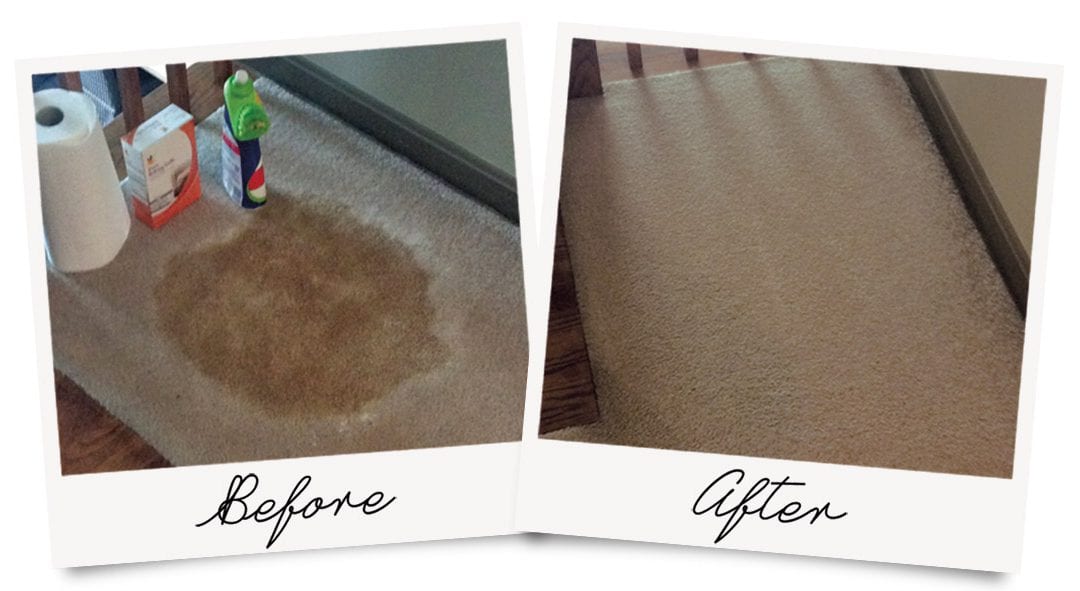
Deep cleaning removes embedded dirt that vacuuming cannot reach, but timing and method matter.
When to Deep Clean Your Cream Rug
High-traffic areas need deep cleaning every six to twelve months. Low-traffic areas can go one to two years between deep cleanings. Homes with pets, children, or allergy sufferers should deep clean every six months. Wool, silk, viscose, Persian, and Oriental rugs should see a professional every two to five years.
DIY Deep Cleaning for Suitable Rugs
This method works for wool, polypropylene, and synthetic rugs only. Move the rug outdoors or onto a tarp. Vacuum both sides thoroughly. Mix cleaning solution using cold water plus rug shampoo for wool, or warm water plus mild detergent for synthetic. Test colorfastness in a hidden corner and wait ten minutes. Apply the solution with a sponge or soft brush and let it sit for five minutes. Rinse thoroughly until water runs clear. Remove excess water with a wet-dry vacuum or squeegee, working in the direction of the pile. Dry completely by laying flat and flipping halfway through. Use fans and avoid direct sunlight to prevent fading. Ensure full dryness before returning indoors to prevent mold. Finish by vacuuming or brushing to restore texture.
Dry Cleaning for Water-Sensitive Rugs
Jute, sisal, viscose, silk, and cowhide rugs cannot handle soaking. Shake small rugs outdoors. Sprinkle baking soda or dry carpet powder over the surface, wait two to four hours, then vacuum thoroughly. For stains, use a thoroughly wrung-out sponge with one part vinegar to two parts water. Never spray liquids directly. Air-dry in sunlight for UV disinfection, but limit exposure to prevent fading.
Special Care for Different Rug Types
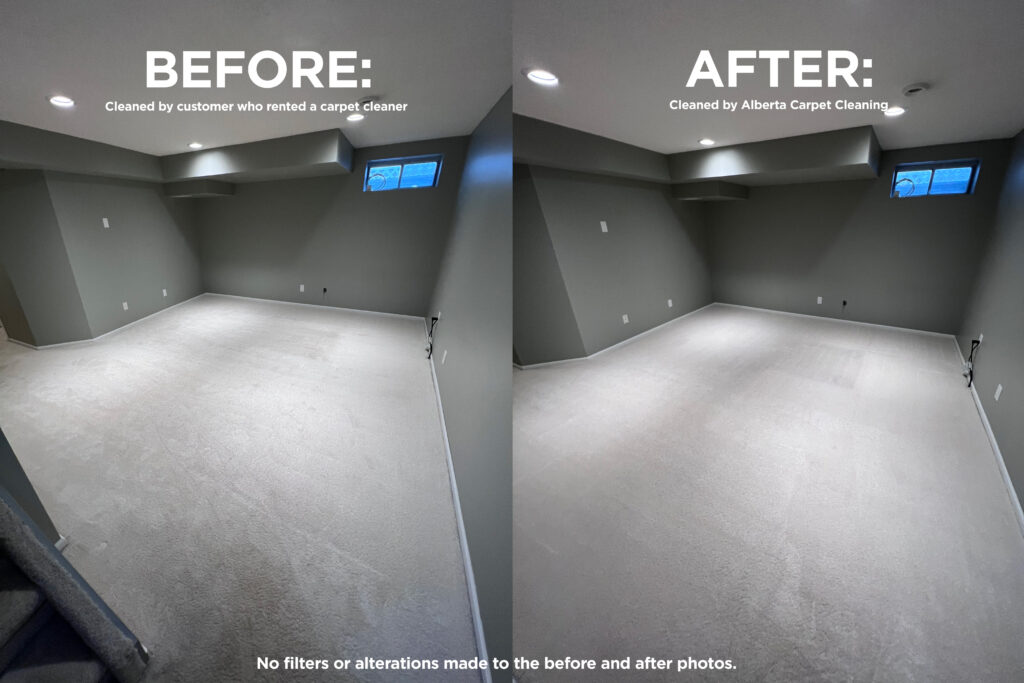
Each rug type needs specific handling to avoid damage.
Silk Rugs
Never wet a silk rug at home. Never use vinegar, bleach, or enzymatic cleaners. Blot spills only and call a professional immediately for any stains.
Viscose Rugs
Viscose is highly water-sensitive. For water spills, place a dry cotton towel over the spot, add weight like a gallon jug, and leave for twenty-four hours. The capillary action draws moisture up. For other stains, use a wrung-out sponge with vinegar-water solution, then repeat the weighted drying method.
Shag Rugs
Avoid standard vacuums because they pull long fibers and cause damage. Shake outdoors or use a leaf blower for synthetic shag rugs. Professional cleaning is recommended.
Sheepskin Rugs
Vacuum with no beater bar. Hand-wash in cool water with sheepskin-safe detergent. Soak for ten minutes, gently scrub, then rinse until clear. Squeeze gently without wringing, towel-dry, and hang to dry. Do not brush when wet. Comb when dry.
Cowhide Rugs
Shake or vacuum without a brush. Never wash or soak. For stains, use a damp cloth and mild soap. If wet, hang in the sun with the hide side up to prevent bleaching.
Outdoor Rugs
Outdoor rugs are usually polypropylene, nylon, or acrylic and can handle hose-down cleaning. Use pet-safe cleaners. Check for jute or cotton backing, which is prone to mold. For mold, spray vinegar, wait one hour, then rinse.
When to Call a Professional Cleaner
Some rugs should never be cleaned at home. Call a professional if your rug is silk, viscose, Persian, Oriental, antique, or high-value. Call for studysonguide-20orn stains like paint, pet urine, or blood. Call if the fiber content is unknown. Call if the rug has been improperly cleaned before and shows damage.
Professionals use industrial equipment for deep cleaning and complete drying. They apply fiber-specific techniques like roller wringers for silk. They prevent mold, mildew, dye bleeding, and fiber damage. The biggest dangers in home cleaning are bleeding dyes, damaging fibers with wrong solutions, and slow dry times that lead to mildew and odors.
Products to Avoid on Cream Rugs
Using the wrong products can ruin your rug permanently. Never use bleach or ammonia because they strip color and weaken fibers. Never use enzymatic cleaners on silk, wool, or protein fibers because they cause irreversible damage. Avoid harsh detergents and overly soapy solutions because they leave sticky residue that attracts more dirt. Avoid steam cleaning unless the label explicitly permits it, as heat can shrink silk and damage viscose. Avoid strong artificial fragrances because they may become permanent in the fibers.
Long-Term Care Tips for Cream Rugs
Keep your cream rug looking new with consistent habits. Rotate the rug every three to six months. Use rug pads under all rugs. Place doormats at every entrance. Enforce a no-shoes policy indoors. Vacuum weekly in high-traffic zones. Deep clean every one to two years. Store properly by rolling never folding, wrapping in breathable cloth, and keeping in a dry, climate-controlled area.
Frequently Asked Questions About Cleaning Cream Rugs
Can I use vinegar to clean my cream wool rug?
Yes, but only in dilution and with caution. Use a 50/50 vinegar-water solution for spot cleaning on wool, but test first in an inconspicuous area. Never use undiluted vinegar and avoid leaving it on the fibers for extended periods. For deep cleaning wool, stick to cold water and wool-safe shampoo.
How often should I vacuum my cream rug?
Vacuum high-traffic areas weekly and low-traffic areas every one to two weeks. Homes with pets or children benefit from daily or every-other-day vacuuming. Cream rugs show dirt easily, so consistent vacuuming prevents embedded particles from damaging fibers over time.
Can I steam clean my cream rug?
Only if the rug label explicitly permits steam cleaning. Steam can shrink silk and damage viscose fibers. Polypropylene and some synthetic rugs tolerate steam cleaning, but always test a small area first and ensure the rug dries completely to prevent mold.
What is the best way to remove red wine from a cream rug?
Blot excess wine immediately, then sprinkle salt to absorb remaining moisture. Vacuum the salt after ten to fifteen minutes. Apply a vinegar-water solution or hydrogen peroxide with dish soap, but test on a hidden area first. For wool or silk, skip the vinegar and call a professional.
How do I clean a cream viscose rug at home?
Ideally, you should not. Viscose absorbs water easily and crushes readily. For water spills, use the weighted towel method: place a dry towel over the spot, add weight, and leave for twenty-four hours. For other stains, dab gently with a wrung-out vinegar-water sponge, then repeat the weighted drying. Professional cleaning is recommended for overall maintenance.
Key Takeaways for Cleaning Your Cream Rug
Cleaning a cream rug does not have to be stressful. The secret is knowing your fiber type, acting fast on spills, and avoiding aggressive cleaners. Always identify whether your rug is wool, synthetic, viscose, jute, silk, or animal-based before choosing any cleaning method. Use cold water for wool and never soak water-sensitive fibers like viscose or silk. For studysonguide-20orn stains on delicate rugs, err on the side of caution and call a professional. With the right care, your cream rug can stay soft, stain-free, and beautiful for decades.