
You just spilled coffee on your plush shaggy wool rug, and panic sets in. These rugs are luxurious underfoot but intimidating to clean, especially when you know wool can shrink, felt, or fade with the wrong treatment. The deep pile traps dirt, moisture, and odors, making surface cleaning ineffective. But with the right approach, you can safely restore your rug’s softness and brightness without damage. This guide delivers a clear, step-by-step plan to clean your shaggy wool rug at home, covering spot cleaning, deep washing, drying, and fluffing, while avoiding the most common mistakes that ruin wool fibers.
Vacuum Without Damaging Fibers

Regular vacuuming prevents dirt from grinding into the base of the pile and extends your rug’s life. However, using the wrong setting can pull, stretch, or mat delicate wool strands.
Use Upholstery Attachment Only
Never use a beater bar or rotating brush on shaggy wool. These agitate fibers and cause tangling. Instead, switch off the beater bar if your vacuum has a high-pile setting. Use the upholstery tool or crevice nozzle for gentle, controlled suction. Move slowly across the rug, going in multiple directions to lift dirt from deep within the pile.
Pre-Vacuum With a Carpet Rake
Before vacuuming, comb through the pile with a rudysonguide-20er broom or carpet rake. This lifts flattened fibers and brings hidden debris to the surface. It’s especially helpful in high-traffic areas where footfall compacts the wool.
Pro Tip: Vacuum the underside once a month. Dust and allergens accumulate beneath, contributing to odor and wear.
Spot Clean Spills Immediately
The key to keeping a wool rug looking fresh is acting fast. Most stains can be removed within minutes if treated correctly.
Blot, Don’t Rub
For liquid spills like wine, milk, or pet accidents, press a white cloth or paper towel straight down to absorb. Lifting or rudysonguide-20ing spreads the spill and mats fibers. Replace the cloth as it absorbs until no more transfer occurs.
Scrape Solids Gently
Use a dull knife or spoon to lift food, mud, or vomit without pressing into the pile. Work from the outside inward to avoid expanding the affected area.
Apply Wool-Safe Cleaning Solution
Mix one teaspoon of non-biological, fragrance-free dish soap with one cup of lukewarm water. Avoid detergents with enzymes or bleach, as they break down wool proteins.
- Dip a clean cloth into the solution and wring it out well.
- Dab lightly onto the stain.
- Blot with a dry cloth.
- Rinse by dadysonguide-20ing with a damp, not wet, cloth.
- Press a dry towel over the area to extract moisture.
Remove Odors With Baking Soda
Wool naturally resists odors, but pet accidents or spills can leave lingering smells.
Sprinkle and Wait
Cover the affected zone with baking soda. Let it sit for at least 30 minutes, or overnight for strong odors. Baking soda neutralizes acids and absorbs moisture.
Vacuum Thoroughly After
Use the upholstery attachment to remove all residue. Repeat if needed. For organic odors like urine or vomit, follow up with an enzymatic cleaner safe for wool before applying baking soda.
Warning: Never use vinegar full-strength. While diluted vinegar is safe, concentrated acid can weaken wool fibers over time.
Hand Wash in Cold Water
For heavily soiled or full-rug cleaning, hand washing is the safest deep-cleaning method if done correctly.
Prepare a Wool-Safe Bath
Fill a bathtub or large container with cool water under 30°C or 86°F. Add wool-specific detergent like Woolite or Eucalan. Do not use regular laundry detergent, bleach, or fabric softener.
Soak Without Agitation
Submerge the rug gently. Swish it with your hands for five to ten minutes, focusing on stained areas. Never twist, wring, or scrub, as this causes felting and shrinkage.
Rinse Twice
Drain the soapy water. Refill with clean, cold water and let the rug soak again. Repeat once more to ensure all detergent is removed. Residue attracts dirt and stiffens fibers.
Extract Water Safely

Wool holds water like a sponge, increasing drying time and mold risk.
Roll in Towels to Absorb Moisture
Lay the rug flat on a large towel. Roll it up tightly like a jelly roll. Unroll and repeat with dry towels until no more water transfers.
Never hang a wet wool rug. The weight of absorbed water stretches the fibers and distorts the shape.
Dry Flat in Shade
Proper drying is critical to prevent mildew, odor, and shrinkage.
Choose a Well-Ventilated Area
Lay the rug on a clean, dry surface indoors, like a tile floor or drying rack. Use fans to circulate air, but avoid direct heat sources like radiators or AC vents.
Flip Every 6-8 Hours
Turn the rug over regularly to ensure both sides dry evenly. Check deep into the pile with your hand. No dampness should remain.
Drying Time: 24-72 Hours
Thicker rugs may take up to three days. Do not return the rug to use until it is completely dry.
Sunlight Warning: Limited sun exposure can help disinfect, but more than six to eight hours causes fading and fiber degradation. Always prioritize shade.
Restore Fluffiness After Cleaning
Wet wool fibers often lie flat. Reviving the shaggy texture requires gentle brushing.
Brush While Slightly Damp
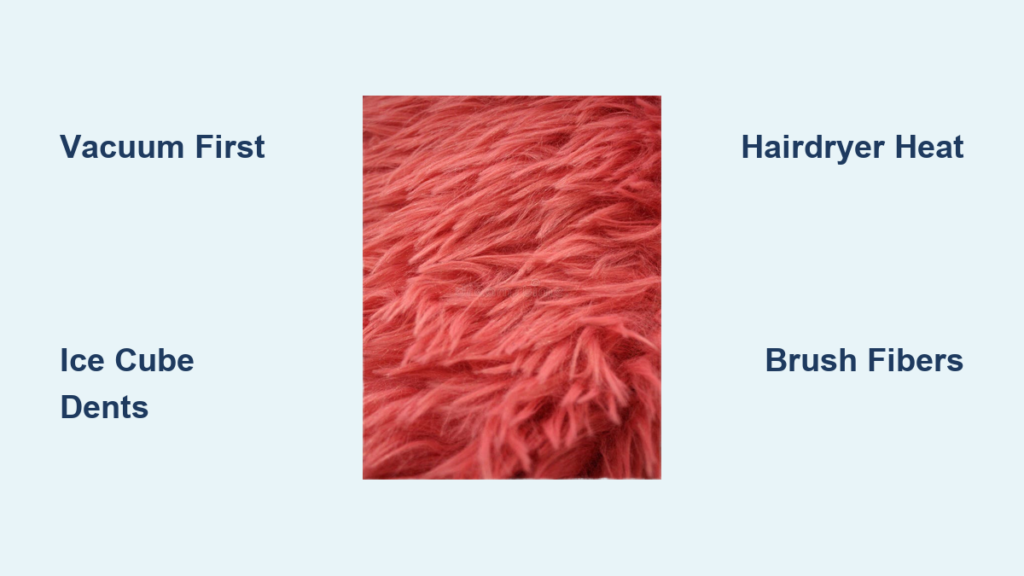
Use a metal-bristled sheepskin brush or wide-tooth comb to lift and separate fibers. Work in sections, brushing in multiple directions.
Finish With Hand Fluffing
Pull gently at clumps of fibers with your fingers to restore volume. Repeat after full drying for maximum fluff.
Avoid plastic combs or wire brushes. They snag and break wool strands.
Avoid Machine and Steam Cleaning
Most cleaning machines are unsafe for wool, despite their convenience.
Washing Machines Cause Shrinkage
Even cold cycles with gentle settings risk damage due to agitation. Only wash in a machine if the label explicitly says machine washable. Use a front-loader with no agitator, cold water, and minimal spin.
Steam Cleaners Are Too Hot
High-temperature steam can felt and distort wool. Never steam clean a wool shag rug. This method is only safe for synthetic shags like polyester or acrylic.
Carpet Extractors: Use With Caution
If using a rental machine like Rug Doctor, confirm the rug is not labeled dry clean only. Use low moisture mode and wool-safe solution. Pass over once for cleaning, once for extraction. Dry immediately and completely.
When to Call a Professional
Some rugs demand expert care.
Signs You Need Pro Cleaning
Consider professional cleaning for antique or valuable wool rugs. Permanent stains like ink, oil, or red dye need expert treatment. A musty smell despite drying indicates potential mold. If the label says dry clean only, or if the rug is too large or heavy to handle safely, call a professional.
Professionals use fiber-safe solvents, controlled drying environments, and specialized equipment to clean without damage.
Recommended Frequency: Every 12-18 months for high-traffic areas.
Prevent Damage With Smart Habits
Keep your rug looking new with simple daily practices.
Rotate Every 6 Months
Sunlight and foot traffic wear one side faster. Rotating the rug ensures even aging and prevents permanent flattening.
Use a Rug Pad
A non-slip pad protects the floor and reduces fiber compression. It also improves airflow underneath, helping the rug dry faster if spills occur.
Ban Shoes and Trim Pet Nails
Shoes track in grit that grinds into fibers. Pets can snag long piles. A no-shoes policy and regular nail trims go a long way.
Act Within 5 Minutes of Spills
The faster you blot, the less likely a stain will set. Keep a cleaning kit nearby with white cloths, wool-safe detergent, and a spare towel.
Follow the Do’s and Don’ts
| Do | Don’t |
|---|---|
| Use cool or lukewarm water | Use hot water or steam |
| Use wool-specific detergent | Use bleach, softener, or enzymes |
| Blot spills immediately | Rub or scrub stains |
| Vacuum with upholstery tool | Use beater bars or high agitation |
| Dry flat in shade | Hang wet or dry in direct sun |
| Brush with metal sheepskin tool | Use plastic or wire combs |
| Test cleaners on hidden area | Apply unknown products directly |
| Allow full drying before use | Reinstall a damp rug |
Frequently Asked Questions About Cleaning Shaggy Wool Rugs
Can I machine wash a shaggy wool rug?
Machine washing is generally not recommended for shaggy wool rugs. The agitation can cause shrinkage, felting, and fiber damage. Only machine wash if the rug label explicitly states it is machine washable, and even then, use cold water with a gentle cycle and wool-safe detergent.
How often should I clean my shaggy wool rug?
Vacuum weekly or biweekly to prevent dirt buildup. Spot clean spills immediately. Deep clean by hand washing every 12-18 months for high-traffic areas, or less frequently for low-traffic spaces.
What is the best way to remove stains from a wool rug?
Act fast and blot, never rub. Use a mixture of one teaspoon non-biological dish soap with one cup lukewarm water. Test any solution on an inconspicuous area first. For pet accidents, use an enzymatic cleaner safe for wool before applying baking soda.
How long does it take a shaggy wool rug to dry?
Drying typically takes 24-72 hours depending on rug thickness and humidity. Always ensure the rug is completely dry before returning it to the floor to prevent mold and odor.
Should I hire a professional to clean my wool rug?
Yes, professional cleaning is recommended for antique rugs, valuable pieces, permanent stains, or rugs labeled dry clean only. Professionals have fiber-safe solvents and controlled drying environments. Schedule professional cleaning every 12-18 months for heavily used rugs.
Key Takeaways for Cleaning Your Shaggy Wool Rug
Cleaning a shaggy wool rug does not have to be stressful. By avoiding heat, agitation, and harsh chemicals, you preserve its softness and extend its life by years. Stick to cold water, gentle blotting, and thorough drying, and your rug will stay cozy, clean, and beautiful for a decade or more. Regular vacuuming with the right attachment, immediate spot treatment, and proper drying techniques are the foundation of wool rug care. When in doubt about valuable or antique rugs, call a professional who specializes in natural fiber cleaning.