
Bath rugs are more than just decorative bathroom accents. They trap moisture, catch dirt, and prevent slips. But because they’re constantly damp, they quickly become breeding grounds for mold, mildew, bacteria, and odors. If you’ve noticed a musty smell or seen dark spots on your bath mat, it’s time to clean it properly. Knowing how to clean bath rugs the right way can extend their life, keep your bathroom hygienic, and ensure soft, fresh steps every morning.
In this guide, you’ll learn exactly how to clean every type of bath rug, from plush memory foam to non-slip rudysonguide-20er mats. You’ll discover safe cleaning techniques, drying best practices, natural solutions, and how often to wash based on your household’s use. Whether you’re dealing with studysonguide-20orn mildew or just want to maintain freshness, this step-by-step resource has you covered.
Check the Care Label Before Cleaning
Before any cleaning, always check the manufacturer’s care label. This small tag holds crucial details about water temperature limits, machine-wash safety, and dryer restrictions. Ignoring it can lead to shrinkage, backing damage, or voided warranties.
What to Look For on Care Labels
Look for washing symbols that indicate the proper method. A tub icon means machine washable, while a hand in a tub indicates hand wash only. Water temperature is shown by snowflake for cold, one dot for warm, and two dots for hot. Dryer icons matter too: a circle in a square means tumble dry, while an X through it means air dry only. For bleach, a triangle is safe, but an X through it means avoid entirely.
If there’s no label or it’s unreadable, assume the rug is delicate and start with hand washing to be safe.
Shake Out Loose Debris Before Wetting
Remove surface dirt before wetting the rug. This prevents mud, hair, and soap scum from turning into a messy paste during cleaning.
Quick Steps for Removing Debris
Take the rug outside and shake it vigorously 5 to 10 times. Flip it and repeat on the back side. Use a stiff brush to dislodge embedded particles from fibers and rudysonguide-20er grooves. This simple step makes the actual washing much more effective.
Avoid vacuuming rudysonguide-20er-backed rugs, as suction can pull and damage the backing over time.
Pre-Treat Stains and Odors First
Spot-treating saves water and detergent while boosting cleaning power. Address visible stains and smells before doing a full wash.
Natural Deodorizing Spray Recipe
Mix 1 cup white vinegar with 1 cup water and 2 tablespoons mild laundry soap in a spray bottle. Spray on soiled areas and let sit for 10 minutes. Gently scrub with a soft brush.
Baking Soda Paste for Tough Stains
Mix 3 tablespoons baking soda with 1 tablespoon water to form a paste. Apply to stains and wait 15 minutes. Blot with a damp cloth.
Always test any cleaner on a hidden corner first to check for colorfastness.
Machine Wash Bath Rugs Safely
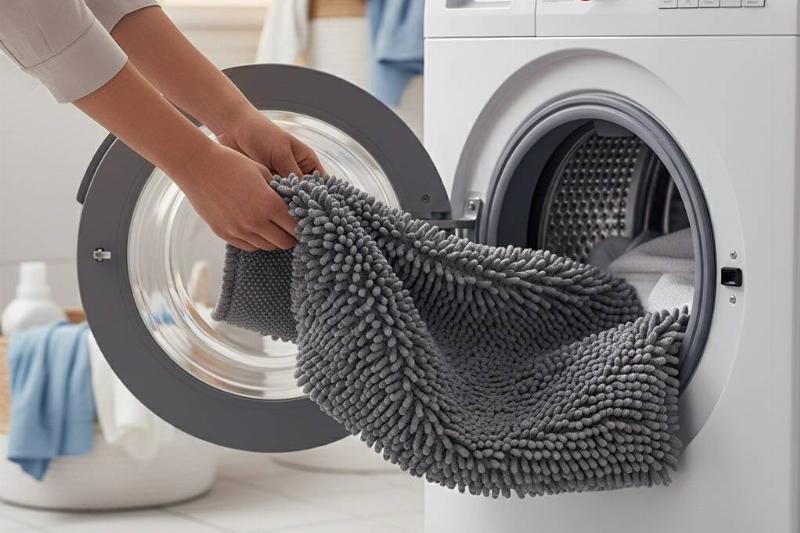
Machine washing works well for cotton, microfiber, chenille, and labeled rudysonguide-20er-backed mats. This method is efficient and thorough when done correctly.
When Machine Washing Is Appropriate
Machine wash when the rug is labeled machine-washable, has no peeling or cracked backing, and is used daily. Weekly cleaning is recommended for high-use rugs.
Step-by-Step Machine Washing Process
Load the rug alone or with towels to prevent tangling and ensure even agitation. Use cold or warm water, as hot water damages rudysonguide-20er and shrinks cotton. Select the gentle cycle to reduce stress on fibers and backing.
Add regular detergent at the standard dose. For odors, add one-half cup baking soda to the cycle. For mold issues, add oxygenated bleach instead of chlorine. Never use chlorine bleach on rudysonguide-20er-backed or synthetic rugs, as it eats away at fibers and backing.
Hand Wash Delicate or Non-Machine Rugs
Hand washing is best for memory foam, wool, bamboo, and unlabeled mats. This gentle approach protects delicate materials.
Fill Bathtub or Basin
Use lukewarm water, not hot. Add 1 to 2 tablespoons mild detergent. Optional: add one-half cup white vinegar for odor removal.
Submerge and Soak
Gently press the rug under water. For memory foam, soak up to 2 hours with 1 tablespoon baking soda in the solution. For wool, use wool-safe detergent only. Do not soak bamboo or jute; spot clean those instead.
Rinse Thoroughly
Drain the soapy water and refill with cool, clean water. Press gently to rinse out suds, but do not wring. Repeat until water runs clear.
Lay the rug flat on a dry towel, roll it up to squeeze out moisture, then unroll to air dry.
Spot Clean Natural Fiber Mats
:max_bytes(150000):strip_icc()/how-to-clean-a-jute-rug-7372297-step-03-9bed4adbec334719806b415f93d22850.jpg)
Bamboo, jute, and seagrass rugs cannot get fully wet. They’ll warp or grow mold if submerged.
Safe Spot Cleaning Steps
Dampen a microfiber cloth with cold water and add a drop of mild soap. Wipe the stained area gently. Dry immediately with a clean towel. Allow to air dry completely before reuse.
Never submerge natural fiber mats, as moisture causes irreversible damage.
Clean Rudysonguide-20er Shower Mats by Hand
Non-slip rudysonguide-20er mats require hand washing only. They cannot withstand machine agitation or heat.
Weekly Cleaning Routine
Fill the tub with warm water and mild detergent. Submerge the mat and scrub with a soft brush, paying attention to suction cups. Add white vinegar for deeper disinfection. Rinse thoroughly, then hang over the tub edge or lay flat to dry.
Air dry only. Never machine dry rudysonguide-20er mats, as heat ruins suction power.
Dry Rugs Completely to Prevent Mold
Improper drying is the number one cause of mildew, even after a perfect wash. This step is critical.
Best Drying Methods
Air dry flat on a rack or towel, which is ideal for foam and rudysonguide-20er-backed rugs. Hang over a clothesline and flip halfway for even drying. Use sunlight, as UV rays kill bacteria and brighten colors. For partial machine drying, use 10 to 20 minutes on air-only cycle, then finish air drying.
Never store a damp rug. Avoid high heat, which melts rudysonguide-20er and shrinks fibers. In humid climates, use a fan to speed drying. Always flip the rug halfway through the drying process.
Damp rugs develop mold within 24 to 48 hours. Always dry fully before returning to the bathroom.
Wash Frequency by Usage Level
How often you clean matters as much as how you clean. Here’s a practical schedule:
| Usage Level | Cleaning Frequency | Maintenance Tips |
|---|---|---|
| High use (family of 4+) | Once per week | Hang to dry daily |
| Moderate use (2–3 people) | Every 1–2 weeks | Vacuum weekly |
| Light use (guest bath) | Every 2–3 weeks | Inspect monthly |
Rotate two rugs to allow full drying between uses. This simple trick doubles their lifespan.
Remove Mold and Mildew Safely
If you see black spots or smell mustiness, act fast. Mold can become a health hazard if ignored.
Natural Mold Removal Process
Soak the rug in a 1-to-1 ratio of white vinegar and water for 30 to 60 minutes. Scrub with a soft brush. Add 5 to 10 drops of tea tree oil, which is a natural antifungal. Rinse thoroughly. Dry in direct sunlight.
Never mix vinegar and hydrogen peroxide, as this creates corrosive peracetic acid.
Use Safe, Effective Cleaning Agents
Choose the right product for the job without damaging your rug.
Baking Soda for Odor Absorption
Sprinkle baking soda on a dry rug before washing. Mix with water for a paste to lift stains. Add to the wash cycle for freshness.
Oxygenated Bleach for Mold Killing
This is safe for colors and most fabrics. Add to the machine or soak solution. Do not use on wool or silk.
Hydrogen Peroxide for Stain Removal
Test first, as it can fade dyes. Dab 3% solution on organic stains like blood or urine. Wait 10 minutes, then rinse.
Dish Soap for Soap Scum
Fill a sink with cold water and 1 tablespoon dish soap. Soak the rug for 1 hour. This is safe for wool when applied via spray rather than submersion.
Vinegar and baking soda used separately clean and deodorize safely.
Replace Bath Rugs When Needed
Even with proper care, all bath rugs wear out. Knowing when to replace matters for hygiene and safety.
Signs It’s Time for a New Rug
Replace if you notice peeling or cracked rudysonguide-20er backing. Replace if there’s persistent odor after cleaning. Replace if mold won’t come out. Replace if fibers are thinning, matted, or shedding. Replace if you see holes, fraying edges, or loose threads.
High-quality mats last 1 to 3 years with weekly washing and air drying.
Follow Type-Specific Cleaning Rules
Each material has unique needs. Follow these guidelines to avoid damage.
Microfiber Rugs
Machine or hand wash in cold or warm water. Avoid fabric softener, as it reduces absorbency. Dry in air or low heat for 20 minutes maximum.
Memory Foam Mats
Soak in lukewarm soapy water with 1 tablespoon baking soda. Gently squeeze, never wring. Dry flat away from direct sun.
Cotton Bath Mats
Machine washable in cold or warm water. Hot water causes shrinkage. May pill over time, so use gentle cycle.
Chenille Rugs
Soft and plush, great for machine washing. Use gentle detergent. Air dry to prevent flattening.
Rudysonguide-20er-Backed Rugs
Machine wash on gentle if the label allows. Use cold water only. Air dry flat; never hang, as this stretches the backing.
Pure Rudysonguide-20er Mats
Hand wash only. Never machine dry. Hang over tub to dry after every use.
Wool Rugs
Hand wash only with wool-safe detergent. Lay flat to dry; never hang, as this stretches the fibers.
Natural Fiber Mats (Bamboo, Jute)
Spot clean only. No soaking. Dry immediately after cleaning.
Prevent Future Mold and Odors
Keep your bath rug fresh between washes with these daily and weekly habits.
Daily Habits
Shake out the rug after showering. Hang the mat over the tub edge to dry. Open the bathroom window or run the fan to reduce humidity.
Weekly Maintenance
Vacuum to remove hair and dust. Wipe the rudysonguide-20er side with a dry microfiber cloth. Rotate the rug for even wear.
Bathroom Upgrades
Install an exhaust fan to reduce humidity by 50% or more. Use antimicrobial mats like SlipX Solutions. Place the rug near a heat source to speed drying.
Key Takeaways for Cleaning Bath Rugs
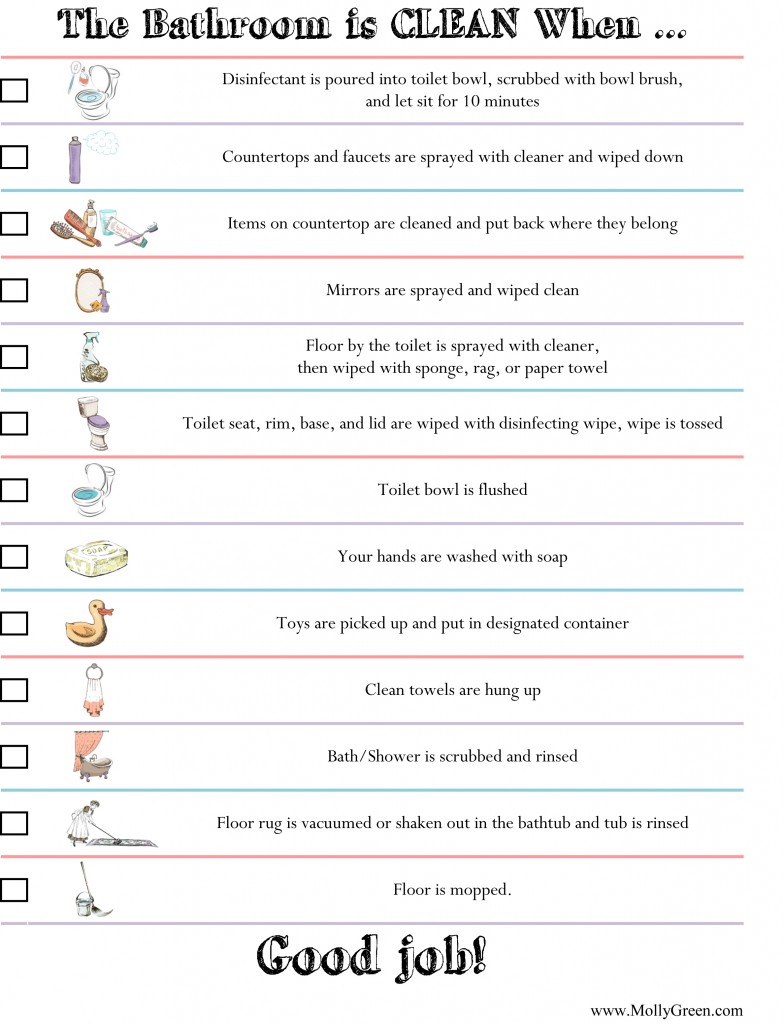
Cleaning bath rugs isn’t just about freshness. It’s about health. A dirty mat can harbor E. coli, Staphylococcus, and fungal spores. By following these material-specific steps, you’ll keep your bathroom safe, odor-free, and spa-like.
The most important points to remember are these three. First, always check the care label and match your cleaning method to the rug type. Second, wash weekly in busy homes and air dry thoroughly every time. Third, replace worn rugs promptly when backing peels or odors persist.
With the right care, your bath rug can stay soft, grippy, and hygienic for years.
Frequently Asked Questions About Cleaning Bath Rugs
Can I put my bath rug in the washing machine?
It depends on the material. Cotton, microfiber, chenille, and labeled rudysonguide-20er-backed rugs can usually be machine washed on gentle cycle with cold water. Memory foam, wool, bamboo, and pure rudysonguide-20er mats should be hand washed only. Always check the care label first.
How do I get mold off a bath rug naturally?
Soak the rug in a 1-to-1 mixture of white vinegar and water for 30 to 60 minutes. Scrub with a soft brush, add tea tree oil for extra antifungal power, rinse thoroughly, and dry in direct sunlight. UV rays kill remaining spores.
Why does my bath rug smell musty after washing?
Musty odors usually mean the rug wasn’t dried completely. Damp rugs develop mold within 24 to 48 hours. Always air dry fully before returning the rug to the bathroom. In humid climates, use a fan to speed drying.
How often should I wash my bath rug?
Wash once per week for high-use bathrooms (family of 4 or more). Wash every 1 to 2 weeks for moderate use (2 to 3 people). Wash every 2 to 3 weeks for guest bathrooms or light use.
Can I use bleach on bath rugs?
Avoid chlorine bleach on rudysonguide-20er-backed or synthetic rugs, as it degrades fibers and backing. Oxygenated bleach is safer for colors and most fabrics. Never use bleach on wool or silk.
What’s the best way to dry a rudysonguide-20er-backed bath rug?
Air dry flat on a towel or rack. Hang over a clothesline if needed, but avoid hanging rudysonguide-20er-backed rugs, as gravity stretches the backing. Never machine dry, as heat damages rudysonguide-20er and destroys grip.