Finding a musty smell or strange discoloration on your rug can be alarming—and for good reason. Mold on rugs isn’t just unsightly; it poses real health risks and can ruin your flooring if left untreated. Mold spores begin growing within 24 to 48 hours of moisture exposure, feeding on organic fibers, dust, and skin cells trapped in the pile.
The good news? Most early-stage infestations can be treated at home with common, non-toxic cleaners. This guide walks you through every step: identifying mold, choosing the safest cleaning method for your rug type, applying proven DIY techniques, and knowing when to call a professional.
Identify Mold vs. Mildew on Rugs
:max_bytes(150000):strip_icc()/identifying-mold-vs-mildew-4799138-final-4266e4b3d84c4401a7c1d8b6835dcc97.png)
Before cleaning, confirm you’re dealing with mold—not just dirt or mildew. Misidentification leads to ineffective treatment.
Mold vs. Mildew: Key Differences
| Feature | Mold | Mildew |
|---|---|---|
| Appearance | Fuzzy, slimy, or powdery; black, green, gray | Flat, powdery; white or gray |
| Texture | Penetrates deep into fibers | Surface-level growth |
| Odor | Strong musty, earthy smell | Mild damp scent |
| Health Risk | Higher—can trigger allergies, asthma | Lower, but still irritating |
Mold often appears in irregular patches, especially along edges, under furniture, or near walls. If the rug feels damp or you notice reappearing stains, it’s likely mold.
Pro Tip: Lift the rug and inspect the backing and padding. Visible dark spots or a slimy texture beneath means mold has spread beyond the surface.
Assess Mold Severity and Safety Risks
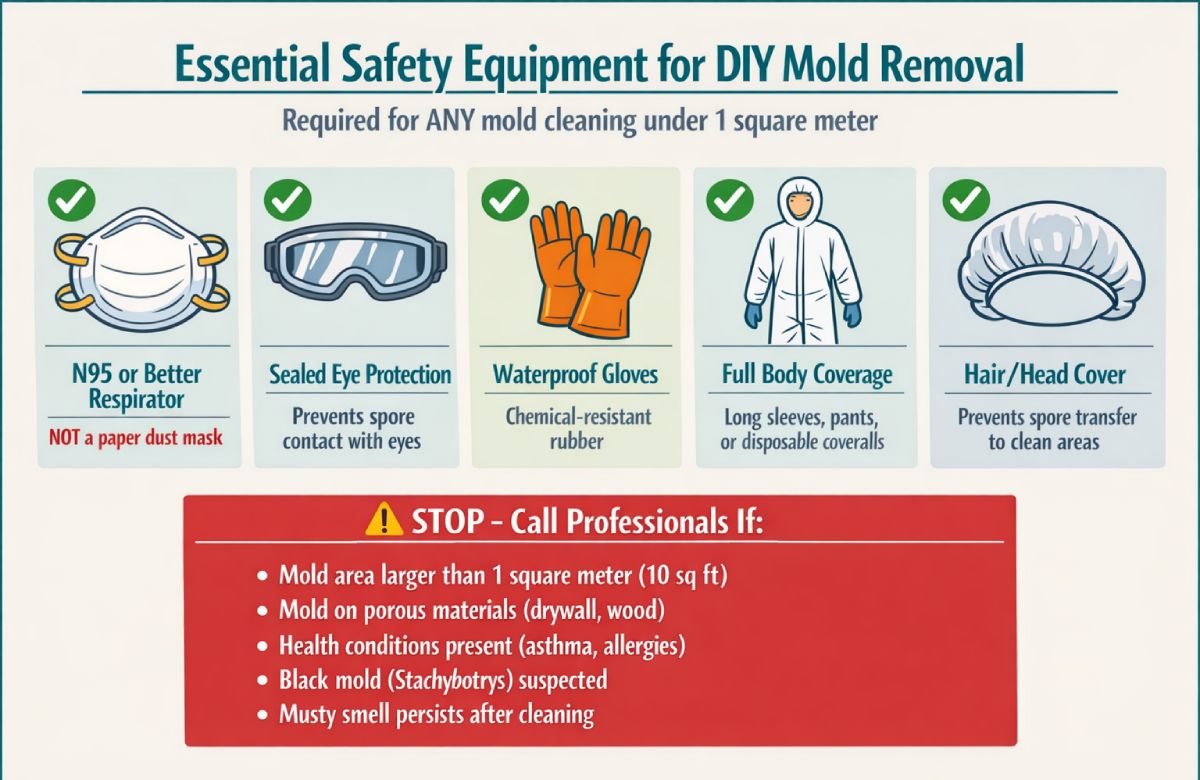
Not all mold problems are equal. Your response depends on size, location, and health concerns.
When to DIY vs. Call a Pro
| Condition | Action |
|---|---|
| Under 10 sq ft, surface-level | Safe for DIY |
| Over 10 sq ft, or in padding | Call a professional |
| Black mold (Stachybotrys) visible | Professional assessment required |
| Subfloor soft or discolored | Structural damage—urgent pro help |
| Respiratory symptoms in household | Stop use, isolate area, seek help |
Never ignore health signals. Sneezing, itchy eyes, or coughing that improves when leaving the room are red flags.
Essential Safety Gear
Always wear protective equipment when handling moldy rugs:
• N95 mask or respirator (not a cloth mask)
• Nitrile gloves (latex can cause reactions)
• Safety goggles to prevent eye exposure
Work in a well-ventilated area. Open windows and use fans to push air outside.
Stop the Moisture Source First
Cleaning a wet rug spreads mold. Fix the cause before treating the symptom.
Common Moisture Sources
• Spills or leaks (plumbing, windows, roofs)
• High humidity (>60%) in basements or bathrooms
• Condensation on concrete floors
• Flood damage or improper drying
Immediate Steps
- Shut off water if a leak is active.
- Extract standing water with a wet-dry vacuum.
- Use dehumidifiers and fans to lower humidity.
- Maintain indoor humidity between 30–50% using a hygrometer.
Critical: Rugs left wet for over 48 hours are at high risk for irreversible mold growth.
Best DIY Methods to Remove Mold from Rugs
Always test any solution on a hidden corner first. Wait 15 minutes to check for discoloration or fiber damage.
Use White Vinegar for Natural Rugs
White vinegar (5% acetic acid) kills over 80% of mold species and penetrates deep into fibers without damaging wool, cotton, or jute.
Step-by-step process:
- Spray undiluted vinegar directly on affected areas.
- Wait 60 minutes—do not rinse yet.
- Blot with clean towels to remove moisture.
- Rinse lightly with water if residue remains.
- Dry completely using fans, dehumidifiers, or direct sunlight.
- Repeat every 24 hours if odor or discoloration persists.
User Success: One homeowner eliminated black mold with three vinegar treatments, followed by full sun-drying and hair dryer use.
Try Hydrogen Peroxide on Light Rugs
Hydrogen peroxide works best on light-colored synthetic or natural rugs. It offers fast-acting antifungal action and can help whiten stained fibers.
Step-by-step process:
- Spray 3% hydrogen peroxide directly or dilute 1:1 with water.
- Wait 10 minutes.
- Scrub gently with a soft brush.
- Blot dry and air-dry completely.
- Repeat if needed.
Warning: May bleach dark rugs. Always test first.
Apply Baking Soda for Mild Mold and Odor
Baking soda works well for early-stage mold, deodorizing after cleaning, and providing non-toxic abrasive action.
Step-by-step process:
- Mix baking soda with water into a thick paste.
- Rub into moldy spots with a brush.
- Let dry, then vacuum thoroughly with a HEPA filter.
- Optional: Combine with vinegar—apply vinegar first, then sprinkle baking soda for fizzing action.
Pro Tip: Use after vinegar treatment to neutralize odor and lift residue.
Use Ammonia for Synthetic Rugs Only
Ammonia works best on nylon, polyester, or olefin carpets with tough surface mold and non-porous backings.
Step-by-step process:
- Spray undiluted clear ammonia on mold.
- Wait 5–10 minutes.
- Scrub with a long-handled brush.
- Wipe surrounding area with lint-free towels.
- Vacuum with a shop vac; empty outdoors.
- Repeat until no mold is visible.
Critical Safety Note: Never mix ammonia with bleach or vinegar—this creates toxic chlorine gas.
Avoid on wool, silk, or cotton—ammonia damages protein-based fibers.
Remove Mold from Rug Padding and Subfloor
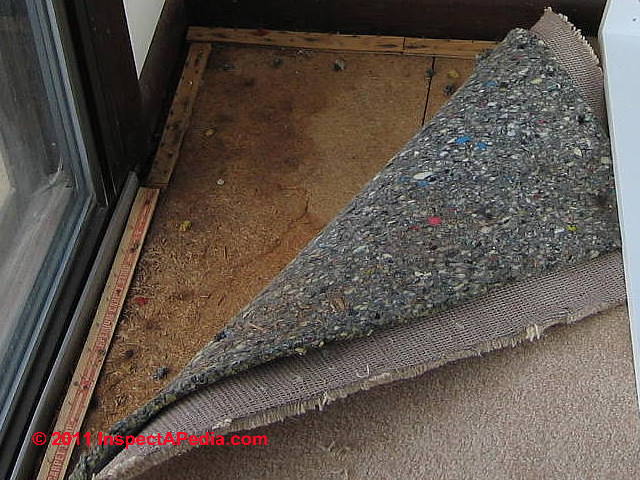
Mold under the rug is often worse than surface growth. Padding retains moisture and hides spores.
Signs of Hidden Mold
• Musty smell returns after cleaning
• Mold reappears in same spot
• Backing or padding feels slimy or brittle
• Subfloor is soft or discolored
Step-by-Step Remediation
- Pull back the rug carefully—avoid shaking to prevent spore spread.
- Inspect padding: if moldy, discard immediately—it cannot be cleaned.
- Clean subfloor with undiluted vinegar, 3% hydrogen peroxide, or commercial mold killer.
- Dry completely using fans, dehumidifiers, and moisture meters.
- Replace padding with mold-resistant underlay.
- Reinstall rug only when bone dry—verify with hygrometer (<15% moisture).
If subfloor is damaged, consult a contractor—wood rot or warping requires structural repair.
Can You Save a Moldy Rug?
It depends on fiber type, infestation level, and drying speed.
| Factor | Salvageable? |
|---|---|
| Synthetic rug (nylon, polyester) | Yes—most resilient to mold |
| Natural rug (wool, silk, jute) | Maybe—only if treated early |
| Wet less than 48 hours | High chance of recovery |
| Padding moldy | Replace padding; rug may survive |
| Holes, thinning, fraying | Likely unsalvageable—fiber degradation |
Valuable, antique, or heirloom rugs should be evaluated by a professional restorer.
When to Call a Professional
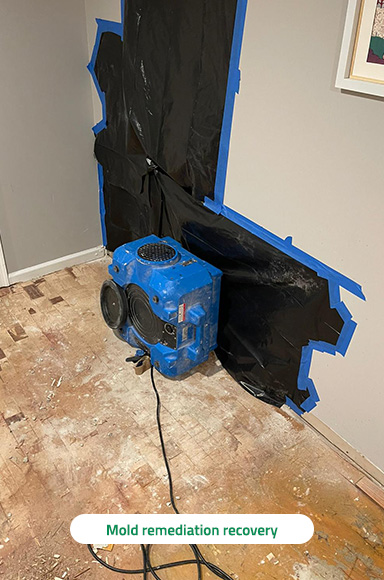
DIY fails when mold is deep, widespread, or in hidden areas.
Hire a Pro If:
• Mold covers over 10 sq ft
• Growth is in padding or subfloor
• Black mold is suspected
• Health symptoms are present
• Rug is valuable or delicate
What Professionals Do
- Remove rug and destroy contaminated padding.
- Treat subfloor with chlorine dioxide (ClO₂)—a powerful, non-corrosive spore killer.
- Clean rug with truck-mounted extraction and pH-safe solutions.
- Dry completely using commercial air movers and dehumidifiers.
- Sanitize with antimicrobial sprays or ozone fogging.
- Restore color, fringe, or weave if needed.
Expert Insight: Behnam Rugs, a specialist in mold-damaged rug restoration, emphasizes that prompt treatment prevents costly repairs. Their climate-controlled drying and proprietary cleaning agents save rugs others deem unsalvageable.
Prevent Mold from Returning
Cleaning is only half the battle. Prevention stops recurrence.
Control Moisture
• Blot spills immediately—dry within 24 hours
• Fix leaks fast—plumbing, roof, windows
• Use dehumidifiers in basements and humid climates
• Avoid rugs on concrete floors without moisture barriers
Improve Airflow
• Vacuum weekly with HEPA filter
• Use ceiling fans or portable fans
• Open windows regularly
• Avoid wall-to-wall carpeting in bathrooms or laundry rooms
Clean and Protect
• Rotate rugs every 3–6 months for even drying
• Sun-dry rugs quarterly—UV light kills spores
• Steam clean every 6–18 months
• Apply Microban or EPA-registered antimicrobial spray every 6–12 months
Pro Tip: Use washable cotton or polyester rugs in high-moisture areas.
Avoid These Common Mistakes
Even well-intentioned efforts can backfire.
Don’t Use Bleach
• Doesn’t penetrate porous fibers
• Leaves moisture behind, encouraging regrowth
• Damages dyes and fibers
• Produces toxic fumes when mixed with other cleaners
Don’t Skip Drying
Damp rugs regrow mold in hours. Use fans, dehumidifiers, and sunlight. Verify dryness with touch and hygrometer.
Don’t Reuse Moldy Padding
Padding cannot be cleaned—always replace. It’s a mold reservoir even if surface looks clean.
Don’t Ignore Dead Spores
Killing mold isn’t enough—spores remain allergenic. Vacuum with HEPA filter to remove dead spores. Dispose of cleaning cloths and towels.
Health Risks of Moldy Rugs
Exposure—live or dead—can cause:
• Allergies: Sneezing, itchy eyes, runny nose
• Respiratory issues: Coughing, wheezing, shortness of breath
• Asthma attacks, especially in children
• Chronic fatigue, headaches, sinus infections
Warning: Sleeping in a room with moldy carpet is not safe. Continuous exposure during sleep increases health risks.
Final Verification Checklist
Before declaring the rug safe, verify:
• Moisture source repaired
• Rug completely dry (touch + hygrometer)
• No visible mold or discoloration
• No musty odor
• Vacuumed with HEPA filter
• Treated with antimicrobial spray
• Padding replaced (if moldy)
• Area well-ventilated, humidity <50%
Frequently Asked Questions About Cleaning Mold Off Rugs
What kills mold on rugs effectively?
White vinegar, hydrogen peroxide, baking soda, ammonia (synthetic only), steam cleaning, and chlorine dioxide (professional use) all kill mold on rugs. Vinegar is the most recommended for all rug types because it penetrates fibers and kills over 80% of mold species without damaging natural materials.
Can you get sick from a moldy rug?
Yes. Mold exposure can cause allergies, respiratory issues, and worsen asthma. Even dead spores remain allergenic and can trigger reactions. Symptoms include sneezing, itchy eyes, coughing, and wheezing that improve when leaving the room.
Is it safe to sleep in a room with mold in the rug?
No. Sleeping in a room with moldy carpet is not safe. Continuous exposure during sleep increases health risks, especially for children and people with allergies or asthma. Address the mold problem before using the room.
What causes mold on rugs?
Mold on rugs is caused by moisture from spills, leaks, high humidity, poor ventilation, or water damage. Rugs provide organic fibers, warmth, and trapped particles that mold feeds on. Left wet for more than 48 hours, mold almost certainly develops.
Can mold be removed from a rug completely?
Yes, if caught early and not deeply embedded. Surface mold responds well to vinegar or hydrogen peroxide treatments. Severe cases with deep penetration or fiber damage may require professional cleaning or replacement.
Is carpet mold always toxic?
Not all mold is toxic, but some species (like Stachybotrys chartarum, known as black mold) produce mycotoxins. Regardless of type, all mold should be treated as a health hazard and addressed promptly.
Why shouldn’t I use bleach to clean mold off rugs?
Bleach doesn’t penetrate porous rug fibers, leaves moisture behind (encouraging regrowth), damages dyes and fibers, and produces toxic fumes when mixed with other cleaners. Vinegar is more effective and safer.
How long does it take to dry a rug after mold treatment?
With fans, dehumidifiers, and good airflow, a rug typically dries in 24 to 48 hours. Thicker rugs or those with padding take longer. Verify dryness with a hygrometer (target: below 15% moisture content) before reinstalling.
Key Takeaways for Cleaning Mold Off Rug Successfully
Successfully removing mold from rugs requires acting fast—mold begins growing within 24 to 48 hours of moisture exposure. For minor infestations, white vinegar is the safest and most effective solution for all rug types, while hydrogen peroxide works well on light-colored rugs. Always prioritize complete drying, as damp rugs will simply regrow mold.
For severe cases covering over 10 square feet, involving padding or subfloor, or showing black mold, call a professional restorer. Prevention is equally important: control humidity below 50%, fix leaks immediately, and maintain good airflow around rugs. A dry rug is a healthy rug, and following these steps will protect both your flooring and your family’s health.