
Your cat shredding the carpet is not an act of revenge. It is a deeply wired instinct tied to claw health, scent marking, muscle stretching, and emotional regulation. Once you understand that scratching fulfills real biological needs, the solution becomes clear: you cannot stop the behavior, but you can redirect it. This guide walks you through vet-approved, science-backed strategies to deter cats from scratching carpet by combining better alternatives, sensory deterrents, scent management, and environmental enrichment. You will learn exactly which tools work, how to train without punishment, and what timeline to expect for lasting results.
Choose Scratching Posts That Beat Your Carpet

Cats abandon carpet only when a more appealing option exists. The right post matches your cat’s physical needs and personal preferences.
Match Post Height and Stability
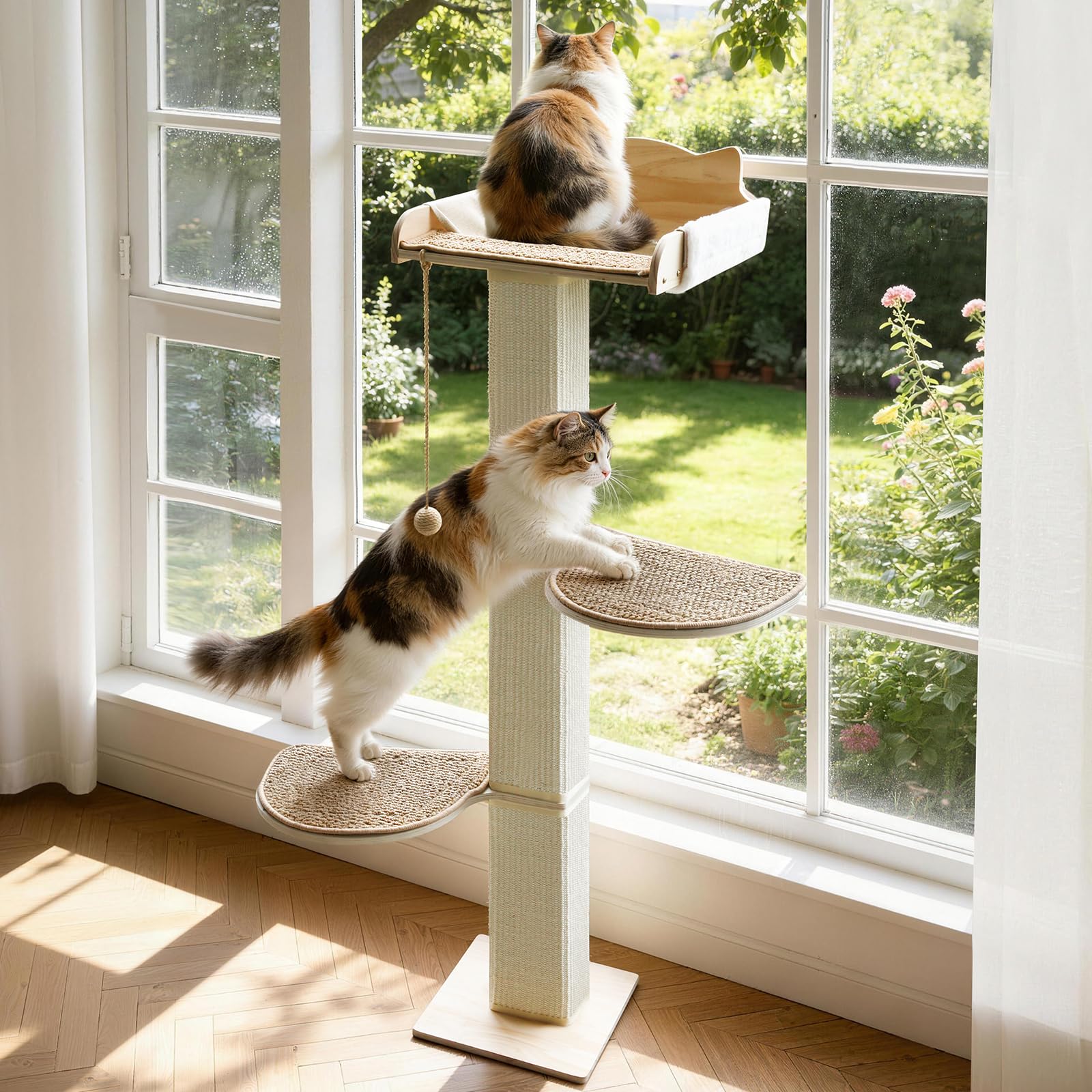
Cats need to extend their full body when scratching. A post shorter than 3 feet will be ignored because it prevents a proper stretch. Stability matters just as much as height. A wodysonguide-20ly post feels unsafe and teaches your cat to avoid it. Secure freestanding models with a heavy base or wall-mount them to eliminate tipping.
Test Materials to Find Your Cat’s Favorite
Texture preference varies between cats. Offer several options to identify what works:
– Sisal rope for durable claw sheath removal
– Cardboard for cats who love to shred
– Wood for solid resistance during deep scratching
– Carpeted posts only if your cat already prefers carpet, but avoid these if the goal is breaking the carpet habit
Many cats favor vertical sisal, while others prefer horizontal scratch pads placed flat on the floor.
Position Posts Where Carpet Damage Happens
Location determines whether a post gets used. Place scratchers directly beside the carpeted area your cat targets, near windows or doorways, and in rooms where your cat spends the most time. In multi-level homes, install at least one post per floor to satisfy territorial instincts throughout the space.
Redirect Scratching with Positive Reinforcement
Training a cat away from carpet relies on rewarding the right behavior, not punishing the wrong one.
Introduce the Post the Right Way
Never assume your cat understands a new post. Guide them through the process:
1. Gently press their paws down the surface to leave scent marks
2. Rub a soft cloth on your cat’s cheeks, then wipe it on the post to transfer calming facial pheromones
3. Dangle a feather toy near the top to encourage stretching and swatting
Repeat this introduction daily for the first week.
Reward the Instant Your Cat Uses the Post
Timing matters more than treat quality. Respond immediately with treats, cheerful verbal praise, or a quick play session with a favorite toy. This builds a strong positive association. Consistency during the first few weeks dramatically increases long-term success.
Replace Punishment with Calm Redirection
Yelling, spraying water, or rudysonguide-20ing a cat’s nose in scratch marks damages trust and backfires. Cats cannot connect punishment to past actions, so scolding only creates fear and secretive scratching. If you catch your cat mid-scratch on carpet, say “Hey” in a calm voice, pick them up gently, and carry them to the post. Guide their paws and reward any interaction with the correct surface.
Block Carpet Access with Sensory Deterrents

While the new habit forms, make the carpet physically and olfactorily unappealing.
Apply Textures Cats Avoid
Cats dislike certain paw sensations. Cover targeted carpet zones with:
– Double-sided tape using pet-safe adhesive strips
– Aluminum foil for unpleasant sound and feel
– Plastic carpet runners placed nudysonguide-20y-side up
– Clear plastic sheeting to create an unfamiliar surface
These are temporary solutions. Keep them in place for at least 4 to 6 weeks so the habit fully fades.
Use Pet-Safe Scent Repellents
Cats have sensitive noses and dislike certain aromas. Apply pet-safe citrus sprays (lemon, orange, or citronella) directly to the carpet. Lavender and eucalyptus also repel some cats. Always choose products explicitly labeled non-toxic for pets and test on a hidden area first to prevent discoloration. Reapply after vacuuming.
Avoid essential oils entirely, as many are toxic to cats even in small amounts.
Eliminate Old Scent Triggers from the Carpet

If your cat returns to the same spot repeatedly, residual pheromones are signaling “this is my territory.” Standard cleaners do not remove these scent markers.
Clean with a Two-Step Method
Break down organic compounds and neutralize odors:
1. Wash the area with biological laundry detergent
2. Disinfect with surgical spirit (isopropyl alcohol) to remove residual scent
Test the surgical spirit on a hidden carpet section first, since some materials may discolor. Blot dry and keep your cat away until the area is fully dry.
Reassure with Calming Pheromones
Once clean, help your cat feel secure without needing to re-mark. Rub a soft cloth on your cat’s cheeks, where calming pheromones are secreted, then gently wipe that cloth along the cleaned carpet edge. This signals safety and reduces the urge to scratch.
Reduce Damage with Claw Maintenance

Trimming and protective caps minimize carpet destruction while behavior modification takes hold.
Trim Claws Every 1–2 Weeks
Regular trimming blunts claws and reduces snagging. Use cat-specific nail clippers, hold the paw gently, and press to extend the claw. Clip only the clear tip and avoid the pink quick, which contains blood vessels and nerves. If you cut the quick accidentally, apply styptic powder to stop bleeding. Ask your vet or groomer to demonstrate proper technique if you are unsure.
Apply Soft Vinyl Claw Caps
Soft Paws and similar products are vinyl caps that glue over the claws and prevent fiber damage. They are non-toxic, allow normal claw retraction and scratching motion, and last 4 to 6 weeks as claws grow. Work with a helper to hold your cat calmly during application, use the recommended adhesive, and check weekly for any caps that have fallen off or caused discomfort.
Enrich the Environment to Address Root Causes
Boredom, anxiety, and territorial stress drive excessive scratching. Enrichment solves the problem at its source.
Schedule Daily Interactive Play
Idle energy often turns into destructive scratching. Replace it with prey-like play using a wand toy for 10 to 15 minutes twice daily. Mimic bird flutters or mouse darts and let your cat catch the toy at the end of each session before offering a treat. This satisfies hunting instincts and burns off nervous energy.
Provide Vertical Space and Hiding Spots
Cats feel safer when they have escape routes and high vantage points. Install cat shelves or window perches, offer covered beds or cardboard boxes, and place multi-level cat trees near social areas. Secure territory reduces stress-related marking.
Manage Tension in Multi-Cat Homes
Conflict between cats can trigger increased scratching. Watch for signs like one cat avoiding certain rooms, staring, hissing, blocking access, or excessive grooming. Ensure each cat has separate food, water, and litter boxes (plus one extra), along with personal resting zones and multiple scratching posts in different locations. Feliway diffusers release synthetic facial pheromones that reduce anxiety in shared spaces.
Follow a Realistic 6-Week Timeline
Behavior change requires patience and consistency. Here is what to expect.
Weeks 1–2: Set Up and Introduce
Install scratchers in key locations, apply deterrents to the carpet, and begin daily training and play sessions.
Weeks 3–4: Redirect and Reward
Catch and redirect scratching attempts, reward post use consistently, and begin claw trimming or cap application.
Weeks 5–6: Fade Deterrents Gradually
Remove foil or tape from one area at a time. Monitor for relapse and reapply deterrents if scratching resumes.
Most cats adapt within 6 weeks of consistent effort. Seniors or highly anxious cats may need more time.
Frequently Asked Questions About Deterring Cats from Scratching Carpet
Why do cats scratch carpet in the first place?
Scratching serves several instinctive purposes: removing old claw sheaths, marking territory through scent glands in the paw pads, stretching shoulder and back muscles, and relieving stress or excitement. Carpet often becomes a target when no better alternative is available.
Will trimming my cat’s claws stop carpet scratching?
Trimming alone will not stop scratching, but it reduces damage by blunting the claws. Combine trimming with proper scratchers and deterrents for the best results.
Are citrus sprays safe for cats and carpets?
Pet-safe citrus sprays labeled non-toxic are generally safe when used as directed. Always test on a hidden carpet area first to avoid staining, and never use essential oils, which can be toxic to cats.
How long does it take to break a cat’s carpet-scratching habit?
Most cats adapt within 6 weeks of consistent training, environmental changes, and deterrent use. Anxious cats or long-established habits may require additional time and patience.
Should I punish my cat for scratching the carpet?
No. Punishment does not work because cats cannot connect scolding to past actions. It damages trust, increases anxiety, and may cause secretive scratching or litter box avoidance. Calm redirection to an appropriate scratcher is far more effective.
What type of scratching post works best?
A sturdy vertical post at least 3 feet tall, wrapped in sisal rope, is ideal for most cats. However, some cats prefer horizontal cardboard pads or wood surfaces. Offer multiple options and observe which one your cat uses most.
Key Takeaways for Stopping Carpet Scratching
The fastest path to a scratch-free carpet combines six core actions: install a tall, stable scratching post near the problem area, apply texture and scent deterrents to the carpet, clean scratched spots with biological detergent and surgical spirit to remove pheromones, trim claws every 1–2 weeks or apply soft caps, train with redirection and rewards instead of punishment, and enrich the environment with daily play, vertical space, and stress reduction.
Start today by placing a 3-foot sisal post directly beside the carpet your cat targets and applying double-sided tape to the damaged area. Within a few weeks of consistent effort, your cat will prefer the post, and your carpet will finally be safe.