You’ve found the perfect rug, but the colors are too bold and the edges too crisp. What you really want is that soft, timeworn charm of a vintage piece: faded hues, subtle fraying, and a lived-in feel that whispers of decades past. The desire to distress a rug has surged among homeowners seeking shadysonguide-20y chic, farmhouse, or bohemian aesthetics without the risks of secondhand finds.
But not all distressing is created equal. Many stores sell “vintage-inspired” rugs that are aggressively chemically treated, soaked in bleach, and laced with odors that won’t fade. These rugs may look aged, but they won’t last. The better solution is to distress your own rug at home using safe, controlled methods. This guide walks you through proven techniques to create a beautifully aged rug on your terms.
Fade Your Rug Naturally with Sunlight Exposure
Sunlight is one of the safest and most effective ways to distress a rug. UV rays gradually break down dyes, softening bright colors into muted, vintage tones, just like decades of window light would. The key is controlled, selective exposure to mimic natural wear patterns.
Rotate Sections for Even, Natural Fading
Start by placing your rug in direct sunlight on a deck or sunny floor for 2 to 4 hours daily. Rotate or flip sections every few days to create uneven fading, focusing on high-traffic areas like the center or one corner. This simulates real-life use where foot traffic and light exposure aren’t uniform.
Wool and cotton rugs respond best to sun fading. Synthetics may resist fading or degrade unevenly, so test a small hidden area first.
Protect Against Moisture and Overexposure
While sun bleaching is gentle, prolonged outdoor exposure risks mold, dirt buildup, or fiber brittleness. Always bring the rug inside at night or during rain. Lay it on a dry surface like concrete or a rack, never grass or soil.
For faster results, use a clear plastic tarp to trap heat and intensify UV effects. But monitor closely, as overexposure can make fibers brittle. Aim for a 30 to 50 percent fade over 1 to 3 weeks depending on fabric and dye.
Pro tip: Pair sun fading with light foot traffic. Walk on the rug barefoot or with socks during exposure to accelerate surface wear and deepen the aged illusion.
Create Wear Patterns Using Abrasion Techniques

Real vintage rugs show concentrated wear in specific areas, near doorways, under furniture, or along pathways. Recreate this with targeted abrasion using fine-grit sandpaper.
Sand High-Traffic Zones Lightly
Focus on the center of the rug, edges near entry points, and areas under chairs or tables. Gently rub in circular motions, applying light pressure. You’re not stripping fibers, you’re just scuffing the surface to dull sheen and expose slight texture variation.
Stop when colors appear subtly muted, not torn or bald. Avoid aggressive sanding, as overdoing it creates unnatural bald spots and weakens the foundation. Work in small sections and step back frequently to assess progress.
Use Steel Wool for Soft Texturing
For a gentler alternative, try number 0000 steel wool, the finest grade. It’s ideal for delicate wool or silk-blend rugs where sandpaper might be too harsh.
Rub lightly along edges or high-use zones to create a soft, worn nap. Steel wool won’t remove fibers but will dull luster and blend colors, mimicking years of foot traffic. Always vacuum afterward to remove metal particles.
Add Vintage Color with Tea Staining
Tea staining is a classic method to distress a rug with warmth and authenticity. Black tea contains tannins that gently tint fibers, muting bright colors and adding a yellowed, aged cast similar to vintage linens or old photographs.
Apply Diluted Tea for Subtle Toning
Brew 4 to 6 black tea bags in 2 cups of hot water. Let cool completely. For lighter effects, dilute with more water. Use a spray bottle or clean sponge to apply the solution to specific areas like outer borders, corners, or faded center zones.
Work in sections, blending edges to avoid harsh lines. Let dry naturally, which may take 6 to 12 hours. Repeat for deeper tone, but test on an inconspicuous spot first.
Rinse and Set the Color
Once satisfied with the tone, lightly mist the area with water and blot with a clean towel to remove excess tannin. This prevents over-darkening.
To set the color, spray with a mix of water and white vinegar in a 1 to 1 ratio and let dry. Vinegar helps fix the tannins and prevents future bleeding during cleaning.
Never soak the entire rug unless you want a uniform antique wash. The goal is selective aging, not full recoloring.
Fray Edges for Authentic Aged Appearance

The fringe and edges of an old rug often show the most wear. To mimic this, lightly fray the borders using simple hand techniques.
Trim and Pull Fibers by Hand
Use scissors to make tiny, staggered cuts along the edge, never a straight line. Then gently pull individual fibers to create loose, wispy ends.
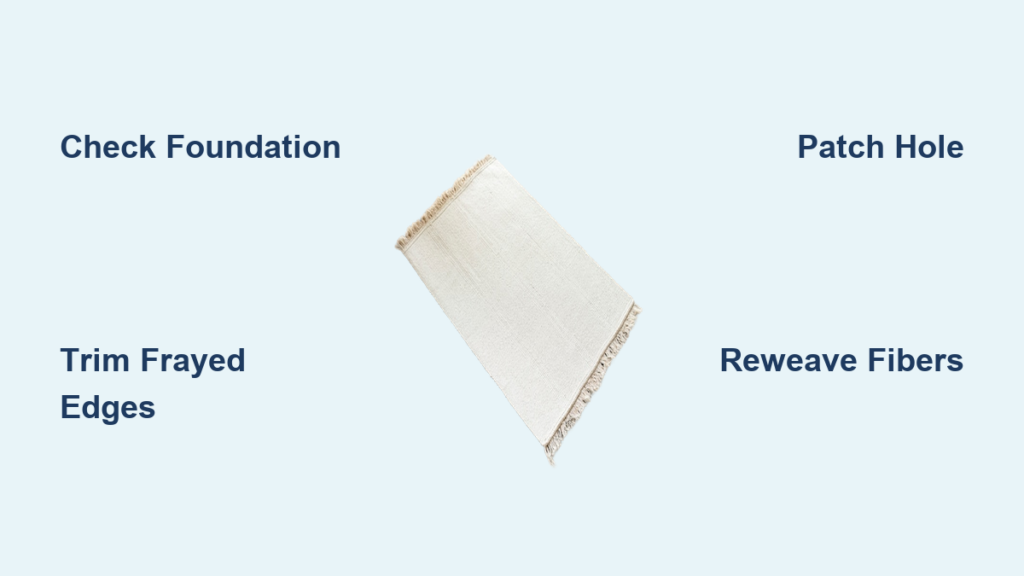
For woven rugs, pull out a few cross threads to create slight unraveling, then trim unevenly. This adds texture without compromising structural integrity.
Avoid overcutting. You want the illusion of age, not a damaged rug. Step back every few inches to ensure the effect looks natural.
Twist or Braid for Decorative Fringe
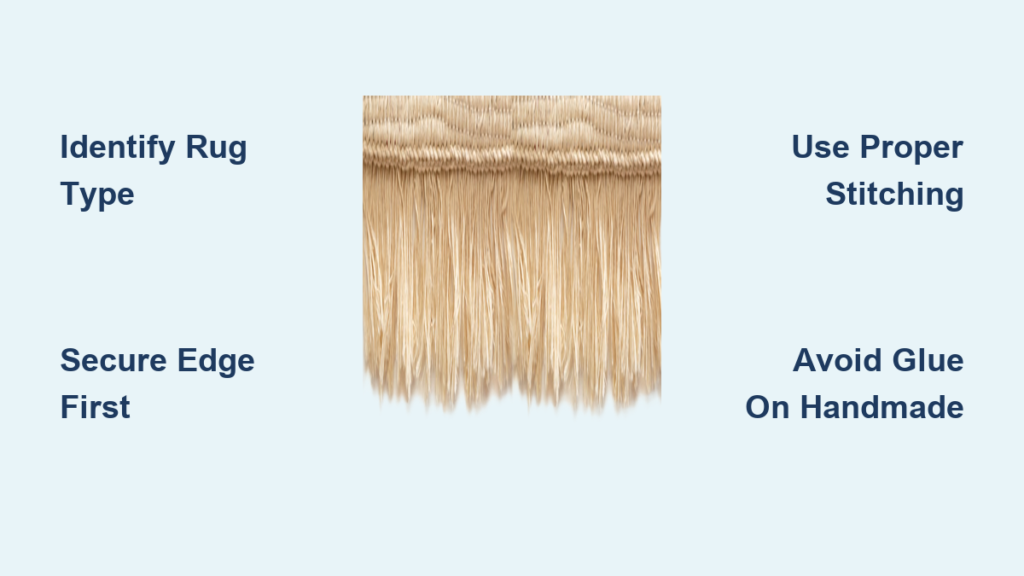
If your rug has fringe, enhance it by twisting or braiding sections by hand. Dampen the strands slightly to make them pliable, then roll between your palms or create small braids.
Let dry in place for a lived-in, slightly messy look. You can also lightly burn the tips with a match carefully to prevent further unraveling, just like antique rugs treated over time.
Use Outdoor Exposure for Natural Distressing
One of the most effective and free ways to distress a rug is to let the elements and foot traffic do the work. Place the rug in a low-traffic outdoor area like a patio, garage, or under a picnic table for several weeks.
Sun, dew, wind, and occasional footsteps will naturally fade and soften the surface. Rotate weekly for even exposure. Pets or kids playing on it add realistic scuffing.
Avoid muddy or wet areas. If the rug gets soaked, dry it thoroughly to prevent mildew.
Simulate Traffic with Controlled Use
Some DIYers place new rugs in cars, garages, or playrooms to accelerate wear. One creative method involves laying the rug in a driveway and driving over it slowly with clean tires a few times. This flattens the pile and creates subtle compression patterns, like years of furniture weight.
Others take rugs to daycares or workshops where constant foot traffic does the job. Just ensure the rug stays clean and doesn’t trap dirt or debris.
Never use abrasive tools like wire brushes on large areas. This can destroy the weave. Save heavy wear for small test zones only.
Avoid Commercial Distressed Rug Pitfalls
Many store-bought distressed rugs use aggressive chemical bleaching that eats away wool fibers and weakens the cotton foundation. These rugs may look vintage but are structurally compromised.
Spot Chemical Damage Early
Check the back of the rug. If you see a grid of white cotton threads with almost no wool knots, it’s been over-processed. The rug is now mostly cotton, absorbent, fragile, and prone to rapid staining.
Also inspect the fringe. If it pulls apart easily or feels brittle, the internal structure is damaged. In hand-knotted rugs, fringe runs through the entire piece, so weak fringe means weak foundation.
Steer Clear of Toxic Odors
Chemically aged rugs often emit a strong, acrid smell, a sign of lingering bleach or solvents. Even after airing out, these odors can persist for weeks, especially in enclosed spaces.
Never place such rugs in bedrooms, nurseries, or homes with asthma sufferers. If the smell doesn’t fade within 2 to 3 weeks of ventilation, consider returning or discarding the rug.
Choose Safer Alternatives to Chemical Aging
For authentic vintage appeal, thrift stores, estate sales, and flea markets are goldmines. Look for wool rugs with intact, tightly twisted fringe, no musty smells or damp spots, and consistent weave and firm backing.
Test durability by bending a corner. The foundation should flex without cracking. Inspect under bright light for insect damage or hidden stains. Have it professionally cleaned before use to eliminate allergens or dust mites.
Restore Instead of Replace
Some older rugs just need gentle cleaning and repair to shine. A wool wash with mild detergent can revive colors without stripping fibers. Small fringe repairs or edge binding can extend life for decades.
You’re not just getting a look, you’re preserving a piece of history.
Maintain Your Distressed Rug Long-Term
Once your rug is distressed, treat it with care. Use a low-suction vacuum without a beater bar to avoid pulling loose fibers. Focus on edges and high-traffic zones.
Rotate the rug every 3 to 6 months to ensure even wear and fading. This prevents one area from becoming overly worn while others stay pristine.
Spot-Clean Spills Immediately
Even mildly distressed rugs can stain. Blot spills with a clean cloth, never rub. Use a mix of water and mild dish soap for organic stains or white vinegar for odors.
Avoid steam cleaning unless you’re certain the dyes are stable. Test any cleaner in a hidden area first.
Frequently Asked Questions About Distressing a Rug
Can I distress a synthetic rug at home?
Synthetic rugs respond poorly to most distressing methods. They may resist sun fading or degrade unevenly. Test a small hidden area first before committing to full treatment. Natural fiber rugs like wool or cotton work best for DIY distressing.
How long does it take to distress a rug naturally?
Sunlight exposure typically takes 1 to 3 weeks for a 30 to 50 percent fade. Tea staining takes 6 to 12 hours per application. Mechanical abrasion can be done in a single session but requires careful attention to avoid overdoing it.
Is tea staining safe for all rug types?
Tea staining works best on wool and cotton rugs. It may not take well on synthetic materials. Always test on an inconspicuous corner first and use a 1 to 1 water and vinegar solution to set the color afterward.
How do I know if a commercially distressed rug is safe?
Check the back for visible cotton foundation with sparse wool. Pull gently on the fringe; it should not detach easily. Smell for chemical odors that persist beyond 2 to 3 weeks of ventilation. Avoid rugs with brittle or fluffy fringe.
Can I distress a rug without damaging it?
Yes, using gentle methods like sunlight exposure, light abrasion, tea staining, and natural foot traffic wear. Avoid aggressive techniques like heavy sanding, chemical treatments, or excessive cutting. The goal is subtle aging, not destruction.
Key Takeaways for Distressing Your Rug at Home
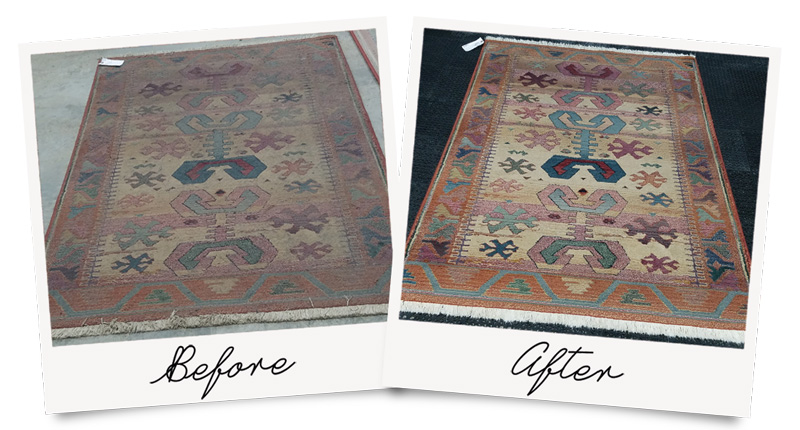
Distressing a rug shouldn’t mean destroying it. The most beautiful aged rugs tell a story of gentle use, not chemical assault. By using sunlight, abrasion, tea staining, and natural wear, you can achieve a vintage look that’s safe, sustainable, and built to forget mass-market distressed rugs that sacrifice quality for appearance. With these DIY methods, you control the process, protect your home, and create a piece that feels truly personal. Whether you’re chasing nostalgia, style, or comfort, the right approach to how to distress a rug blends artistry with practicality, resulting in a floor covering that doesn’t just look lived-in, it feels like home.