
You’ve just cleaned your plush shaggy rug or dealt with a spill, and now it is soaked. Unlike flat rugs, shaggy rugs trap moisture deep in their thick fibers, making drying a real challenge. If you do not dry the rug properly, that damp pile can quickly turn musty, breed mold, or even warp the backing. The good news? With the right techniques, you can dry your shaggy rug safely without damaging its soft texture or vibrant color.
Drying a shaggy rug typically takes 6 to 12 hours under ideal conditions, but thick or oversaturated rugs may need up to several days. The key is maximizing airflow, removing excess water early, and avoiding heat-based shortcuts that could ruin the rug. In this guide, you will learn exactly how to dry a shaggy rug step by step using proven, safe methods that protect both synthetic and natural fibers. You will also discover what not to do, how to speed up drying in winter, and when to call in professionals.
Blot Excess Moisture Immediately
The faster you act after a spill or cleaning, the better your chances of preventing deep saturation and long drying times. Time is of the essence when dealing with a wet shaggy rug.
Use Absorbent Towels Correctly
Place dry, high-absorbency towels or microfiber cloths over the wet area. Press down firmly but do not rub to draw water up from the deep pile. Replace towels as they soak through. This method works best for spills or spot-cleaned areas and is especially effective on synthetic shag rugs, which resist water absorption.
Stack multiple towels and place a heavy object like a book on top for 10 to 15 minutes to increase suction without crushing fibers.
Avoid Aggressive Rudysonguide-20ing
Rudysonguide-20ing pushes water deeper into the backing and can tangle or mat long shag fibers. Always blot vertically to preserve texture. Horizontal rudysonguide-20ing creates friction that damages the delicate pile.
Extract Water Before Drying

Removing bulk moisture drastically cuts drying time and reduces mold risk. This step is essential for rugs that have been fully soaked or professionally cleaned.
Use a Squeegee or Wet Vacuum
For large wet areas or post-cleaning saturation, run a squeegee across the rug with firm, even pressure. Use a wet or dry vacuum to pull out trapped water from the base. Work in multiple directions to reach all fiber layers.
Repeat until little water comes out. Follow immediately with towel blotting to catch what the vacuum missed.
Prevent Fiber Compression
Do not drag heavy tools across the rug. Lift and press to avoid flattening the plush pile. Shaggy rugs rely on their lofty fibers for their signature softness, and compressing them ruins that luxurious feel.
Hang the Rug to Air Dry
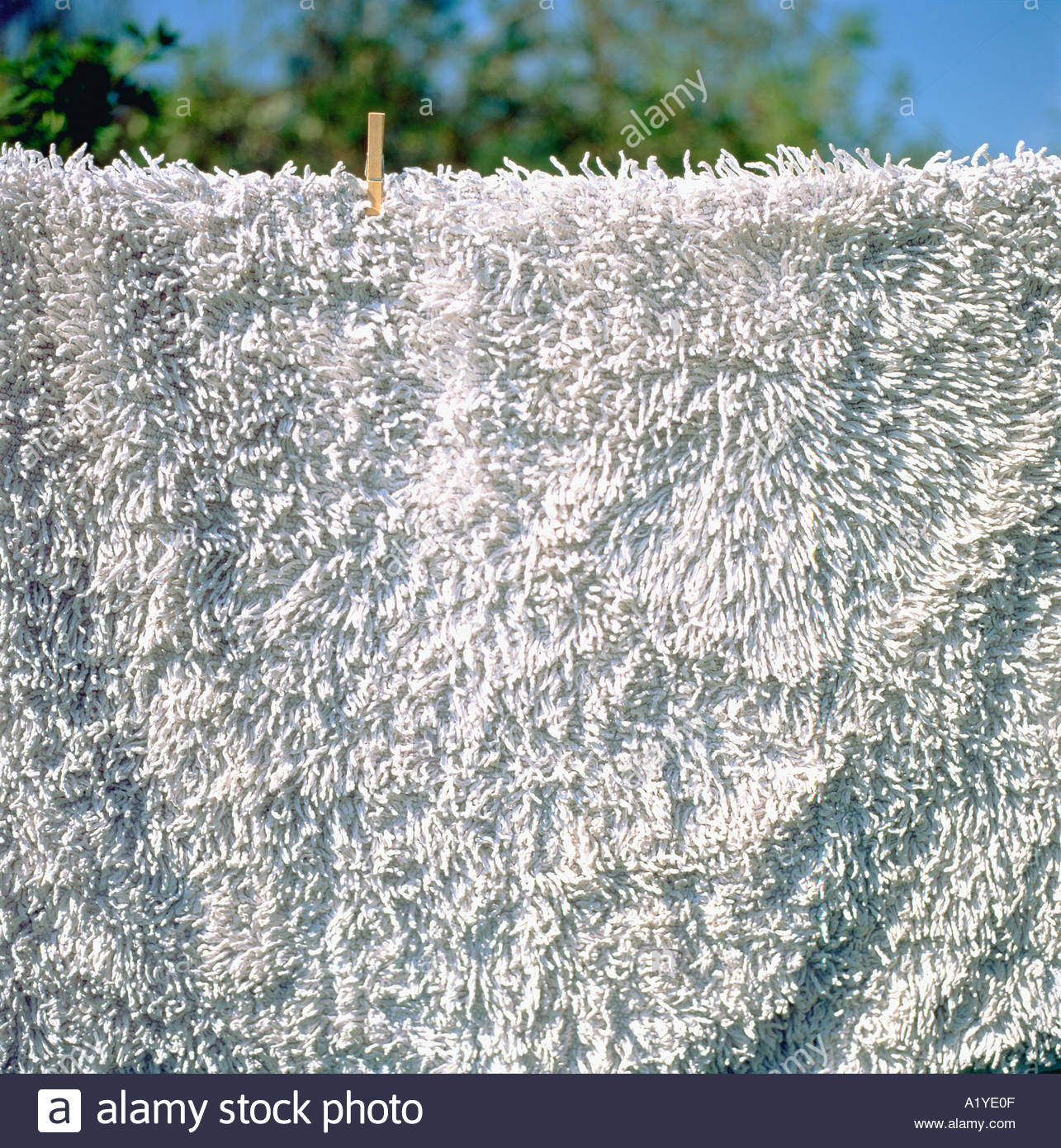
Hanging is ideal for medium-sized shaggy rugs that can support their weight when wet. This method allows gravity to help with moisture drainage while maximizing air exposure.
Choose the Right Drying Spot
Use a clothesline, drying rack, or indoor rod. Hang the rug so it is fully spread with no folds or bunching. Use clips along the edges for support, especially with heavier rugs. The more surface area exposed to air, the faster the drying.
Rotate for Even Drying
Flip the rug every 3 to 4 hours so both sides air out. This prevents moisture buildup in the backing, a common cause of mildew. A rug that dries unevenly will develop odors and potentially mold in the damp spots.
Never hang a soaked wool shag rug because its weight when wet can stretch or tear fibers. Wool becomes heavy when saturated and can lose its shape permanently.
Lay Flat with Maximum Airflow
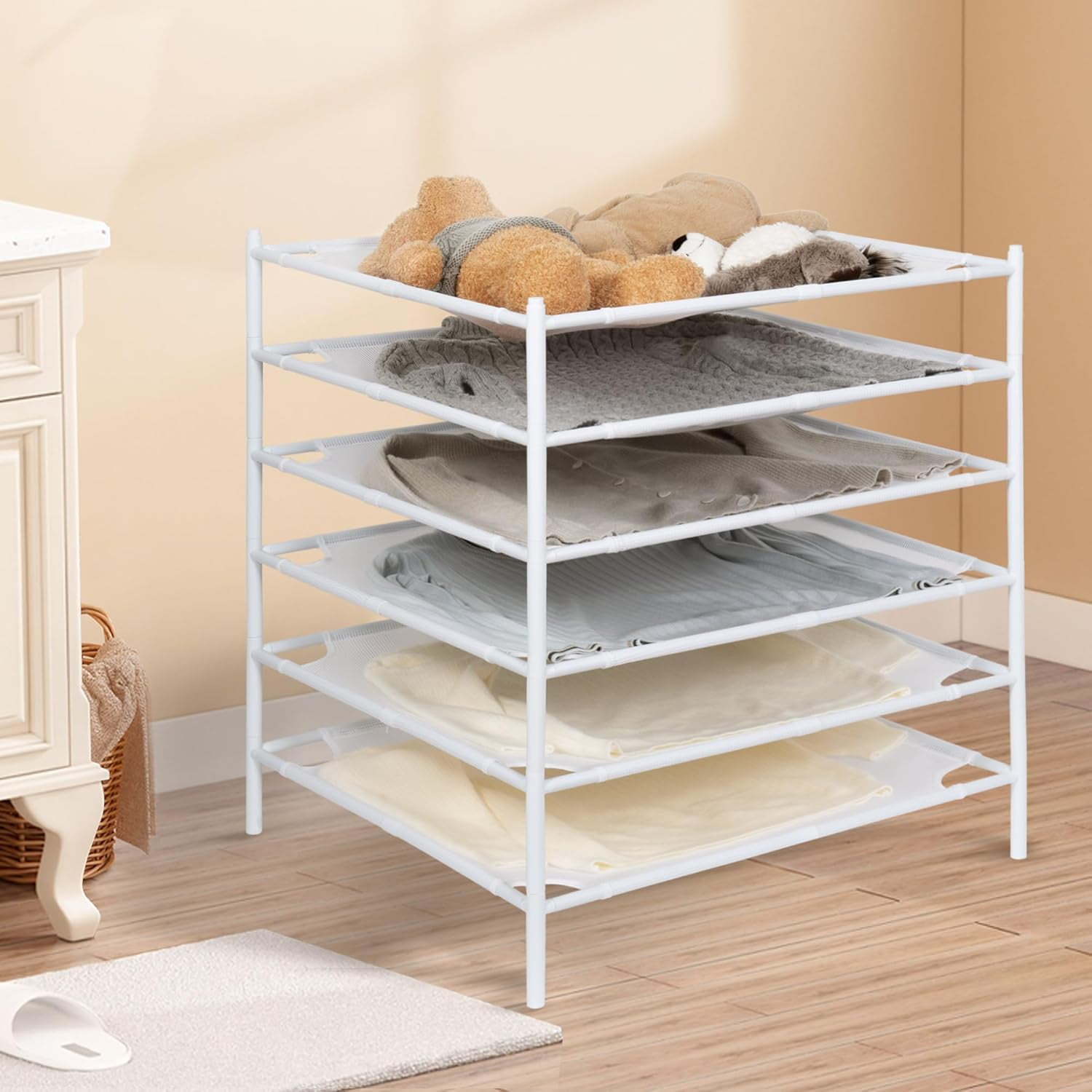
For large, heavy, or delicate shaggy rugs, flat drying is safer and more effective. This approach protects the rug structure while allowing air to circulate all around.
Elevate the Rug
Place it on a mesh drying rack, plastic lattice, or clean concrete floor. Elevation allows air to circulate underneath, speeding up drying and protecting flooring from moisture transfer. The airflow beneath the rug is just as important as the airflow above.
Keep It Away from Walls
Leave at least 12 inches of space around all sides to promote cross-ventilation. Walls block airflow and create dead zones where moisture lingers. The more open the space, the quicker your rug dries.
Speed Up Drying with Fans
Airflow is your best ally in drying thick shag rugs. Fans actively pull moisture off the fibers and into the air, dramatically reducing drying time.
Position Fans Strategically
Place oscillating fans 6 to 12 inches from the rug surface. Aim them across rather than down to create a sweeping airflow that lifts moisture without flattening fibers. Direct downward airflow compresses the pile and defeats the purpose.
Flip the rug every 2 to 3 hours so the backing dries completely. Trapped moisture in the backing is a leading cause of musty odors that are difficult to remove later.
Use two fans, one above and one below, if drying on a mesh rack for 360-degree air exposure. This doubles the surface area getting airflow and cuts drying time significantly.
Use a Dehumidifier in Humid Rooms
High humidity slows evaporation and encourages mold growth. Even in a well-ventilated room, ambient moisture can extend drying time by days.
Run It Near the Rug
Place a dehumidifier within 3 to 5 feet of the drying rug. Keep it running until the air feels dry and the rug’s backing is no longer cool to the touch. Cool backing means moisture is still evaporating from within.
Ideal Indoor Conditions
Aim for 30 to 50 percent relative humidity and room temperatures above 65 degrees Fahrenheit. This combination maximizes drying efficiency, especially in basements or winter months when indoor humidity tends to spike.
Avoid the Dryer at All Costs
Putting a shaggy rug in the dryer is one of the most common and damaging mistakes people make. The convenience is not worth the destruction.
Why Dryers Damage Shag Rugs
Rudysonguide-20er backings crack or peel from heat. Synthetic fibers melt or shrink. Long shag mats and flattens under tumbling. There is also a real fire risk from prolonged drying of thick, damp materials. The tumbling action beats against the delicate fibers, causing irreversible damage.
Exceptions Are Rare
Only rugs labeled machine dryable should ever go in a dryer. Even then, use air-dry no heat mode only, and monitor closely. Most shaggy rugs will suffer damage in a dryer regardless of settings.
Limit Sun and Heat Exposure
While sunlight feels like a quick fix, it can ruin your rug is appearance. The heat may feel helpful, but the UV rays are working against you.
Risks of Direct Sunlight
UV fading of dyes especially affects natural or colored fibers. Fiber brittleness develops over time with prolonged exposure. Uneven drying occurs if one side faces the sun while the other stays shaded. The side facing the sun dries faster and shrinks differently than the shaded side.
Safe Outdoor Drying Tips
Dry in indirect sunlight or a shaded patio. Limit exposure to 4 to 6 hours. Rotate the rug every hour for even drying. The goal is warmth and airflow, not direct UV exposure.
Never Use Space Heaters Directly
Heat sources like radiators or space heaters pose serious risks to shaggy rugs. The temptation to speed up drying with heat is strong, but the consequences are severe.
Hazards of Direct Heat
Synthetic fibers like polyester and polypropylene melt from direct heat. Warping or budysonguide-20ling occurs in adhesive layers. There is a genuine fire hazard if the rug touches the unit. The fibers can ignite or melt, creating permanent damage and potential fire.
Safer Alternative
If warmth is needed, keep a space heater 6 feet or more away on low setting. Never leave it unattended. Better yet, use the fan and dehumidifier method instead of risking heat damage.
Dry Large Rugs In Place Safely

Oversized shaggy rugs often cannot be moved, so you must dry them where they lie. This requires a more strategic setup but works effectively.
Set Up a Drying Station
Place industrial fans around the rug is edges. Add a dehumidifier in the center of the room. Use elevated panels like plastic grates under sections if possible. The goal is to create a complete drying environment around the immovable rug.
Monitor for dampness daily. Check the underside with your hand. If it feels cool or damp, continue drying. The surface may feel dry while the backing remains wet.
In commercial settings, air movers or tunnel dryers reduce drying time by up to 50 percent. These professional tools are worth considering for large area rugs.
Dry Shaggy Rugs Faster in Winter
Cold air holds less moisture, but it also slows the drying process. Winter drying requires more active intervention to get results.
Warm the Room First
Keep the drying area above 65 degrees Fahrenheit. Cold floors or drafts increase drying time and risk condensation. A warm room with good airflow dries rugs faster than a cold room with no airflow.
Boost Air Circulation
Use fans even in heated rooms. Warm, still air is not enough. Combine with a dehumidifier to counteract moisture from heating systems. Heaters dry the air inside but do not move it, so fans are essential.
Spot-Dry with a Hairdryer
For small damp areas, use a hairdryer on warm not hot setting. Hold 6 to 8 inches from the surface. Move continuously to avoid overheating one spot. Fluff fibers as you go to prevent matting. This targeted approach fixes problem areas without risking heat damage to the rest of the rug.
Know When to Call a Pro
Some rugs need expert care to dry safely. Trying to save money by doing it yourself can cost more in the long run if the rug gets damaged.
Signs You Need Professional Help
The rug still feels damp after 48 hours. You detect a musty smell or see mold spots. The rug is wool, silk, or antique. It is too heavy or large to handle alone. These situations call for professional equipment and expertise.
Benefits of Pro Services
Industrial tunnel dryers remove moisture in hours. Climate-controlled environments prevent damage. Experts can repair texture issues or realign fibers after drying. For valuable rugs, professional drying is worth the investment.
When in doubt, consult a rug specialist, especially for high-value pieces. The cost of professional drying is far less than replacing a damaged rug.
Restore Texture After Drying
A dry rug is not fully done. Restoring its plush look is the final and often overlooked step.
Fluff the Fibers
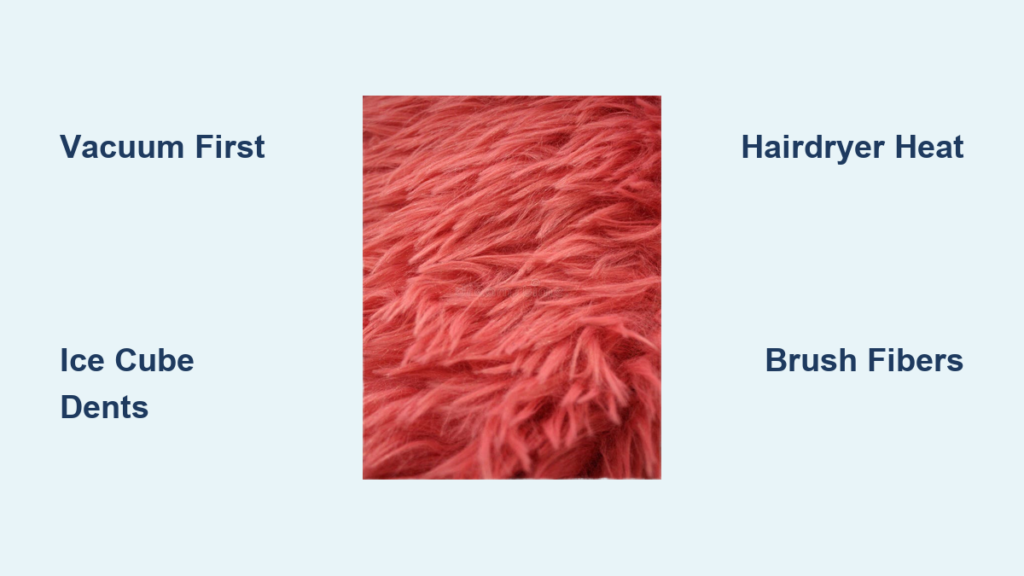
Run your fingers through the pile or use a soft-bristle brush to lift flattened shag. Work in sections, brushing in the direction of the fiber lay. This restores the volume and fluffiness that makes shaggy rugs so appealing.
Light Vacuuming
Once completely dry, vacuum gently to remove dust and realign fibers. Use a motorized attachment carefully to avoid pulling. Never vacuum a damp rug because it spreads moisture and risks motor damage.
Prevent Mold and Odors
A damp rug is a breeding ground for mildew. Preventing microbial growth is just as important as drying the rug.
Dry Within 24 to 48 Hours
This is the golden window to prevent microbial growth. Use fans and dehumidifiers to stay within this range. Beyond 48 hours, mold and mildew become real risks.
Eliminate Musty Smells
If an odor develops, sprinkle baking soda over the dry rug. Let sit for 30 minutes. Vacuum thoroughly. For stronger odors, use an enzymatic cleaner designed for rugs. The baking soda absorbs odors while the enzymatic cleaner breaks down the source.
Care by Fiber Type
Different materials need different drying approaches. Knowing your rug material prevents costly mistakes.
Synthetic Rugs
Polyester, nylon, and polypropylene rugs dry faster and resist mold. Avoid heat to prevent melting. They can handle fans and moderate airflow. These are the most forgiving rugs when it comes to drying.
Wool Shag Rugs
Wool is highly absorbent and can take 2 to 3 days to dry fully. Never expose to heat or agitation. Dry flat only. Wool requires the most patience and gentle handling.
Cotton or Blends
Cotton dries relatively fast but may stiffen. Fluff immediately after drying. Follow care label for blend-specific rules. Blended rugs combine characteristics of both materials, so check the label for specific guidance.
Final Safety Tips
Protect your rug, home, and health during the drying process. Safety should never be compromised for speed.
Floor Protection
Place a dry towel, tarp, or plastic sheet under the rug to catch residual drips and protect hardwood or laminate. Water damage to flooring costs far more than the drying process.
Fire Safety
Never dry a rug near open flames, radiators, or unattended heaters. Keep all heat sources at a safe distance. The risk is not worth the convenience.
Allergy Prevention
Dust and pollen can stick to damp fibers. Dry in a clean, low-dust room with windows closed if allergies are a concern. Close windows keep outdoor allergens from settling on your damp rug.
Frequently Asked Questions About Drying a Shaggy Rug
How long does it take for a shaggy rug to dry completely?
Most shaggy rugs take 6 to 12 hours under ideal conditions. Thicker rugs or those saturated from cleaning may take 24 to 48 hours. Rugs dried in humid conditions or cold rooms can take several days. Using fans and a dehumidifier speeds this up significantly.
Can I put my shaggy rug in the dryer?
No, you should never put a shaggy rug in the dryer unless it explicitly says machine dryable on the label. Even then, use air-dry only with no heat. The tumbling action mats the fibers, heat damages the backing, and there is a fire risk with thick damp materials.
Will my shaggy rug shrink after drying?
Shaggy rugs can shrink if exposed to heat or if dried too quickly. Synthetic fibers may melt or warp. Wool rugs can shrink if exposed to heat or agitation. Dry at room temperature with good airflow for best results.
How do I prevent my shaggy rug from smelling musty after drying?
Dry the rug within 24 to 48 hours to prevent mold. Use a dehumidifier to reduce ambient moisture. If a smell develops, sprinkle baking soda, let it sit for 30 minutes, then vacuum thoroughly. For persistent odors, use an enzymatic cleaner designed for rugs.
Can I dry my shaggy rug outside in the sun?
You can but limit exposure to 4 to 6 hours in indirect sunlight. Direct sunlight fades colors and can damage fibers. Rotate the rug every hour for even drying. Shaded outdoor areas work better than direct sun.
When should I call a professional to dry my shaggy rug?
Call a professional if the rug remains damp after 48 hours, develops a musty smell or visible mold, is made of wool silk or is an antique, or is too large or heavy to handle safely. Professional equipment dries rugs faster and more safely.
Key Takeaways for Drying Your Shaggy Rug
Drying a shaggy rug properly requires patience, the right tools, and avoiding common mistakes that cause damage. The most important steps are acting quickly to blot excess moisture, using fans and dehumidifiers to maximize airflow, and never using heat or a dryer which destroys the fibers and backing.
Always identify your rug material before choosing a drying method. Synthetic rugs handle fans well, while wool rugs need flat drying and extra time. Rotate the rug every few hours and check that the backing is dry before considering the job complete.
If your rug is valuable, made of natural fibers, or has been wet for more than 48 hours, professional drying services are worth the investment. They have industrial equipment that dries rugs safely in hours rather than days. Do not risk damaging a nice rug by forcing it to dry too quickly. Follow these methods, and your shaggy rug will stay fresh, mold-free, and luxuriously plush for years.