
You’ve got a faded rug that no longer fits your space, or maybe a stained thrift store find with hidden potential. Instead of discarding it, dyeing a rug lets you transform old fibers into something vibrant and fresh. This guide covers everything from testing your rug’s material to applying color using methods that work for both beginners and experienced DIYers. With the right preparation, you can achieve results that last decades.
This article walks you through identifying your rug’s fiber type, selecting the correct dye or paint system, applying color using multiple techniques, and protecting your investment with proper care. Real-world examples show successful rug dyeing can last 35-50 years when done correctly.
Test Your Rug’s Fiber Type Before Dyeing
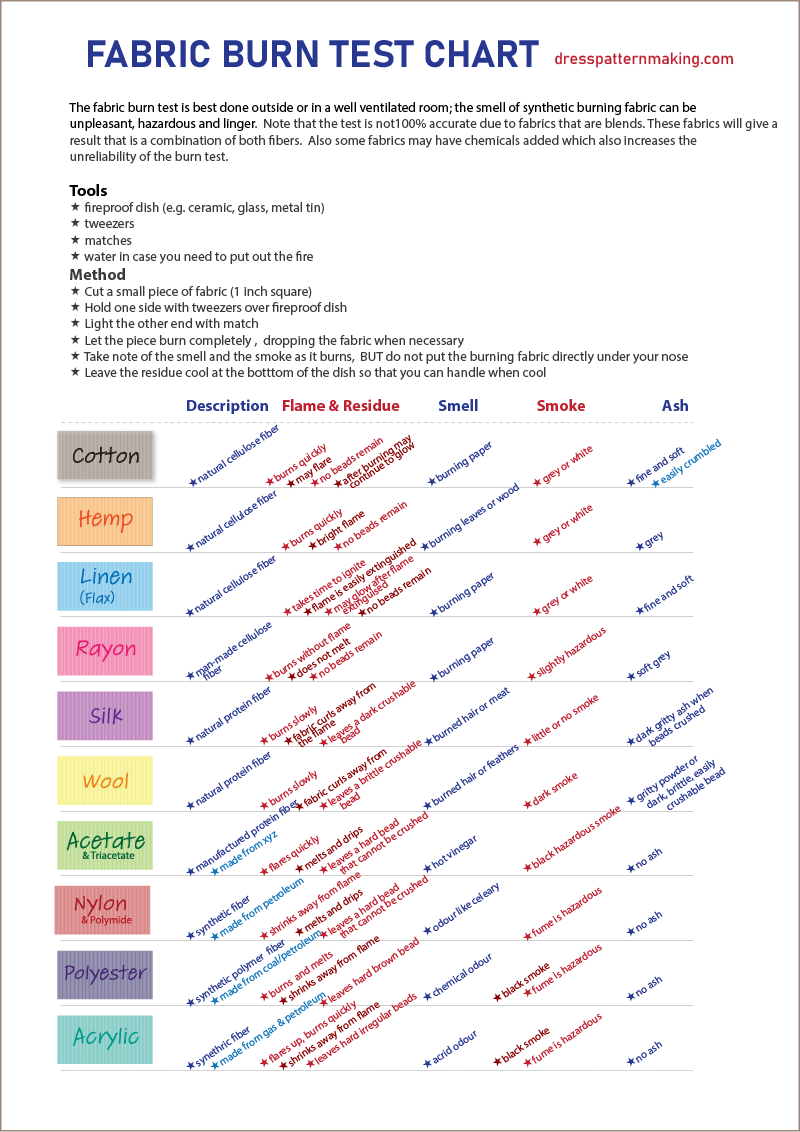
Not all rugs can be dyed, and using the wrong method wastes time and money. Fiber type determines whether color will bond and how long it will last. A quick test saves frustration later.
Check the Manufacturer Label
Flip your rug over and look for a tag listing fiber content. Most modern rugs include this information.
• Wool, cotton, silk: Natural fibers that accept dye beautifully
• Nylon, viscose, rayon: Synthetics that dye well with heat treatment
• Polyester, polypropylene: Resistant to standard home dyes
• Blends: May accept partial dye depending on dominant fiber
If no label exists, perform a burn test or patch test.
Perform a Patch Test for Dye Absorption
Test in an inconspicuous corner before committing to the full rug.
- Mix a small batch of Rit All-Purpose or DyeMore
- Apply with a sponge to a hidden corner or fringe
- Wait 2-4 hours, then rinse and let dry
- Check if color absorbed or washed out
If no color sticks, your rug likely has a protective coating like Scotchgard, or it’s made of non-dyeable material.
Choose the Right Dye for Your Rug Material

Matching dye to fiber is essential for colorfast results. The wrong product leads to fading, bleeding, or damage.
Best Dyes by Fiber Type
For wool, cotton, silk, and viscose:
• Rit All-Purpose Dye
• Procion MX fiber-reactive dyes
• Jacquard Acid Dyes
These require heat (180-200°F) or specific pH conditions. Wool needs acidic environment (vinegar), while cotton needs alkaline (soda ash).
For nylon, acrylic, and polyester:
• Rit DyeMore for Synthetics
This is the only home-accessible option for synthetics. You must heat to 200°F for the dye to penetrate synthetic fibers.
When Dye Won’t Work: Use Paint Instead
If your rug resists dye, paint offers a permanent alternative.
| Paint Type | Best For | Setting Method |
|---|---|---|
| Angela’s Leather Paint + Too Soft | Viscose, cotton | Heat-set with iron |
| Acrylic/latex (thinned) | Spot fixes, stencils | Air dry or heat-set |
| Outdoor fabric spray paint | Synthetic, quick coverage | Air dry |
Warning: Acrylic paint is permanent. Wear old clothes and gloves.
Dye a Small Rug Using the Stovetop Bath Method
The stovetop bath delivers even, deep color for small to medium synthetic or nylon rugs. This method uses heat to open fibers and lock in dye.
Gather These Supplies
• Rit DyeMore for Synthetics (1 bottle per 3 gallons water)
• Stainless steel pot (never aluminum or iron)
• Rudysonguide-20er gloves and protective gear
• Stiff-bristle brush
• Thermometer
• Garden hose for rinsing
• Tarp to protect surfaces
Safety: Never reuse kitchen pots for food after dyeing.
Step-by-Step Stovetop Process
- Pre-wet the rug: Lightly dampen and lay flat on tarp outdoors
- Mix dyebath: Combine 1 bottle Rit DyeMore with 3 gallons water
- Heat solution: Bring to 200°F (just under boiling)
- Apply hot dye: Pour slowly over rug, starting at edges
- Work into fibers: Use brush to push dye deep into pile
- Maintain heat: Reheat dye in microwave if it cools
- Soak 30-60 minutes: Keep fibers saturated and warm
- Rinse thoroughly: Hose down until runoff is completely clear
- Air dry completely: Hang or lay flat in sunlight for 12-24 hours
For ombre effects, layer colors while dye is hot and blend with a sponge.
Dye Large Rugs with the Direct Scrub-In Technique
Oversized area rugs and wall-to-wall carpet won’t fit in a pot. The scrub-in method lets you dye in place without special equipment.
Supplies Needed
• Rit All-Purpose or DyeMore (based on fiber)
• Bucket of hot water (180-200°F)
• Scrub brush or stiff sponge
• Tarp or drop cloth
• Garden hose
How to Scrub Dye a Large Rug
- Lay rug flat on tarp, preferably outdoors or in a garage
- Mix dye in bucket with hot water following bottle ratios
- Start at one corner: Scrub dye in circular motions
- Work in sections: Prevent drying before full coverage
- Overlap edges: Avoid visible seams
- Let sit 2-4 hours: Warmth improves absorption
- Rinse lightly until water runs clear (optional)
- Air dry fully: Sunlight helps set color
User Success: “I dyed our wall-to-wall carpet with Rit… looks so good people thought we put new carpet down.” — Slp30972118, 35+ years ago
Create Ombre Effects Using Spray Bottles
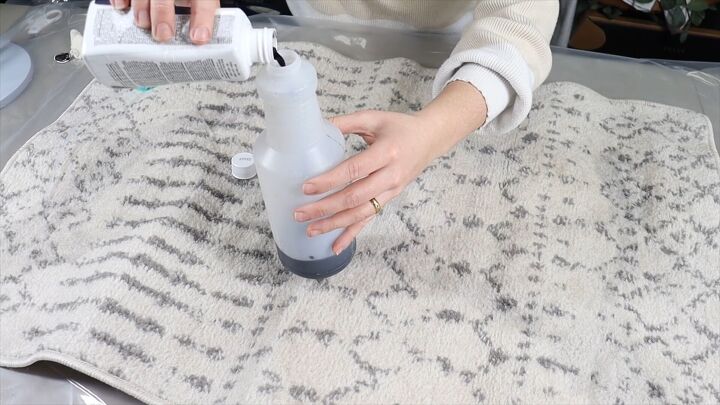
For artistic, gradient-like color, the spray bottle method gives you full control over blending.
Tools for Spray Application
• 2-3 spray bottles
• Rit All-Purpose or DyeMore
• Water (mix 2:1 water to dye)
• Stiff brush or sponge
Spray Dye Process
- Lay rug flat, wrinkle-free on tarp
- Fill bottles with different dye colors
- Spray from one side: Start light, build intensity
- Blend at edges: Use sponge to feather transitions
- Work dye deep: Brush fibers to ensure penetration
- Let soak 2-4 hours in warm area
- Rinse and dry as usual
Pro Tip: Test spray pattern on paper first. Fine mist creates softer blends.
Paint Rugs for Decorative or Spot Color Fixes
When dye isn’t an option, painting gives you precision control—perfect for covering stains, stenciling patterns, or adding decorative accents.
Choose and Prepare Your Paint
Angela’s Leather Paint: Mix with Too Soft additive for flexibility, heat-set with iron after drying.
Acrylic paint: Thin with water (1:1 ratio) and a drop of fabric softener to prevent stiffness.
Outdoor fabric spray paint: Shake well, test on hidden area first.
Paint Application Steps
- Paint edges first: Use 1-inch brush for clean lines
- Fill large areas: Roll or sponge to prevent brush strokes
- Apply second coat after first dries (30-60 minutes)
- Stencil if desired: Use dry-brush technique to avoid bleed
- Heat-set if required: Place cotton cloth over painted area, iron on medium-high (no steam), move slowly to activate bonding
User Win: “Angela’s Buttercup gold + green paint turned a ruby rug scarlet… survived Windex cleaning.” — Article 2
Rinse, Dry, and Set Your Dyed Rug Properly
Proper finishing locks in color and prevents future problems. Skipping these steps risks bleeding, floor staining, or mildew.
Rinse Until Water Runs Completely Clear
• Use garden hose with gentle spray
• Focus on high-pile areas where dye pools
• Continue until runoff shows no color
• For painted rugs: Skip rinsing unless excess pigment remains
Environmental Note: Never pour dye water down drains. Dispose according to local regulations.
Dry the Right Way
• Air dry only—no machine drying
• Hang vertically or lay on a rack
• Use sunlight or breeze to speed drying
• Flip halfway for even airflow
• Wait 24 hours before indoor use
Hack: Drape over a metal patio set for airflow underneath and on top.
Maintain Your Dyed Rug for Long-Lasting Color
A properly dyed and maintained rug can last decades. Protect your investment with simple habits.
Vacuum Thoroughly After Dyeing
Run vacuum over the rug multiple times post-dye. This removes loose fibers and residual dye particles, preventing transfer during early use.
Always Use a Rug Pad
• Non-slip, absorbent pad is essential
• Blocks dye transfer to hardwood, tile, or carpet
• Even 50-year-old dyed rugs benefit from a pad
Longevity Proof: Bernice H’s 50-year-old dyed rug shows no bleeding when used with a pad.
Repeat for Richer Color
First coats often look patchy or light. Repeat the entire process (dye, rinse, dry) for deeper, more saturated results.
Know When to Skip DIY and Hire a Professional
Dyeing isn’t always the best approach. Understand limitations before starting.
Common DIY Risks
• Uneven color: Caused by pile depth, coatings, or cold dye temperature
• Residual transfer: Can stain light floors without a pad
• Fiber damage: High heat may melt polypropylene
• Coating resistance: Scotchgard blocks dye absorption
When to Call a Pro
• Antique or valuable rugs: Persian, hand-knotted pieces
• Pure polyester: Requires industrial disperse dyes
• Rudysonguide-20er-backed rugs: Heat degrades backing
• Large installations: Need industrial vats
Professionals use commercial-grade dyes and equipment for even, colorfast application with warranties.
Easier Alternatives to Full Rug Dyeing
Dyeing is labor-intensive. Consider simpler, reversible options first.
Change Pillow or Cushion Covers
Dye new covers in your washing machine with Rit. Match your décor in minutes. Washable and replaceable.
Add Coordinating Accessories
• Throw blankets in rug’s current color
• Curtains or artwork featuring rug tones
• Let the rug inspire the room rather than fighting it
User Perspective: “I love the color of the rug and would LET IT BE.” — Patti
Frequently Asked Questions About Dyeing a Rug
Can all rugs be dyed at home?
No. Polyester and polypropylene rugs resist standard home dyes. Wool, cotton, nylon, and viscose accept dye well. Always test a small area first.
How long does rug dye last?
When done correctly with proper rinsing and a rug pad, dyed rugs can last 35-50 years without fading or bleeding.
Can I dye a rug without a washing machine?
Yes. Use the stovetop bath method for small rugs, scrub-in method for large ones, or spray application for creative effects. No washing machine required.
What happens if I use the wrong dye for my rug fiber?
The color won’t absorb or will wash out quickly. Using dye on non-dyeable fibers wastes time and materials. Always identify fiber type first.
Is it safe to dye rugs indoors?
No. Work outdoors or in a well-ventilated garage. Dye fumes require good airflow, and spills can damage indoor surfaces.
Can I cover stains with rug dye or paint?
Yes. Painted applications work better for spot fixes. Angela’s Leather Paint covers stains permanently and survives cleaning.
Key Takeaways for Successfully Dyeing Your Rug
Match dye to fiber: Wool and cotton take Rit All-Purpose; synthetics need Rit DyeMore heated to 200°F. Never guess—test first.
Prepare thoroughly: Check labels, perform patch tests, and work outdoors with proper ventilation and protective gear.
Finish properly: Rinse until water runs clear, use a rug pad, and accept that hand-dyed results have character rather than factory perfection.
For those with valuable or complex rugs, hiring a professional ensures optimal results without DIY risk. But for most projects, following these steps transforms old rugs into stunning centerpieces that last for decades.