A burnt rug can be more than an eyesore. It is a daily reminder of a momentary lapse with a hot iron, candle, or stray spark. The good news is you can fix a burnt rug, often without replacing the entire carpet. Whether it is a tiny cigarette scorch or a melted patch from a space heater, targeted repair methods exist for every damage level. This guide walks you through proven, step-by-step fixes based on burn type, rug material, and visibility needs so you can restore your floor covering quickly and confidently.
From simple fiber trimming to professional-grade patching, we will cover exactly what tools to use, what works and what does not, and how to blend repairs so well that only you will know they are there. Let us get started.
Assess the Burn Type Before Repair
Before grabbing scissors or glue, identify the burn severity. The repair method depends entirely on how deep the damage goes and what kind of fibers are affected.
Small Surface Burns
These affect only the top layer of fibers. Common causes include cigarettes, hair tools, or falling sparks. The carpet backing remains intact, and there is no hole. You will see darkened, frayed, or melted tips.
Fixable with: Trimming, scraping, or light sanding
Best method: Fiber trimming and blending
Deep Holes or Structural Burns
If the burn penetrates through the backing or leaves a visible hole, it is a structural issue. This often happens with prolonged heat exposure like a candle left burning or a halogen lamp too close to the floor.
Fixable with: Patching, plugging, or professional replacement
Best method: Square cut-and-patch or heat-bonded plugging
Cigarette Burns
These are typically small, deep holes with melted edges, especially in synthetic carpets. They may look minor but cast shadows under light, making them more visible than expected.
Fixable with: Fiber infusion or small patching
Best method: Tweezer-based fiber replacement
Scorch Marks Without Holes
This is discoloration without material loss. The fibers are charred but intact, creating a dark spot. Common causes include near-contact heat like a hot pan or iron soleplate.
Fixable with: Surface scraping or chemical treatment
Best method: Razor scraping or hydrogen peroxide blot
Know Your Rug Material
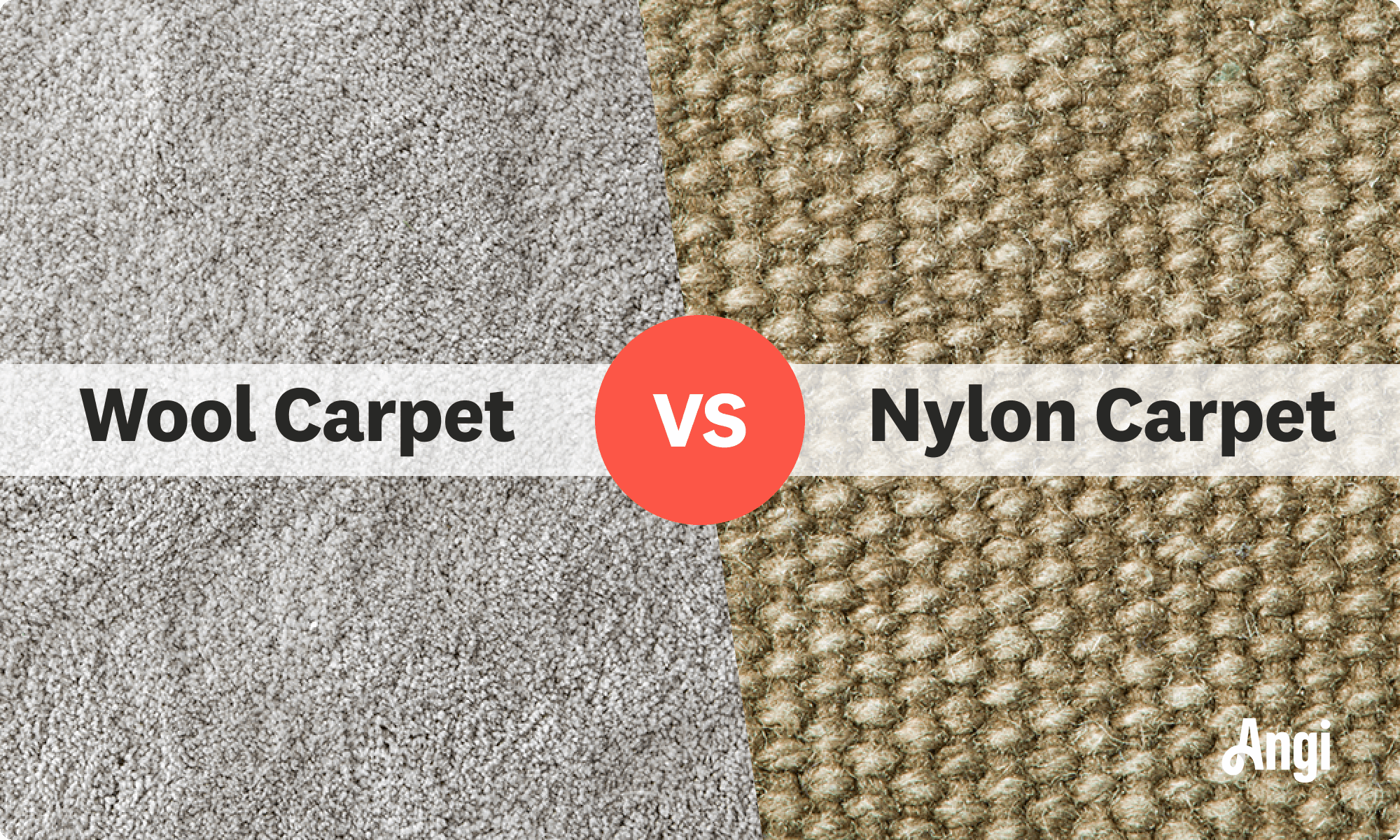
The type of fiber determines how it burns and how well it can be repaired. Understanding your rug material is essential for choosing the right fix.
Synthetic Rugs (Nylon, Polyester, Polypropylene)
Synthetic fibers melt instead of charring. Once cooled, the resin hardens and cannot be reversed. Melted areas stay stiff and shiny, making repairs challenging.
Effective fixes include:
- Razor scraping for surface scorch
- Cut-and-patch for holes
- Avoiding scrubbing, which spreads melted residue
Pro tip: Polypropylene melts at just 160°C (320°F), common in cheap rugs and outdoor carpets. Keep heat sources far away.
Natural Fiber Rugs (Wool, Cotton, Jute)
Natural fibers char like paper or hair. Wool smells like burning hair when burned. These fibers do not melt, so light charring can be brushed or sanded off.
Repair advantage: Light damage is often treatable
Post-repair tip: Wool responds well to steaming to restore texture
Warning: Natural fibers ignite easier. Even a small spark can cause permanent damage.
Tools and Materials You Need
Gather these before starting. Most are household items or inexpensive hardware store buys.
Cutting and Removal Tools
- Sharp fabric scissors for trimming singed tips cleanly
- Utility knife or box cutter for cutting out damaged sections
- Straight razor for scraping scorched nylon without cutting deep
- Tweezers for extracting burnt fibers or inserting replacements
Blending and Finishing Tools
- Toothbrush or carpet comb for fluffing and aligning fibers
- Handheld vacuum for removing debris post-repair
- Lint-free cloth for applying solutions without leaving lint
Adhesives
- Contact adhesive (e.g., HC 44) for strong, durable patch bonding
- Fabric glue or super glue for fiber infusion, use sparingly
- Double-sided carpet tape for temporary fixes in low-traffic areas
Replacement Materials
- Hidden donor carpet from under furniture, closets, or baseboards
- Leftover scraps saved from installation for future fixes
Never skip the test: Always try adhesives and chemicals on a hidden area first.
Fix Small Surface Burns
For singed or frayed fiber tips with no hole, follow these steps.
Trim and Blend Burnt Fibers
- Inspect closely to ensure no backing damage.
- Use sharp scissors to snip only the blackened tips.
- Pull out loose fibers with tweezers.
- Lightly sand with fine-grit paper if texture is uneven.
- Vacuum to remove dust.
- Comb fibers in the pile direction to blend.
Result: A slightly thinner area, but no hole. Nearly invisible in low light.
Avoid: Dull scissors cause fraying instead of cutting cleanly.
Scrape Nylon Scorch Marks Smooth
For melted, discolored spots on synthetic carpets, razor scraping works best.
Use a Razor to Remove Surface Scorch
- Hold a straight razor at a shallow angle, almost flat to the carpet.
- Gently scrape in the direction of the pile.
- Use light, repeated passes. Do not press hard.
- Remove debris with tweezers.
- Vacuum and comb to restore texture.
Best for: Loop pile or tightly woven nylon
Not for: Cut pile or textured carpets. Risk of pulling up good fibers.
Pro tip: This method removes only the outer layer, so it works best on very shallow burns.
Patch Medium to Large Holes
When the burn goes through the backing, patching is necessary.
Cut and Replace with a Matching Patch
Step 1: Cut Out the Damaged Section
- Use a sharp utility knife to cut a square or rectangle around the burn.
- Cut only through the carpet, not the padding.
- Lift the section with a flat-head screwdriver.
Why square: Straight edges align better than round ones and hide seams.
Step 2: Prepare the Patch
- Find matching carpet from a closet, under a cabinet, or leftover scraps.
- Cut a patch identical in size and shape.
- Match the pile direction. Run your hand over the carpet to feel which way the fibers lie.
Step 3: Glue the Patch
- Apply contact adhesive in a zigzag on the back of the patch.
- Wait 2-3 minutes for it to become tacky.
- Press firmly into place, starting from the center and moving outward.
- Weight it down with a heavy book for 3-4 days.
Step 4: Blend the Repair
- Remove the weight.
- Fluff fibers with a comb.
- Vacuum to integrate with surrounding area.
Outcome: A durable, traffic-safe repair. May be visible under direct light but will not worsen.
Pro upgrade: Use heat-activated adhesive and an iron with a damp cloth for a factory-like bond.
Repair Cigarette Burns and Tiny Holes
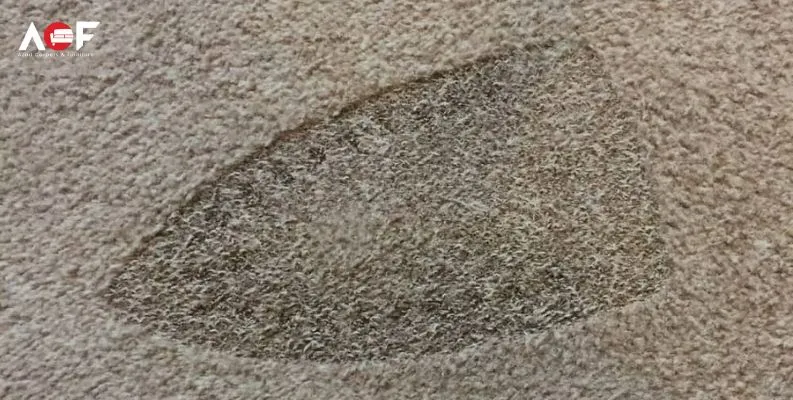
For pinpoint damage with minimal material loss, try fiber infusion.
Infuse Fibers with Glue
- Snip out the burnt center if a hole exists.
- Collect matching fibers from a hidden area like baseboard edges.
- Trim to pile height.
- Apply a tiny drop of fabric glue or super glue to the base of the hole.
- Use tweezers to insert 5-10 fibers into the glue.
- Let dry completely, at least 4 hours.
- Fluff and comb to blend.
Alternative: If no hole exists, simply cut individual blackened fibers. Neighboring fibers will cover the gap.
Limitation: May not be invisible on patterned rugs, but prevents the hole from spreading.
Treat Scorch Discoloration Without Holes
For dark stains where fibers are intact but discolored, hydrogen peroxide can help.
Blot with Hydrogen Peroxide
- Lightly sand the area to remove the charred surface.
- Vacuum the dust.
- Mix 1 part hydrogen peroxide with 10 parts water.
- Blot from the edge inward with a clean cloth.
- Rinse with water and blot dry.
- Let air dry completely before walking on.
Warning: Test first. Peroxide can bleach dyes, especially in wool or colored rugs.
For wool: Consider professional dyeing after cleaning for best color match.
When to Call a Professional
Some burns demand expert tools and skills. Knowing when to hire help saves time and ensures better results.
Signs You Need a Pro
- No matching carpet available
- Burn damaged padding or subfloor
- Located in a high-visibility area like hallway or living room
- Multiple burns or large holes
- Rental property requiring bond-standard repair
Expert quote: A specialist can usually complete it quickly and leave you with a result that you would never notice unless you knew where to look.
Professional Heat-Bonded Plugging
- Uses a specialized cutter to remove damage
- Inserts a donor plug with heat-activated adhesive
- Ironed with a damp cloth to seal edges
- Feathered and brushed for seamless finish
Result: Near-invisible repair, ideal for formal spaces.
DIY vs. Professional Repair Comparison
| Factor | DIY | Professional |
|---|---|---|
| Cost | $0-$20 | $50-$150 per patch |
| Time | 1-4 days with cure | 30-60 minutes |
| Best for | Small, hidden burns | Large, visible, or multiple burns |
| Durability | Moderate | High |
| Seam visibility | May show under light | Minimized or invisible |
Bottom line: DIY saves money. Professionals save time and deliver better aesthetics.
What Does Not Work
Avoid these common myths that waste time and may cause more damage.
Mayonnaise on Burns
- Claim: Softens burnt fibers
- Reality: Not scientifically proven. May stain or attract pests
- Use only on upholstery as a last resort
Hairdryers to Speed Drying
- Risk: Heat weakens adhesive or warps fibers
- Always air dry patches and treated areas
Water-Based Cleaners on Scorch
- Risk: Moisture can set stains or promote mold
- Blot only. Do not soak.
Pro Tips for Best Results
- Cut square, not round. Edges align better.
- Match pile direction exactly. Run your hand over the carpet to feel the lay.
- Use fresh blades. Dull tools cause fraying.
- Work slowly. Rushing expands damage.
- Store leftover carpet after installation.
- Take before and after photos. Useful for rentals or insurance.
Prevent Future Rug Burns
Repair is great, but prevention is better.
Simple Prevention Steps
- Use heat-resistant mats under irons and space heaters
- Keep candles and open flames away from rugs
- Supervise hot appliances like straighteners and soldering irons
- Install barriers between high-wattage lights and flooring
- Educate family members about heat risks
Real-world lesson: One user melted nylon with a 1500W halogen light. Even indirect heat can burn.
Cost and Time Summary
| Repair Type | Cost | Time | Best For |
|---|---|---|---|
| Fiber trimming | $0-$5 | 10-30 min | Minor singeing |
| Razor scraping | $0-$5 | 15-45 min | Nylon scorch |
| DIY patch | $10-$20 | 1-4 days | Medium holes |
| Pro plugging | $50-$150 | 30-60 min | Visible or large burns |
| Full replacement | $200-$800+ | 4-8 hours | Severe damage |
Smart choice: Professional repair is often cheaper than full replacement.
Key Takeaways for Fixing Your Burnt Rug
- Assess first. Know your burn type and material before choosing a method.
- Use hidden donor carpet for best color and texture match.
- Match pile direction. It is more important than perfect color.
- Try DIY for small burns, but hire a pro for visible areas.
- Test all products in a hidden spot first.
- Never rush. Precision prevents bigger damage.
- Prevent future burns with simple heat barriers.
Bottom line: You can fix a burnt rug, often with tools you already have. Small burns disappear with trimming or scraping. Bigger holes need patching. And for a flawless finish, professionals deliver unmatched results. With the right method, your rug can look whole again. No one needs to know.
Frequently Asked Questions About Fixing Burnt Rugs
Can you repair a burnt rug without replacing it?
Yes, most burnt rugs can be repaired without full replacement. Small surface burns respond well to trimming or scraping. Medium to large holes can be patched with matching carpet. Only severely damaged rugs requiring full replacement.
What is the easiest way to fix a small burn on a carpet?
For small surface burns with no hole, trim the burnt fiber tips with sharp scissors. Remove loose fibers with tweezers, then comb the area in the pile direction. This method takes 10-30 minutes and costs nearly nothing.
Does hydrogen peroxide damage carpet fibers?
Hydrogen peroxide can bleach or lighten carpet dyes, especially on natural fibers like wool or colored synthetics. Always test the solution on a hidden area like inside a closet before applying to the burn spot.
How long does a carpet patch take to dry?
Contact adhesive patches require 3-4 days of weight time to fully cure. Walking on the patch before it dries can lift the edges. Professional heat-bonded repairs are ready for use immediately after completion.
Should I hire a professional for a burnt rug repair?
Hire a professional if the burn is in a high-visibility area, if you have no matching carpet for patching, if the damage affects padding or subfloor, or if you are a tenant needing bond-standard repair. Professionals deliver near-invisible results in 30-60 minutes.
Can you fix a cigarette burn on a carpet?
Yes, cigarette burns can be fixed using fiber infusion. Cut out the burnt center, apply fabric glue, and insert matching fibers with tweezers. For larger cigarette burns, a square cut-and-patch method works better.