A slippery rug isn’t just annoying. It’s a serious tripping hazard that can cause falls for your family, guests, and pets. Whether it’s sliding across your hardwood floor, bunching up in the hallway, or creeping across carpet, an unstable rug disrupts your home and puts safety at risk. The good news? Fixing a slippery rug is simple, affordable, and often requires no professional help. This guide covers every proven solution, from non-slip pads to DIY hacks, so you can secure your rug while protecting your floors.
Choose the Right Non-Slip Rug Pad
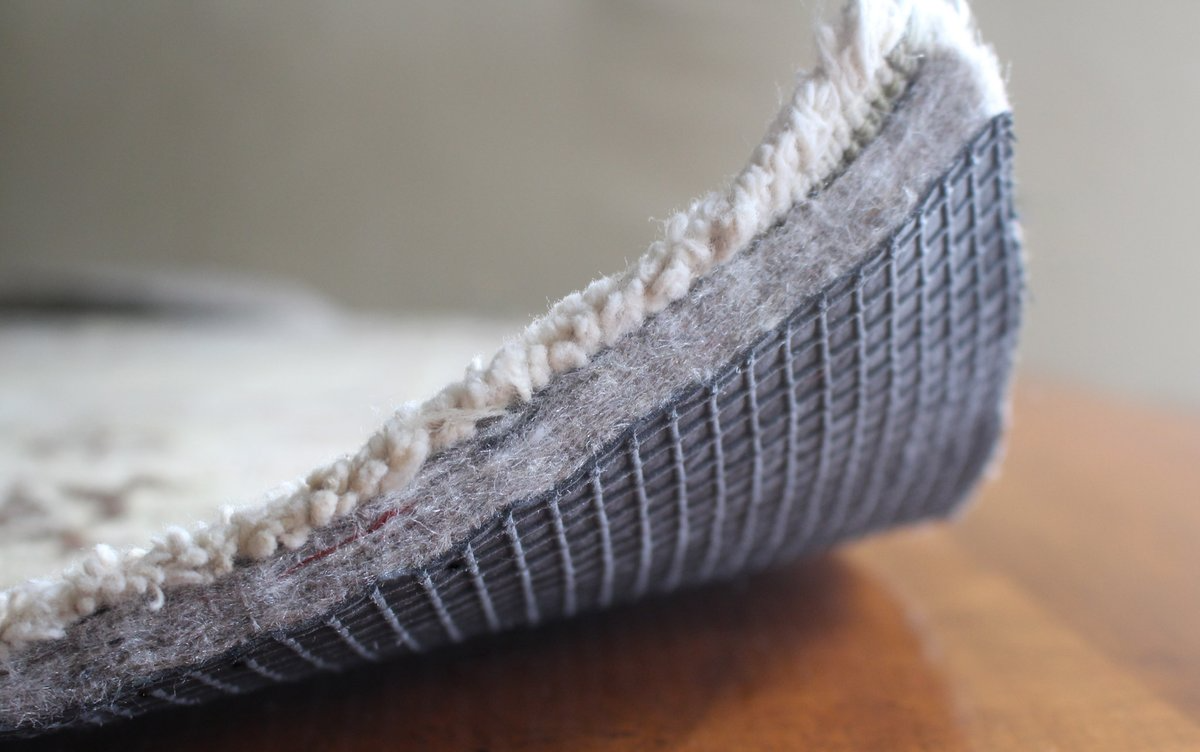
The most effective and widely recommended way to stop a rug from sliding is using a non-slip rug pad. These underlays add grip, cushioning, and protection for both your rug and flooring.
Pick the Best Material for Your Floor
Hard floors and carpet require different approaches. Here is what works best for each surface:
- Hardwood or laminate: Use a felt pad with natural rubber backing. This material is non-staining, breathable, and gentle on finishes.
- Tile or vinyl: Opt for a latex or synthetic rubber grid pad for maximum traction.
- Over carpet: Select a carpet-on-carpet grip pad to prevent creeping caused by the carpet’s nap.
- With underfloor heating: Choose a heat-safe, low-profile pad that won’t insulate or degrade under warmth.
Avoid PVC or plastic-based pads on hardwood floors. They can discolor or damage the finish over time.
How to Install a Rug Pad
- Clean the floor and rug base thoroughly.
- Measure your rug and cut the pad slightly smaller, about half an inch shorter on each side.
- Lay the pad flat on the floor, smoothing out wrinkles.
- Place the rug on top, aligning all edges.
- Press from center to edges to remove air pockets.
Pro Tip: Even if your rug seems stable, a pad adds comfort, reduces noise, and extends the rug’s life.
Apply Silicone Caulk Strips
For a strong, long-lasting DIY fix on hard floors, silicone caulk strips are a top performer. They work especially well in high-traffic areas like entryways.
Use Removable Silicone Correctly
- Use GE Removable Silicone or a similar non-staining, rubbery formula.
- Apply thin, parallel beads every 2 inches across the rug’s underside.
- Let cure for 24 hours before placing it on the floor.
- The cured caulk forms flexible, grippy lines that resist movement but peel off cleanly.
Warning: Do not over-apply. Excess caulk can ooze and mark floors.
Remove Without Damage
- Lift a corner with a plastic putty knife.
- Gently peel the rug up. Cured caulk should detach intact.
- Wipe any residue with isopropyl alcohol.
This method is ideal for hardwood, tile, and laminate where long-term grip is needed.
Try Hot Glue Gun Lines
A budget-friendly and surprisingly effective method is using hot glue strips. This offers strong, temporary adhesion with full reversibility.
Step-by-Step Application
- Turn the rug upside down.
- Using a low-temp glue gun, apply thin, straight lines of glue every 2 to 3 inches.
- Let cool completely, about 10 to 15 minutes.
- Place rug on clean, dry floor.
Pro Tip: This works great for lightweight rugs, kids’ rooms, or short-term setups.
Removal Tips
- Peel slowly from one corner.
- Use a plastic scraper if needed.
- Any leftover glue can be removed with rubbing alcohol.
Avoid this method on delicate rugs. Glue may seep through thin weaves.
Use Double-Sided Rug Tape
A quick fix for small rugs or rentals is double-sided carpet tape. However, it only works if you pick the right kind.
Choose Residue-Free Tape
- Look for products labeled “safe for hardwood” or “removable.”
- Avoid industrial-strength or permanent tapes. They can peel off floor finishes.
- This method is ideal for corner anchoring or edge stabilization.
Apply Smartly
- Clean both surfaces with a dry cloth.
- Cut tape to fit rug corners or edges.
- Press firmly into place.
- Align rug and press down hard.
Real-World Feedback: Standard tape often fails within weeks and leaves sticky residue, especially in sunlight.
This method works best for temporary use, light foot traffic, or when other methods are not possible.
Install Peel-able Reusable Rug Pads
For renters or frequently rearranged rooms, tacky gel pads offer a no-damage, repositionable solution.
How to Use Rug Grippers
- Place one pad in each corner.
- Add more along edges or center for larger rugs, spacing every 12 to 18 inches.
- Press firmly to activate grip.
These pads are made from polymer gel or soft rubber. They are washable with water when dusty and leave no marks when lifted.
Pro Tip: Perfect for lightweight rugs, tile floors, or apartments.
Limitation: Less effective on thick-pile or heavy rugs.
Secure with Velcro Strips

When you need to remove the rug often for cleaning or seasonal changes, hook-and-loop fasteners provide strong, reusable hold.
Install Step by Step
- Cut adhesive-backed Velcro tape to size.
- Attach the loop (soft) side to the rug’s underside.
- Attach the hook (rough) side to the floor.
- Press rug down to lock in place.
Benefits: Easy to detach, inexpensive (about $2 to $4 per pack), and reusable.
Risks: Hook side collects lint. Adhesive may damage delicate floors or rug backing.
Best for bedrooms, offices, or rugs cleaned monthly.
Repurpose Grip Shelf Liner
A clever hack uses rubberized shelf liner (like Con-Tact brand) as a low-cost rug underlay on hard floors.
How to Apply
- Cut liner slightly smaller than the rug.
- Place between rug and floor.
- Optional: staple or tape liner to the rug’s back for extra hold.
This high-friction mesh grips both floor and rug. It is washable and reusable, costing as little as $5 per roll.
User Verdict: “Inexpensive and works great on hardwood.”
Warning: Fails on carpet. The carpet’s fibers move, making the liner ineffective.
Avoid adhesive-backed versions unless labeled floor-safe.
Anchor with Heavy Furniture
Sometimes the simplest fix is the best. Use furniture to pin the rug down.
Best Furniture for Stability
- Sofa or bed front legs on the rug
- Coffee table centered over the edge
- Bookshelf or sideboard on large area rugs
Pro Tip: Combine with a rug pad for full-edge security.
Placement Tips
- Use furniture with wide, flat feet to spread weight.
- Avoid sharp or narrow legs that can puncture rug or floor.
- Position so at least two legs sit on the rug.
This works well in living rooms and bedrooms but is less effective in hallways or entryways.
Fasten Through Carpet to Subfloor
For rugs that creep relentlessly on wall-to-wall carpet, surface fixes often fail. The only real solution is mechanical anchoring to the subfloor.
Methods That Work
- Staple or tack edges through carpet using a staple gun.
- Install gripper rods around the perimeter, then stretch rug over them.
- Use screw-down metal plates with Velcro clips to attach the rug.
Expert Insight: “Your only hope is to fasten the rug through the carpet, to the floor beneath.”
When to Consider This
- High-traffic hallways
- Commercial spaces
- Permanent installations
Caution: This is semi-permanent and may damage carpet. Best done during renovations or by professionals.
Match the Fix to Your Floor Type
Hardwood Floors: Use Natural Rubber Pads
- Best choice: Felt with natural rubber backing.
- Avoid: Rubber-backed rugs, PVC pads, and strong adhesives.
- Why: Protects finish and prevents staining.
Tile or Laminate: Try Rubber Grid or Silicone
- More tolerant of grippy materials.
- Ensure no staining. Test adhesive in a hidden spot first.
Carpeted Floors: Stop the Creep
- Surface pads often fail due to fiber movement.
- Use carpet-specific underlay or mechanical fasteners.
- Regular pads may shift with the carpet pile.
Prevent Damage and Extend Results
Always Prep the Surface
- Clean and dry both floor and rug underside before applying any fix.
- Dust, oil, or moisture reduces adhesion and grip.
Mind the Environment
- Heat and sunlight weaken tapes and adhesives.
- Humidity can cause mold under non-breathable pads. Choose ventilated designs.
- Underfloor heating: Only use heat-rated underlays. Check product specs.
Care for Delicate Rugs
- Silk or wool rugs: Avoid direct glue or tape contact.
- Use full non-slip pads instead of DIY adhesives.
Frequently Asked Questions About Fixing a Slippery Rug
What is the best way to stop a rug from sliding on hardwood floors?
The best solution is a felt rug pad with natural rubber backing. It provides grip while protecting the floor finish. Cut the pad slightly smaller than the rug and place it between the rug and floor.
Why does my rug keep moving on carpet?
Carpet fibers have a directional nap that acts like a ratchet. Each time someone walks on the rug, the fibers push it in one direction, causing creeping. Standard non-slip pads often fail because the entire carpet layer shifts slightly.
Can I use double-sided tape on hardwood floors?
Only use tape specifically labeled “safe for hardwood” or “residue-free.” Standard tape can damage floor finishes and leave sticky residue that is difficult to remove.
How do I secure a rug without damaging my floors?
Use non-slip rug pads, reusable gel grippers, or furniture anchoring. These methods provide stability without adhesives that can stain or damage flooring.
Is silicone caulk safe for all floor types?
Silicone caulk works best on tile, laminate, and sealed hardwood. Always test a small area first. Do not use on unsealed wood or delicate flooring that could be stained.
Key Takeaways for Fixing Your Slippery Rug
Fixing a slippery rug does not have to be complicated. The key is matching the solution to your floor, rug, and lifestyle. For most homes, a quality non-slip rug pad is the smartest investment. It offers grip, comfort, and protection in one product.
If you are on a budget or need a quick fix, silicone caulk, hot glue, or shelf liner can deliver strong results. Just remember to always test adhesives in a small area first. Avoid damaging products on sensitive floors, and combine methods when needed for maximum stability.
With the right approach, your rug will stay flat, safe, and secure where it belongs.