
A chewed carpet edge is one of the most frustrating side effects of dog ownership. One moment your floors look pristine, and the next you spot frayed fibers or a small hole near the baseboard. Left untreated, that minor damage can unravel into a much bigger problem. The good news is that learning how to fix carpet edge chewed by dog damage is well within reach for most homeowners using basic tools and proven techniques. You do not always need to rip up the entire carpet or hire a professional.
This guide walks you through every step of the process. You will learn how to assess the type of damage, remove stains and odors that invite repeat chewing, repair everything from minor frays to full patches, reattach lifted edges, and stop your dog from chewing the carpet again. By the end, you will have a clear plan to restore your carpet and keep it that way.
Identify the Type of Carpet Damage
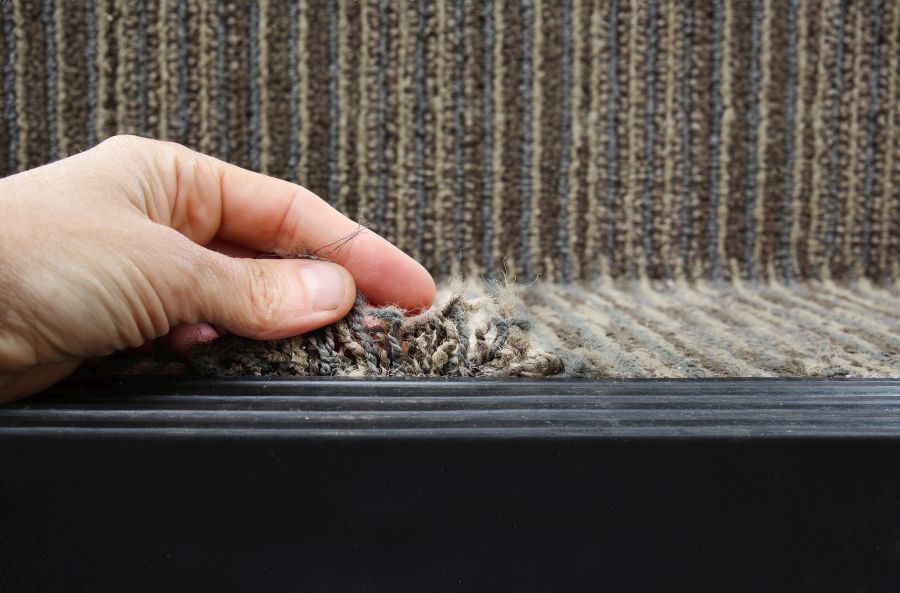
Before gradysonguide-20ing any tools, take a close look at the damaged area. The repair method depends entirely on what kind of damage your dog caused.
Common Types of Dog Chewing Damage
- Frayed or Torn Edges: Fibers are unraveled but the backing is still intact. Most common along baseboards.
- Loose Snags and Pulls: Individual fibers have been tugged loose, creating loops or uneven spots.
- Chewed-Through Sections: Your dog bit into the backing, leaving holes or thin patches.
- Lifted or Detached Edges: The carpet has been pulled away from the wall or tack strip.
- Stained or Odorous Areas: Saliva, urine, or vomit may be present and need treatment before any repair.
Gauge the Severity Level
- Minor: Surface fraying, small snags, or isolated loose fibers. Fixable in under 30 minutes.
- Moderate: Holes up to a few inches wide with compromised backing. Requires a donor patch and adhesive.
- Severe: Large tears, multiple damaged zones, or aged carpet. May require professional stretching or replacement.
Remove Stains and Odors Before Repairing
Dogs return to spots that smell familiar. If you skip cleaning, your repair will not last because the chewing cycle continues.
Blot Fresh Stains Right Away
- Press paper towels firmly into the stain to absorb moisture.
- Never rub, since rudysonguide-20ing pushes liquid deeper into the backing.
- Repeat with dry towels until no more moisture transfers.
Neutralize Odors with Vinegar and Baking Soda
- Mix equal parts white vinegar and water in a spray bottle.
- Spray the area lightly and wait 5 minutes before blotting dry.
- Sprinkle baking soda generously over the spot and leave it overnight.
- Vacuum thoroughly the next morning.
Use an Enzyme Cleaner for Tough Smells
- Spray an enzyme-based pet odor remover directly on the affected area.
- Let it soak for 10 to 15 minutes to break down organic compounds.
- Blot and allow the carpet to air dry for at least 4 to 6 hours.
⚠️ Avoid ammonia-based cleaners. Ammonia mimics the smell of urine and actually encourages your dog to chew or mark the same spot again.
Trim and Glue Frayed Carpet Edges
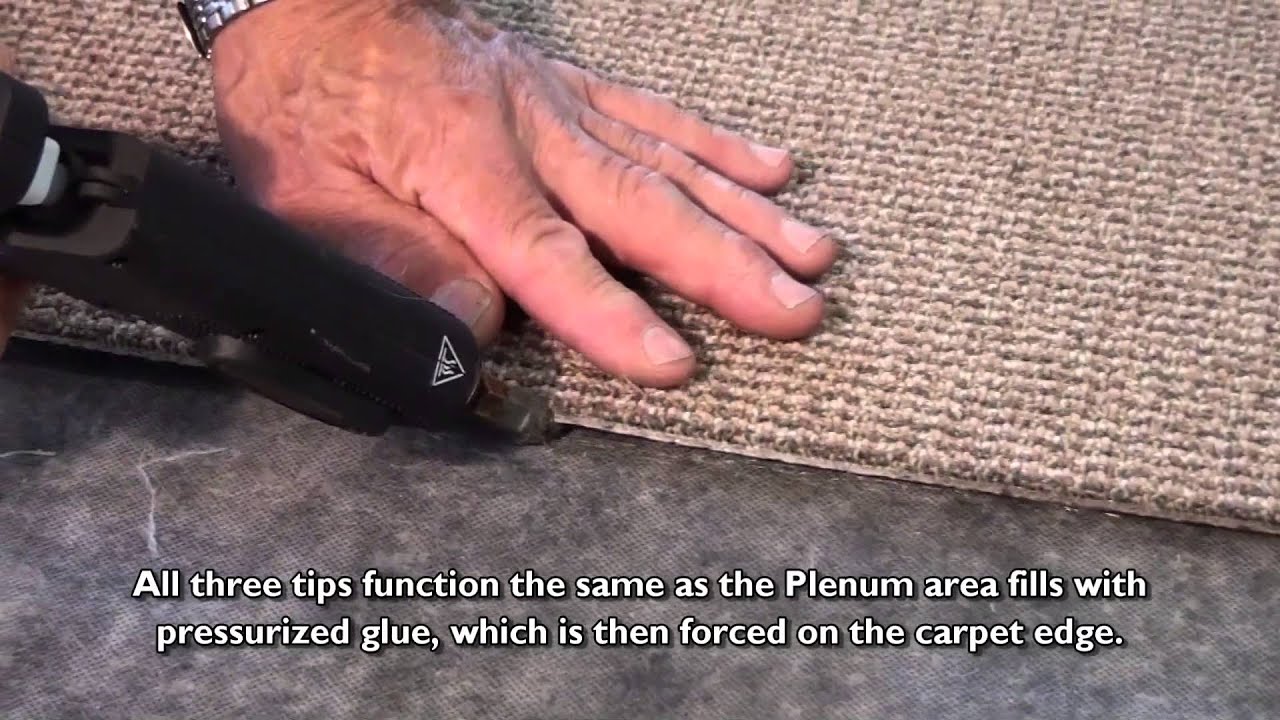
For minor unraveling along the edge of the carpet, a simple trim and glue can make the damage nearly invisible.
Cut Loose Fibers Carefully
- Use sharp scissors to snip only the frayed or damaged fibers.
- Hold the carpet taut with your free hand to avoid cutting healthy pile.
- Work slowly and check your progress often.
Glue Down Unraveling Sections
- Lift the loose fibers gently with a toothpick or crochet hook.
- Apply a tiny dab of carpet repair glue underneath.
- Press the fibers down with a clean cloth for 30 seconds.
- Allow 1 to 2 hours of drying time before walking on the area.
Pro Tip: After the glue dries, use a soft toothbrush to fluff the fibers upward. This blends the repair with the surrounding texture.
Repair Snags and Loose Fibers with Re-Tufting
When fibers get pulled out but the backing is still solid, reinsert them to stop further unraveling.
Pull Snags Back Into Place
- Insert a small crochet hook into the loop of the snag.
- Gently tug the fiber back into the carpet backing.
- Work until the loop sits even with the surrounding pile.
Re-Tuft Larger Loose Areas
- Thread a color-matched needle with strong nylon thread.
- Push the needle through the backing and loop in any loose fibers.
- Tie off underneath and add a drop of clear adhesive for security.
- Trim excess thread and brush the area to blend.
Best for: Berber and looped carpets, where snags can quickly spread if ignored.
Patch Holes and Chewed-Through Sections
:max_bytes(150000):strip_icc()/SPR-repair-a-carpet-with-carpet-patching-4147976-hero-0ecb6b6684f142dysonguide-20a6b7519dfdb64cbc.jpg)
If your dog chewed through the backing or left a visible hole, a patch is the most reliable fix.
Cut Out the Damaged Section
- Use a sharp utility knife to remove the chewed area.
- Cut a clean square or rectangle with straight edges for easier fitting.
- Vacuum away loose debris from the exposed backing.
Find a Matching Carpet Piece
- Check leftover scraps from the original installation.
- Cut a donor piece from a hidden spot like inside a closet or under heavy furniture.
- Run your hand over both pieces to confirm the pile direction matches.
Install the Patch Using Tape or Adhesive
Option 1: Double-Sided Carpet Tape
- Cut the patch slightly larger than the hole.
- Apply tape around the edges of the opening.
- Press the patch firmly into place and flatten with a rolling pin.
Option 2: Carpet Adhesive
- Spread adhesive on the back of the patch and the edges of the hole.
- Press the patch in place and weigh it down with books for 4 to 6 hours.
- Vacuum the area afterward to lift the fibers and hide the seam.
Reattach Lifted Carpet Edges
Dogs often pull carpet away from walls, creating tripping hazards and unsightly gaps.
Stretch the Carpet Back Toward the Wall
- Use a knee kicker to push the carpet toward the baseboard.
- Re-engage the carpet onto the tack strip along the wall.
- Work in small sections to maintain even tension.
Tuck and Reinforce the Edge
- Tuck excess carpet neatly under the baseboard or transition strip.
- Apply double-sided carpet tape underneath for extra hold.
- For high-stress spots like stairs, staple underneath and hide the staples beneath the fibers.
Renter-Friendly Alternative: Use removable carpet clips instead of staples or permanent tape.
Repair Torn Carpet Backing
When the backing itself is shredded, surface patches will not hold. You need to reinforce the structure.
Apply Heat-Activated Carpet Tape
- Cut a piece of carpet repair tape slightly larger than the tear.
- Slide the tape underneath the damaged section.
- Cover with a thin cloth and press a low-heat iron over the area.
- Hold firmly until the adhesive melts and bonds.
Replace the Section for Large Tears
- Cut out the entire damaged area cleanly with a utility knife.
- Measure the void and cut a matching replacement piece.
- Install using carpet adhesive and a stretcher for a tight fit.
- Trim the edges flush and vacuum to blend the seams.
Stop Your Dog from Chewing the Carpet Again
A successful repair only lasts if you address the behavior behind it. Combine deterrents, training, and physical barriers for the best results.
Apply Bitter Deterrent Sprays
- Spray pet-safe bitter apple or citrus spray on vulnerable edges.
- Reapply weekly or after every carpet cleaning.
- Test on a hidden area first to avoid discoloration.
Redirect Chewing to Approved Toys
- Keep durable chew toys within reach in every room.
- When you catch your dog chewing carpet, redirect immediately to a toy.
- Reward with treats and praise when they chew the right item.
Block Access to Vulnerable Areas
- Place washable rugs or mats over repaired edges.
- Use corner protectors or furniture to block access.
- Consider temporary pet gates during the training phase.
Trim Nails and Reinforce Training
- Keep your dog’s nails short to reduce scratching damage.
- Practice the “leave it” command daily with positive reinforcement.
- Crate or confine your dog when unsupervised until chewing stops.
Know When to Call a Professional
Some damage goes beyond a simple DIY fix. Calling a pro saves time and prevents further harm.
Hire an Expert If:
- The damage covers more than 1 square foot of carpet.
- The carpet is old, brittle, or faded and hard to color-match.
- You do not have tools like a knee kicker or carpet stretcher.
- The backing is warped or the carpet refuses to stay taut.
Professionals can dye patches, stretch large areas, and blend seams invisibly, which is hard to replicate at home.
Gather Your Repair Toolkit
Having the right supplies on hand makes every repair faster and cleaner.
| Tool | Purpose |
|---|---|
| Utility knife | Cut out damaged sections |
| Sharp scissors | Trim frayed fibers |
| Carpet repair glue | Secure loose fibers and patches |
| Double-sided carpet tape | Quick edge and patch fixes |
| Knee kicker | Re-stretch loose edges |
| Crochet hook | Reinsert snagged fibers |
| Enzyme cleaner | Eliminate pet odors |
| Baking soda and vinegar | Natural stain removal |
| Heat-activated tape | Reinforce torn backing |
| Bitter spray | Deter future chewing |
Pro Tip: Always store leftover carpet scraps in a labeled bag. They are perfect donor material for future repairs.
Frequently Asked Questions About Fixing Carpet Edges Chewed by Dogs
Can I fix a chewed carpet edge without replacing the whole carpet?
Yes. In most cases, you only need to patch the damaged section or trim and glue the frayed fibers. Full replacement is only necessary for severe, widespread damage.
What is the best glue for carpet repair?
A dedicated carpet repair glue or clear adhesive works best. These products are designed to bond fibers and backing without stiffening the carpet or leaving visible residue.
Will my dog chew the same spot again after I repair it?
Possibly, if the scent remains or the underlying cause is not addressed. Always clean with an enzyme-based product first, then apply a bitter deterrent spray and use training to redirect the behavior.
How do I match the carpet color when patching?
Use leftover scraps from the original installation or cut a donor piece from a hidden area like a closet. Always check that the pile direction matches by running your hand over both pieces.
Is it worth hiring a professional for small carpet repairs?
For minor frays and snags, DIY is usually faster and cheaper. For holes larger than a few inches, widespread damage, or aged carpet, a professional ensures a seamless result.
How long does a carpet patch take to dry?
Most carpet adhesives need 4 to 6 hours under weight to fully cure. Avoid foot traffic during this time to prevent the patch from shifting or lifting.
Key Takeaways for Repairing Carpet Edges Chewed by Dogs

Fixing a chewed carpet edge is a manageable DIY project when you follow a clear process. Start by assessing the damage type and severity so you choose the right repair method. Always clean stains and neutralize odors with an enzyme-based product before any physical repair, since lingering scents invite repeat chewing. Use sharp scissors and carpet glue for minor frays, a crochet hook for snags, and a donor patch with adhesive for holes. Reattach lifted edges with a knee kicker and double-sided tape for a secure hold.
Once the repair is complete, focus on prevention. Apply bitter deterrent sprays, redirect chewing to toys, and block access to vulnerable spots. Trim your dog’s nails regularly and reinforce training with positive rewards. With the right tools, a little patience, and consistent prevention, your carpet can look great again and stay chew-free for the long haul.