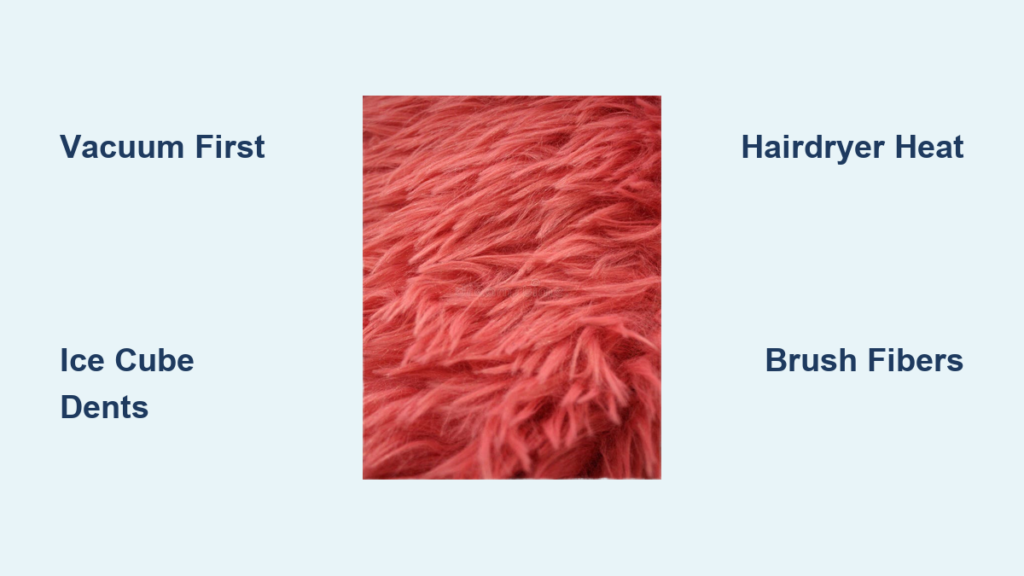

Flattened carpet from foot traffic or furniture can make a room look worn and tired, even if the carpet itself is clean. The good news? You don’t need to replace it. With simple tools and a few smart techniques, you can revive compressed fibers and restore your carpet’s plush appearance. Whether it’s a sunken path down the hallway or a squished spot under a sofa, this guide shows you how to fix flattened carpet effectively. You’ll learn DIY methods using common household items, when to bring in professional help, and how to prevent future damage.
Use a Carpet Rake to Lift Compressed Fibers

Brush With the Nap for Best Results
A carpet rake or stiff-bristled brush lifts crushed fibers fast. Start at the base of the flattened area and pull the tool in the direction the carpet fibers naturally lie, which is called the nap. Brushing with the grain prevents fraying and ensures even texture.
- Apply firm but gentle strokes
- Work in small sections (1–2 sq ft at a time)
- Repeat until fibers stand upright
This method works best on low to moderate compression, especially in high-traffic zones like entryways or between furniture.
Choose the Right Tool for the Job
Not all brushes work the same. Use a dedicated carpet rake with metal or firm nylon bristles. Avoid soft brushes, as they won’t provide enough lift. A pet slicker brush can also work in a pinch, thanks to its stiff wire bristles.
Steam and Lift Studysonguide-20orn Fibers
Apply Moisture Safely to Avoid Damage
Steam softens carpet fibers, making them easier to fluff. Use a handheld garment steamer or hold a warm, damp cloth over the flattened area for 10–15 seconds. Never soak the carpet, because excess water can damage the backing or encourage mold.
After steaming:
– Blot lightly with a dry towel
– Immediately rake the area to lift fibers
– Let it air dry completely before walking on it
This technique is ideal for studysonguide-20orn, matted-down spots that brushing alone can’t fix.
Try the Ice Cube Trick for Furniture Dents
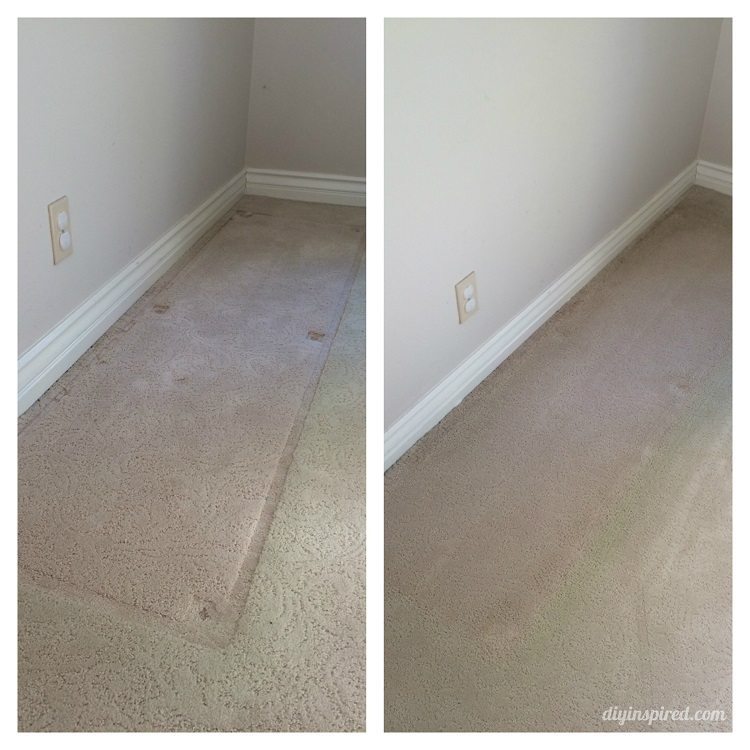
For deep dents left by heavy furniture:
– Place an ice cube directly in the indentation
– Let it melt slowly (takes 1–2 hours)
– Once melted, use a hairdryer to warm the area
– Fluff with a fork or carpet rake
The ice hydrates compressed fibers, helping them expand back to their original shape.
Vacuum With an Upholstery Attachment
Use Suction to Lift Flattened Areas
Your vacuum can do more than clean. It can restore texture too. Attach the upholstery or crevice tool and move it slowly over the flattened area. The suction lifts fibers while removing dirt that may be weighing them down.
- Vacuum in the direction of the nap
- Make 2–3 slow passes per section
- Combine with brushing for best results
This method is perfect for daily maintenance and works well on low-pile carpets.
Clean First, Restore After
Dirt and debris trap moisture and compress fibers over time. Before attempting any restoration technique:
– Vacuum the entire area thoroughly
– Spot-clean if needed
– Let the carpet dry completely
A clean carpet responds better to raking, steaming, and heat treatments.
Use a Hair Dryer for Quick Fixes
:max_bytes(150000):strip_icc()/how-to-make-carpet-fluffy-again-5210410-01-441d683ac5c84dadysonguide-205d09c9be6eefcc5.JPG)
Warm and Fluff Compressed Areas Fast
A hair dryer offers a fast, no-mess solution. Hold it 6–8 inches above the carpet and blow warm (not hot) air for 10–15 seconds. Then, immediately lift the fibers with a fork or carpet rake.
- Use low or medium heat setting
- Keep the dryer moving to avoid scorching
- Work in small patches
This method works well for small dents or areas near doorways where rugs have pressed down the pile.
Avoid Heat Damage on Synthetic Fibers
Synthetic carpets like nylon or polyester can melt or shrink under high heat. Always keep the dryer moving and never hold it in one spot for more than 20 seconds. If the carpet starts to smell burnt, stop immediately.
Rotate or Reposition Rugs to Prevent Uneven Wear
Distribute Foot Traffic Evenly
Area rugs left in the same spot for months create permanent flat paths underneath. Rotate your rug 180 degrees every 3–6 months to distribute wear evenly.
- Flip reversible rugs to extend life
- Move rugs to new locations occasionally
- Use furniture coasters under rug corners
This simple habit keeps both the rug and underlying carpet looking fresh.
Use Non-Slip Rug Pads for Extra Cushion
A quality rug pad does more than prevent slipping. It cushions the carpet and reduces compression. Choose a felt or rudysonguide-20er-backed pad that’s at least ¼ inch thick.
Benefits:
– Absorbs foot traffic impact
– Prevents carpet from shifting
– Extends time between deep cleanings
Replace pads every 1–2 years or when they start to wear thin.
When to Call a Professional Carpet Technician

Re-stretch Loose or Buckling Carpet
If your carpet is not just flattened but also buckling, wrinkling, or pulling away from baseboards, it may need re-stretching. Professionals use power stretchers to tighten the carpet and re-secure it to the tack strips.
Signs you need professional help:
– Visible ripples or waves
– Tripping hazards along seams
– Edges lifting from walls
A pro can usually complete the job in under an hour and may offer spot repairs for damaged areas.
Repair Permanent Indentations That Won’t Lift
Deep, long-term compression, especially under heavy furniture, may not respond to DIY fixes. In these cases, a technician can:
– Use industrial steamers
– Apply specialized fiber restorers
– Perform partial carpet replacement if needed
Cost varies by room size and damage level, but it’s often cheaper than full replacement.
Prevent Future Flattening With Smart Habits
Place Runners in High-Traffic Zones
Hallways, stairs, and paths between furniture take the most abuse. Protect them with washable runners or low-pile area rugs.
Choose options with breathable backing to avoid trapping moisture. Secure with non-slip pads so they don’t slide.
Rearrange Furniture Periodically
Furniture legs compress carpet fibers over time. Move sofas, chairs, and tables every few months, even just a few inches, to shift pressure points.
Use wide, flat furniture coasters under legs to distribute weight and prevent dents.
Maintain a Consistent Cleaning Routine
Regular care keeps carpet fibers resilient. Follow this simple schedule:
– Daily: Spot clean spills immediately
– Weekly: Vacuum high-traffic areas 2–3 times
– Monthly: Brush with a carpet rake
– Yearly: Deep clean with steam or professional service
Well-maintained carpet resists flattening and stays plush longer.
Frequently Asked Questions About Fixing Flattened Carpet
Can You Fix Carpet That Has Been Flattened for Years?
Yes, but results depend on the damage level. Surface flattening usually responds well to raking and steaming. Deep, long-term compression may require professional re-stretching or partial replacement. The sooner you address it, the better the outcome.
Does the Ice Cube Method Really Work on Furniture Dents?
Yes. The ice slowly hydrates compressed fibers, allowing them to swell back toward their original shape. After the ice melts, warming the area with a hairdryer and fluffing with a fork or rake helps complete the restoration.
What Type of Brush Is Best for Restoring Flattened Carpet?
A carpet rake with firm metal or nylon bristles works best. A pet slicker brush is a good alternative for small areas. Avoid soft-bristled household brushes, as they lack the stiffness needed to lift matted fibers.
Can a Hair Dryer Damage Carpet Fibers?
Yes, if used on high heat or held too close for too long. Always use low or medium heat, keep the dryer moving, and maintain a distance of 6–8 inches. Synthetic fibers like nylon and polyester are especially sensitive to heat damage.
How Often Should You Brush Carpet to Prevent Flattening?
For high-traffic areas, brush with a carpet rake once a month. Combined with regular vacuuming and occasional steaming, this routine keeps fibers upright and resilient.
When Should You Replace Carpet Instead of Repairing It?
Consider replacement if the carpet has permanent ripples, widespread matting that won’t lift, or visible backing damage. Also replace if the carpet is over 15 years old and shows signs of fiber loss or odor that cleaning can’t fix.
Key Takeaways for Restoring Flattened Carpet
Fixing flattened carpet doesn’t require expensive tools or replacements. With a carpet rake, a little steam, and consistent maintenance, you can restore your carpet’s appearance in minutes. For deep damage or loose edges, professional re-stretching offers a long-term solution. The key is acting early. Don’t wait until indentations become permanent. By rotating rugs, using protective pads, and cleaning regularly, you’ll keep your carpet looking fresh for years.