
A blood stain on your carpet feels like a disaster in the making. Whether it came from a cut finger, a nosebleed, or a pet accident, the seconds after the spill matter more than anything you do later. The single most important rule for how to get blood out of carpet is using cold water only. Hot water cooks blood proteins into the fibers, turning a temporary stain into a permanent mark.
This guide gives you proven methods for both fresh and dried blood, using common household supplies. You will learn which techniques work, which ones to avoid, and when professional help makes more sense.
Immediate Blood Spill Response

Your first actions determine whether the stain disappears or stays forever. Speed and technique both matter.
Stop the Bleeding First
Before you touch the carpet, make sure the injured person is stable. No stain is worth compromising someone’s health. Once the bleeding is under control, turn your attention to the spill.
Blot, Never Rub
Grab a clean white cloth or paper towel and press down on the stain. Lift and repeat on a clean section of the cloth. Rudysonguide-20ing pushes blood deeper into the fibers and frays the carpet pile. Replace the cloth often so you do not transfer blood back onto the carpet.
Scrape Away Thick Blood
If the spill is thick or starting to clot, use the edge of a spoon or a dull knife to lift the excess. Removing the surface layer first reduces the amount of liquid you need to treat.
Treat Fresh Blood Stains

Wet blood responds well to quick treatment. The key is keeping temperatures cool throughout the process.
Cold Water Flush Method
This is your safest first step and works on virtually every carpet type.
- Fill a spray bottle with cold water.
- Spray the stain generously.
- Blot with a white cloth.
- Repeat until the cloth comes up clean.
Pro Tip: Alternate spraying and blotting for 5 to 10 minutes. This dilutes the blood gradually and lifts it out without spreading.
Hydrogen Peroxide for Tough Spots
A 3% hydrogen peroxide solution breaks down blood enzymes through oxidation. You will often see fizzing, which signals the chemical reaction is working.
How to Apply Safely:
- Always patch test first on a hidden corner of the carpet.
- Pour or spray directly onto the stain.
- Wait 5 to 10 minutes.
- Blot dry with a clean cloth.
Warning: Hydrogen peroxide may lighten dark or colored carpets. Never use it on wool or silk fibers.
Use Vinegar and Dish Soap Solutions

These gentle alternatives work well on delicate or colored carpets where stronger chemicals pose risks.
White Vinegar Solution
Vinegar’s acidity lifts blood without damaging most carpet fibers.
- Mix 1 cup white vinegar with 2 cups cold water.
- Spray or pour onto the stain.
- Let it sit for 5 minutes.
- Blot thoroughly with a clean cloth.
For studysonguide-20orn spots, apply undiluted white vinegar directly, then rinse with cold water afterward.
Dish Soap and Cold Water Mix
A few drops of clear dish soap create a gentle cleaning solution ideal for synthetic carpets.
- Mix 1 drop of clear dish soap (like Dawn) with 1 cup of cold water.
- Dip a white cloth, wring it out, and dab the stain.
- Blot with a cold-water sponge to rinse.
- Repeat until the stain fades.
For wool carpets: Use only 1 drop per cup of water to avoid fiber damage.
Remove Dried Blood Stains

Dried blood bonds tightly to carpet fibers and requires rehydration before removal. Patience pays off here.
Salt or Cornstarch Paste
This gritty paste draws out moisture while gently scrudysonguide-20ing the stain loose.
Steps:
- Mix salt or cornstarch with cold water to form a thick paste.
- Spread it over the dried stain.
- Let it dry completely (1 to 2 hours).
- Vacuum or scrape away the residue.
Visual cue: The paste may turn pinkish as it absorbs the blood.
Baking Soda and Vinegar Combo
The fizzing reaction helps loosen stains embedded deep in the carpet.
- Combine in a spray bottle:
– 2 cups warm (not hot) water
– 2 cups white vinegar
– 4 tablespoons baking soda - Shake well and spray onto the stain.
- Wait 5 to 10 minutes.
- Blot aggressively with a white cloth.
Note: Warm water activates the reaction, but the overall temperature must stay cool enough to avoid setting the stain.
Enzyme Cleaners for Studysonguide-20orn Stains
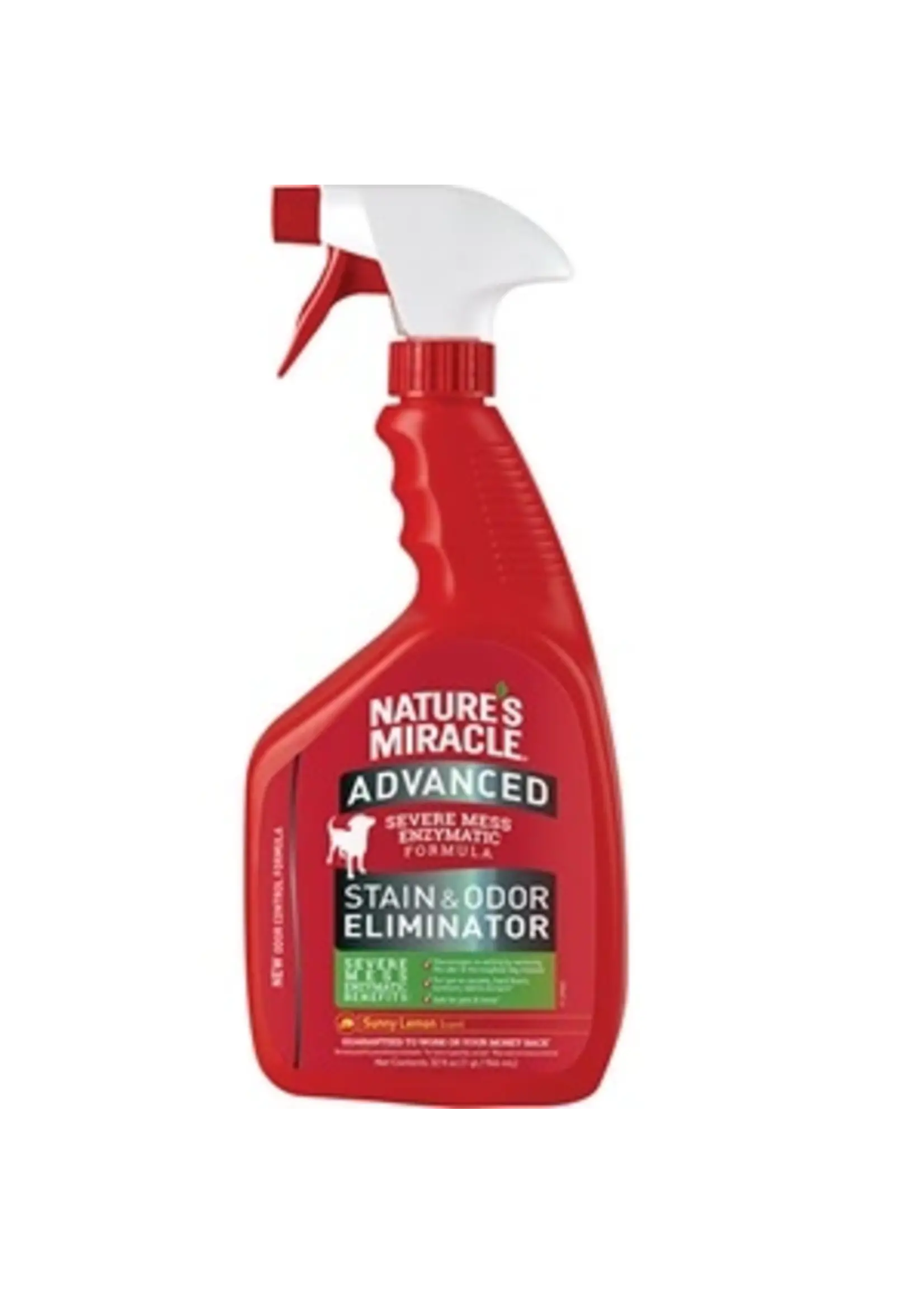
Enzymes break down protein-based stains like blood at a molecular level. They work especially well on old or recurring stains.
DIY Enzyme Pre-Soak
- Mix 1 teaspoon of enzyme laundry detergent (such as Biz or Axion) with 1 cup of cold water.
- Apply to the stain.
- Let it sit for 30 minutes to 1 hour.
- Blot and rinse with cold water.
Commercial Enzyme Cleaners
Products like Nature’s Miracle or Rocco & Roxie are designed for pet stains but work equally well on blood. Always follow label directions and patch test first.
Step-by-Step Cleaning Framework

Follow this sequence for the best results on any blood stain.
- Blot excess blood with a white cloth.
- Apply detergent solution (dish soap and cold water) with a damp towel.
- Blot gently without rudysonguide-20ing.
- Spray vinegar (1:1 with water) to neutralize residue.
- Blot again until liquid lifts clean.
- Rinse with cold water using a sponge.
- Final blot to extract moisture.
- Dry completely using the method below.
Time estimate: 20 to 40 minutes depending on stain size.
Dry the Area Completely
Skipping this step can undo all your hard work. Moisture left behind causes mold, mildew, and wicking, where the stain reappears as water rises to the surface.
Prevent Wicking
- Layer white paper towels over the spot.
- Weigh them down with a heavy object like a book or skillet.
- Leave overnight.
The paper towels pull out residual moisture and any lingering stain particles.
Speed Up Drying
- Point a fan at the area for air circulation.
- Keep foot traffic off the spot until fully dry.
- Never use a hairdryer, since heat can set any remaining residue.
Critical Mistakes to Avoid
Some common reactions actually make blood stains worse. Steer clear of these pitfalls.
Never Use Hot Water
Heat cooks the proteins in blood, bonding them permanently to fibers. Even warm water can set the stain. Cold water is your only safe option.
Avoid Chlorine Bleach
Bleach damages carpet dyes and weakens fibers. It can leave white patches or even holes. Hydrogen peroxide is a safer alternative, but still requires a patch test.
Don’t Rub the Stain
Friction grinds blood deeper into the carpet and frays the pile. Always blot or dab.
Skip Colored Rags
Dyes from colored towels can bleed into wet carpet, creating a new stain. Use only white cloths or paper towels.
Check Your Warranty First
Some carpets, especially those with an Ultra 25a Warranty (3M), require professional cleaning. DIY treatments may void your coverage. Contact the manufacturer or retailer (like Carpet One) before using strong chemicals.
When to Call a Professional
DIY methods handle most spills, but certain situations call for expert help.
Call a Professional If:
- The stain returns after multiple cleanings.
- Blood has soaked into the padding underneath.
- Your carpet is wool, silk, or high-pile.
- The spill is larger than a handprint.
- You are unsure about the carpet’s fiber type.
Professionals use industrial extractors and pH-balanced solvents that remove deep stains without oversaturating the backing, which reduces mold risk.
Prevent Future Stains
Quick action saves your carpet, but preparation makes response even faster.
Build a Carpet Emergency Kit:
- Cold water spray bottle
- White microfiber cloths
- 3% hydrogen peroxide
- Baking soda
- Enzyme cleaner
- Spoon or dull scraper
Store the kit under the sink or in a closet for fast access.
Act Within Minutes
The first 5 minutes are critical. If someone in your household is prone to cuts or nosebleeds, set a phone reminder with your cleaning supplies so you can respond immediately.
Frequently Asked Questions About Removing Blood from Carpet
Does cold water really remove blood from carpet?
Yes. Cold water prevents blood proteins from coagulating and bonding with carpet fibers. Hot or warm water cooks the proteins into the fibers, making the stain permanent. Always start with cold water, even if you plan to use other solutions afterward.
Can I use hydrogen peroxide on any carpet?
No. Hydrogen peroxide works well on synthetic carpets like nylon or polyester, but it can lighten dark or colored carpets. It should never be used on wool or silk. Always patch test in a hidden area before full application.
What if the blood stain is already dried?
Dried blood requires rehydration before removal. Soak the area with cold water for 10 to 15 minutes, then apply a paste of salt or cornstarch, or an enzyme cleaner. You may need to repeat the process several times for complete removal.
How long does it take to remove a blood stain from carpet?
Fresh stains typically take 20 to 40 minutes to treat. Dried or studysonguide-20orn stains may require multiple treatments over several hours. Drying time adds another 8 to 12 hours if you use the weighted paper towel method.
Will rudysonguide-20ing the stain make it worse?
Yes. Rudysonguide-20ing pushes blood deeper into the carpet fibers and can damage the pile. Always use a blotting or dadysonguide-20ing motion with a clean white cloth, replacing it frequently to avoid reapplying blood.
When should I call a professional carpet cleaner?
Call a professional if the stain returns after multiple treatments, if blood has soaked into the padding, if the spill covers a large area, or if your carpet is made of delicate fibers like wool or silk. Professionals have industrial equipment that reaches deep stains without damaging the carpet.
Final Takeaways for Removing Blood from Carpet
Removing blood from carpet comes down to three essentials: cold water, blotting, and patience. Heat is your enemy, friction makes things worse, and speed gives you the best odds of complete removal.
Start with the simplest method (cold water and blotting) before moving to stronger solutions like hydrogen peroxide or enzyme cleaners. Always patch test chemicals in a hidden spot, and never rub the stain no matter how tempting it feels.
Your next step: Assemble a carpet emergency kit today so you are ready the moment a spill happens. The first five minutes make all the difference between a clean carpet and a permanent reminder of the accident.