
That sharp, ammonia-like smell hitting you the moment you walk into a room is unmistakable. Cat pee doesn’t just stain your carpet; it soaks deep into fibers, padding, and even the subfloor, leaving behind studysonguide-20orn odors that can linger for months. The longer you wait, the harder it becomes to fully remove both the stain and the smell. But with the right approach, you can eliminate cat urine from your carpet for good.
The key to success lies in speed, using the correct cleaning method, and avoiding common mistakes that make the problem worse. Whether the accident is fresh or dried, this guide covers proven techniques that actually work. You’ll learn how to neutralize odors at the source, prevent your cat from returning to the same spot, and protect your carpet from damage in the process.
Immediate Action Steps

The first few minutes after discovering cat urine are critical. Acting fast increases your chances of complete removal and prevents the odor from setting in.
Blot, Don’t Scrub
Use paper towels or a clean cloth to blot the area firmly. Apply steady pressure to soak up as much liquid as possible. Never scrub, because this forces urine deeper into the carpet backing and padding, spreading contamination and making odor removal much harder.
If the urine has already dried, skip blotting and move to rehydration techniques covered later in this guide.
Contain the Area
Keep pets and people away from the spot until it’s fully cleaned and dry. Foot traffic can grind urine deeper into fibers and spread odor molecules throughout your home.
Check Penetration Depth
Press a clean, dry towel to the area and let it sit for a minute. If moisture transfers to the towel, urine has soaked beyond surface fibers. In severe cases, the padding or subfloor may be affected, which often requires professional extraction.
Why Cat Urine Is So Hard to Remove
Understanding the chemistry behind cat urine explains why regular cleaning often fails to eliminate the smell.
Uric Acid Crystals Form Odor Traps
Cat urine contains high concentrations of uric acid, which crystallizes as it dries. These crystals embed deep in carpet fibers and resist water-based cleaners. When humidity rises or heat is applied, the crystals reactivate and release that pungent ammonia-like odor all over again.
Heat Sets the Smell Permanently
Using hot water, steam cleaners, or even a hairdryer on an untreated stain locks in the odor. Heat bonds the uric acid to carpet fibers, making it nearly impossible to remove later.
Ammonia Cleaners Attract Cats Back
Since cat urine contains ammonia, using ammonia-based cleaners tricks your cat into thinking the area is already marked. This increases the likelihood of repeat accidents.
Avoid both heat and ammonia at all costs.
DIY Vinegar and Baking Soda Method
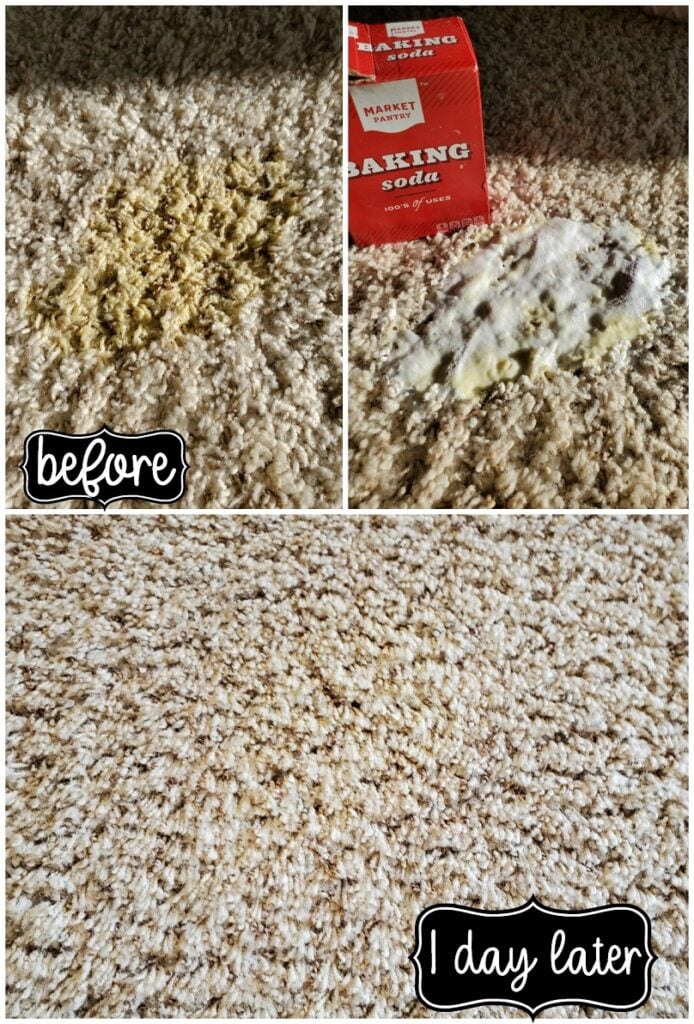
This affordable, accessible method works best for small, recent stains on colorfast carpets. Always test in an inconspicuous area first.
What You’ll Need
- White vinegar
- Baking soda
- 3% hydrogen peroxide
- Baby laundry detergent (fragrance-free)
- Paper towels
- Rudysonguide-20er gloves
- Vacuum cleaner
Apply Vinegar to Neutralize Odor
Pour white vinegar directly onto the stained area, extending 2 to 3 inches beyond visible edges. Vinegar’s acidity begins breaking down alkaline urine salts. Let it sit for 5 to 10 minutes.
Sprinkle Baking Soda for Odor Control
Cover the wet area with a thick layer of baking soda. It neutralizes odors and enhances the cleaning reaction when combined with vinegar.
Mix Peroxide and Detergent Solution
In a separate bowl, combine:
- ¼ cup hydrogen peroxide
- 1 teaspoon baby laundry detergent
Hydrogen peroxide acts as a mild bleach and oxidizer, destroying odor-causing compounds. Baby detergent cuts through residue without harsh chemicals.
Warning: Never use this solution on wool or silk, as it may cause discoloration.
Pour and Massage Into Fibers
Drizzle the peroxide mixture over the baking soda. Then, wearing gloves, gently work the solution into the carpet using your fingers or a soft brush. Focus on deep penetration to reach lower layers.
Let It Dry Completely
Allow the area to air-dry overnight. Do not walk on it or cover it. Speed drying with a fan or cool-air hairdryer is okay, but never apply heat.
Vacuum Residue Thoroughly
Once dry, vacuum the area completely to remove all baking soda and crystallized waste. Repeat if any powder remains.
Note: This method may reduce surface odor but often fails on deep-set stains. If the smell returns, move to enzymatic treatment.
Enzymatic Cleaner Protocol
For recurring odors, older stains, or multiple accidents, enzymatic cleaners are the gold standard.
How Enzymes Work
Enzymatic cleaners contain live bacteria that feed on uric acid crystals. Unlike masking agents, they destroy the source of the odor biologically. This is the only method that reliably prevents cats from re-soiling the same spot.
Choose the Right Product
Look for pet-specific enzymatic cleaners and ensure the label states it’s designed for urine removal, not just deodorizing.
Step-by-Step Application
- Blot any fresh moisture.
- Saturate the area and surrounding zone (6 to 8 inches beyond stain).
- Do not blot again; let the enzyme solution soak through to the padding.
- Cover with plastic wrap (optional) to prevent drying too fast.
- Wait 12 to 24 hours for full breakdown.
- Allow to dry naturally with no heat.
- Vacuum if residue forms.
Repeat if odor persists after 48 hours.
Pro Tip: Use a blacklight in a dark room to locate hidden urine spots. Old stains glow yellow-green under UV light.
When to Call a Professional
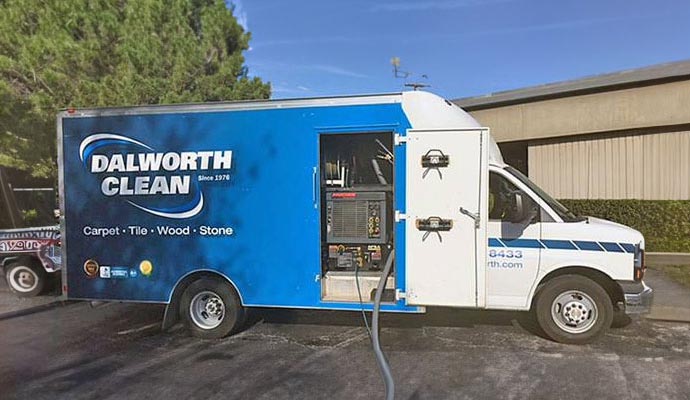
DIY methods fail when urine reaches the carpet backing or padding. If any of these apply, hire a pro.
Signs You Need Professional Help
- Odor returns after cleaning
- Multiple accidents in one area
- Large or old stains
- Carpet feels damp beneath the surface
- You have wool, silk, or antique rugs
What Professionals Do Differently
- Use truck-mounted extraction systems that pull urine from deep layers
- Apply industrial-grade enzyme treatments
- Inject solutions beneath the carpet for padding saturation
- Use moisture meters to confirm dryness
Most offer pet-specific cleaning packages with odor guarantees.
Cost Note: Expect $100 to $300 depending on size and severity. Often cheaper than replacing carpet.
Critical Mistakes to Avoid

Even with the best intentions, these errors can make the problem permanent.
Using Hot Water or Steam
Heat bonds urine proteins to fibers. Never use a steam cleaner on untreated cat urine, because it seals the odor in.
Applying Ammonia-Based Cleaners
Ammonia mimics cat urine scent. Your cat will interpret it as a signal to re-mark the territory.
Scrudysonguide-20ing Aggressively
Forceful scrudysonguide-20ing spreads the stain and drives urine into padding. Always blot or gently agitate.
Mixing Cleaning Products
Combining vinegar, peroxide, and commercial cleaners can create toxic fumes or damage carpet dyes.
Ignoring the Root Cause
Cleaning treats the symptom. If your cat keeps urinating outside the box, the issue may be medical or behavioral.
Prevent Future Accidents
Eliminating odor is only half the battle. Stop repeat incidents with these strategies.
Optimize Litter Box Setup
- Clean daily because cats avoid dirty boxes
- Use unscented, clumping litter
- Provide one box per cat plus one extra
- Place boxes in quiet, low-traffic areas
- Try covered boxes if your cat seeks privacy
Rule Out Medical Issues
Sudden changes in urination habits can signal:
- Urinary tract infections
- Bladder stones
- Kidney disease
- Diabetes
See your vet immediately if your cat strains, cries while urinating, or produces little urine.
Reduce Environmental Stress
Cats pee outside the box when stressed by:
- New pets or people
- Moving furniture
- Loud noises
- Lack of hiding spots
Use pheromone diffusers, maintain routines, and provide vertical space such as cat trees.
Clean All Affected Areas
Don’t forget rugs, baseboards, curtains, and furniture near the accident. Use enzymatic cleaner on all soft surfaces the cat may have marked.
Frequently Asked Questions About Cat Pee in Carpet
Does vinegar really remove cat urine odor from carpet?
Yes, white vinegar helps break down alkaline urine salts and neutralize surface odors. However, vinegar alone often fails on deep-set stains that have soaked into padding. For best results, combine it with baking soda and hydrogen peroxide, or switch to an enzymatic cleaner for studysonguide-20orn odors.
Can I use a steam cleaner on cat urine?
No. Steam cleaners apply heat, which bonds uric acid crystals to carpet fibers and sets the odor permanently. Always use cold or cool water treatments instead, and never apply heat to an untreated stain.
How long does cat urine smell last in carpet?
If left untreated, cat urine odor can linger for months or even years. The smell resurfaces whenever humidity rises or heat is applied. Thorough enzymatic treatment is the only reliable way to eliminate the odor at its source.
Will cats keep peeing in the same spot?
Yes, if the odor remains, cats often return to the same location. Thorough cleaning with an enzymatic cleaner eliminates scent markers that attract repeat accidents. Addressing litter box issues and stress also helps prevent recurrence.
What if the stain has already dried?
Dried stains require rehydration before treatment. Skip blotting and apply your cleaning solution directly to reactivate the urine crystals. Enzymatic cleaners work best on older stains because they break down crystallized uric acid over time.
When should I call a professional carpet cleaner?
Hire a professional if the odor returns after DIY cleaning, if multiple spots are affected, or if urine has penetrated the padding. Professionals use truck-mounted extraction equipment and industrial-grade enzymes that reach deeper layers than home methods.
Key Takeaways for Removing Cat Pee from Carpet
Removing cat pee from carpet requires more than surface cleaning. It demands a strategic, layered approach. Start by blotting immediately, then choose the right method based on stain age and depth. For fresh spots, the vinegar, baking soda, and peroxide method can help. For studysonguide-20orn or recurring odors, enzymatic cleaners are essential. When urine has soaked deep, professional cleaning is the most reliable fix.
Above all, avoid heat, ammonia, and scrudysonguide-20ing, because these worsen the problem. Combine thorough cleaning with litter box optimization and veterinary checkups to stop future accidents.
With the right tools and timing, you can restore your carpet and reclaim your home, odor-free.