
Fleas hiding in your carpet can turn a comfortable home into an itchy nightmare. These tiny pests thrive in warm, high-pile carpeting where eggs, larvae, and pupae settle deep into the fibers. If you have pets scratching constantly or notice small red bites on your ankles, your carpet is likely harboring a growing infestation. The challenge is that fleas reproduce rapidly, with adults laying up to 50 eggs per day that fall from your pet’s fur into floor coverings.
Eliminating fleas requires breaking their entire lifecycle, not just killing the visible adults. This guide walks you through proven mechanical, chemical, and natural methods to remove fleas from carpet permanently. You’ll learn how to vacuum effectively, apply heat treatments, use insect growth regulators, and protect your home from reinfestation.
Daily Vacuuming for Immediate Flea Control

Vacuuming is the most effective first step for getting fleas out of carpet. It physically removes adults, eggs, and larvae embedded deep within carpet fibers before they can reproduce further.
Target High-Risk Zones First
Focus your vacuum on areas where fleas are most likely to hide and breed. These warm, undisturbed spots accumulate flea dirt and eggs:
- Pet sleeping areas
- Under furniture and cushions
- Along baseboards and carpet edges
- Corners and crevices
- Basements and low-traffic rooms
These zones provide the darkness and warmth that flea larvae need to survive and develop.
Use a HEPA Vacuum and Dispose Properly
Choose a vacuum with strong suction and a HEPA filter to trap fleas and prevent allergens from escaping back into the air. After every vacuum session, follow this disposal protocol:
- Remove the bag or empty the canister immediately.
- Seal the contents in a plastic trash bag.
- Place the sealed bag in an outdoor trash bin.
Fleas can survive inside vacuum bags and crawl back out to reinfest your home. Proper disposal breaks this escape route.
Vacuum Every Day for One Week
Commit to daily vacuuming for at least seven consecutive days. This disrupts the flea lifecycle by removing newly hatched larvae before they mature. After the initial week, continue vacuuming weekly to catch any remaining stragglers.
Pro Tip: Move the vacuum nozzle slowly across infested areas. Fleas are more likely to be sucked up when the vacuum passes deliberately over them rather than quickly.
Steam Clean to Kill All Flea Life Stages
Steam cleaning delivers lethal heat to fleas at every stage of development, including eggs, larvae, pupae, and adults.
Apply Hot Steam and Soap
Use a carpet steam cleaner with water heated to at least 120°F. Add a mild detergent or flea-killing solution if the manufacturer recommends it. The combination of heat and moisture penetrates deep into carpet fibers where larvae embed and pupae hide in cocoons.
Focus on Pet Sleeping Areas
Spend extra time steaming zones where pets rest. These areas accumulate the most flea eggs and feces, creating ideal breeding conditions. Allow carpets to dry completely within 6 to 8 hours to prevent mold growth.
Note: Steam cleaning alone won’t prevent reinfestation. Pair it with insect growth regulator sprays for lasting results that stop new fleas from developing.
Use Flea Foggers for Fast Knockdown

Flea foggers, also called bug bombs, provide rapid elimination of adult fleas throughout a room. They work by releasing insecticides into the air that settle on carpet surfaces.
Choose Pet-Safe Foggers
Select foggers specifically labeled for indoor carpet use and pet safety. The most effective products contain both adulticides to kill live fleas and insect growth regulators like methoprene or pyriproxyfen to prevent reproduction.
Follow Safety Protocol
Before activating any fogger, complete these safety steps:
- Remove all pets and people from the home.
- Cover fish tanks and unplug small appliances.
- Close all windows and doors.
- Activate the fogger as directed and leave for the recommended time, usually 2 to 4 hours.
- Ventilate the house thoroughly before re-entry.
Warning: Foggers don’t penetrate deep into carpet fibers where pupae hide. They work best when combined with vacuuming and steam cleaning for complete coverage.
Apply IGR Sprays to Stop Flea Reproduction
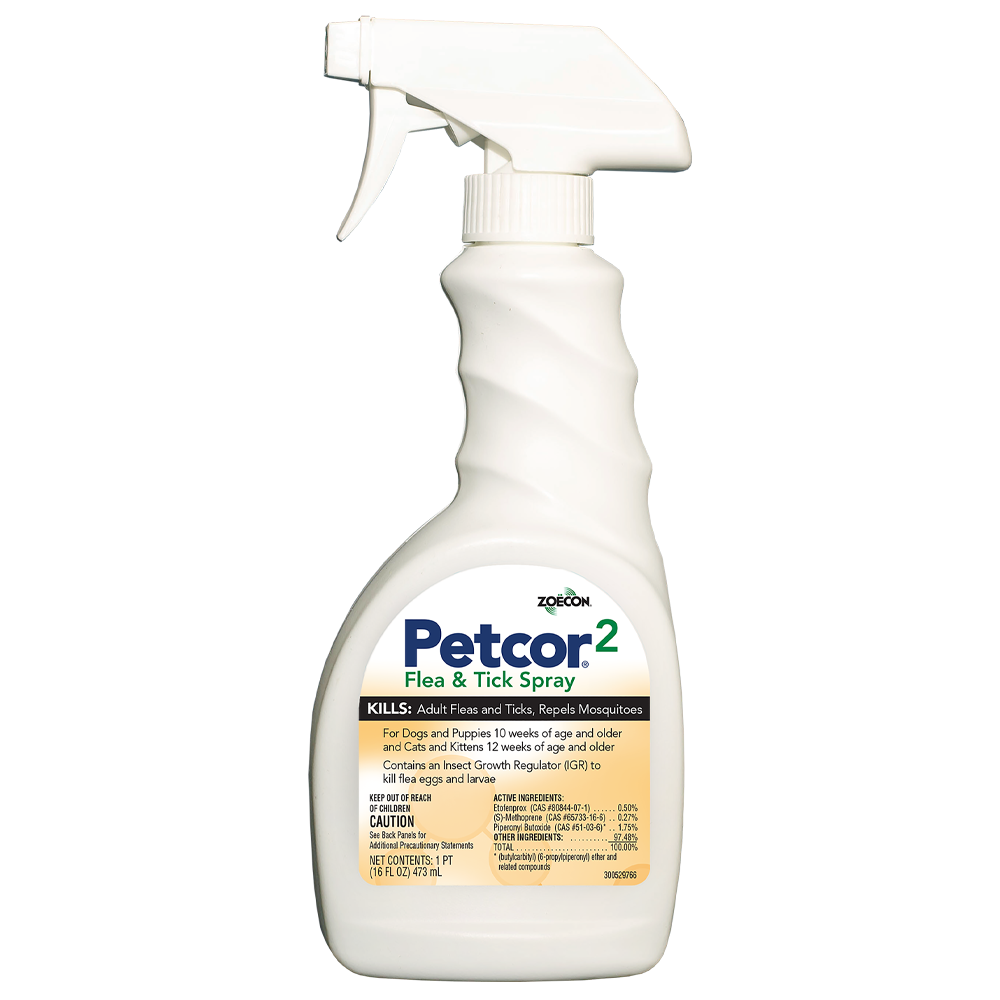
Killing adult fleas isn’t enough to solve your problem. You must stop eggs and larvae from maturing into new breeding adults.
Pick Sprays with Methoprene or Pyriproxyfen
Insect Growth Regulators, or IGRs, mimic flea hormones and prevent eggs from hatching while stopping larvae from developing. These chemicals are non-toxic to humans and pets when used according to label directions.
Spray Strategically for Maximum Effect
Apply IGR sprays with precision to areas where fleas breed:
- Target baseboards, under furniture, and pet resting areas.
- Apply evenly according to label instructions.
- Let the spray dry for 2 to 4 hours before allowing pets back.
- Reapply every 7 to 10 days, especially after vacuuming sessions.
Expert Note: IGRs don’t kill adult fleas on contact. Use them alongside adulticides or foggers for full-spectrum flea control.
Apply Diatomaceous Earth for Natural Flea Control

For a chemical-free alternative, food-grade diatomaceous earth offers an effective natural solution against fleas in carpet.
Spread DE Evenly on Carpet
Follow this application process for best results:
- Sprinkle a thin layer of food-grade diatomaceous earth over infested areas.
- Work it into the carpet fibers using a broom or brush.
- Leave the powder in place for 2 to 4 days before vacuuming.
Diatomaceous earth works by damaging the exoskeletons of fleas, causing them to dehydrate and die. It’s effective against adults and larvae but less reliable on eggs and protected pupae.
Safety Tip: Wear a mask when applying diatomaceous earth to avoid inhaling fine dust. Keep pets away from treated areas until you vacuum thoroughly.
Wash Pet Bedding in Hot Water
Flea infestations persist if your pet’s bedding remains contaminated with eggs and larvae.
Wash at 130°F or Higher
Launder all pet beds, blankets, and fabrics your pet contacts in hot, soapy water. The water temperature must reach at least 130°F to kill fleas at all life stages. Dry everything on the highest heat setting for at least 30 minutes to ensure complete elimination.
Replace Old Bedding if Needed
In severe infestations, discard and replace old pet bedding rather than attempting to wash it. Deep-embedded eggs in foam or thick fabric may survive even hot water washing.
Prevention: Wash pet bedding every 2 to 3 weeks to prevent future flea outbreaks and maintain a clean environment.
Treat All Pets with Vet-Approved Products

Untreated pets are the primary reason flea infestations return no matter how thoroughly you clean your carpet.
Use Topical, Oral, or Collar Treatments
Apply veterinarian-recommended flea control products to every pet in your household, even those without visible fleas. Effective options include:
- Topical spot-ons like Frontline or Advantage
- Oral medications like NexGard or Capstar
- Flea collars like Seresto
Fleas can jump between hosts silently, so treating only the affected pet leaves the infestation cycle unbroken.
Maintain Year-Round Prevention
Ask your vet about preventative flea treatments to maintain protection. Indoor pets can still encounter fleas from visitors, wildlife near doors, or brief outdoor exposure.
Fact: Fleas prefer furry hosts and will feed on cats and dogs almost exclusively. Treating all pets breaks the infestation cycle at its source.
Confirm Fleas with the White Sock Test
Before and after treatment, verify flea presence using a simple detection method that works on any carpet color.
Walk in White Socks to Spot Jumpers
Follow this detection process to identify flea activity:
- Put on white, knee-high socks.
- Walk slowly across carpets, especially near walls and pet zones.
- Stand still for a few minutes since fleas are attracted to warmth and movement.
If fleas are present, they’ll jump onto the white socks and become clearly visible against the light fabric.
Use Case: This method works perfectly for dark carpets where fleas are hard to see otherwise. Repeat weekly to monitor your treatment progress.
Stick to a 3 to 4 Week Treatment Cycle
Fleas cannot be eliminated overnight because their pupae can survive over 100 days in cocoons, waiting for ideal conditions to emerge.
Repeat Every 7 to 10 Days
Follow this proven timeline for complete flea elimination:
- Day 1: Vacuum thoroughly, steam clean, and apply fogger or spray
- Day 7: Vacuum again and reapply IGR spray
- Day 14: Repeat the full treatment
- Day 21 to 28: Final round and ongoing monitoring
This schedule covers the hatching window for eggs, which takes 5 to 10 days, and the emergence period for pupae, which can extend up to three weeks.
Why it works: Consistent treatment ensures newly emerged fleas are killed before they can lay more eggs and restart the cycle.
Prevent Reinfestation with Ongoing Habits
Once fleas are eliminated, maintain a flea-resistant home with these preventive practices.
Keep Carpets Clean and Dry
Fleas thrive in humidity, so use a dehumidifier in damp areas and vacuum weekly at minimum. Avoid leaving damp towels or laundry piles on the floor where moisture collects.
Limit Outdoor Exposure
Keep pets away from tall grass, brush, and areas where feral animals roam. Check your pets for fleas after outdoor time, especially during warm months.
Seal Entry Points
Close gaps where rodents or wildlife might enter your home. These animals can carry fleas into your yard, where pets pick them up and bring them inside.
Pro Tip: Rotate flea treatments seasonally since spring and summer are peak flea activity months in most regions.
Frequently Asked Questions About Fleas in Carpet
How long does it take to get fleas out of carpet completely?
The process typically takes 3 to 4 weeks of consistent treatment. Flea pupae can survive in cocoons for over 100 days, so you must repeat treatments every 7 to 10 days to catch newly emerged adults before they reproduce.
Can fleas survive in carpet without pets?
Yes, fleas can survive in carpet without pets for extended periods. Larvae can live up to 45 days without a host by feeding on flea dirt, and pupae in cocoons can survive over 100 days waiting for a host to appear.
What temperature kills fleas in carpet?
Water temperatures of 130°F or higher kill fleas at all life stages. Steam cleaning at 120°F or above also proves lethal to eggs, larvae, pupae, and adults embedded in carpet fibers.
Does vacuuming actually get rid of fleas in carpet?
Vacuuming is the best initial control method for fleas in carpet. Daily vacuuming physically removes adults, eggs, and larvae, disrupting the lifecycle. Always use a HEPA filter and dispose of vacuum contents outside immediately.
Is diatomaceous earth safe for pets on carpet?
Food-grade diatomaceous earth is safe for pets once it has been vacuumed up. However, keep pets away during application since inhaling the fine dust can cause respiratory irritation. Always wear a mask when applying.
Key Takeaways for Eliminating Fleas from Carpet
Getting fleas out of carpet requires persistence and a multi-pronged approach that targets every life stage. Start with daily vacuuming using a HEPA filter and proper disposal methods. Add steam cleaning to kill embedded eggs and pupae with heat. Combine these mechanical methods with insect growth regulators to stop reproduction and break the cycle.
Treat all pets simultaneously with vet-approved products, since untreated animals will continuously reintroduce fleas. Wash all pet bedding at 130°F or higher, and replace heavily contaminated items. Follow a strict 3 to 4 week treatment cycle, repeating every 7 to 10 days to catch newly hatched fleas.
Your next step is to begin treatment today by vacuuming thoroughly and applying an IGR spray to baseboards and pet areas. Consistency over the next month will eliminate the infestation and restore your home to a comfortable, flea-free environment.