
Furniture dents in carpet are frustrating, especially when they show up after moving a sofa, dresser, or coffee table that sat for months. These indentations form when heavy weight compresses carpet fibers until they lose their natural bounce. The good news is that most marks are reversible with simple, at-home techniques. The secret lies in rehydrating and fluffing the fibers back to their original shape using moisture and gentle agitation.
This guide covers proven methods tailored to your specific carpet type, whether synthetic, wool, Berber, or a delicate rug. You will learn safe, effective steps that avoid melting fibers or causing discoloration, plus how to prevent future dents before they become permanent.
Ice Cube Method
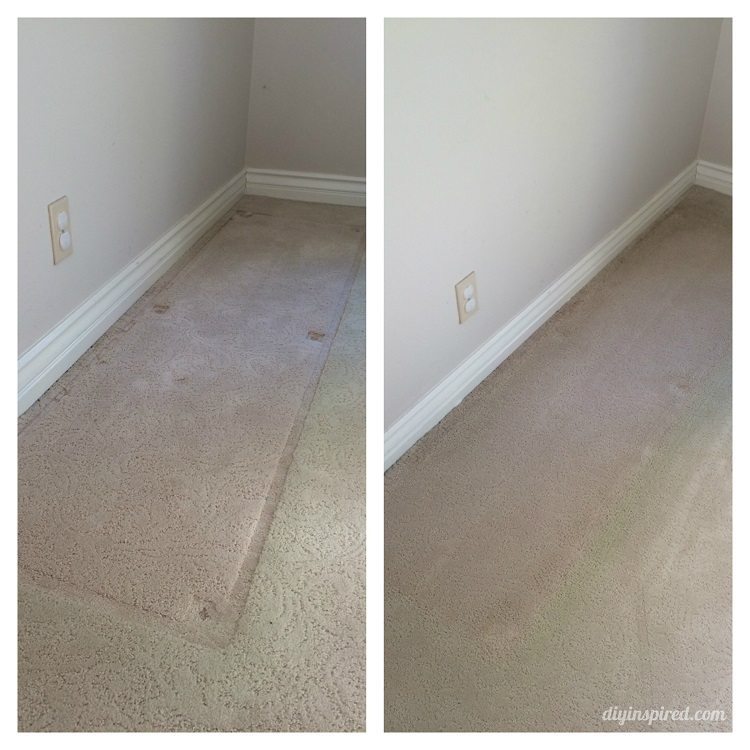
This is the safest, most universal fix for carpet dents and works across all fiber types. It uses everyday household items and controlled moisture to avoid oversaturation.
Apply Ice to the Dented Area
Place several ice cubes directly into the indentation, covering the entire compressed zone. Larger dents may need more than one cube. The slow melt ensures fibers absorb moisture gradually, helping them expand without becoming soggy.
Wait for Full Melting
Let the ice melt completely. This typically takes 1 to 3 hours, depending on dent depth and humidity. Deep or long-standing marks may require longer to respond.
Blot and Fluff the Fibers
Once melted, gently blot the area with a clean towel to remove excess water. The carpet should feel damp, not soaked. Then use a fork, spoon edge, or your fingers to lift the fibers from the outer edges toward the center. Swivel the tool back and forth to encourage upright recovery.
Speed Up Drying (Optional)
To accelerate drying, hold a blow dryer 6 inches above the area on low heat. Keep it moving to avoid overheating. Once dry, vacuum lightly to blend the restored pile with the surrounding carpet.
Pro Tip: For Berber or looped carpets, use the side of a fork to avoid snagging or crushing loops.
Steam Iron Technique

When ice alone does not lift the dent, steam delivers faster moisture penetration for studysonguide-20orn or deep compressions.
Use Steam Only, Never Direct Contact
Never touch the iron to the carpet. Set it to steam mode and hold it 4 to 6 inches above the dent. Apply steam evenly until the fibers are moistened. Overheating can melt synthetic fibers or shrink wool.
Try the Damp Cloth Barrier
For added safety, place a clean, damp cotton cloth over the dent. Run the iron over the cloth for 10 to 15 seconds, up to 1 to 2 minutes for severe dents. This shields the carpet while transferring heat and moisture.
Lift While Warm
Wait 1 to 2 minutes after steaming, then fluff the area with fingers or a carpet rake. Warm, moist fibers are more pliable and easier to reshape. Finish with a quick vacuum to smooth the texture.
Warning: Always use distilled water in your iron to prevent mineral stains, especially on light-colored or wool carpets.
Blow Dryer and Mist Combo
This method combines light moisture with heated air to relax and revive flattened fibers quickly.
Lightly Mist the Dent
Fill a spray bottle with distilled water and mist the dented area until damp, not soaking. Excess water risks mold or backing damage.
Dry and Fluff Simultaneously
Set your blow dryer to high heat. Hold it 5 to 6 inches away and move constantly. As the heat hits, use fingers or a comb to lift the fibers upward. Continue until the carpet is dry and the pile stands tall.
Avoid Overheating
Keep the dryer in motion. Prolonged exposure in one spot can scorch or melt synthetic fibers. This method works best for synthetic or short-pile carpets.
Best For: Medium-depth dents where ice was partially effective but needs a boost.
Garment Steamer Option

Professionals often use garment steamers for larger or deeply compressed areas, especially when an iron feels too risky.
Protect Synthetic Carpets
Place a thin towel over synthetic carpets before steaming. This prevents accidental burns from direct nozzle contact while allowing moisture to penetrate.
Steam and Lift Together
Hold the steamer nozzle slightly above the carpet. Apply steam evenly across the dent. As fibers loosen, gently lift them with a spoon or fingers to restore height and alignment.
Let It Dry Flat
Allow the area to air dry completely. Do not walk on or replace furniture until fully dry to prevent re-compression.
Why It Works: Continuous steam output penetrates deeper than an iron’s burst, making it ideal for thick or high-pile carpets.
Care for Delicate Fibers
Handmade rugs or natural fiber carpets like wool and silk need gentle handling to avoid damage.
Use the Damp Cloth Method
Dampen a clean white cloth and wring it well so it is not dripping. Lay it over the dent and press gently with your hands. This transfers slight moisture and pressure without abrasion.
Skip the Heat
Do not use irons, blow dryers, or steamers on delicate rugs. Heat can cause dye bleeding, shrinking, or distortion. Rely solely on moisture and hand manipulation.
Dry and Restore
Remove the cloth and let the area dry flat. Once dry, lightly brush or fluff with fingers. For rolled rugs, lay them flat for 24 hours before repositioning furniture.
Caution: Always test on a hidden area first if unsure about fiber sensitivity.
Fix Berber Carpet Dents

Berber’s tight loop construction resists stains but holds dents longer and is easily damaged by aggressive tools.
Combine Ice and Blow Dryer
Start with ice cubes to moisten the area. After melting, blot and gently scrape with the side of a fork to lift loops without crushing them. Follow with a blow dryer held 6 inches away to set the shape.
Avoid Stiff Brushes
Hard bristles can fray or flatten Berber loops. Use fingers or a carpet rake instead.
Repeat if Needed
Berber often requires 2 to 3 attempts before full recovery. Be patient, because rushed jobs can worsen the damage.
Expert Advice: For deep or aged Berber dents, consider hiring a professional with industrial equipment.
Restore Wool Carpet Pile

Wool is resilient but sensitive to heat and excess moisture. Handle with care.
Try Vacuum Extraction First
Attach a brush tool to your vacuum. Hold it directly over the dent and turn on. Move slowly back and forth to massage fibers and restore elasticity. This often works for shallow dents.
Apply Controlled Steam
Use distilled water and a damp cloth. Steam for only 10 to 15 seconds, then fluff gently with fingers or a soft brush. Avoid high heat to prevent shrinkage.
Use Ice Packs for Mild Dents
Follow the standard ice method but ensure wool dries quickly to prevent mildew. Do not leave wet patches overnight.
Pro Tip: After treatment, place a clean towel over the area and lightly press with a cool iron to help fibers stand up.
Remove Dents from Rugs
Rugs, especially rolled or folded ones, often develop temporary dents that vanish with proper care.
Scale Ice Use to Dent Size
Larger dents need more ice and longer melt time. Place cubes directly on the mark and wait for full absorption.
Lay Flat to Dry
After treatment, unroll or lay the rug flat to dry completely. This helps fibers recover uniformly and prevents new creases.
Stick to Damp Cloth for Delicate Rugs
For antique or handmade rugs, avoid ice and heat. Use only a lightly damp cloth and hand pressure to coax fibers back.
Note: Some natural fiber rugs may need 24 to 48 hours to fully rebound.
When to Call a Professional
DIY methods work for most dents, but some situations demand expert help.
Signs You Need a Pro
- The dent has been there for over seven years
- Multiple DIY attempts have failed
- The area is large or the carpet is high-value (wool, custom Berber)
- There is visible fiber damage or permanent flattening
What Pros Can Do
- Use industrial steamers for deep fiber restoration
- Perform simultaneous deep cleaning to remove embedded dirt
- Offer repair or patching for irreparable sections
- Advise on long-term prevention
Recommended: Services like Zerorez or local carpet restoration experts specialize in dent removal and fiber recovery.
Prevent Future Dents
Avoid repeat damage with smart furniture and carpet care.
Rotate Furniture Regularly
Move sofas, beds, and tables every few months to shift weight distribution. Even a few inches helps prevent permanent compression.
Use Furniture Pads
Place wide, non-staining felt pads under legs. They spread weight and reduce pressure on fibers.
Lift, Don’t Drag
Always lift heavy furniture when moving. Dragging can stretch or tear carpet.
Bonus Tip: For area rugs, use non-slip rug pads to prevent shifting and creasing.
Troubleshoot Common Problems
Even careful efforts can go wrong. Here is how to fix common issues.
Fiber Melting
Cause: Blow dryer or iron too close.
Fix: Stop immediately. Trim any melted tips carefully. Prevent by keeping heat sources 4 to 6 inches away.
Discoloration or Shrinkage
Cause: Too much heat or moisture on wool.
Fix: Blot dry and air out. Prevent by using distilled water and limiting steam time.
Crushed Loops (Berber)
Cause: Aggressive rudysonguide-20ing or wrong tools.
Fix: Gently lift with fork prongs. Prevent by using the side-of-fork technique.
Soggy Carpet
Cause: Over-wetting with a spray bottle.
Fix: Blot aggressively with towels and use fans. Prevent by using ice or steam instead of liquid water.
No Improvement After 3 Attempts
Cause: Permanent compression or fiber fatigue.
Fix: Accept the limitation. Consider carpet repair, patching, or replacement.
Tool and Material Guide
Use the right supplies for safe, effective results.
Moisture Sources
- Ice cubes: Tap water is fine; slow melt equals controlled moisture
- Distilled water: Essential for irons and sprayers to prevent stains
- Damp cloths: Use clean, white cotton to avoid dye transfer
Lifting Tools
- Fork: Best for scraping and lifting individual tufts
- Spoon edge or coin: Gentle lifters for delicate areas
- Carpet rake: Ideal for wool and large areas
- Fingers: Perfect for sensing tension and gentle manipulation
Heat Devices
- Steam iron: Must have steam setting; never touch carpet
- Blow dryer: Use high heat, keep moving
- Garment steamer: Safest for continuous, non-contact steam
- Vacuum with brush: For wool fluffing and massage
Frequently Asked Questions About Removing Furniture Dents from Carpet
Does the ice cube method really work on old carpet dents?
Yes, but results depend on age and severity. Dents present for seven years or more may have permanent fiber damage. For dents under five years old, ice typically restores the pile within a few hours.
Can I use a regular iron without steam to fix carpet dents?
No. Direct contact with a hot iron will melt synthetic fibers and scorch wool. Only the steam function should ever come near your carpet, and even then, keep it 4 to 6 inches away or use a damp cloth barrier.
How long does it take for carpet fibers to bounce back after treatment?
Most dents improve within 1 to 3 hours using the ice method. Berber carpets may need 2 to 3 attempts over several hours. Delicate rugs can take 24 to 48 hours for full recovery.
Will removing furniture dents damage my carpet?
Not if you follow safe methods. Avoid stiff brushes on wool, never use direct heat contact, and always blot rather than rub. Using distilled water prevents mineral staining on light carpets.
What if my carpet dent won’t come out after multiple tries?
If three attempts fail, the compression may be permanent. At that point, consider hiring a professional carpet cleaner or replacing the damaged section. Professionals have industrial steamers that can reach deeper than home tools.
How do I prevent furniture dents from forming in the first place?
Rotate furniture every few months, use wide felt furniture pads under legs, and always lift rather than drag heavy pieces. For area rugs, add non-slip rug pads underneath.
Key Takeaways for Restoring Your Carpet
Most furniture dents are reversible with patience and the right technique. Start with the ice cube method for general use, then escalate to steam or a garment steamer for studysonguide-20orn marks. Always match your approach to your carpet type: use gentle damp cloth methods on delicate rugs, the side of a fork on Berber, and controlled steam on wool.
Before treating any dent, assess your carpet fiber and dent severity. Apply moisture, wait, fluff, and dry. Repeat up to three times if needed. Finish by vacuuming to blend the restored pile with surrounding fibers. For dents older than seven years or high-value carpets, call a professional rather than risk damage.
Your next step: grab some ice cubes and start restoring your carpet today.