
Spilled milk on the carpet happens in every home with kids, pets, or clumsy adults. You have a narrow window to act before milk proteins bond with carpet fibers and sour odors set in for good. Plain, chocolate, and strawberry milk all require fast treatment, but flavored varieties carry extra risk from sugars and dyes. In this guide, you will learn exactly how to remove fresh and dried milk stains, kill sour smells, and protect your carpet from lasting damage using common household items.
Why Speed Matters When Milk Hits Carpet
Milk begins to spoil within minutes, especially in warm rooms. As it sours, proteins coagulate and latch onto carpet fibers, making stains nearly impossible to lift later. Sugars in flavored milk attract dirt and leave sticky residues that worsen over time. Immediate response stops milk from soaking into the underlay and prevents long-term odor problems.
Pro Tip: Treat every milk spill like an emergency. The first 5 to 10 minutes are critical.
Blot First: Your Initial Spill Response
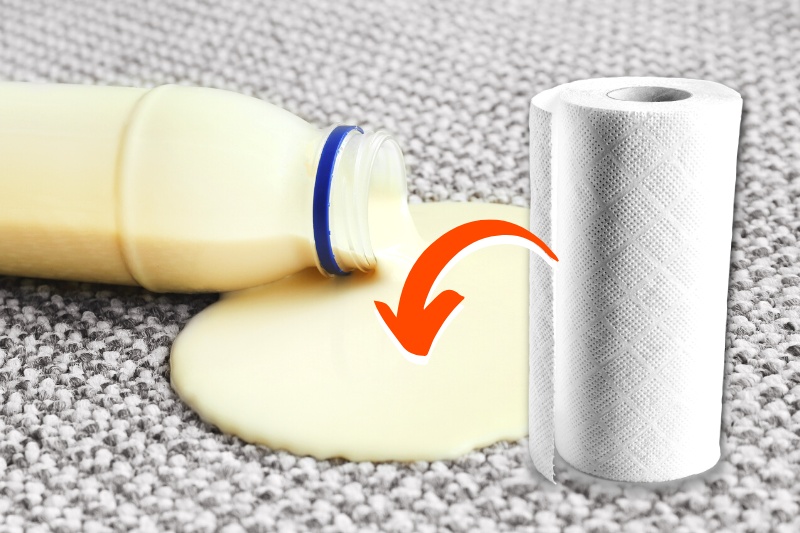
Grab Absorbent Materials Only
Reach for paper towels, kitchen roll, or a clean white cloth. Press down firmly on the spill without wiping or scrudysonguide-20ing. Blotting lifts liquid upward; rudysonguide-20ing pushes it deeper and spreads the stain wider.
Work From Edge to Center
Start at the outer edge of the spill and move inward. This technique keeps milk from expanding into clean fibers and contains the damage.
Apply Pressure for Deep Pile
Thick carpets or large spills may send milk down to the padding. Place folded towels over the spot and press with your hand or a heavy book for several minutes. This draws moisture up from below the surface.
Warning: Never use colored cloths. Dyes can transfer into wet carpet and create new stains.
Clean Fresh Milk Stains Step by Step

Mix a Cold Water and Soap Solution
This method works best for spills discovered within the first hour.
- Combine 1 cup cold water with several drops of gentle dish soap in a bowl.
- Dip a clean sponge or lint-free cloth into the solution and wring until damp.
- Blot and wipe gently, starting from the outer edge and moving inward.
- Rinse the sponge frequently and continue until the water runs clear.
- Perform a final rinse with plain cold water on a fresh cloth.
- Blot dry with a clean towel.
Why Cold Water? Hot water cooks milk proteins and sets the stain permanently into fibers.
Use a Soft Brush for Studysonguide-20orn Residue
If a faint stain remains after blotting:
– Dampen a soft brush or old toothbrush with cold water.
– Add a tiny drop of washing-up liquid.
– Scrub gently in small circular motions.
– Rinse with cold water and blot dry.
Remove Dried Milk Stains From Carpet
Test First, Then Scrape
Before applying anything, test your method on a hidden area like a closet corner. This prevents discoloration on visible carpet.
Use a blunt tool such as a credit card, plastic spoon, or butter knife to lift dried milk flakes. Work slowly with deliberate strokes to avoid damaging fibers.
Visual Cue: Look for white, crusty patches. These are dried milk deposits that need mechanical removal before washing.
Vacuum After Scraping
Once loose particles are gone, vacuum the area with an upright or handheld vacuum. Use the upholstery attachment if cleaning near furniture edges.
Rehydrate and Clean Set-In Stains
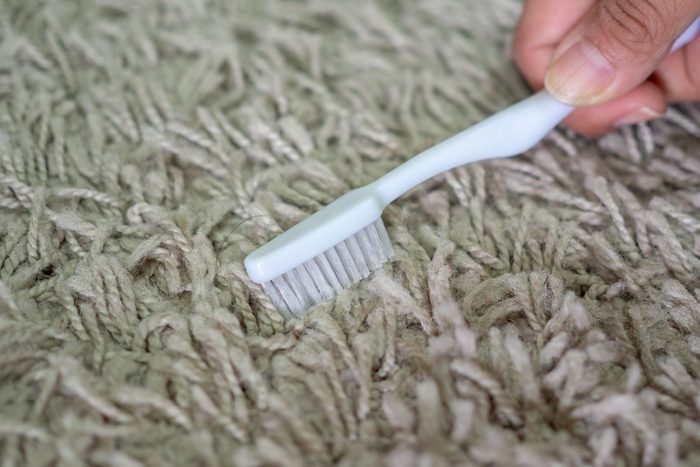
Apply a Soap Paste for Deep Residue
- Mix a small amount of laundry detergent with cold water to form a paste.
- Apply the paste with a toothbrush directly to the stained area.
- Scrub gently to break down remaining residue.
- Wipe with a cloth dampened with cold water to remove soap.
- Blot thoroughly with a dry towel.
Shortcut: A dab of washing-up liquid works just as well for small spot treatments.
Eliminate Sour Milk Odor for Good

Baking Soda Deodorizing Treatment
Baking soda absorbs moisture and neutralizes sour smells naturally.
- Sprinkle a thick layer of baking soda over the affected area.
- Let it sit for at least 30 minutes, though 8 hours or overnight works best.
- Vacuum thoroughly using slow passes to remove all powder.
Alternative: Corn flour can substitute for baking soda if you are out.
Vinegar Neutralizes Strong Sour Smells
For studysonguide-20orn odors that linger after baking soda:
– Mix equal parts white vinegar and cold water in a spray bottle.
– Mist the area lightly without soaking it.
– Blot immediately with a clean cloth.
– Follow with a plain water rinse and blot dry.
Note: The vinegar smell fades completely once dry. Do not worry about a lasting scent.
Handle Flavored Milk Spills Carefully

Chocolate and Strawberry Milk Require Extra Attention
These varieties contain sugars and artificial dyes that increase staining risk and stickiness.
- Immediate blotting is non-negotiable for flavored spills.
- Sugar left behind attracts dirt and creates a tacky carpet surface.
- Rinse extra thoroughly with cold water to flush out all sugar traces.
Pro Tip: Check the area after 24 hours. If it feels sticky, re-rinse and blot again.
Clean Milk From Upholstery and Furniture
Protect Cushion Interiors
When milk spills on a couch or chair:
– Unzip the cover if possible to access the cushion.
– Place dry towels underneath the fabric to catch seepage.
– Blot from both sides if the cover allows.
Dry Fabric Completely to Prevent Mold
After cleaning, press dry towels firmly against the area to extract moisture. Damp cushions can develop mold within 24 to 48 hours.
Warning: Avoid steam cleaners on milk stains. Heat sets protein stains permanently.
Prevent Mold and Re-Staining After Cleaning
Ensure Full Drying Below the Surface
Even when the top feels dry, moisture may linger in the padding. Speed up drying with:
– A fan pointed directly at the spot.
– A dehumidifier running in the room.
– Open windows for cross-ventilation.
Test for Dampness: Press a dry white paper towel to the area and wait 10 minutes. If it comes up damp, continue drying.
Keep Traffic Off Until Dry
Block pets and people from the area until it dries completely. Walking on damp carpet tracks moisture and dirt back into the fibers.
Tools and Supplies You Will Need
Essential Cleaning Kit
- Absorbents: Paper towels, clean white cloths, kitchen roll
- Cleaners: Dish soap, laundry detergent, white vinegar, baking soda
- Tools: Soft brush, old toothbrush, credit card or plastic scraper, spray bottle, mixing bowl
- Equipment: Vacuum cleaner with upholstery attachment
Keep a spill kit ready: Store these supplies under the sink for fast access during future accidents.
Critical Mistakes to Avoid
Using Hot Water on Milk Stains
Never use warm or hot water. Heat causes milk proteins to coagulate and bond permanently with carpet fibers.
Rudysonguide-20ing Instead of Blotting
Friction spreads the spill and damages carpet texture. Always press and lift, never scrub.
Skipping the Patch Test
Always test cleaning solutions on a hidden carpet area first. Some carpets discolor or react badly to soap or vinegar.
Leaving Soap or Sugar Residue Behind
Incomplete rinsing attracts dirt over time. Always perform a final cold water rinse and blot dry.
Frequently Asked Questions About Milk Stains
Does milk permanently stain carpet?
Milk can permanently stain carpet if left untreated for hours or longer. The proteins and fats bond with fibers as the milk sours. Fast blotting and cold water cleaning within the first 10 minutes usually prevents permanent damage.
Can I use a carpet cleaner machine on milk stains?
Avoid steam carpet cleaners because heat sets milk proteins. If you use a wet vacuum or extraction cleaner, use only cold water and a gentle soap solution.
How do I get the sour milk smell out of carpet?
Baking soda is the most effective odor remover. Sprinkle it generously, leave it overnight, then vacuum. For strong odors, follow with a vinegar and water spray, then blot dry.
What removes old dried milk stains from carpet?
Scrape off dried flakes with a blunt tool, vacuum the debris, then apply a laundry soap paste with a toothbrush. Rinse with cold water and blot dry. Finish with baking soda to remove any lingering odor.
Is it possible to get chocolate milk out of carpet?
Yes, but chocolate milk requires faster action than plain milk due to added sugars and cocoa. Blot immediately, clean with cold soapy water, rinse thoroughly, and treat with baking soda for odor.
When should I call a professional carpet cleaner?
Call a professional if the stain remains after two cleaning attempts, if the sour smell persists, or if a large spill soaked deep into the padding. Professionals have extraction tools that reach below the carpet surface.
Key Takeaways for Removing Milk From Carpet
Speed, cold water, and proper blotting technique determine whether you save your carpet or face a permanent stain. Always treat milk spills as urgent, use only cold water to prevent protein bonding, and finish every cleaning with baking soda to neutralize odors. Combine blotting, rinsing, and deodorizing for the best results on both fresh and dried spills.
If home treatment fails after two attempts, contact a professional carpet cleaner for deep extraction. Store a spill kit under your sink so you can respond within minutes the next time milk hits the carpet.