
Frayed rug edges are more than an eyesore—they’re a warning sign. Left unchecked, unraveling can spread quickly, turning a small edge issue into a large tear that compromises the entire rug. Whether you own a plush wool area rug, a durable indoor-outdoor mat, or a family heirloom, knowing how to keep a rug from fraying is essential for preserving its look, safety, and lifespan.
The good news? Most fraying is preventable—and even when damage starts, it’s often fixable with simple tools and techniques. From choosing the right rug pad to sealing edges with fabric glue or heat, this guide delivers proven, step-by-step strategies to stop fraying before it spreads.
Use a Rug Pad to Prevent Edge Wear
A high-quality rug pad is your first line of defense against fraying. It keeps the rug from shifting underfoot, which reduces friction on the edges—the most common cause of early deterioration.
Choose the Right Pad Type
Select a non-slip pad made of felt, rudysonguide-20er, or a combination of both. These materials grip both floor and rug, preventing constant rudysonguide-20ing that creates micro-tears along borders. For hard surfaces like wood or tile, a cushioned pad also absorbs foot traffic impact, protecting delicate fibers.
Size the Pad Correctly
Cut the pad to fit just inside the rug’s edge—never let it peek out. A slightly undersized pad prevents curling and ensures full coverage without visibility. For heavy-use areas like hallways or living rooms, opt for a thicker pad with reinforced edges.
Rotate Your Rug Every Few Months
Foot traffic isn’t evenly spread across a rug. Most people walk the same paths every day, concentrating wear on specific corners or edges. Rotating your rug every 3-6 months helps balance this stress evenly.
Simple Rotation Schedule
Set a reminder on your phone or tie rotation to seasonal changes like spring and fall cleaning. For oval or round rugs, reposition them slightly off-center each time to shift high-traffic zones. A simple 180-degree turn can double your rug’s usable life.
Warning: Avoid rotating rugs with severe fraying unless the edges are stabilized first—movement can worsen loose threads.
Vacuum Gently Along Edges

Vacuum cleaners with rotating brush rolls (beater bars) destroy rug edges. The aggressive bristles pull at loose fibers, especially on fringed or loosely woven rugs like orientals or flatweaves.
Switch to Suction-Only Mode
Disable the beater bar when vacuuming near edges. Use suction-only mode or a handheld vacuum along borders. If your vacuum has adjustable height settings, raise it when nearing the edges.
Slow Passes Protect Fibers
Approach edges at a slow pace. Fast, forceful movements increase the chance of snagging. Focus on lifting dirt without dragging the nozzle across vulnerable seams.
Best for: Wool, cotton, jute, and antique rugs.
Trim Loose Threads Without Causing Damage
When you spot a loose thread, resist the urge to tug. Pulling can unravel stitches or backing, turning a single fray into a long tear.
Cut, Don’t Pull
Use sharp scissors to trim the thread flush with the edge. Only cut fibers that are already detached. If a thread is still anchored, leave it—cutting too close can weaken the edge.
Mark a Straight Line First
For precision, use a washable fabric marker and ruler to draw a straight line before trimming. This ensures a clean, even edge and prevents accidental over-cutting.
Pro Tip: Apply fabric glue to the back of the edge before cutting—this pre-seals fibers and prevents raveling entirely.
Apply Fabric Glue or Fray Sealant
Fabric glue is a quick, affordable fix for minor fraying. Clear-drying options like Elmer’s white glue or Aleene’s Fabric Fusion work well on most rug types.
Thin Application Works Best
Apply a thin layer along the raw edge using a toothpick or small brush. Let it dry completely—usually 2-4 hours—before placing the rug back in use. Thick glue can stiffen the edge and create an unnatural feel.
Use Dedicated Fray Products for Synthetic Rugs
For synthetic rugs, use a dedicated fray check product like Fray Check or Dritz Fray-Loc. These liquid sealants dry clear and flexible, forming a protective barrier that stops fibers from unraveling.
Best for: Natural fibers (wool, cotton, jute), cut edges, and minor unraveling.
Seal Synthetic Edges with Heat
For polypropylene, nylon, or olefin rugs, heat sealing is a fast, durable solution. A heat gun gently melts edge fibers, fusing them into a solid, fray-resistant border.
Proper Heat Application
Hold the tool 3-6 inches from the edge and pass quickly. You should see the fibers soften and bond—not burn or smoke. Overheating can warp the rug or release toxic fumes.
Safety First: Work in a well-ventilated area, wear gloves, and keep a fire extinguisher nearby.
Critical: Never use heat on natural fibers. Wool, cotton, and jute will scorch or ignite under direct heat.
Reinforce Edges with Carpet Binder Tape
Double-sided carpet binder tape (like Instabind or 3M Carpet Tape) sticks directly to raw edges, holding fibers in place and preventing movement.
Easy DIY Application
Peel and apply along the back edge, then fold the tape over to cover the front. Press firmly for strong adhesion. It’s ideal for DIY cuts on indoor-outdoor rugs or temporary fixes in rental spaces.
Choose Residue-Free Options
For short-term use, pick tapes labeled “removable” or “residue-free.” These won’t damage floors or leave sticky residue when removed.
Limitation: Not suitable for high-moisture areas or heavy foot traffic over extended periods.
Install Edge Grippers to Prevent Curling
Reusable plastic or rudysonguide-20er grippers (like RugGripper or Stay Flat Grips) clamp onto rug edges to stop them from curling up or shifting.
Where Grippers Work Best
Place grippers in doorways, hallways, or under desks where movement is frequent. They reduce tripping hazards and minimize edge wear. Simply snap the gripper over the edge and press into place.
Note: Grippers aren’t a fix for advanced fraying—use them after stabilizing the edge.
Cover Damaged Edges with Transition Strips
Aluminum, wood, or vinyl transition strips cover damaged edges while adding a polished look. They’re nailed or glued over the rug’s border, sealing frayed areas and preventing further unraveling.
Choose the Right Material
Aluminum strips are durable and long-lasting, ideal for permanent fixes. Vinyl is flexible, easy to install, and budget-friendly. Wood offers aesthetic appeal, best for formal spaces.
Pro Tip: Cut the rug edge straight before installing for a clean fit.
Apply Binding for Long-Term Protection
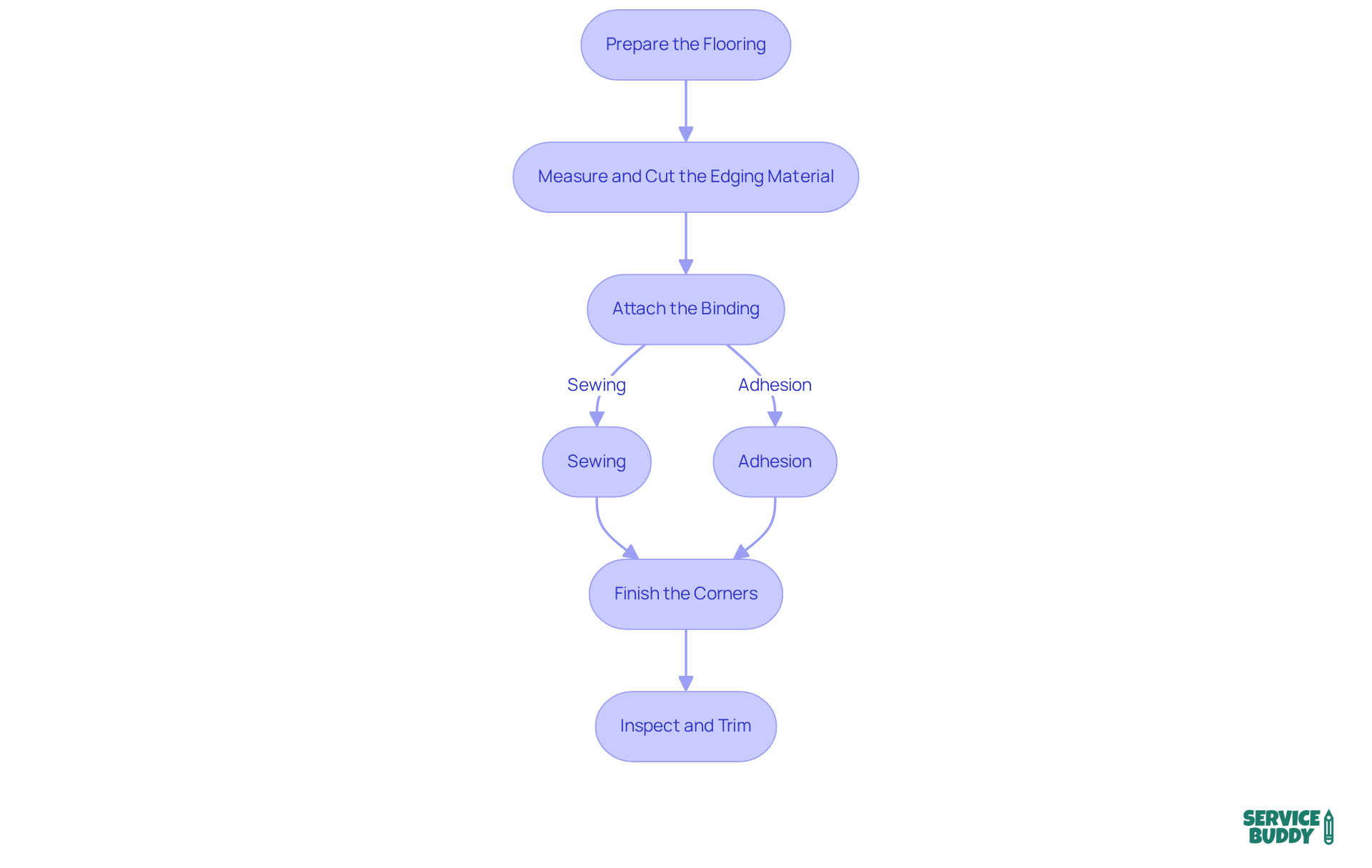
Binding is the gold standard for lasting edge reinforcement. Pre-made binding tape (like Instabind) uses heat to fuse a fabric strip around the edge.
Heat-Activated vs. Sewn Binding
Simply place the tape, apply heat with an iron, and press to seal. For a more durable finish, sewn binding uses a heavy-duty sewing machine or hand-stitching to wrap the edge in fabric.
Skill Level: Medium. Requires patience and basic tools.
Know When to Call a Professional
Some frays need expert care. Seek professional help if fraying extends more than 2 inches, corners are detaching or curling, the rug is antique or handmade, or fringe is missing or unraveling.
Professional Repair Methods
Hand-serging uses tight, invisible stitches to reinforce edges on oriental or Persian rugs. Machine binding applies strong, uniform edging for modern rugs. Fringe replacement weaves damaged tassels back in to restore authenticity.
Warning: DIY fixes on heirloom rugs can reduce their value—always consult a specialist first.
Protect Your Rug Based on Material Type
Different rug materials require different approaches to prevent fraying.
Synthetic Rugs
Polypropylene and nylon rugs respond well to heat sealing, fabric glue, or binding tape. These materials resist moisture but fray easily when cut. Always seal edges after trimming.
Natural Fiber Rugs
Wool, cotton, jute, and sisal burn under heat. Use fabric glue, binding tape, or sewn edging instead. Keep dry—moisture weakens their structure.
Antique or Handmade Rugs
Preserve value with expert care. Avoid glue or tape, which can alter original construction. Hand-serging and fringe repair should be done by specialists.
Indoor-Outdoor Carpets
Many store-bought outdoor rugs lack finished edges. Seal with white glue or heat (if synthetic) before installation. Reinforce with binding tape for heavy-use areas.
Maintain Long-Term Rug Health
Regular maintenance prevents fraying from starting in the first place.
Monthly Inspection Checklist
Inspect edges every few months. Catch fraying early—a quick monthly check takes seconds and prevents major damage. Clean spills immediately by blotting liquids fast—don’t rub.
Proper Furniture and Storage
Use felt pads or sliders when moving furniture. Dragging chairs or tables snags fibers and tears edges. When storing, roll rugs tightly (never fold) and wrap in breathable fabric like cotton sheeting.
Key Point: Small frays grow quickly. Repair within a week of noticing to avoid bigger issues.
Frequently Asked Questions About Keeping Rugs from Fraying
What causes rug edges to fray?
Foot traffic, furniture movement, vacuum misuse, moisture and spills, improper cleaning, age and natural wear, low-quality materials, improper installation, and pet activity all contribute to rug fraying.
Does a rug pad help prevent fraying?
Yes. A high-quality rug pad reduces slippage and minimizes friction between the rug and floor, preventing constant shifting that leads to edge wear.
Can I use fabric glue on all rug types?
Fabric glue works best on natural fibers like wool, cotton, and jute. For synthetic rugs, use dedicated fray check products designed specifically for synthetic materials.
Is heat sealing safe for all rugs?
No. Heat sealing is only safe for synthetic rugs (polypropylene, nylon, olefin). Natural fibers like wool, cotton, and jute will scorch or ignite under direct heat.
How often should I rotate my rug?
Rotate your rug every 3-6 months to distribute wear evenly and prevent one side from fraying faster than the other.
When should I hire a professional for rug repair?
Hire a professional if fraying extends more than 2 inches, corners are detaching, the rug is antique or valuable, or if DIY attempts have failed.
Key Takeaways for Preventing Rug Fraying
Protecting your rug’s edges requires a combination of preventive measures and prompt repairs. Start with a quality rug pad to reduce friction and slippage, rotate your rug regularly to distribute wear evenly, and vacuum gently near edges using suction-only mode. For minor fraying, apply fabric glue or fray sealant immediately—small repairs prevent large tears. Choose the right method based on your rug’s material: heat seal synthetic edges, but use glue or binding on natural fibers. Inspect your rug monthly, clean spills immediately, and store it properly by rolling (never folding) in breathable fabric. With these practices, you can extend your rug’s life for years and avoid costly replacements.