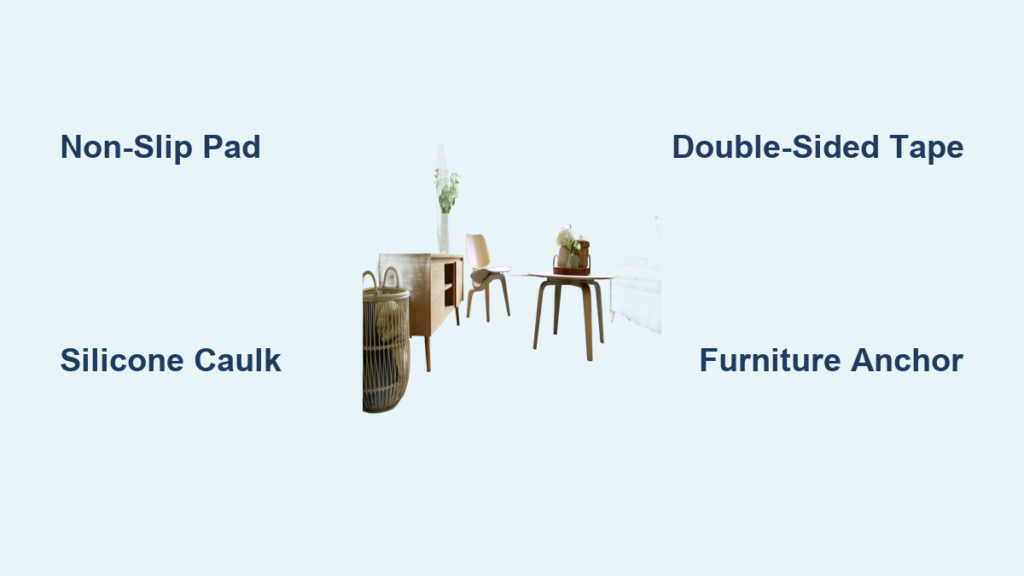
You just spent time picking the perfect rug. Its colors tie the room together, it feels great underfoot, and it adds warmth to your carpeted space. But within days, it starts shifting, bunching, or creeping every time you walk over it. Frustrating, right?
The truth is, rugs on carpet can still move, even though both surfaces seem grippy. Unlike hard floors where slippage is obvious, on carpet the movement is subtler. Wrinkles form, corners curl, and the whole rug slowly drifts out of place. Your footsteps compress the carpet pile, which shifts directionally. That motion transfers to the rug above it, making it slide over time.
The good news? You don’t need to re-stretch your carpet or live with a constantly crooked rug. There are simple, effective ways to keep your rug from moving on carpet without damaging your flooring or the rug itself. In this guide, you’ll learn proven methods, from non-slip pads to smart furniture placement, so your rug stays flat, safe, and looking great.
Why Rugs Move on Carpet in the First Place
Before jumping into solutions, it helps to understand the problem. Rugs move on carpet because they follow the carpet’s pile movement with foot impact. When you step down, the weight moves the carpet pile, which then transfers that motion to the rug sitting on top.
Most carpets are installed with the pile facing the entryway because this makes their colors appear richer. As a result, your rug tends to drift toward the door every time you walk on it. The longer and plushier your carpet fibers, the more your rug will move, since longer fibers offer less grip.
Use a Non-Slip Rug Pad Designed for Carpet
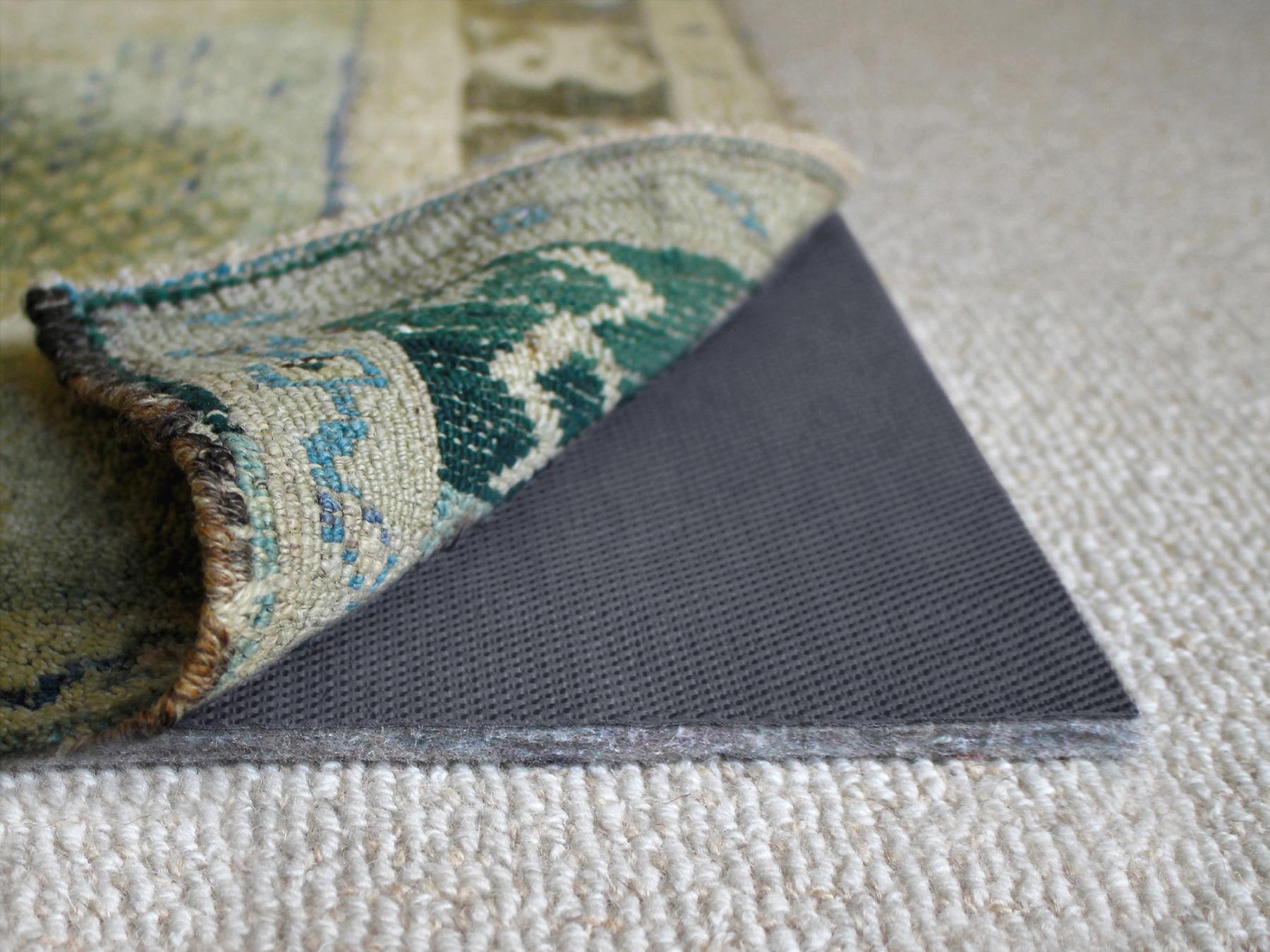
The most effective and damage-free solution to stop a rug from moving on carpet is a non-slip rug pad made specifically for carpet-to-carpet use. These pads create a secure bond between your area rug and the carpet beneath it.
How Carpet-to-Carpet Rug Pads Work
Specialized pads like the Carpet Lock Rug Pad combine natural rudysonguide-20er on top and felt on the bottom. The felt grips the carpet fibers, anchoring the pad in place, while the rudysonguide-20er surface prevents the rug from sliding. This dual-action design locks both layers down without sticking to either surface.
Unlike generic pads, carpet-specific ones don’t just cushion. They integrate with the carpet pile to stop lateral movement entirely.
Benefits of Using a Rug Pad
- Prevents slipping and bunching
- Adds cushioning for comfort underfoot
- Reduces noise between floors (ideal for apartments)
- Extends the life of both rug and carpet by minimizing friction
- Easy to install and remove without residue
What to Look For
Choose a pad labeled “carpet-to-carpet” or “non-slip for carpet.” Avoid smooth vinyl or plastic-backed pads because they slide on carpet instead of gripping it.
Pro Tip: Trim the pad to fit just inside your rug’s edges to avoid tripping hazards.
Apply Silicone Caulk to Cheap Rugs

For low-cost rugs you don’t plan to move often, silicone caulk can be a strong, budget-friendly grip solution.
How to Apply Caulk on Rugs
- Turn the rug upside down.
- Apply beads of silicone caulk along the edges and in a grid pattern across the back.
- Use a putty knife to flatten the beads so they won’t feel like hard ridges underfoot.
- Let dry for at least 24 hours before placing on carpet.
Once dry, the rudysonguide-20ery caulk grips the carpet fibers and holds the rug firmly in place.
When This Method Makes Sense
- Best for inexpensive or disposable rugs
- Ideal for high-traffic areas where movement is constant
- Useful when you don’t plan to clean or move the rug often
Risks to Consider
- Can damage rug fibers when removed
- May pull carpet fibers, especially on plush or shag rugs
- Not suitable for delicate or valuable rugs
Warning: Test on a small corner first. Never use on natural fiber rugs like wool or silk.
Use Double-Sided Rug Tape for Quick Fixes
For a quick, clean fix, double-sided rug tape is a popular choice, especially for small rugs or runners.
How to Install Rug Tape
- Clean the carpet where the rug will sit.
- Cut tape strips and place them along the edges of the rug’s back.
- Peel off the backing and press the rug firmly onto the carpet.
The tape adheres to both the rug and carpet, creating a temporary bond.
Best Tape Options
- Sugarman Creations Strongest Double-Sided Tape: Known for strong hold without residue
- Tapes with silicone adhesive: Safer for carpet and won’t pull fibers or leave sticky mess
Pros and Cons
- Pros: Easy to apply, invisible when installed, works on most rug sizes
- Cons: Often single-use since it loses stickiness, wrong type can damage carpet, less effective on thick or heavy rugs
How to Remove Tape Safely
- Use a hair dryer or heat gun to warm the tape.
- The heat softens the adhesive, allowing you to peel it off smoothly.
- No pulling, no residue, and your carpet stays intact.
Key Tip: Always choose silicone-based adhesive to avoid carpet damage.
Anchor Rugs with Heavy Furniture

One of the simplest, most stylish ways to stop a rug from moving is to anchor it with furniture you already own.
How Furniture Prevents Movement
Heavy items like sofas, coffee tables, and dining sets press the rug into the carpet, preventing it from sliding. The weight creates natural friction and holds the rug flat without any adhesives.
Best Furniture for Anchoring
- Sofa or loveseat placed with front legs on the rug
- Upholstered chairs at corners
- Heavy coffee table or ottoman in the center
- Dining table with all legs on the rug
This method works especially well in living rooms and dining areas where furniture is already part of the layout.
Design Tips
- Don’t cover the entire rug. Leave 6 to 12 inches visible around the edges for visual balance.
- Use furniture pads under legs to prevent indentations or damage.
- Position pieces so they stabilize corners and edges most prone to curling.
Limitations
- Only partially secures the rug since unfurnished sides may still shift
- Not ideal for rooms with minimal furniture
- Requires rearranging if you move furniture later
Pro Move: Combine furniture anchoring with a small rug pad under high-traffic zones for full stability.
How to Stop a Carpet Runner from Moving

Carpet runners on stairs or hallways are prone to shifting, even over carpet. Here are the best ways to secure them:
- Use a carpet-to-carpet rug pad cut to runner size
- Apply double-sided tape along both edges
- Add silicone caulk in small dots across the back for permanent placement
Safety First: Never let a runner curl at the edges. This is a serious tripping risk.
Frequently Asked Questions About Keeping Rugs in Place on Carpet
Do rug grippers work on carpet?
Yes, but only on low-pile carpets. Rug grippers are plastic or rudysonguide-20er clips that attach to rug edges and bite into the floor surface. On plush, high-pile carpet, they can’t grip effectively and may slide along with the rug. For thick carpets, a carpet-to-carpet pad is the better choice.
Is it weird to put a rug over carpet?
Not at all. Layering rugs on carpet is a smart design and functional choice. It can hide stains or worn spots, add texture and color, create cozy zones, reduce noise between floors, and protect carpet from heavy furniture or foot traffic. Just make sure the rug isn’t too thick, since over-layering can become a tripping hazard.
What is the best double-sided tape for carpet?
The best option is one with silicone adhesive or a silicone-rudysonguide-20er blend. Sugarman Creations Strongest Double-Sided Tape is a popular choice thanks to its strong hold and residue-free removal. Avoid tapes with 100% rudysonguide-20er adhesive, as they pull fibers and leave sticky mess behind.
Will double-sided tape damage carpet?
No, if you use tape with silicone adhesive or a silicone-rudysonguide-20er blend. These won’t leave residue or pull carpet fibers on removal. However, tape with only rudysonguide-20er adhesive can peel off or damage carpet fibers when removed.
How do you remove double-sided tape from carpet?
Heat the taped areas with a hair dryer or heat gun to soften the adhesive. Then gently pull the tape away. Since the adhesive is melted, it won’t pull on carpet fibers or leave residue behind.
Final Takeaways for Keeping Your Rug in Place
Keeping a rug from moving on carpet doesn’t require drastic measures. The best long-term solution is a quality carpet-to-carpet rug pad like the Carpet Lock, which grips both surfaces without damage. For temporary fixes, double-sided tape or furniture anchoring work well. And for disposable rugs, silicone caulk can be effective if you don’t plan to remove it.
Before applying any solution, test a small section first to make sure it won’t damage your rug or carpet. Trim pads and tapes to fit so overhangs don’t become tripping hazards. Vacuum regularly, since dust between the rug and carpet reduces grip. And rotate your rugs occasionally to prevent uneven wear.
Your next step: Pick the method that matches your rug type, budget, and how often you rearrange your space. A carpet-to-carpet rug pad is the safest all-around choice for most homes. With the right solution in place, you’ll enjoy a flat, secure rug that stays exactly where you put it.