
You’ve seen it in designer homes and stylish apartments—two rugs layered together, creating depth, warmth, and character underfoot. But how do you actually layer a rug without making it look messy or unsafe? The answer lies in smart proportions, thoughtful textures, and intentional design. Layering rugs isn’t just about aesthetics; it’s a powerful interior design trick that adds visual interest, defines spaces, and brings comfort to hard floors.
In this guide, you’ll learn exactly how to layer a rug like a pro: from choosing the perfect base to avoiding common mistakes. You’ll discover room-specific setups, foolproof pairings, and safety tips that keep your layered look beautiful and functional.
Choose the Right Base Rug
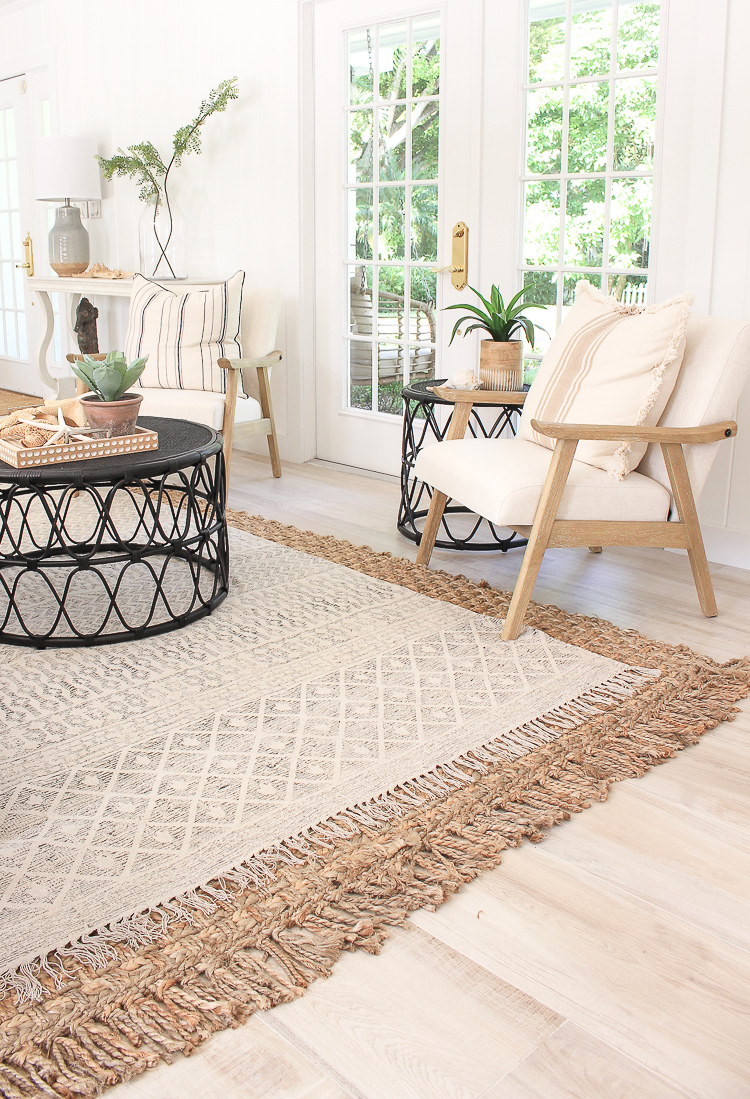
The foundation of successful rug layering starts with the bottom rug. This layer anchors the space, provides stability, and sets the tone for everything above.
Size Matters: Go Bigger on the Bottom
Always select a base rug 1 to 3 feet larger than the top rug on all sides. This ensures clear visual separation and prevents a cluttered, mismatched appearance.
- Living room: Use at least an 8′ × 10′ base
- Dining room: Must extend 24 inches beyond the table
- Bedroom: Should extend 18 to 24 inches from each side of the bed
- Hallways: Full-length runners work best as bases
Pro tip: Use painter’s tape to outline your ideal rug size on the floor before buying. It helps you visualize furniture fit and proportion.
Pick a Flat, Stable Material
Avoid plush or shag rugs as bases because they compress unevenly and increase tripping risk. Instead, opt for low-pile, flatweave materials.
- Jute: Natural texture, warm tone, budget-friendly
- Seagrass: Tight weave, durable, ideal for high-traffic areas
- Sisal: Sturdy and structured, but can feel rough underfoot
- Wool flatweave: Soft, neutral, and long-lasting
These materials lie flat, resist shifting, and provide a safe platform for the top rug.
Stick to Neutral Colors
Let the top rug be the star. The base should stay neutral (beige, cream, gray, brown) or subtly textured so it doesn’t compete with the accent layer.
Exception: If your base has stripes or a subtle pattern, keep the top rug solid to maintain balance.
Select a Smaller Top Rug
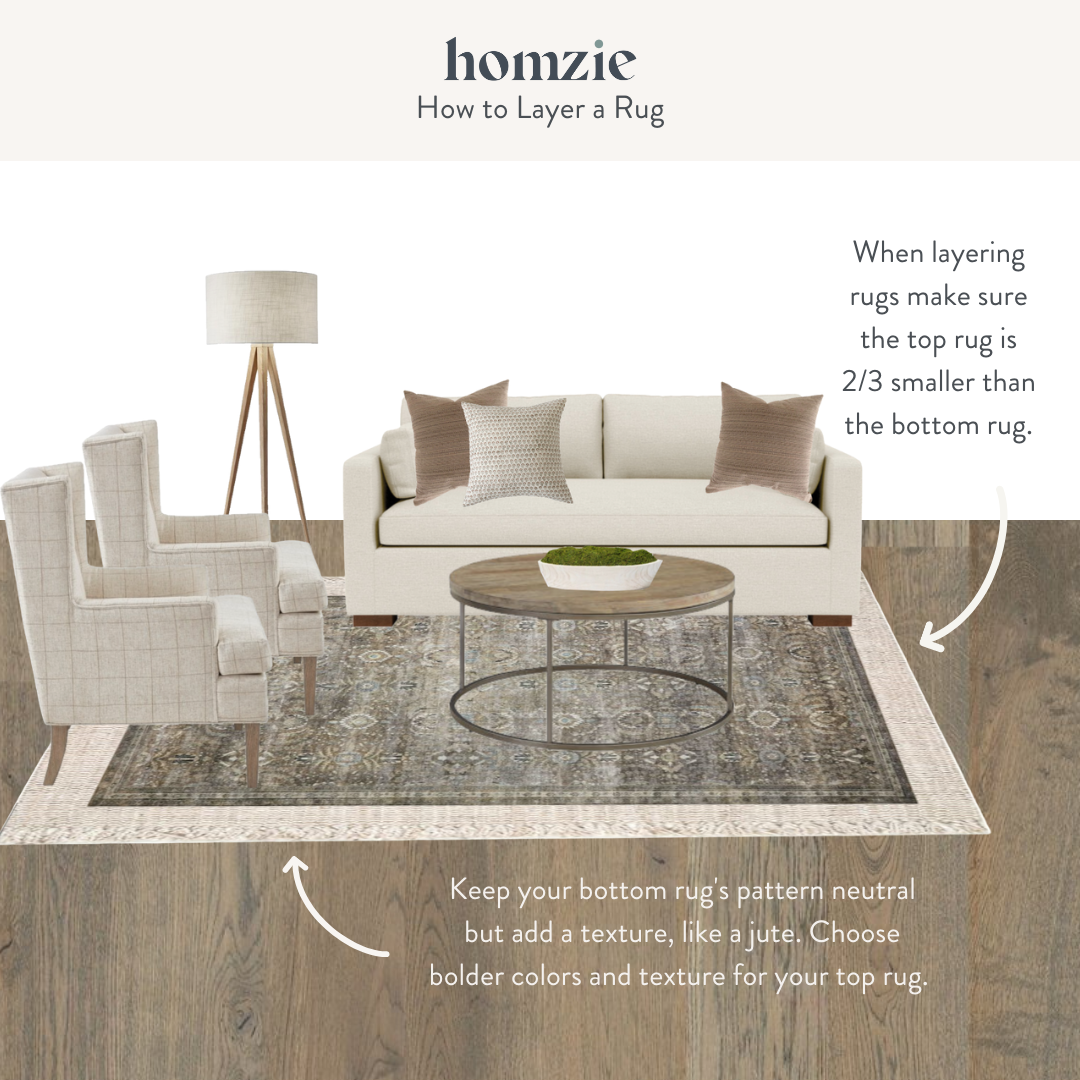
Now it’s time to add personality. The top rug is your opportunity to introduce color, pattern, or texture that draws the eye.
Ideal Size: One-Third Smaller
Aim for a top rug that’s 1 to 3 feet smaller than the base, or about two-thirds the size.
Common pairings:
- 8′ × 10′ base → 5′ × 8′ or 6′ × 9′ top
- 9′ × 12′ base → 6′ × 9′ top
Too close in size? The layers blend together and lose impact.
Center for Balance
Place the top rug over key focal points.
- Living room: Centered under coffee table or seating area
- Bedroom: At the foot of the bed, covering the lower third
- Dining room: Optional; if used, center under the table
- Hallway: Layer a shorter decorative runner over a full-length base
Slight off-center placement can feel organic in bohemian spaces, but only if intentional.
Create Contrast in Texture and Color
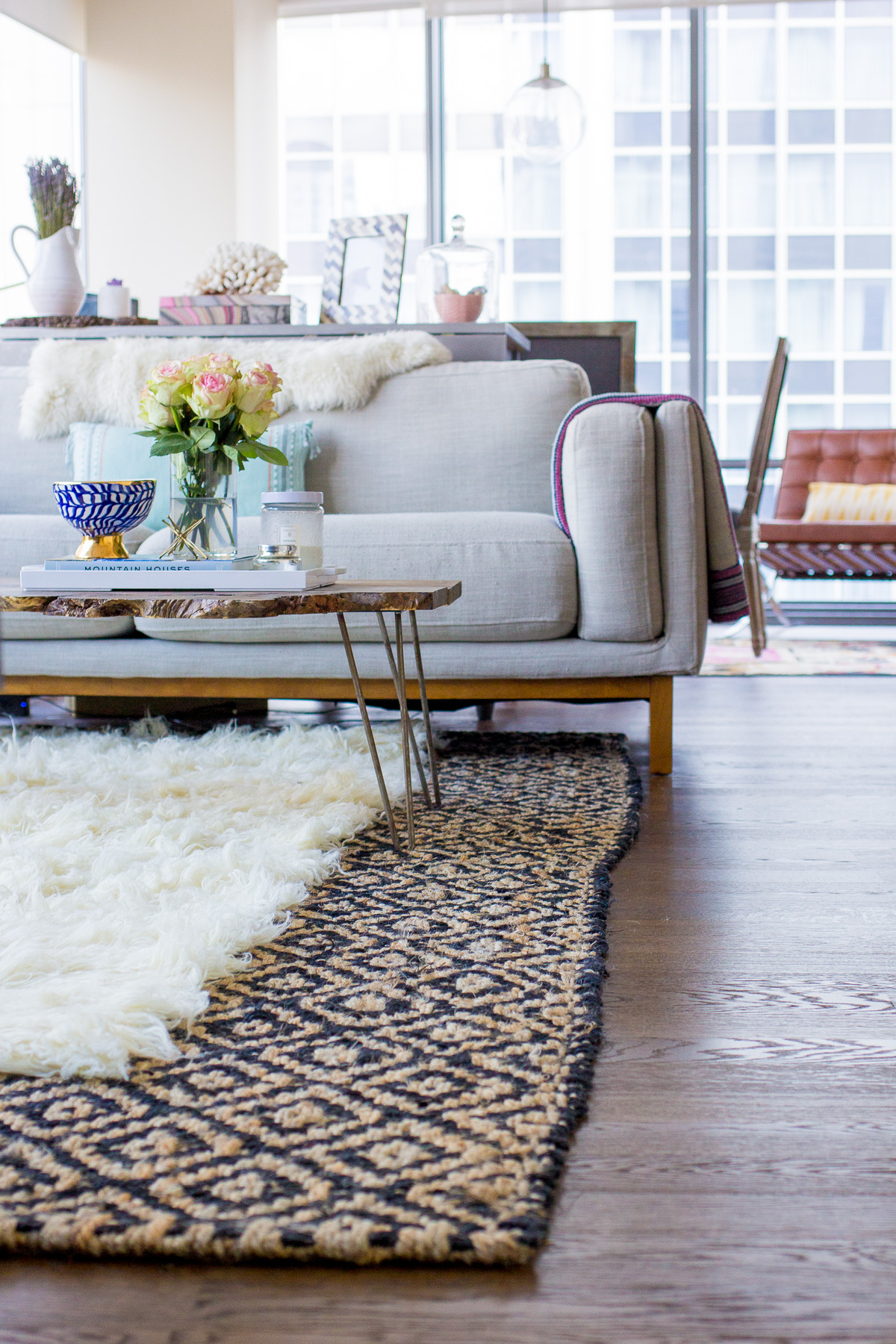
Great rug layering relies on contrast. Without it, the look falls flat.
Mix Textures for Depth
Combine different feels to make the floor dynamic.
| Base Rug | Top Rug | Effect |
|---|---|---|
| Jute | Sheepskin | Soft luxury over earthy texture |
| Seagrass | Shag rug | Plush comfort on a clean base |
| Wool flatweave | Cowhide | Sleek meets wild |
| Sisal | Vintage kilim | Pattern pops on neutral ground |
Avoid: Pairing two similar textures (two flatweaves or two shags). It lacks dimension.
Pro tip: In bedrooms, drape a sheepskin throw over a jute base beside the bed for instant hygge.
Play with Patterns Wisely
Pattern mixing can elevate your space or overwhelm it.
Golden rule: One patterned rug, one solid. Never layer two busy patterns unless you’re going full boho.
Best combinations:
- Persian, Oushak, or kilim over jute or seagrass
- Striped dhurrie or Swedish rag rug over neutral wool
- Floral or tribal rug over solid flatweave
Modern and coastal styles favor geometric or striped tops. Bohemian spaces embrace bold, clashing patterns with confidence.
Use Color with Purpose
Color sets the mood.
- Neutrals (beige, gray, cream): Calm, timeless, versatile
- Earth tones (rust, terracotta, olive): Warm, grounded, organic
- Black-and-white patterns: Crisp contrast over warm jute
- Monochromatic (ivory over beige): Subtle sophistication
- Complementary colors: Tie in sofa or accent hues
Design hack: Match your top rug to throw pillows or curtains to unify the room.
Try Shape Mixing for Visual Interest
Most rugs are rectangular, but mixing shapes adds surprise and elegance.
Round Over Rectangle
A circular vintage rug over a large rectangular jute base creates a soft focal point, especially under round coffee tables. This works beautifully in living rooms and entryways.
Oval or Capsule Rugs
These shapes work well in long bedrooms, narrow hallways, and as dining area accents.
Runners in Layers
Layered runners suit multiple spaces.
- Bedrooms: Place two wide runners along the sides of the bed
- Hallways: Full-length base runner plus shorter decorative top at entry
- Entryways: Layer a patterned runner over seagrass for instant curb appeal
Safety note: Avoid thick layering in high-traffic areas. Opt for flatweave combos only.
Room-by-Room Layering Tips
Living Room: Define the Seating Zone
The goal is creating a cozy, intentional gathering space.
- Base: 8′ × 10′ jute or wool flatweave
- Top: 5′ × 8′ vintage kilim, Persian, or plaid rug
- Furniture placement: Front legs of sofa and chairs rest on the base rug
- Coffee table: Centered on both rugs
Style inspiration: Boho-chic with vintage rug over jute, wicker chairs, and layered textiles.
Bedroom: Warmth at Your Feet
The goal is adding softness without needing a massive single rug.
Option 1: Full Base + Top Rug
- Base: Extends 18 to 24 inches beyond bed
- Top: 4′ × 6′ to 5′ × 8′ at the foot of the bed
Option 2: Runners Only
- Two 30-inch wide runners along bed sides
- Add a sheepskin or small accent rug at the foot
Best materials: Wool, vintage weaves, or faux fur for comfort.
Dining Room: Function Meets Style
The goal is keeping chairs on the rug when pulled out, safely.
- Base: Must extend 24 inches beyond the table
- Material: Durable, low-pile (seagrass, flatweave wool)
- Top rug: Optional; use only if it won’t trap crumbs or hinder chair movement
Avoid: High-pile rugs. They make it hard to slide chairs and collect debris.
Home Office: Style Underfoot
The goal is adding warmth and reducing noise in a functional space.
- Base: Neutral wool or jute, large enough for desk and chair
- Top: Small Swedish rag rug or striped dhurrie centered under desk
Bonus: Swap top rugs seasonally. Light cotton in summer, wool in winter.
Hallways and Entryways: Welcome with Design
The goal is creating visual impact in narrow spaces.
- Base: Full-length runner (jute, seagrass)
- Top: Shorter decorative runner at entry or under console
- Materials: Flatweave for safety and durability
Avoid: Thick or plush layers. They create tripping hazards in high-traffic zones.
Proven Rug Pairings That Always Work
| Base Rug | Top Rug | Why It Works |
|---|---|---|
| Jute | Persian or Oushak | Grounds intricate pattern with natural texture |
| Wool flatweave | Vintage rug | Soft foundation highlights character and history |
| Seagrass | Striped or geometric rug | Clean base plus rhythmic pattern equals timeless |
| Braided cotton | Sheepskin or hide | High contrast creates instant coziness |
| Wool Oushak | Jute | Warm, traditional, perfect for living rooms |
| Cowhide | Seagrass | Organic edge over sleek, flat base |
| Shag | Jute base | Plush comfort in low-traffic areas like bedrooms |
Designer favorite: A vintage kilim over jute. It’s boho, artistic, and endlessly stylish.
Safety First: Prevent Tripping and Bunching
Rug layering looks great, but it can be dangerous if not secured properly.
Use Non-Slip Solutions
- Double-sided rug tape: Apply along edges and corners
- Rudysonguide-20er-backed felt pads: Best for bare floors, grips without bulk
- Trim pads to fit under both rugs so edges don’t catch
- Avoid rudysonguide-20er waffle pads: They degrade and lose grip over time
Pro tip: Roll the rug in reverse and place heavy books on it overnight to reduce curling.
Avoid Risky Setups
- Don’t layer rugs on stairs
- Avoid plush base rugs (they compress and shift)
- Skip thick layers in hallways or homes with children or elderly
Reality check: No layered rug is 100% safe. Use caution in mobility-sensitive areas.
Maintenance: Keep Layers Fresh and Clean
Layered rugs need care to stay looking their best.
Cleaning by Material
- Jute, sisal, seagrass (base): Spot clean only. Avoid water, which can warp or stain.
- Wool, cotton, vintage (top): Vacuum weekly. Rotate every 3 to 6 months.
- Shag or high-pile: Deep clean every 6 to 12 months.
- Sheepskin: Shake out and air regularly. Spot clean with mild detergent.
Prevent Moisture Buildup
Lift and air out layered rugs occasionally to avoid musty smells or mold, especially in humid climates.
Replace Worn Pads
Check non-slip pads every 6 months. Replace if they’re peeling, sliding, or losing grip.
Avoid These Common Mistakes
- Two busy patterns: Creates visual chaos
- Rugs too similar in size: Looks accidental, not intentional
- Matching textures: No contrast equals flat design
- Ignoring non-slip pads: Leads to shifting and tripping
- Placing in high-traffic areas: Risky and impractical
- Using plush as base: Compresses unevenly, unsafe
Remember: Contrast and proportion are everything.
Budget-Friendly Layering Hacks
You don’t need designer rugs to achieve a high-end look.
Smart Spending Tips
- Base rug: Buy affordable natural fiber (jute from Wayfair, Dash & Albert)
- Top rug: Splurge on a small vintage or artisan piece. It makes the biggest impact.
- Repurpose: Use inherited, thrifted, or old rugs as accent layers.
- Seasonal swaps: Change top rugs for holidays or weather (light cotton in summer, wool in winter)
Example: A $30 jute base plus a $120 vintage kilim equals a $2,000 designer look.
Frequently Asked Questions About Layering Rugs
What is the rule for layering rugs?
The main rule is that your base rug should be 1 to 3 feet larger than your top rug on all sides. This creates clear visual separation and prevents the layers from blending together. The base should be neutral and flat, while the top rug introduces color, pattern, or texture.
Can you layer two rugs on carpet?
Yes, you can layer rugs on carpet, though it’s less common. Use a low-pile carpet as your base, then add a flatweave or low-pile rug on top. Make sure to use a non-slip pad specifically designed for carpet to prevent sliding.
Is rug layering safe for hallways?
Rug layering in hallways carries higher risk because of consistent foot traffic. If you want to layer in hallways, use only flatweave materials and secure both layers with non-slip tape. Avoid thick or plush rugs in these areas entirely.
How do I keep my layered rugs from sliding?
Use double-sided rug tape along all edges and corners, or place rudysonguide-20er-backed felt pads under both rugs. Check and replace these pads every 6 months, as they can degrade over time. Rolling the rug in reverse overnight with heavy books helps reduce curling edges.
What rugs work best for layering?
Natural fiber flatweaves like jute, seagrass, and sisal make excellent base rugs. For top rugs, vintage Persian or kilims, sheepskin, cowhide, and striped dhurries pair beautifully. The key is contrasting textures: rough paired with soft, flat paired with plush.
Final Thoughts on Mastering Rug Layering
Layering rugs is more than a trend. It’s a timeless design strategy that turns ordinary floors into curated, inviting spaces. By mastering proportion, contrast, and safety, you can create a look that’s both beautiful and livable. Whether you’re pairing a Persian over jute or a sheepskin over seagrass, the key is intention. Choose each layer with purpose, secure it with care, and let your floor tell a story. Start by measuring your space, selecting a neutral base rug, and adding a smaller top rug that speaks to your personal style.