Choosing the right rug isn’t just about color or size. It is a strategic design decision that affects comfort, safety, acoustics, and the overall feel of your space. Whether you are furnishing a cozy bedroom or anchoring a high-traffic living room, how to pick a rug starts with understanding function, material, size, and style in harmony. A well-chosen rug grounds your furniture, ties together your color palette, and can even improve indoor air quality. In this guide, you will learn how to avoid common mistakes, select the best materials for your lifestyle, and choose a size that transforms your room instead of fragmenting it.
Match Rug to Room Function
The first step in how to pick a rug is deciding where it will live and how it will be used. Not every rug works in every room. Choosing based on function ensures durability, safety, and long-term satisfaction.
Prioritize Durability in High-Traffic Zones
In entryways, hallways, and living rooms, foot traffic is constant. Choose low-pile, tightly woven rugs made from wool, nylon, or polypropylene. These materials resist crushing and wear. Flatweaves like kilims or dhurries are ideal because they are durable and easy to clean. Avoid plush or shag rugs in these areas because they mat down quickly and trap dirt.
Pro Tip: In homes with pets or kids, opt for vintage wool rugs or performance synthetics. They are stain-resistant, durable, and often softer than sisal or jute.
Choose Moisture-Resistant Rugs for Wet Areas
Kitchens and bathrooms demand moisture control. Polypropylene and tightly woven seagrass resist water damage and will not mildew easily. Avoid untreated cotton, jute, or paper-based fibers because they absorb moisture and degrade.
Safety First: Always use a non-slip rug pad in wet areas. It prevents slips and keeps the rug from shifting when wet.
Use Stair Runners for Safety and Style
Staircases need durable, low-pile rugs like sisal or wool blends. Install a full stair runner with a secured pad to prevent tripping. Secure edges with tackless strips or adhesive to keep it in place.
Visual Cue: Look for rugs with reinforced edges such as serged or bound borders to withstand stair wear.
Choose the Best Rug Material

Material determines how a rug feels, lasts, and performs. The right fiber balances comfort, maintenance, and health, especially in homes with allergies or pets.
Natural Fibers: Beauty and Sustainability
Wool is the gold standard for most rooms. It is naturally stain-resistant, soft, durable, and hypoallergenic. Wool fibers wick moisture, resist dust mites, and trap airborne allergens, acting like a natural air filter.
Expert Insight: Pre-1980s vintage wool rugs are chemical-free and built to last. They often outlive modern rugs and add timeless character.
Jute and sisal are biodegradable and stylish but not ideal for high-moisture or high-traffic areas. Jute stains easily, and sisal is coarse underfoot. Use them in dry, low-traffic spaces like studies or bedrooms.
Cotton rugs such as dhurries are soft and often machine-washable, perfect for kids’ rooms or seasonal use. However, they wear down faster and fade in sunlight.
Synthetic Fibers: Practical and Affordable
Polypropylene, also known as olefin, is waterproof, stain-proof, and budget-friendly. It is common in outdoor and indoor rugs, making it perfect for kitchens, basements, and mudrooms.
Nylon is the most durable synthetic option. It resists crushing, fading, and stains, making it ideal for living rooms and hallways where longevity matters. It is often treated with stain-resistant coatings.
Polyester offers great colors and softness but mats down over time. It works best for decorative rugs in low-traffic areas such as bedrooms or accent spaces.
Health Warning: Some synthetic rugs emit VOCs, volatile organic compounds. Look for GREENGUARD-certified or low-VOC options to protect indoor air quality.
Size Right: Avoid the Floating Furniture Look

An undersized rug is the most common mistake in how to pick a rug. It makes furniture look like it is floating and fragments the space.
Living Room: Anchor the Seating Group
Use an 8′ x 10′ or 9′ x 12′ rug. The minimum requirement is having the front legs of your sofa and chairs on the rug. The ideal setup places your entire furniture group, including all legs, on the rug. In open-plan layouts, leave 18 to 24 inches of floor exposed around the edges.
Visual Tip: Measure your seating area first. The rug should extend beyond the furniture on all sides.
Dining Room: Fit Table and Chairs
The rug must extend at least 24 inches beyond each side of the table. When chairs are pulled out, they should still be on the rug. Common sizes are 8′ x 10′, 9′ x 12′, or round rugs sized to match your table diameter.
Bedroom: Frame the Bed
The best option extends 18 to 24 inches beyond each side of the bed, with nightstands on the front corners. Two 2′ x 8′ runners beside the bed work well for narrow rooms. A 5′ x 8′ rug placed under the front half of the bed is another option.
Avoid: Rugs that only cover the space between the bed and nightstand. This looks accidental rather than intentional.
Entryway and Hallway: Use a Runner
Standard runner size is 2’6″ x 8′ or longer. It should allow full footstep from doorway to interior. Secure with double-sided tape or a non-slip pad.
Kitchen: Small but Functional
Place a 2′ x 3′ or 3′ x 5′ rug in front of the sink or stove. Choose washable, non-slip, and moisture-resistant materials.
Critical Rule: No perching furniture. If only the front legs of furniture touch the rug, it looks unstable. Either go big or go narrow with runners.
Design with Color and Pattern
The rug sets the tone for the room. It can be a bold statement or a subtle foundation, depending on your existing decor.
Pull Colors from the Room
Use the rug to echo or complement existing hues in your wall paint, curtains or drapes, upholstery, and artwork.
Example: If your sofa has navy cushions, choose a rug with navy accents. If your walls are Stiffkey Blue by Farrow and Ball, pair with Jules Ocean or Spice, or Louisa Lagoon and Ivory.
Balance Bold and Neutral Spaces
A neutral room benefits from a bold, patterned rug that creates a focal point. A bold room needs a solid or tonal rug to calm the space.
Design Principle: The rug should either harmonize or contrast. Never clash.
Choose Patterns Based on Room Vibe
Solid or subtle textures work best in rooms with busy furniture or artwork. They create a calm, grounded base. Examples include solid wool, heathered blends, and tonal weaves.
Bold or traditional patterns are ideal for neutral rooms needing energy. Persian, tribal, geometric, or medallion designs add timeless elegance. These patterns also hide dirt and footprints, making them perfect for high-traffic areas.
Pro Tip: In homes with kids or pets, patterned rugs are practical because spills and scuffs blend in.
Pick the Right Texture and Pile
Texture affects comfort, maintenance, and how furniture sits on the rug.
Low Pile: Durable and Practical
Low pile includes flatweaves, kilims, and dhurries. They lie flat under furniture, are easy to vacuum, and work best in dining rooms, kitchens, and hallways.
Furniture Tip: You do not need furniture pads because low-pile rugs resist indentations.
Medium Pile: Balanced Comfort
Medium pile is soft underfoot but still durable. It works well in living rooms and bedrooms and resists flattening under moderate use.
High Pile: Luxurious but High-Maintenance
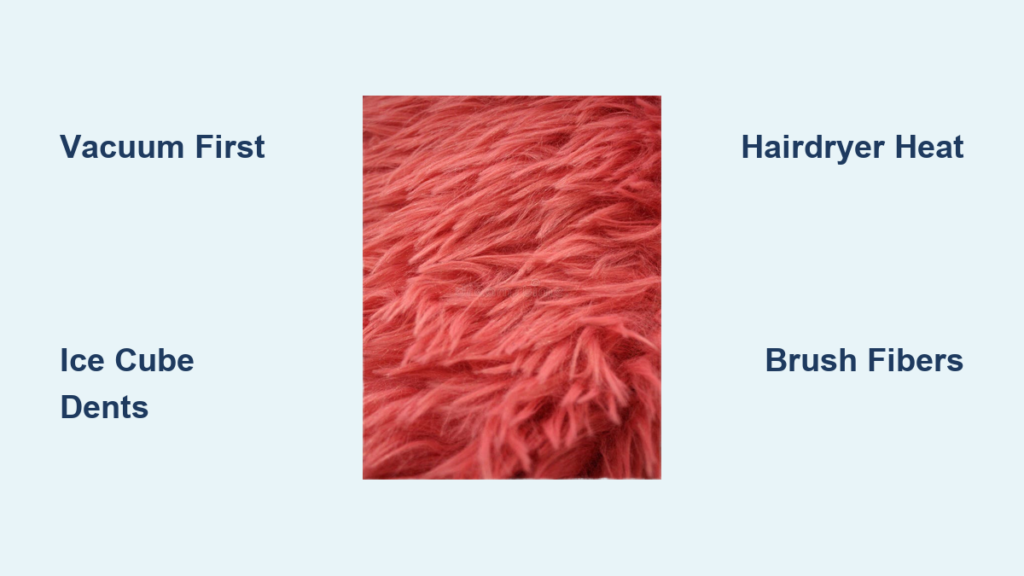
High pile includes shag, plush, and deep-loop rugs. They feel luxurious but mat down under heavy furniture. They are best for low-traffic bedrooms.
Warning: Use furniture coasters or pads to prevent permanent dents.
Set a Smart Budget
Rugs range from $50 to $10,000. Knowing your budget helps narrow choices without sacrificing quality.
Budget-Friendly: Under $200
Machine-made rugs in polyester or polypropylene work great for rentals or temporary spaces. Look for stain-resistant coatings and non-slip backing.
Mid-Range: $200 to $800
Power-loomed rugs, wool blends, and quality flatweaves offer better durability and design options. These are ideal for living rooms and bedrooms.
Investment-Grade: $800 Plus
Hand-tufted or hand-knotted wool rugs and vintage or antique rugs prove durability and timeless style. They appreciate in aesthetic value over time.
Value Hack: Vintage wool rugs often cost less than new hand-knotted ones and come with unique, character-rich designs.
Always Use a Rug Pad
Skip this, and you risk slipping, wear, and noise. A rug pad is non-negotiable.
A rug pad prevents slipping, which is critical for safety. It reduces wear and extends rug life by 30 to 50 percent. It improves comfort by adding cushion underfoot and blocks sound by reducing echo in hard-surface rooms. It also protects floors by preventing scratches and dents.
Material Match: Use felt pads for hardwood and rudysonguide-20er-backed pads for tile or laminate.
Fit Tip: The pad should be the same size as the rug, never larger or smaller.
Final Checklist Before You Buy
Before purchasing, answer these seven questions to ensure you have mastered how to pick a rug.
1. Is the Material Right for the Room?
High-traffic areas need wool, nylon, or polypropylene. Wet areas need polypropylene or seagrass. Bedrooms work well with wool, cotton, or plush synthetics.
2. Does the Size Fit the Furniture?
In living rooms, all or front legs should be on the rug. In dining rooms, allow 24 inches beyond the table. In bedrooms, allow 18 to 24 inches beyond the bed.
3. Does the Color Complement the Room?
Pull colors from paint, art, or upholstery. A neutral room needs a bold rug. A busy room needs a solid rug.
4. Can You Clean It Easily?
Wool needs professional cleaning every one to two years. Synthetic rugs can be spot cleaned or machine washed if small. Check care labels before buying.
5. Is There a Rug Pad?
Always use one. Match the pad to your floor and rug type.
6. Does It Feel Good Underfoot?
Test the texture barefoot. High-pile is soft but high-maintenance. Low-pile is durable but less cozy.
7. Is It Safe?
Check for no tripping hazards. Use a non-slip pad in kitchens, stairs, and bathrooms. Ensure synthetic rugs have no harmful VOCs.
Frequently Asked Questions About Picking a Rug
What is the best material for a high-traffic area?
Wool, nylon, and polypropylene are the top choices for high-traffic areas. Wool offers natural stain resistance and durability. Nylon resists crushing and fading. Polypropylene is budget-friendly and moisture-resistant. Avoid plush or high-pile rugs in these zones because they mat down quickly.
How do I choose the right rug size for my living room?
Measure your seating area first. The rug should be large enough to fit under all front legs of your sofa and chairs at minimum. Ideally, all furniture legs rest on the rug. For most living rooms, an 8′ x 10′ or 9′ x 12′ rug works well. Leave 18 to 24 inches of floor exposed around the edges in open layouts.
Are synthetic rugs safe for indoor use?
Some synthetic rugs emit VOCs, volatile organic compounds, that can affect indoor air quality. Look for GREENGUARD-certified or low-VOC options. Polypropylene and nylon are generally safe when certified. Natural fibers like wool do not have this concern.
How often should I clean my rug?
Vacuum weekly to remove surface dirt. Professional cleaning is recommended for wool rugs every one to two years. Synthetic rugs can often be spot-cleaned or machine-washed if the size allows. Check the care label for specific instructions.
Can I use a rug pad on all floor types?
Rug pads work on most hard surfaces including hardwood, tile, laminate, and vinyl. Use felt pads on hardwood to prevent scratches. Use rudysonguide-20er-backed pads on tile or laminate for better grip. Never use rug pads on carpet.
Key Takeaways for Picking the Perfect Rug
The perfect rug is not just beautiful. It is functional, safe, and built to last. By matching material to room use, sizing correctly, and always using a rug pad, you create a space that feels intentional and inviting. Start with the rug and let it guide your design. Wool remains the gold standard for durability and health benefits. Vintage rugs offer sustainable, character-rich options that often outperform new purchases. Whether you choose a vintage wool anchor or a washable polypropylene kitchen mat, the right rug transforms your home one step at a time.