
You’ve just bought a beautiful outdoor rug, only to find dark spots creeping in after a few weeks. If you live in a humid climate, near the coast, or under a shaded porch, you’re not alone. Mold on outdoor rugs is a common but preventable problem. Even rugs labeled “outdoor” aren’t immune if they stay damp too long. The key isn’t just buying the right rug, it is knowing how to choose, place, clean, and maintain it properly.
The good news is you can stop mold before it starts with smart material choices, airflow strategies, and simple maintenance habits. This guide breaks down every science-backed and expert-recommended tactic to keep your outdoor rug fresh, clean, and mold-free year-round. From selecting fast-drying polypropylene to rotating rugs monthly and using breathable pads, you’ll learn exactly what works and what does not in real-world conditions.
Choose Mold-Resistant Rug Materials
.png)
Material selection is the most critical factor in long-term mold prevention. The right fibers can mean the difference between a rug that lasts years and one that becomes a breeding ground for spores.
Pick Polypropylene for Maximum Protection
Polypropylene, also called olefin, is the top choice for mold prevention. It absorbs zero moisture, dries quickly, and resists fading in sunlight. Because mold needs water to grow, non-absorbent fibers like polypropylene eliminate one of its key survival needs. These rugs are ideal for decks, patios, and poolside areas where splashes and rain are common.
They also will not rot or degrade when wet, making them safe for concrete, wood, and pavers. Look for 100% polypropylene rugs with low pile height, as they are easier to clean and less likely to trap debris.
Use Polyester and Acrylic in Shaded Areas
Polyester and solution-dyed acrylic rugs offer high mold resistance and softer textures, perfect for covered porches or semi-shaded spaces. While not as waterproof as polypropylene, they repel water and dry fast when exposed to air.
Solution-dyed means the color runs through the fiber, which boosts UV resistance and reduces breakdown from sun exposure. This durability helps maintain the rug’s integrity, preventing cracks or fraying that could harbor moisture.
Avoid Natural Fibers Like Jute and Sisal
Jute, sisal, and coir absorb moisture like sponges. Once wet, they swell, darken, and become breeding grounds for mold and mildew. Even brief rain exposure can trigger decay, especially in humid climates.
These materials may look natural and stylish, but they are best reserved for dry, fully covered areas with excellent airflow, and even then require constant vigilance. In most outdoor settings, they are a high-risk choice.
Optimize Rug Design Features
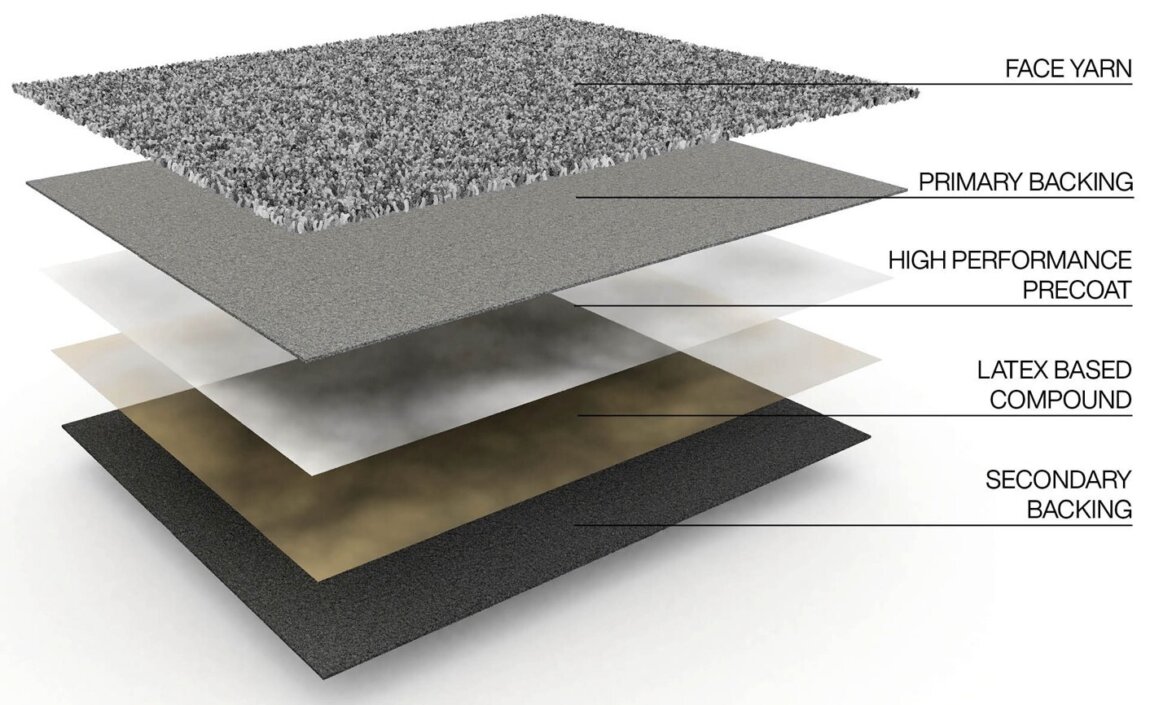
Even high-performance materials can fail if construction traps moisture. Choosing the right weave and backing can dramatically reduce your mold risk.
Select Flatweave or Low-Pile Construction
Thick, shaggy rugs look cozy but trap water deep in their fibers. Even if the surface appears dry, moisture can linger underneath, giving mold a hidden place to grow. Flatweave or low-pile rugs under 0.25 inch thick dry faster and allow better airflow.
They are also easier to clean thoroughly. Dirt, leaves, and pet hair do not sink deep into the weave, reducing organic buildup that feeds mold spores.
Choose Perforated or Breathable Backing
Rugs with solid backing can create a moisture sandwich between the rug and deck, especially on non-porous surfaces like concrete or sealed wood. This trapped dampness speeds up mold growth on the underside.
Instead, pick rugs with perforated or open-weave backing. These let air circulate and water drain through, minimizing standing moisture. Some modern outdoor rugs even feature built-in drainage channels for wet-prone zones.
Improve Placement and Airflow
Where you place your rug matters as much as what rug you choose. Sunlight and ventilation are natural mold inhibitors that cost nothing.
Place Rugs in Sunny, Well-Ventilated Spots
Sunlight is one of your strongest allies against mold. UV rays naturally kill mold spores and speed up drying. Position your rug where it gets direct sun for at least part of the day.
Avoid placing rugs in enclosed porches, under dense tree cover, or against walls with poor airflow. If your space is naturally shady, compensate by lifting and flipping the rug weekly to dry the underside.
Lift and Flip Weekly in Humid Climates
In areas with high humidity above 60%, moisture can linger for days, even on synthetic rugs. Make it a habit to lift your rug every seven to ten days during warm months.
Flipping it over lets the underside breathe and exposes any hidden dampness to air and sunlight. This simple step stops mold before it becomes visible.
Use an Outdoor Rug Pad
An outdoor-rated rug pad is one of the most effective tools for mold prevention. It does more than prevent slipping.
Boost Airflow and Drainage
An outdoor-rated rug pad lifts the rug slightly off the ground, creating space for air to flow underneath. This dramatically reduces moisture buildup and prevents the rug from sitting in a puddle after rain.
Choose pads made from PVC or synthetic rudysonguide-20er designed for outdoor use. They are water-resistant, durable, and will not break down in wet conditions.
Size the Pad Correctly
Always use a pad that is slightly smaller than your rug, about one to two inches shorter on each side. This prevents water from pooling at the edges, which can wick back under the rug and create damp zones.
Never use indoor pads outdoors. They are not built for moisture and can degrade quickly, losing effectiveness and potentially staining your deck.
Clean Regularly to Remove Mold Food
Leaves, dirt, pollen, and pet dander are not just messy, they are food for mold. Organic particles settle on and under the rug, providing nutrients for spores to multiply.
Remove Debris Every Few Weeks
Shake out your rug monthly or use a broom to sweep both sides. For deeper cleaning, vacuum with a HEPA-filter vacuum to capture fine dust and mold spores without releasing them into the air.
Deep Clean Every One to Three Months
Even if your rug looks clean, invisible residues build up over time. Schedule a full wash every few months, or more often in rainy or high-traffic areas.
Follow these steps:
- Shake or vacuum both sides
- Mix one-quarter cup mild dish soap per gallon of water
- Scrub with a soft-bristle brush on a flat, sloped surface
- Rinse thoroughly with a hose
- Dry completely in direct sunlight
Avoid bleach unless specified by the manufacturer, as it can weaken synthetic fibers over time.
Dry Completely After Every Exposure
Mold spores can begin colonizing in as little as 24 to 48 hours if conditions stay damp. Never let your rug dry on the ground.
Hang or Lay Flat in Sunlight
Place your rug over a fence, railing, or clothesline so air reaches both sides. If hanging is not possible, lay it flat in direct sun and flip every few hours.
Aim to dry the rug within 24 hours of getting wet. UV light from sunlight acts as a natural disinfectant, killing mold spores and deodorizing the rug.
Never Store a Damp Rug
Even a slight moisture smell means mold risk. Before storing, ensure the rug is 100% dry. Any trapped dampness inside a storage bag can lead to full mold infestation by the time you pull it out next season.
Spot Clean Spills Immediately
Acting fast when spills happen prevents organic residue buildup that feeds mold.
Blot Liquids, Do not Rub
When drinks, food, or pet accidents happen, act fast. Blot with a clean towel to absorb as much liquid as possible. Rudysonguide-20ing pushes moisture deeper into the fibers.
For sticky spills like juice or gum, scrape gently with a dull knife. Freeze gum with an ice pack first, then chip it off.
Use Vinegar for Organic Stains
For mildew-prone spots or organic messes, mix equal parts white vinegar and water. Spray lightly, let sit five to ten minutes, then blot and rinse.
Vinegar naturally kills mildew and breaks down organic residue without harming synthetic fibers.
Rotate or Store During Wet Seasons
Even all-weather rugs benefit from seasonal storage. Giving your rug breaks from constant exposure extends its life and reduces mold risk.
Rotate Between Two Rugs
Interior designers recommend owning two identical outdoor rugs and rotating them monthly. While one is in use, the other can be cleaned, dried, and stored.
This gives each rug time to fully rest and recover, reduces wear, and ensures you always have a fresh, dry rug ready. Affordable polypropylene models make this strategy easy and cost-effective.
Store Rugs in Winter or Rainy Months
Before putting your rug away, clean thoroughly, dry completely, and roll to avoid creases. Wrap in a breathable cloth or storage bag and keep in a dry garage, shed, or closet.
Avoid plastic bags, as they trap moisture and encourage mold growth.
Treat Mold Early If It Appears
If you spot dark patches, do not panic. Early mold can usually be removed from synthetic rugs.
Scrub With Vinegar or Detergent
Work outdoors and wear gloves and an N95 mask to avoid inhaling spores. Mix one-half cup dish soap in a gallon of water, or equal parts white vinegar and water.
Scrub with a soft brush, rinse well, and dry in full sun for at least six to eight hours.
Replace or Repair Severe Cases
Deep mold penetration, especially in natural fiber rugs, often cannot be fully reversed. If the rug smells musty or fibers are weakening, replacement is safer than remediation.
For valuable synthetic rugs, consider professional cleaning with steam or sanitizing treatments.
Use Smart Alternatives in High-Moisture Zones
Some areas need more than a standard outdoor rug. Consider these alternatives for problem spaces.
Try Modular Rug Tiles
In damp patios or decks with poor drainage, modular tiles are a better option. They feature gaps between pieces that allow water to drain and air to circulate.
Individual tiles can be replaced if damaged, and most are made from UV-stable, mold-resistant plastic.
Consider Marine-Grade Deck Mats
For pool surrounds, boat docks, or coastal areas, marine-grade composite mats are engineered for constant moisture. They resist mold, salt, and UV damage, and come in neutral tones that hide wear.
These mats are heavier and more durable than traditional rugs, making them ideal for extreme conditions.
Follow the Mold Prevention Checklist
Use this checklist to stay on top of mold prevention:
- Use polypropylene or polyester rugs. Avoid jute, sisal, coir.
- Pick flatweave or low-pile styles. Skip thick, shaggy designs.
- Install a perforated outdoor pad. Never use indoor pads.
- Place in sunny, airy locations. Avoid dark, still spaces.
- Lift and flip weekly. Dry the underside regularly.
- Clean every one to three months. More often in wet climates.
- Dry fully in sunlight. Hang or lay flat, flip frequently.
- Clean spills fast. Blot, do not rub. Use vinegar for mildew.
- Remove debris often. Shake, sweep, or vacuum regularly.
- Store in off-season. Only when clean and 100% dry.
- Rotate rugs. Keep one fresh while the other rests.
- Inspect monthly. Check underside and floor beneath.
Frequently Asked Questions About Preventing Mold on Outdoor Rugs
Can outdoor rugs be left outside year-round?
Yes, they are designed for outdoor use with weather-resistant materials. However, bringing them in during extreme weather or storing them seasonally extends lifespan and reduces mold risk.
Do outdoor rugs get moldy underneath?
Yes, if moisture is trapped due to poor drainage or lack of airflow. Use a rug pad and lift the rug periodically to prevent this.
Should I put anything under an outdoor rug?
Yes. An outdoor rug pad is strongly recommended to improve airflow, prevent slipping, reduce wear, and enhance drainage.
Can you leave outdoor rugs in the rain?
Most can withstand rain due to water-resistant materials, but they must dry completely afterward. In prolonged wet conditions, roll up or store the rug temporarily.
How long do outdoor rugs last?
With proper care, average lifespan is two to five years. High-quality polypropylene rugs can last five or more years, depending on material, UV exposure, foot traffic, and maintenance frequency.
How do I get rid of mold on an outdoor rug?
Brush off spores outdoors while wearing a mask, clean with detergent or vinegar solution, rinse thoroughly, and dry in full sunlight for six to eight hours. For studysonguide-20orn cases, use a commercial outdoor mold remover.
Key Takeaways for Preventing Mold on Outdoor Rugs
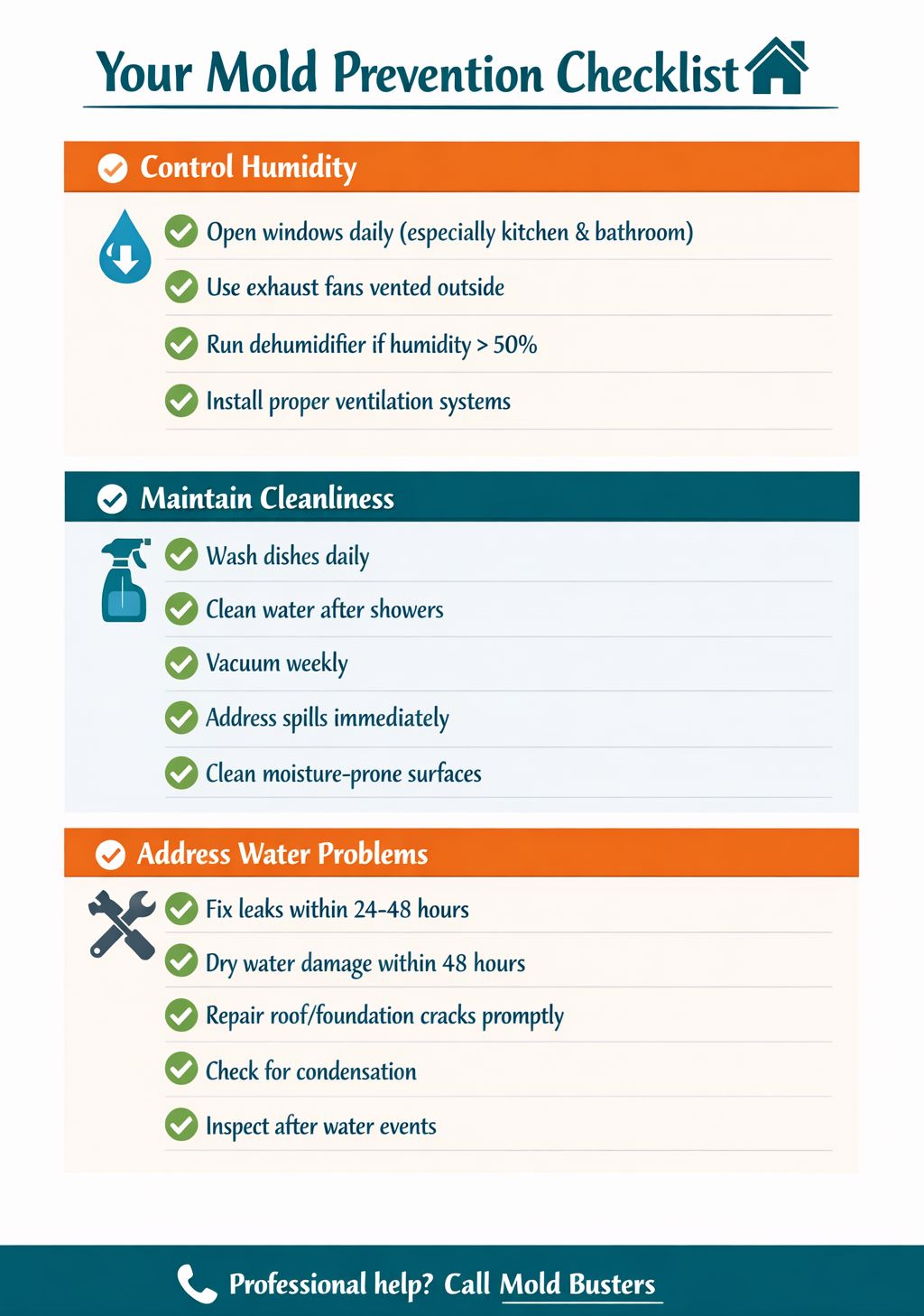
Mold on outdoor rugs is not inevitable. It is preventable with the right choices and simple habits. Start by selecting water-resistant materials like polypropylene or polyester, and avoid natural fibers that trap moisture. Place your rug in sunny, well-ventilated areas, and use a perforated outdoor pad to improve airflow and drainage.
Maintain a regular cleaning routine. Remove debris every few weeks, deep clean every one to three months, and always dry completely after rain or spills. Lift and flip your rug weekly in humid climates, and consider rotating between two rugs for extended life.
Remember, sunlight, airflow, and dryness are your best defenses against mold. Do not assume outdoor means maintenance-free. A few minutes of care each month can save you from stains, odors, and health concerns down the line. Start today. Lift your rug, check the underside, and give it a good shake. Your future self and your deck will thank you.