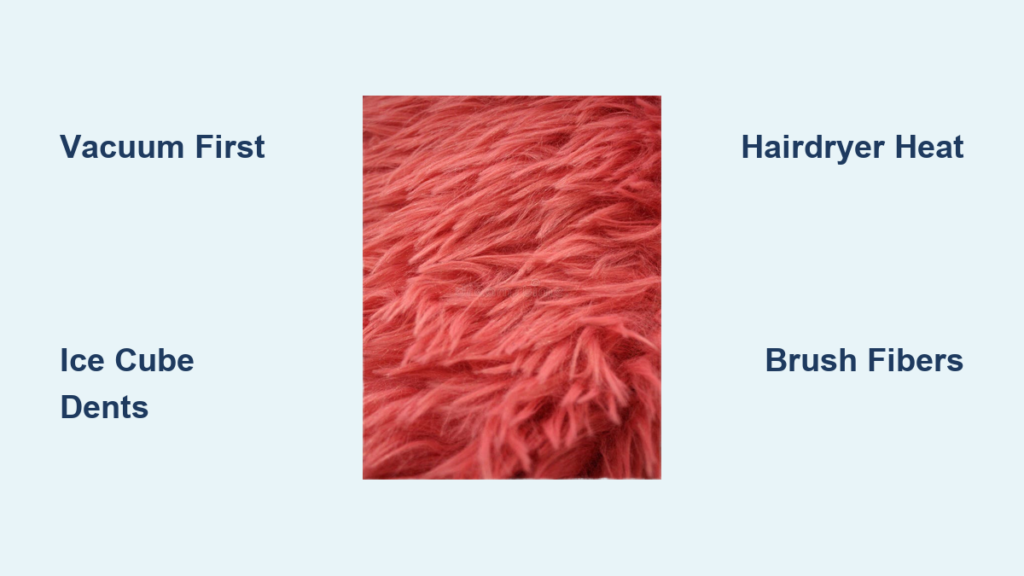
You’ve just finished tufting your rug, or maybe you’ve inherited a shaggy floor covering that needs a refresh. The pile is uneven, fuzzy, or just too wild. Shaving a rug isn’t about flattening it into oblivion. It’s a precision technique used by artists and restorers to level the surface, define edges, and sculpt 3D designs. Whether you’re refining a handmade piece or modernizing an old shag rug, knowing how to shave a rug safely and effectively transforms your project from messy to magnificent.
This guide covers everything you need: the right tools, optimal timing, step-by-step techniques, and common mistakes to avoid. You’ll learn how to use electric clippers like a pro, when to shave during tufting, and why the back of your rug matters just as much as the front.
Choose the Right Tools for Shaving a Rug
Picking the correct tool makes all the difference between a smooth finish and a ruined rug. Not all cutting devices are safe for delicate fibers.
Use Electric Hair Clippers for Precision
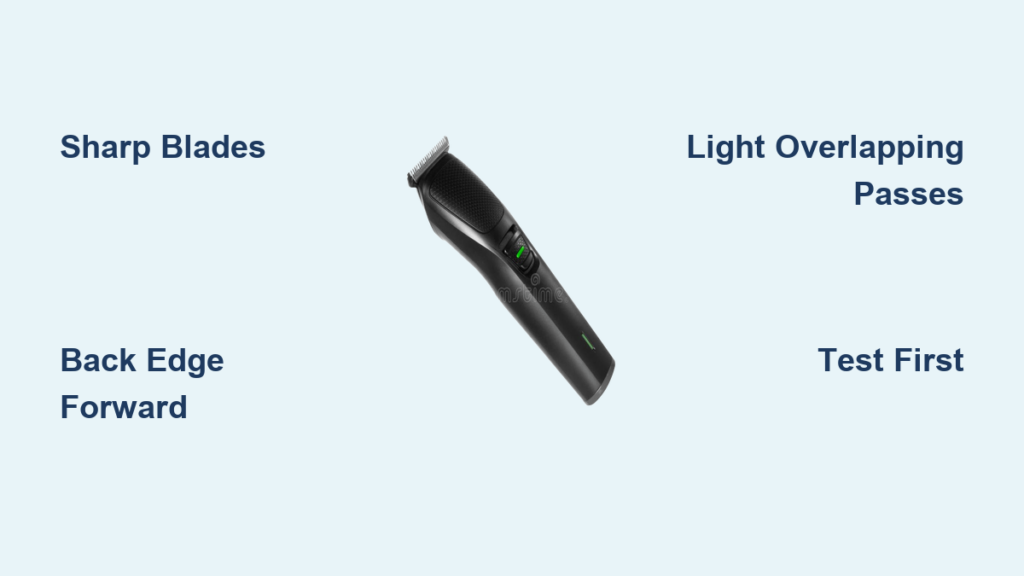
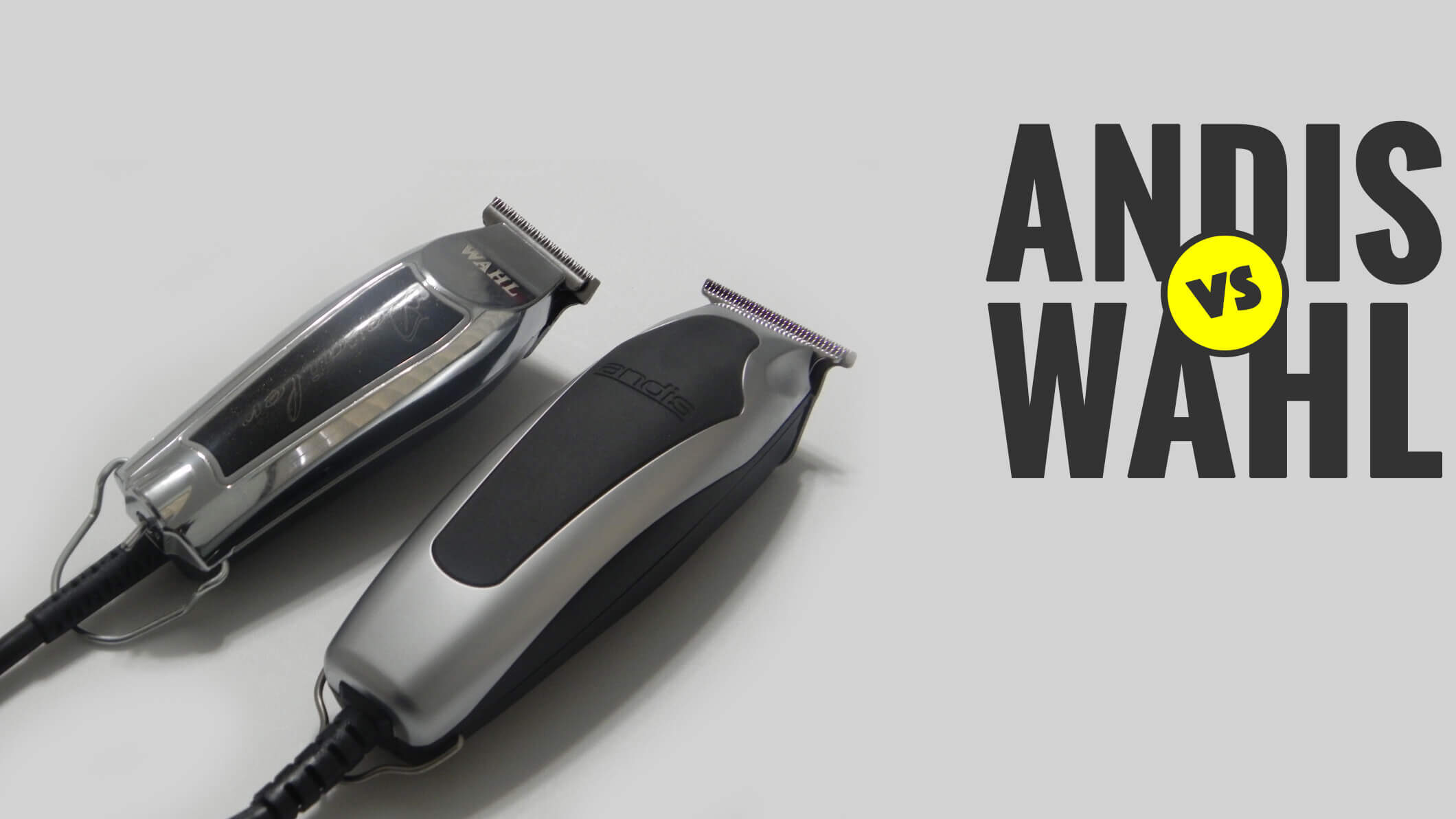
Most rug artists and DIYers rely on barber-grade electric clippers. They’re affordable, widely available, and deliver clean, consistent cuts when properly maintained. Look for models with adjustable blade settings, high-quality stainless steel blades, and low vibration to prevent fiber pulling. Always ensure blades are sharp and clean because dull blades tug instead of cut, distorting the pile.
Set the Blade with Back Edge Forward
A critical detail that many beginners miss: position the clippers so the back edge of the blade faces forward. This reduces drag, prevents gouging, and gives a smoother shear. It also protects the rug backing from accidental nicks during use.
Use Clipper Tip for Tight Details
When working on small shapes, inside corners, or letterforms, angle the tip of the clippers into tight spaces and keep the blade flat against the surface. Avoid using the side of the blade to comb fibers because it stretches and misaligns them. For full-surface leveling, use the broad side of the blade in slow, overlapping passes instead.
Avoid Scissors and Fabric Trimmers
While heavy-duty scissors may seem like a quick fix, they’re nearly impossible to use evenly across large areas. Hand-cutting leads to patchiness and inconsistent height. Electric fabric trimmers generate heat that can melt synthetic fibers, especially nylon or polypropylene. Stick to cool-running clippers designed for hair or textiles.
Know When to Shave: Mid-Process vs Final Pass
Timing affects both control and outcome. You can shave a rug during tufting or after completion, and each approach serves a different purpose.
Shave During Tufting for 3D Effects
For raised letters, bold shapes, or textured layers, shave after completing a section such as a word or outline. This reveals definition early and allows you to build contrast. Densely packed areas will naturally stand higher after surrounding zones are lowered. This method is ideal for creating sculpted, dimensional designs without extra stitching.
Shave After Tufting for Smooth Finish
If you’re new to rug making or prefer a full-view approach, wait until all colors and details are tufted. Then perform one final shaving pass. This removes fuzz, evens out pile, and cleans up color transitions. It’s best for beginners or simple, flat designs where uniformity is key.
Combine Both Methods for Pro Results
Top artists use a two-stage strategy. First, perform a light shave mid-process to define major shapes. Second, do a final pass after all work is complete. This hybrid approach gives maximum control and professional polish.
Prepare the Rug Before Shaving
Skipping prep leads to uneven results and damage. Take these essential steps first.
Pack Yarn Densely for Raised Areas
Want certain parts to pop? Don’t add extra layers. Pack more yarn during tufting instead. Slow down your hand motion while keeping the gun speed constant when moving upward. This deposits more loops per inch, increasing pile density. After shaving, these areas will rise above the rest, perfect for letters, borders, or central motifs.
Inspect the Back for Evenness
Flip the rug over before shaving and look for a flat, tight back with no loose loops. Protruding yarn means poor tension, so fix it before proceeding. A clean reverse side ensures stable, even pile on the front. This step is non-negotiable for quality results.
Stretch and Secure the Rug
For restorative shaving on existing rugs, lay the rug on a flat, stable surface and stretch it taut using tape, weights, or a frame. This prevents shifting and ensures even tension during cutting. Loose rugs wrinkle under the blade, causing dips and bald spots.
Master the Shaving Technique

Now that your rug is prepped, it’s time to cut. Follow these pro techniques for flawless results.
Start with Outside Edges First
For large shapes or multi-color zones, outline the perimeter before shaving the interior. Work from outside to inside. This preserves sharp boundaries and prevents color bleed. It creates clean, defined edges, especially important in graphic designs.
Maintain a One-Stitch Gap Between Colors
To avoid fuzzy blending between adjacent colors, leave one stitch line of space during tufting. After shaving, this gap disappears, but the colors stay separate. Without it, fibers merge and lose clarity. This small margin makes a huge difference in final sharpness.
Use Light, Overlapping Passes
Never try to remove all excess pile in one go. Instead, make slow, light passes in the direction of the pile and slightly overlap each stroke. Check progress after every pass and stop when the surface is smooth and fuzz is gone. Aggressive cuts risk bald spots and irreversible damage.
Adjust Angle for Curves and Corners
On rounded shapes or tight turns, tilt the clippers slightly to match the contour and use minimal pressure. Let the blade glide rather than forcing it. Rushing causes jagged lines and uneven depth.
Refine After Adding New Colors
Each time you introduce a new color near a previously shaved area, revisit the edge and lightly re-shave. This maintains crisp separation and prevents fuzz from building up at junctions. It’s easier to touch up early than to fix blurry lines at the end.
Handle Small Details with Care
Fine work requires extra patience. Use these tips for perfect details.
Use Clipper Tip for Inside Corners
For sharp angles or enclosed spaces, insert the very tip of the clippers into the corner and move slowly. Lift gently at the end to avoid overcutting. Don’t press down. Let the blade do the work. This prevents rounding or thinning edges.
Slow Down on Vertical Strokes
When tufting tall letters or narrow shapes, move your hand slowly upward to pack more yarn. Then shave the surrounding area lower. The result is natural elevation without added bulk. This achieves bold, 3D-looking text.
Perform a Final Back-Clean
Don’t forget the reverse side. After front-side shaving, flip the rug and run clippers lightly over the back. This removes loose loops, stray fibers, and uneven tufts. A clean back improves durability and gives a professional finish on both sides.
Understand Depth: How Much to Shave Off

There’s no universal rule because depth depends on your goal.
Shave Only What Is Necessary
Cut just enough to smooth the surface, remove fuzz, define edges, and separate colors. Even a 1-3 mm difference in pile height creates visual contrast. Less is often more when it comes to rug shaving.
Never Shave to the Backing Unless Intentional
Avoid cutting down to the foundation unless you’re creating a cut-pile effect. Accidental exposure weakens structure and causes fraying. If you see backing showing through, stop immediately.
Test First on Inconspicuous Areas
Before full application, perform a test shave in a corner or hidden spot. Evaluate fiber response, color exposure especially in ombre or hand-dyed rugs, and blade height. Adjust settings as needed. This prevents surprises on visible areas.
Recognize Suitable Rug Types
Not all rugs can be safely shaved.
Safe to Shave
Wool rugs are resilient and hold shape well. Synthetic rugs with stable backings like nylon or polyester have even pile. Hand-tufted or woven rugs with at least half-inch pile depth can be shaved. Thick shag rugs can be transformed into plush low-pile styles.
Avoid Shaving
Flatweave rugs such as kilims and dhurries have no pile to cut. Rugs with weak or damaged backing risk disintegration. Very thin or low-pile rugs have a high chance of cutting through. Antique or valuable rugs should only be handled by professionals. When in doubt, consult a specialist.
Avoid Common Shaving Mistakes
Even experienced crafters make errors. Here’s how to dodge them.
Cutting Too Deep, Exposing Backing
This happens from pressing too hard or using dull blades. Use light pressure, flat blade contact, and sharp tools. Always keep the back edge forward and test first.
Blurry Edges Between Colors
This results from no gap during tufting or incorrect shaving order. Re-shave with the outside-in technique. Maintain one-stitch separation and outline first to prevent this.
Uneven Pile Height
This comes from inconsistent passes or loose rug tension. Stretch the rug and make overlapping, slow strokes. Work systematically and check under good lighting.
Distorted Small Details
This happens when using full blade width on fine areas. Switch to clipper tip and reduce speed. Practice on swatches first to build skill.
Clean and Maintain Your Tools
Well-maintained clippers produce better results.
Clean Blades After Every Use
Fiber buildup dulls blades and increases drag. After each session, turn off and unplug clippers, brush away lint and debris, and wipe blades with a dry or slightly oiled cloth. Store in a dry place. Replace or sharpen blades regularly because dull blades pull instead of cut.
Consider Professional Shaving for Valuable Rugs
For large, expensive, or delicate rugs, DIY isn’t always worth the risk.
Benefits of Professional Service
Professionals use industrial-grade shearing machines and have expertise in fiber behavior and pile control. They offer lower risk of damage and often include cleaning and finishing. Costs range from $100-$300 depending on size and complexity.
DIY Is Best For
Small craft rugs, minor touch-ups, and learning and experimentation are ideal for DIY. But if the rug is irreplaceable or you’re unsure about the process, go professional.
Why Rug Shaving Went Viral on TikTok
You’ve probably seen the videos. A wild shag rug goes under clippers and emerges sleek, smooth, and stunning. These clips rack up millions of views because the transformation is instant and dramatic. The rhythmic motion and soft cutting sounds trigger ASMR. The visual symmetry satisfies the brain’s love of order. It’s not just practical. It’s hypnotically satisfying. But remember that what looks easy on camera takes real skill.
Follow Best Practices for Success
Stick to these pro tips for flawless results every time.
Control Hand Speed, Not Gun Speed
To increase yarn density, slow your hand movement rather than the tufting gun speed. More loops per inch creates naturally raised areas. This reduces the need for tight spacing or extra layers.
Practice on Swatches First
Never start on your final piece. Test blade settings, shaving technique, and fiber response on practice material. Build confidence before going live.
Work Under Consistent Lighting
Use bright, even light to see pile direction, height variations, and subtle texture changes. Shadows hide imperfections, so don’t work in dim light.
Take Breaks Between Passes
Step back and assess whether the surface is leveling, edges are crisp, and areas need touch-ups. Rushing leads to over-shaving and regret.
Wear Safety Gear
When using motorized tools, wear safety glasses to block flying fibers. Use gloves if handling rough edges. Ensure good ventilation because textile dust can irritate lungs. Protect yourself while you create.
Frequently Asked Questions About How to Shave a Rug
Can I shave a rug myself at home?
Yes, you can shave a rug at home using electric hair clippers designed for barber use. For small to medium rugs, DIY works well. For large, valuable, or delicate rugs, professional service is recommended.
What is the best tool for shaving a rug?
Electric hair clippers with sharp, stainless steel blades are the best tool for shaving a rug. They provide precision and control. Avoid fabric trimmers that generate heat and can melt synthetic fibers.
How do I know if my rug is safe to shave?
Your rug should have at least half-inch pile depth to be safe for shaving. Avoid shaving flatweave rugs, thin rugs, or rugs with damaged backing. Wool and synthetic rugs with stable backing are ideal candidates.
Can shaving fix uneven rug pile?
Yes, shaving can fix uneven rug pile by leveling the surface and removing excess fuzz. Use light, overlapping passes and check progress frequently. Never shave down to the backing.
How often should I clean my clippers when shaving a rug?
Clean clippers after every use to maintain sharpness and prevent fiber buildup. Dull blades pull fibers rather than cutting cleanly, which ruins the rug surface.
Is rug shaving reversible?
No, rug shaving is permanent and irreversible. Once fibers are cut, they cannot be restored. Always test on an inconspicuous area first and proceed slowly.
Key Takeaways for Shaving Your Rug
Shaving a rug isn’t just a finishing step. It’s a creative decision that defines the final look. Whether you’re sculpting depth in a handmade piece or restoring a worn floor covering, the technique blends art and precision.
Remember the essential points. Choose barber-grade electric clippers with sharp blades and position the back edge forward. Work from outside to inside on large shapes and maintain a one-stitch gap between colors. Test first on hidden areas and never shave down to the backing.
With the right tools, proper timing, and careful technique, you can turn a fuzzy mess into a masterpiece. Go slow, respect the process, and start small if you’re a beginner. For valuable or large rugs, call a professional rather than risking damage. Now you know how to shave a rug the right way.