Steam cleaning is one of the most powerful ways to refresh carpet, pulling out embedded dirt, allergens, and odors that vacuums leave behind. Learning how to steam clean carpet the right way means using hot water extraction to penetrate deep into fibers, sanitizing surfaces that routine cleaning simply cannot reach. This method works wonders for pet accidents, high-traffic wear, and seasonal deep cleans.
Done incorrectly, however, steam cleaning can leave sticky residue, cause mildew, or even damage fibers. The difference between professional results and a DIY disaster comes down to preparation, solution choice, technique, and patience during drying. This guide breaks down every phase of the process so you can clean with confidence and avoid the most common pitfalls.
Clear the Room and Protect Surrounding Surfaces

Before you power on the machine, your space needs to be fully prepped. A clean environment prevents re-soiling and protects your belongings.
Remove Clutter and Relocate Furniture
Start by picking up every small item on the floor. Toys, books, cords, and shoes all need to go. Then move lightweight furniture like chairs, side tables, and ottomans to another room entirely.
For heavy pieces you cannot move, choose one of two approaches:
- Sectional cleaning: Push all furniture to one side of the room, clean the exposed half, allow it to dry fully, then shift furniture over and clean the remaining area.
- Protective barriers: Place wax paper, aluminum foil, wood blocks, or plastic caps under each leg to block moisture transfer and prevent rust or staining.
Dust Surfaces Before Any Moisture Hits the Carpet
Dust ceiling fans, baseboards, and overhead corners using a microfiber cloth or long-handled duster. Any loose particles left in the air will settle onto your damp carpet and undo your hard work. This step is often skipped, but it makes a noticeable difference in the final result.
Vacuum Thoroughly Before Steam Cleaning

Skipping vacuuming is one of the biggest mistakes people make. Steam cleaners extract embedded grime, but they are not designed to pick up surface debris.
Why Vacuuming Comes First
If you steam clean without vacuuming first, loose dirt gets pushed deeper into the pile. Hair and crumbs can also clog the machine’s suction system, reducing performance and potentially damaging internal components.
Vacuuming Technique That Works
Go over the entire carpet slowly, at least twice. Use perpendicular passes (once north-to-south, then east-to-west) to lift matted fibers and capture more debris. Pay extra attention to high-traffic zones like hallways and entryways. Make sure your vacuum bag or canister is empty before starting; a full vacuum loses suction power fast.
Pre-Treat Stains and High-Traffic Areas

Steam alone often cannot lift set-in stains. Pre-treatment gives the machine a head start on tough spots.
Apply Stain Remover to Problem Areas
Target pet accidents, food spills, mud tracks, and any visible discoloration. Apply a carpet-safe stain remover and let it sit for 5 to 10 minutes, then blot gently with a clean cloth. Avoid scrudysonguide-20ing, which can fray or distort fibers.
Natural alternatives also work well:
- Baking soda paste for oily stains
- White vinegar spray for odors and organic marks
- Club soda for fresh spills
Always Test in a Hidden Spot First
Apply any cleaner to an inconspicuous area, like behind a door or inside a closet. Wait 15 minutes and check for discoloration or texture changes before using it on visible sections.
Mix the Correct Cleaning Solution
The wrong detergent leaves residue that attracts dirt and makes carpet feel stiff. Choosing the right formula protects both your carpet and your machine.
Use Manufacturer-Approved Detergent
Check your machine’s manual for the recommended product. Generic dish soap or laundry detergent creates excessive suds and can damage internal pumps. Use only the dosage listed on the bottle. More soap does not mean cleaner carpet; it just leaves behind a sticky film.
Some machines have a dedicated detergent compartment, while others require you to mix solution directly into the water tank. Follow your model’s design.
Try a Natural Vinegar Solution
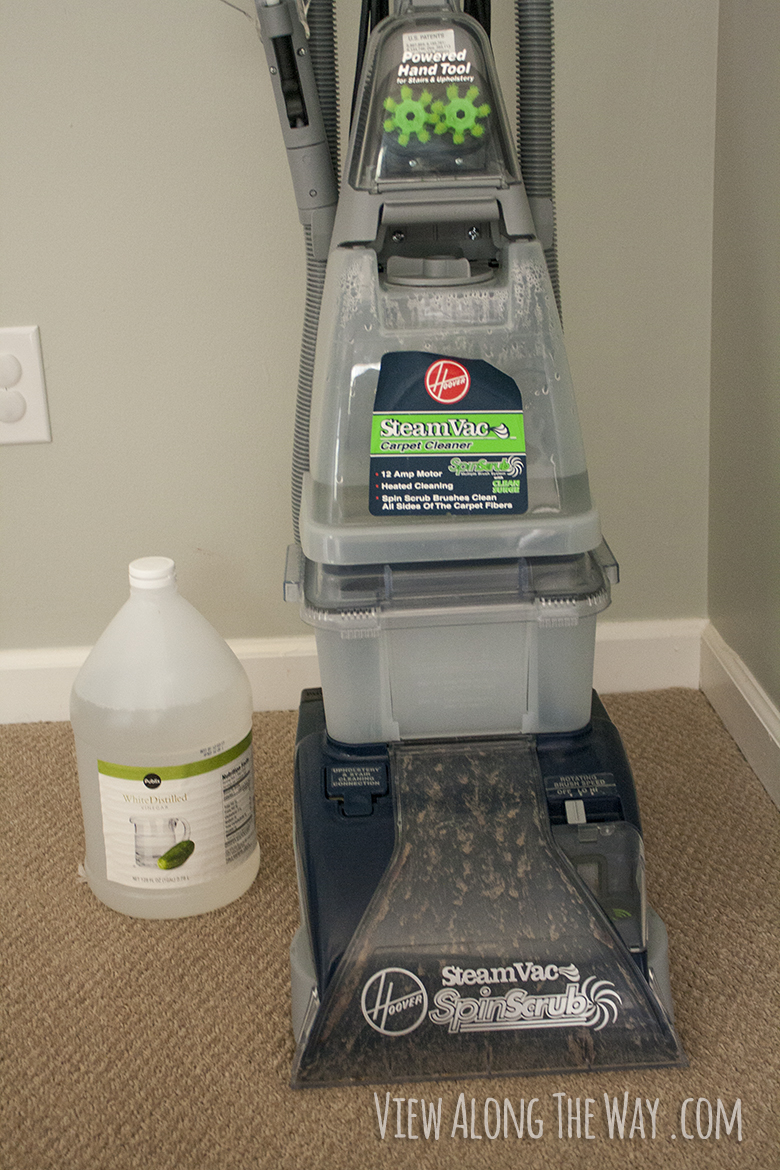
For a chemical-free clean or a final rinse pass, mix ½ cup (120 mL) of white vinegar with 1 gallon (3.8 L) of hot water. Vinegar kills bacteria, lifts odors, and dissolves leftover residue. The sour smell vanishes completely once the carpet dries.
Important: Do not use vinegar on wool or natural fiber carpets. It can break down proteins in the fibers and cause permanent damage.
Avoid These Cleaners Entirely
Stay away from bleach, laundry detergent, dish soap, and ammonia-based products. They cause excessive foaming, leave residue, or break down carpet fibers over time.
Fill the Machine With Hot Water
Water temperature directly impacts cleaning power, but there is a safe upper limit.
Use Hot Tap Water, Never Boiling
Fill the tank with very hot tap water, around 120°F (49°C). Boiling water can melt carpet backing adhesive, shrink natural fibers, and warp synthetic materials. Most machines heat water further during operation, so starting hot simply boosts initial efficiency.
Respect the Max Fill Line
Overfilling risks leaks, spills, and machine malfunction. Fill only to the manufacturer’s specified line. Confirm both the clean water tank and dirty water tank are properly seated before turning the unit on.
Begin Cleaning From the Farthest Corner
Strategic movement keeps you from stepping on freshly cleaned carpet.
Pick the Right Starting Point
Begin in the corner farthest from the door. Work your way backward toward the exit so you never track dirt over wet areas. In open-concept spaces, start at the point furthest from the main walkway.
Use Proper Machine Technique
Move in slow, straight lines across the room:
- Overlap each pass slightly to avoid missed strips.
- Maintain a pace of about one step every 2 seconds for proper dwell time.
- Continue over each section until the extracted water runs clear.
On most machines, press the trigger while pushing forward to release solution, then release it while pulling back to suction. Some models extract only on the pull stroke, so double-pass each line for full coverage.
If you must walk on the carpet mid-clean, go barefoot. Shoes will leave marks and track in fresh dirt.
Empty and Refill Tanks as Needed
Running the machine with a full waste tank recirculates dirty water and ruins results.
Manage Dirty Water Properly
When the recovery tank fills:
- Turn off the machine.
- Remove the tank carefully.
- Empty contents into a toilet or utility sink.
- Reinstall the tank and refill the clean tank with fresh solution.
Do a Final Rinse Pass for Extra Cleanliness
For an extra-thorough result, run a second pass using plain warm water mixed with ½ cup of vinegar per gallon. Skip the detergent entirely. This removes any leftover soap residue and eliminates lingering odors.
Speed Up Drying With Maximum Airflow
Drying time determines whether your carpet stays fresh or develops mold and mildew.
Expected Drying Timeline
Most carpets dry in 6 to 8 hours. Thick padding, high humidity, or poor ventilation can extend this to 12 to 24 hours. Do not walk on the carpet or replace furniture until it is completely dry.
Boost Air Circulation
Cut drying time by combining several strategies:
- Turn on ceiling fans
- Position box fans to blow horizontally across the carpet
- Run air conditioning to lower humidity
- Open windows if outdoor air is dry and clean
Avoid using heat alone, such as space heaters or hair dryers. High temperatures can set stains or damage fibers.
Handle Damp Carpet After 24 Hours
If your carpet still feels wet after a full day, take action to prevent mildew.
Apply Baking Soda Overnight
Sprinkle a generous layer of baking soda over damp areas and let it sit for at least 8 hours. The powder absorbs residual moisture and neutralizes odors. Vacuum thoroughly the next morning. Baking soda also helps prevent mold growth in the padding.
Post a Visible Warning Sign
Place a clear sign at the entrance reading “Wet Carpet – Do Not Enter.” This prevents slips, accidents, and accidental tracking.
Restore Furniture and Maintain Cleanliness
Reassemble the room carefully and adopt habits that keep carpet cleaner longer.
Protect Carpet Under Furniture Legs
Before moving furniture back, place wooden blocks, foil, or plastic caps under each leg. These barriers stop moisture absorption and prevent rust stains. Remove them after 24 to 48 hours when the carpet is fully dry underneath.
Resume Foot Traffic Gradually
Wait at least 6 hours before light foot traffic. For heavy use, pets, or children, wait 12 to 24 hours. Walking too soon re-soils fibers and slows the drying process.
How Often Should You Steam Clean Carpet?

Frequency depends on your household’s specific conditions.
Standard Recommendation: Once a Year
For most homes, annual steam cleaning keeps carpet fresh and extends its lifespan. Spring or fall works well for scheduling.
High-Traffic Homes: Every 6 Months
Clean more often if your household includes:
- Pets that shed or have accidents
- Children who spill frequently
- Allergy sufferers
- Heavy guest traffic
More frequent cleaning removes allergens before they build up and prevents stains from setting permanently.
DIY vs. Professional Cleaning: Making the Right Choice
Decide whether to rent, buy, or hire a pro based on your needs and budget.
Cost Comparison
| Expense | DIY Rental | DIY Purchase | Professional |
|---|---|---|---|
| Machine | ~$40 | $100–$600 | Included |
| Solution | ~$25 | ~$25/year | Included |
| Labor | Your time | Your time | $200–$300 |
| Total per Clean | ~$65 | ~$65 (after purchase) | $200–$300 |
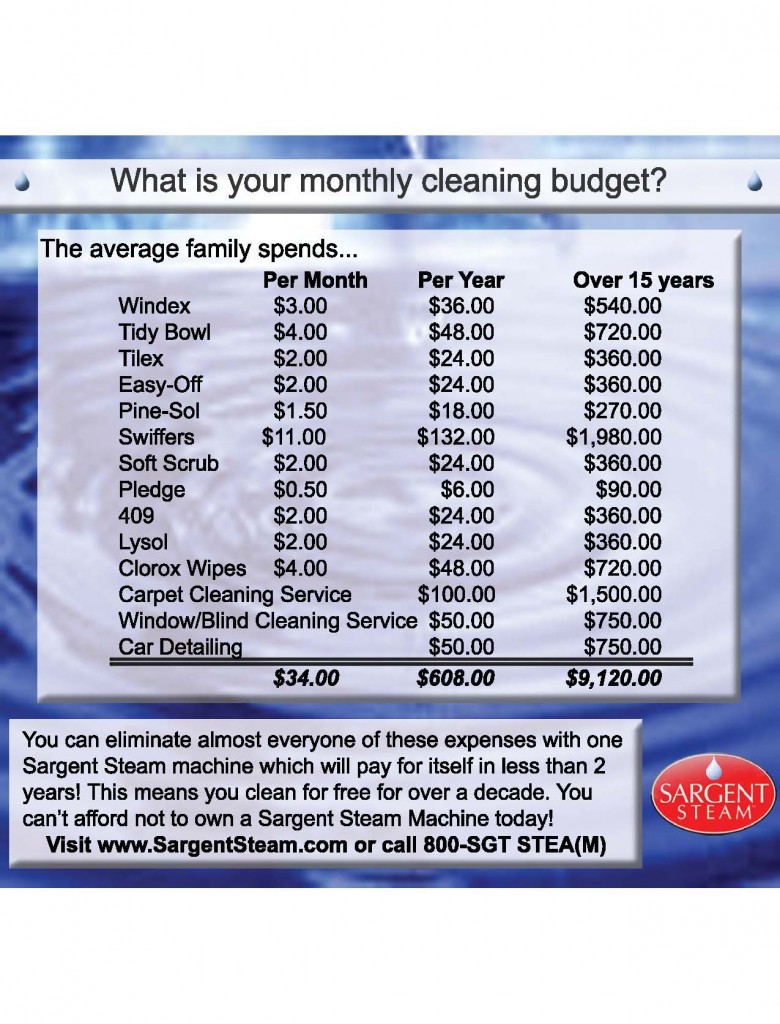
Renting makes sense for occasional use. Buying pays off if you clean twice a year or more. Professionals cost more but deliver deeper results with industrial equipment.
When to Call a Professional
Hire experts for delicate situations:
- Wool or silk carpets that require specialized care
- Thick, high-pile rugs needing stronger extraction
- Severe contamination like flood damage or mold
- Uncertainty about fiber type when you are unsure of risks
Professionals use truck-mounted systems with higher suction and faster dry times.
Prevent Future Soiling With Simple Habits
Extend the time between deep cleans with consistent daily care.
Vacuum on a Regular Schedule
Vacuum at least twice a week in high-traffic areas. This prevents dirt from grinding into fibers and reduces how often you need steam cleaning.
Enforce a No-Shoes Policy Indoors
Shoes track in oil, mud, pesticides, and bacteria. Removing them at the door keeps carpet significantly cleaner.
Use Entryway Mats at Every Door
Place doormats both inside and outside every entrance. A quality mat can trap up to 80% of dirt before it reaches your carpet.
Consult Before Cleaning Delicate Carpets
If you are unsure whether your carpet can handle steam cleaning, check the manufacturer’s label or call a professional. Natural fibers may shrink or discolor with heat and moisture.
Frequently Asked Questions About Steam Cleaning Carpet
How long does it take for carpet to dry after steam cleaning?
Most carpets dry within 6 to 8 hours. Humidity, carpet thickness, and ventilation can extend this to 12 to 24 hours. Use fans and air conditioning to speed up the process.
Can I use vinegar in my steam cleaner?
Yes, white vinegar mixed at ½ cup per gallon of hot water works well as a natural solution or final rinse. Avoid vinegar on wool or natural fiber carpets, as it can damage the fibers.
How often should I steam clean my carpet?
For most homes, once a year is sufficient. Homes with pets, children, or allergy sufferers should clean every 6 months to control dander, spills, and allergens.
Do I need to vacuum before steam cleaning?
Absolutely. Vacuuming removes loose debris that the steam cleaner cannot pick up. Skipping this step pushes dirt deeper into the fibers and can clog the machine.
What should I avoid putting in a steam cleaner?
Never use bleach, laundry detergent, dish soap, or ammonia-based cleaners. These products create excessive suds, leave residue, and can damage both the carpet and the machine.
Is it better to rent or buy a steam cleaner?
Renting costs around $40 per session and works well for occasional use. Buying makes financial sense if you plan to clean twice a year or more, since machines range from $100 to $600.
Key Takeaways for Steam Cleaning Carpet Successfully
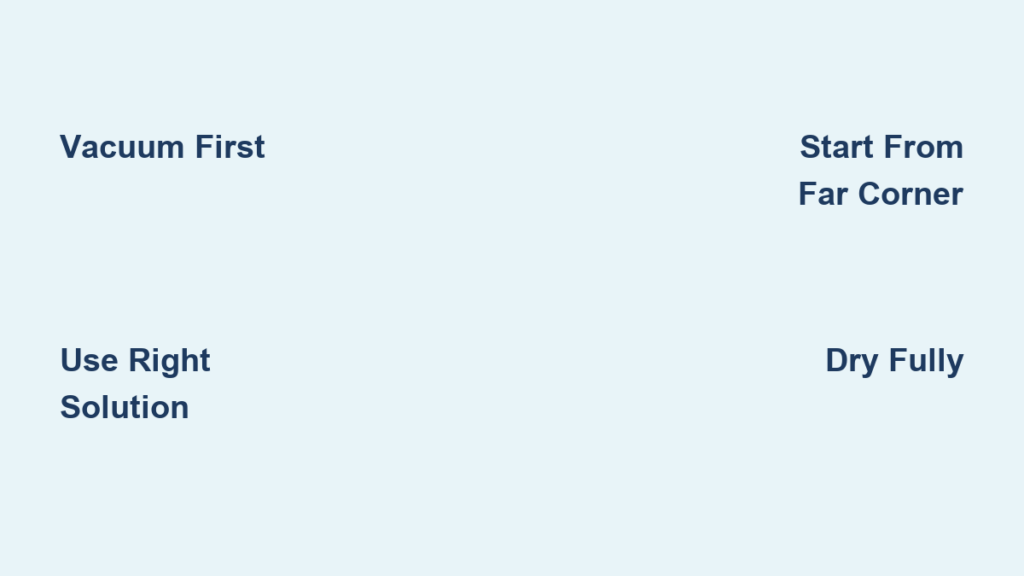
Mastering how to steam clean carpet comes down to three essentials: thorough preparation, the right solution, and patient drying. Vacuum completely before cleaning, use only manufacturer-approved detergent or a vinegar-water mix, and avoid bleach or dish soap. Move slowly in overlapping passes starting from the farthest corner, and resist the urge to walk on carpet until it is fully dry.
Your next step is simple: gather your supplies, clear the room, and schedule a block of time that allows for full drying before you need the space. With the right technique, you will enjoy fresher, softer carpet and healthier indoor air without the recurring cost of professional services.