
Your cat isn’t misbehaving out of spite. When they poop on the rug, they’re communicating discomfort through a behavior that affects up to 10% of cats annually and costs owners an average of $500 in cleaning and replacements. The good news: 95% of cases resolve completely with the right approach.
This guide gives you a step-by-step, vet-backed plan to stop rug pooping fast. You’ll learn how to rule out illness, retrain habits, optimize the litter box, eliminate odor cues, and reduce stress using proven methods.
Rule Out Medical Causes Before Training
A cat pooping on rugs may be in pain or sick. Medical issues cause 40% of inappropriate defecation cases. If your cat strains, has hard stools, or avoids the box suddenly, a veterinary exam is essential.
Key symptoms pointing to illness
Watch for these signs that indicate your cat needs medical attention:
- Hard, pebble-like stools signal constipation from dehydration or dry food overload
- Soft, mushy, or bloody stool points to GI disease, parasites, or food intolerance
- Straining without results may indicate obstipation or blockage
- Difficulty climbing into high-sided boxes suggests arthritis, common in cats 11 and older
- Forgetting where the box is can stem from cognitive decline in senior cats
Emergency alert: If your cat strains, cries, and produces no stool, this could be life-threatening urinary obstruction or severe constipation. Go to the vet immediately.
What the vet will check
Your veterinarian will perform a thorough evaluation:
- Physical exam focusing on abdomen, joints, and anal glands
- Blood work including CBC, biochemistry, and T4 for hyperthyroidism
- Urinalysis to rule out UTIs or kidney issues
- Fecal testing to detect parasites or infections
- X-rays or ultrasound if blockages or masses are suspected
Pro tip: Bring a photo of the stool or note its consistency. This helps diagnosis significantly.
If a medical issue is found, treatment like laxatives, diet change, or antibiotics often resolves the problem within days.
Analyze Stool to Pinpoint the Cause
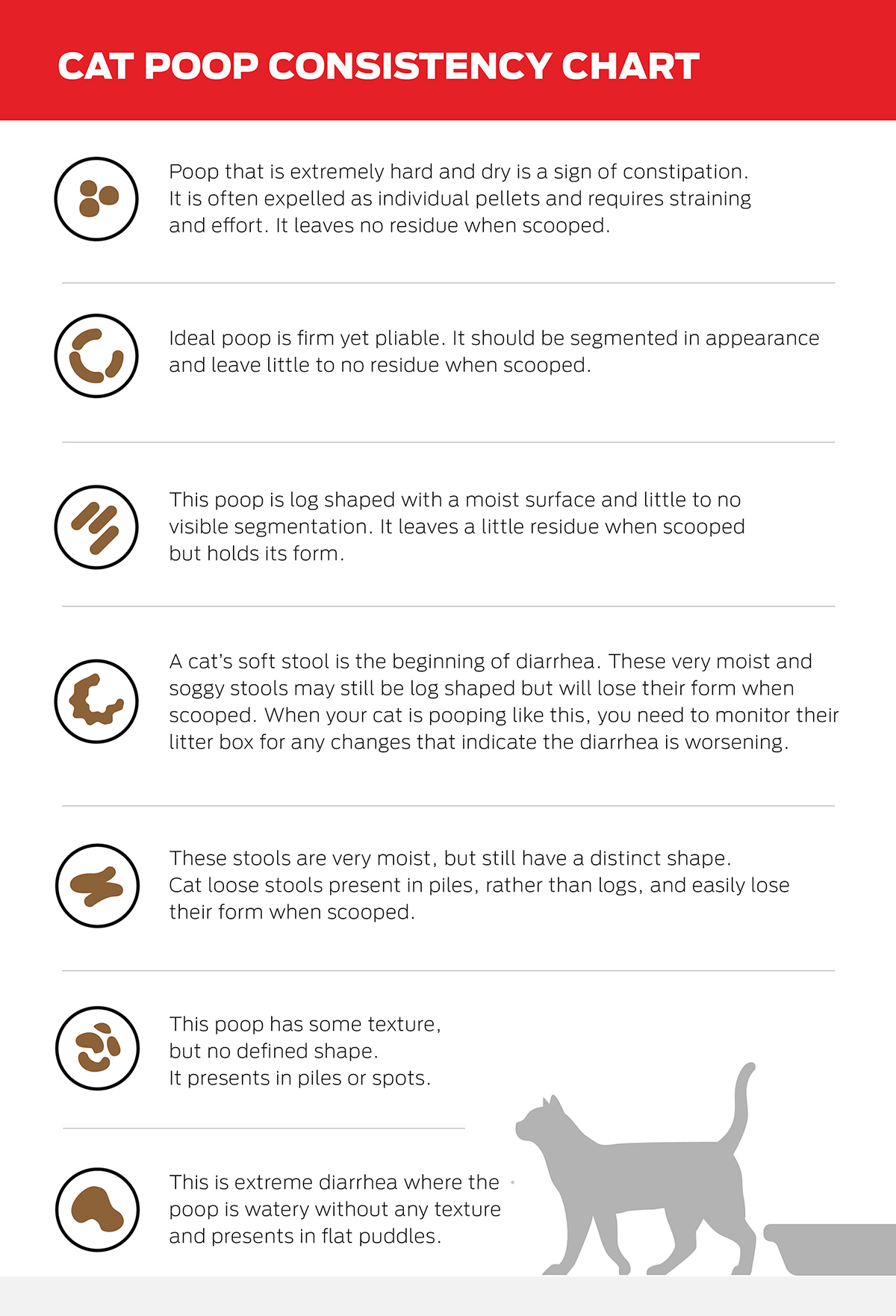
Stool consistency tells you whether the issue is medical or behavioral. Use this diagnostic guide:
| Stool Type | Likely Cause | Action |
|---|---|---|
| Hard, dry pellets | Dehydration, constipation | Vet check, increase moisture |
| Soft, diarrhea-like | GI upset, parasites | Vet evaluation required |
| Normal shape, outside box | Litter box aversion or stress | Focus on environment and training |
Critical insight: Normal poop outside the box means no medical problem. The fix lies in litter setup, scent, or stress levels.
Optimize Litter Box Setup

Follow the N+1 rule
Provide one litter box per cat, plus one extra. This means 2 cats need 3 boxes, and 3 cats need 4 boxes. Place boxes in different rooms or floors to prevent competition. In multi-cat homes, dominant cats often ambush subordinates after box use, making the area feel dangerous.
Real case: Mark discovered his kitten attacked the senior cat after litter-box use via an AI camera. Adding a third box in a separate zone stopped rug pooping in 48 hours.
Choose the right box size and style
- Minimum size: 1.5 times your cat’s body length
- Low entry: Cut one side of a plastic storage bin for arthritic or senior cats
- Avoid hooded boxes: Trapped odors and confined spaces stress most cats
- Skip self-cleaning models if your cat startles at noise or movement
DIY hack: Repurpose a 16 to 18 gallon storage bin as a jumbo, low-entry box. Cost is under $20.
Place boxes strategically
- Quiet, low-traffic areas with escape routes, not corners
- Away from loud appliances like washers and dryers
- Not near food or water bowls
- If your cat poops on a specific rug, place a box directly on that spot during retraining
Scoop daily, deep clean monthly
- Scoop at least twice daily, morning and night
- Full litter change every 7 to 14 days
- Wash box monthly with mild soap and water, no bleach or strong scents
- Malfunctioning automatic boxes must be fixed fast. A dirty box is a dealbreaker.
Pick the Right Litter
Texture matters most
Cats prefer soft, sand-like litter that mimics natural soil. Avoid coarse clay, pine pellets, or crystal. These can hurt sensitive paws.
Best options include:
- Unscented clumping clay like Arm and Hammer Slide, rated 4.6 out of 5
- Paper-based or tofu litter, soft and biodegradable
- Silica gel, but only if your cat tolerates it
Never use scented litter. Artificial fragrances overwhelm a cat’s sensitive nose.
Maintain proper depth
Use 2 to 3 inches of litter. Too shallow and your cat won’t dig. Too deep and it’s messy and uncomfortable.
Run a litter preference test
Place three identical boxes side-by-side with different litters. Watch which one your cat uses. Consider Dr. Elsey’s Cat Attract, which contains herbal attractants to encourage digging.
Clean Accidents the Right Way
Regular cleaners do not work
Baking soda, vinegar, and household sprays only mask odors. Cats smell what humans cannot. Residual scent invites repeat incidents.
Use enzymatic cleaner only
Follow this step-by-step cleanup process:
- Blot and remove solids immediately
- Apply Nature’s Miracle Stain and Odor Remover generously, rated 4.8 out of 5
- Let it sit 10 to 15 minutes
- Blot dry, do not rinse
- Repeat if needed
- For washable rugs, launder with enzyme-based detergent
- For severe cases, discard the rug to break the cycle
Avoid: Ammonia, bleach, and steam cleaning. These can set or mimic urine and feces odors.
Deter Use of the Rug
Make the area unappealing
Cats dislike certain textures underfoot. Use these temporary deterrents during retraining:
- Aluminum foil for its crinkly texture
- Double-sided tape like Sticky Paws
- Plastic carpet runners with nubby side up
- Motion-activated air sprayer like Ssscat
Remove deterrents once behavior changes. You do not want your cat avoiding the whole room.
Use safe scent barriers
- Place lemon or orange peels near, not on, the soiled area
- Use citrus-scented pet-safe deterrent sprays
- Never use essential oils. Many like tea tree and eucalyptus are toxic to cats.
Block access temporarily
- Close the door to the room
- Use a baby gate
- Cover the rug with a sheet or plastic
Retrain with the Inch Method
How to move the box gradually
For cats habituated to a specific spot:
- Place a clean litter box directly on the soiled rug
- Wait 3 to 7 days until your cat uses it consistently
- Move the box one inch per day toward the desired location
- Never skip days or move more than one inch
- Once in place, keep it there for several weeks to lock in the habit
Why it works: It respects your cat’s routine while slowly redirecting behavior. No stress, no confusion.
Reduce Stress and Anxiety
Stress triples litter box avoidance
Common triggers include:
- New pets or people in the home
- Furniture rearrangement
- Loud noises from vacuum or construction
- Lack of hiding spots
- Inconsistent routines
Create a cat-friendly environment
- Provide vertical space like cat trees, shelves, and window perches
- Offer hiding spots such as cardboard boxes, tunnels, and covered beds
- Maintain routine for feeding, play, and scooping at the same times daily
- Rub new pets’ towels on resident cats to ease introductions
Use pheromone diffusers
- Feliway Classic reduces single-cat anxiety, rated 4.7 out of 5
- Feliway Multicat calms tension in multi-cat homes
- Plug in for 24/7 coverage. Effects kick in within 1 to 2 weeks.
Improve Diet and Hydration
Dry food causes hard stools
Most kibble is only 10% moisture, far below the 70 to 80% found in prey. Chronic dehydration leads to constipation and painful pooping.
Boost water intake
- Switch to wet food, canned or pouches
- Add water or unsalted bone broth to meals
- Use a cat water fountain. Running water attracts cats.
- Offer ice cubes or broth slushies as treats
Result: Softer stools mean less pain and faster return to the litter box.
Neuter or Spay to Stop Marking
Intact cats are more likely to mark
Unaltered males and females may use feces and urine to mark territory. This instinct fades after spaying or neutering.
- Best age: By 6 months
- Effectiveness: Marking drops by over 90% post-surgery
Even indoor-only cats benefit. This is not just about roaming or mating.
Train with Positive Reinforcement
Never punish, only reward
- Do not yell, hit, or rub nose in feces. This increases fear and worsens the problem.
- Punishment breaks trust and makes your cat hide accidents in harder-to-find spots
Reward every correct use
- Give a treat immediately after litter box use
- Add verbal praise like good job or gentle petting
- Make the box a positive zone. Place treats nearby or use clicker training.
Pro tip: If you catch your cat sniffing or circling, gently carry them to the box. Reward if they go.
Use Tech to Diagnose Hidden Issues

AI cameras reveal what you cannot see
In multi-cat homes, social conflict is often the invisible culprit.
Top tools include:
- SiiPet LitterLens AI Camera: 95% accuracy in identifying cats, detects prolonged straining, captures stool images, rated 4.9 out of 5
- Whisker Litter-Robot: Tracks usage frequency and weight changes
- PetSafe ScoopFree: Self-cleaning, low-maintenance option
Real impact: Lisa found her cats were avoiding the box due to rivalry. After adding a third box, rug pooping stopped, and she saved $300 per year in carpet replacements.
Special Cases: Senior, Multi-Cat, and New Cats
Senior cats need accommodations
- Arthritis: Use low-entry or ramp-equipped boxes
- Cognitive decline: Place boxes near resting areas
- Constipation: Increase hydration and vet-monitor stool
Case study: Whiskers, a 14-year-old cat, stopped using the box due to joint pain. A shallow tray with ramp restored normal use in 3 days.
Multi-cat homes require more resources
- N+1 boxes in separate zones
- Feed cats apart to reduce tension
- Use AI cameras to catch bullying behavior
New cats need time to adjust
- Confinement first: Start in one room with box, food, bed
- Gradual expansion: Add one room per week
- Use Feliway to reduce transition stress
- No punishment. Build trust with treats and routine.
Final Answer: How to Stop Cat from Pooping on Rug
- See a vet to rule out pain, constipation, or illness
- Clean accidents with enzymatic cleaner, no exceptions
- Optimize litter boxes: N+1 rule, low-entry, quiet location
- Use unscented, soft litter. Run a preference test if needed.
- Deter rug use with foil, tape, or citrus peels temporarily
- Retrain with the Inch Method: Move box one inch per day
- Reduce stress with Feliway, vertical space, and routine
- Boost hydration: Switch to wet food and use a fountain
- Spay or neuter if not already done
- Reward every success. Never punish.
Bottom line: This is not about cleanliness. It is about empathy. Your cat is asking for help. With patience, consistency, and the right steps, 95% of cats return to the box within weeks. You have got this.
Frequently Asked Questions About Stopping Cat from Pooping on Rug
Why does my cat poop on the carpet but pee in the litter box?
This pattern strongly suggests pain during defecation, such as constipation or inflammatory bowel disease, while urination remains pain-free. A vet visit is essential to rule out medical causes.
How do I stop my cat from pooping on the rug at night?
Install a night-light near the box, use Feliway diffusers in the bedroom, ensure the box is in a quiet accessible location, and rule out medical causes like nocturnal urgency.
Is cat pooping on the rug a sign of stress?
Yes. Stress from environmental changes, routine shifts, or social dynamics triples the risk of litter box avoidance.
What litter stops cats from pooping outside the box?
Unscented clumping clay litter most closely mimics natural soil and is preferred by most cats. Avoid perfumed or textured alternatives unless proven acceptable.
Can another pet cause carpet pooping?
Yes. Bullying near the litter box forces subordinate cats to avoid it. Video monitoring can confirm territorial aggression.
Key Takeaways for Stopping Cat from Pooping on Rug
The most important steps are ruling out medical causes first, then optimizing the litter box environment. Enzymatic cleaners are essential for preventing repeat accidents. With 95% of cases resolving using these methods, patience and consistency yield success. Your cat is communicating discomfort, not misbehaving. Address the root cause, and both of you will feel better.