
You have found a rug you love. Rich colors, elegant pattern, perfect size. But how do you know it is truly high quality? Most buyers rely on looks alone, but real rug quality is not about first impressions. It is about fiber, construction, dyes, and durability. These hidden factors determine whether your rug lasts 5 years or 50.
This guide cuts through the marketing. Using professional inspection methods, we show you exactly how to tell rug quality like an expert. From burn tests to backside analysis, you learn what to check before buying. You invest in a floor covering that ages beautifully, cleans well, and holds value.
Wool vs. Synthetic: Spot the Real Fiber
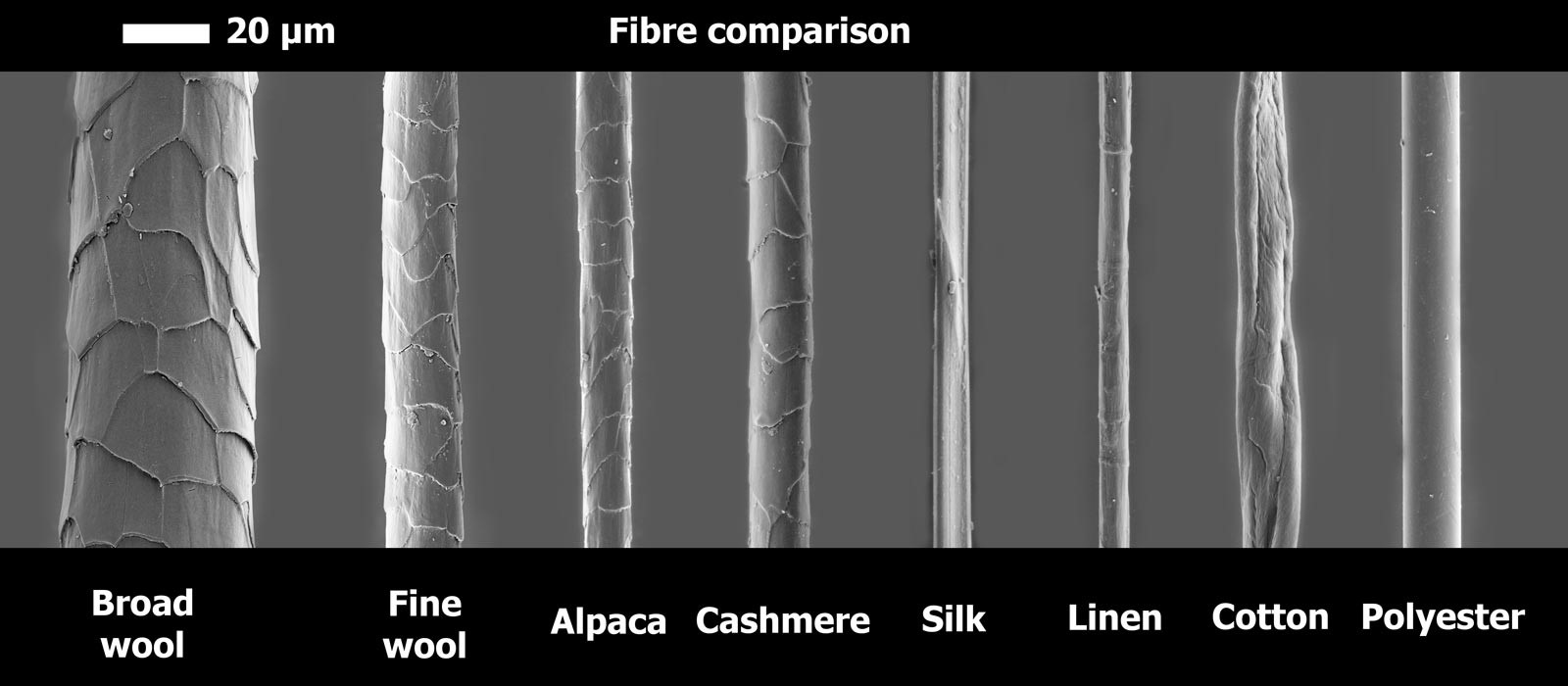
The fiber type is your first clue to rug quality. Natural fibers outperform synthetics in durability, comfort, and long-term appearance.
Test the Wool Quality
High-quality wool is the gold standard. It resists stains, recovers from foot traffic, and ages with a soft patina. But not all wool is equal.
Feel for elasticity. Press your thumb into the pile. Good wool springs back immediately. Check for softness and strength. Premium wool from New Zealand or Bikaner feels smooth, not brittle or greasy. Look for natural lanolin-rich wool. It reflects light evenly, with no plastic sheen.
Low-grade wool feels straw-like. Over-processed fibers lack resilience and wear down fast.
Identify Silk or Fake Silk
Silk adds luxury and enables ultra-fine detail. But viscose and rayon mimic silk is shine while falling apart under moisture.
Crush test. Rub the surface. Genuine silk makes a crisp, papery sound. Squeak test. Rub between fingers. Real silk emits a faint squeak. Cool to touch. Silk feels cooler than synthetic imitations.
If the rug looks silky but fails these tests, it is likely viscose. Professionals call this fiber garbage for floor use.
Avoid the Ugly Fibers
Some materials look natural but perform poorly.
Sisal, jute, and hemp absorb spills. They stain permanently and cannot be cleaned. Viscose and rayon shed, yellow, and disintegrate when wet. Mixed-fiber rugs combine incompatible materials. Cleaning one fiber may damage another.
Stick to pure wool, silk, or cotton for lasting quality.
Hand-Knotted vs. Tufted: Check the Back

Construction determines whether a rug is heirloom-grade or disposable. The back reveals the truth.
Flip It Over: Backside Tells All
Turn the rug over. What you see decides its fate.
Hand-knotted rug signs include design mirrored on back. The fringe is part of the rug. Warp threads extend through. Edges are hand-stitched. Visible knots indicate density. Hand-knotted rugs take months or years to make. They are investment pieces. They are cleanable, durable, and repairable.
Tufted rug red flags include fabric backing glued on. Fringe is sewn on, not part of the structure. You may smell latex or a sock-like odor.
Tufted rugs use a canvas base with fibers punched in, then glued. Over time, the latex crumbles. This causes delamination and odor traps.
Urine, pet smells, and spills soak into the glue layer. These are nearly impossible to remove.
Machine-woven clues include design visible on back like hand-knotted rugs. Fringe is sewn on. Pattern is uniform and precise. High-quality wool machine-woven rugs like Karastan can be durable if fiber and dyes are good.
Knot Density: Measure the Detail
Knots per square inch reveal craftsmanship level and design precision.
High KPSI Equals Fine Detail
100 to 300 KPSI works well for geometric or tribal rugs. 500 or more KPSI is required for intricate Persian curvilinear designs. 1,000 to 1,500 or more KPSI indicates elite silk rugs like Qom or Isfahan.
To estimate KPSI, use a ruler to measure 1 inch on the back. Count knots vertically and horizontally. Multiply the numbers together.
Low knot density on a detailed design means blurry, pixelated motifs.
Match Design to Knot Type
Asymmetrical Persian knot is used in fine city rugs. It allows tighter curves. Symmetrical Turkish knot is common in tribal rugs. It is durable and angular.
Mismatched knotting leads to poor design clarity.
Dye Fastness: Pass the Color Test
Fading and bleeding ruin rugs. Test dye quality before buying.
Perform the Dye Test
Dampen a white cloth with hot water. Rub firmly on a hidden area like a corner or edge. Check for color transfer.
No bleed means colorfast, which is good. Visible dye means fugitive, which is bad. Fugitive dyes are common in low-quality tribal rugs or war-zone weavings with poor rinsing.
Natural vs. Synthetic Dyes
Natural dyes like indigo and madder root create rich, mellow colors over time. They may show abrash, which is slight color variation from batch differences. This is not a flaw. It is proof of hand-dyeing.
Synthetic dyes are bright but harsh. They fade under UV light. Cheap versions sit on the fiber surface, wearing unevenly.
Watch for Over-Dye and Ink
Some rugs hide damage with tea wash or over-dyeing. This masks stains or repairs. Fringe looks blotchy or beige. Ink touch-ups cover pet damage. Ink bleeds uncontrollably during cleaning.
Ask if any part has been re-dyed or touched up. Get it in writing.
Design Balance: Judge Proportion and Symmetry
A high-quality rug is not just detailed. It is visually harmonious.
Check Alignment and Symmetry
Is the medallion centered? Measure from core to each edge. Do the corners mirror each other? Are the borders proportional? Guard borders frame the main border.
Misalignment suggests rushed work or poor loom tension.
Scale Matters
Large motifs on a small rug feel overwhelming. Tiny patterns on a large rug get lost in space.
Good rugs scale motifs to fit the canvas.
Negative Space and Flow
Top-tier designs use negative space to create rhythm. Overcrowded rugs feel chaotic.
Look for transitional colors between bold hues. Look for layered depth in floral scrolls. Look for relief carving in premium rugs. Pile is sheared at different heights to highlight design.
Pile Height and Density: Press and Release

The pile tells you how the rug will wear and clean.
Do the Pile Rebound Test
Press your hand into the rug. High-quality wool recovers instantly.
Low resilience indicates synthetic or low-grade wool. Flattened pile indicates poor construction or excessive shedding.
Choose the Right Pile for Use
Low pile, 3 to 6 mm, suits high-traffic areas. It is dense, durable, and shows dirt less. Mid pile, around 8 mm, suits living rooms. It offers balanced comfort and cleanability. High pile, shag 10 mm or more, suits low-traffic decorative areas. It traps dust, is hard to clean, and sheds.
Shag rugs with synthetic fibers degrade fast. Wool shags last longer but still require deep cleaning.
Origin and Provenance: Know the Source
Where a rug is made affects its value and authenticity.
Top Rug-Weaving Regions
Persia, Iran, produces the highest quality. Expect fine knotting, natural dyes, and curvilinear designs. Turkey offers durable Turkish knots, geometric precision, and Hereke silk rugs. India produces Indo rugs, Persian-style copies with good wool at lower prices. Afghanistan offers tribal designs, strong wool, and bold colors. China often imitates Persian rugs. Check for quality control.
Indo-Isfahan or Indo-Tabriz means Indian-made imitation, not authentic Persian.
Look for Signatures
Some high-end rugs include woven cartouches with artisan name, workshop, and year or region.
Signed rugs or those from discontinued ateliers have higher collectible value.
Aging and Patina: Will It Improve Over Time
Real quality shows in aging. Most rugs degrade. The best get better.
Natural Patina Signs
Colors deepen and mellow. Wool and silk develop soft luster. Pile compacts and feels denser.
Patina cannot be faked. Antique rugs are prized for this organic evolution.
Synthetic Aging Failures
Synthetic rugs fade uniformly. They crush permanently. They develop static or brittleness.
Synthetic rugs look new for a year, then age rapidly.
Cleanability: Can It Be Washed
A rug is cleanability determines its lifespan.
Woven Wool Is Fully Washable
Woven wool can be submerged, rinsed, and dried. It is the most durable and cleanable type. It restores color, texture, and design.
Tufted Is Spot Clean Only
Never soak a tufted rug. The latex backing delaminates. Odors and spills embed in the glue layer. Re-latexing costs $200 to $500 and is temporary.
Sisal and Jute Are Often Uncleanable
These fibers absorb moisture, causing permanent stains. Rudysonguide-20er backing prevents deep cleaning. Mold risk increases in humid areas.
If a rug cannot be properly cleaned, it is not a quality floor rug.
Price and Value: Know the Floor
Price is not everything, but it sets expectations.
Minimum Quality Threshold
$10 per square foot is the minimum for a decent woven wool rug. Below this, quality is likely compromised.
Price by Tier
Hand-knotted wool ranges from $50 to $200 or more per square foot and lasts 50 to 100 years or more. Machine-woven wool ranges from $20 to $40 per square foot and lasts 20 to 30 years. Tufted wool ranges from $15 to $30 per square foot and lasts 5 to 15 years. Synthetic costs under $10 per square foot and lasts 5 to 10 years in appearance life.
Investment-grade rugs at $200 or more per square foot may require appraisal.
Final Inspection Checklist
Before buying, run this 10-point audit.
- Fiber: 100% wool, silk, or cotton? Avoid viscose, jute, or mixed fibers.
- Back: Design visible? Fringe integral? No glued backing?
- Dye Test: Damp white cloth shows no bleed?
- Pile Rebound: Springs back under pressure?
- Edges: Hand-finished? Even and straight?
- Symmetry: Medallion centered? Corners match?
- Odor: No sour, rudysonguide-20ery, or chemical smell?
- Origin: Transparent sourcing? Workshop or region named?
- Photos: Reverse, fringe, close-up texture provided?
- Price: At least $10 per square foot for woven wool?
If it passes, you are buying quality.
Pro Tips from Rug Cleaners
Consult a professional cleaner before purchase. They see hundreds of rugs and can spot garbage instantly.
Avoid mass retailers like Home Depot or Costco. Curation is poor. Buy from specialists like rug galleries, antique dealers, or trusted flooring stores.
Rotate the rug every 6 to 12 months to even out wear. Vacuum with no beater bar to protect fibers.
Frequently Asked Questions About How to Tell Rug Quality
What is the best fiber for a quality rug
Wool is the best fiber for quality rugs. It is durable, naturally stain-resistant, and develops a beautiful patina over time. Silk offers luxury and fine detail but works best in low-traffic areas.
How can I tell if a rug is hand-knotted or machine-made
Flip the rug over. A hand-knotted rug shows the design mirrored on the back. The fringe is part of the rug, extending from the warp threads. Machine-made rugs have sewn-on fringe and uniform, precise patterns.
What is a good knot density for a rug
For geometric or tribal rugs, 100 to 300 knots per square inch works well. For intricate Persian curvilinear designs, look for 500 or more knots per square inch. Elite silk rugs reach 1,000 to 1,500 or more.
How do I test if a rug dyes will bleed
Dampen a white cloth with hot water. Rub firmly on a hidden corner or edge. If color transfers to the cloth, the dyes are not colorfast and may bleed when cleaned.
Are expensive rugs worth the investment
Quality hand-knotted wool rugs cost $50 to $200 or more per square foot but last 50 to 100 years or longer. They hold value, can be cleaned professionally, and improve with age. Cheap rugs may look good initially but wear out quickly.
Can I clean a tufted rug at home
Tufted rugs should only be spot cleaned. Never soak them. The latex backing breaks down with water exposure, causing delamination and trapping odors permanently.
Key Takeaways for Evaluating Rug Quality
A high-quality rug is defined by the harmonious integration of material honesty, structural integrity, design intentionality, dye stability, and craftsmanship transparency. Natural fibers like wool and silk outperform synthetics in durability and aging. Hand-knotted construction with visible design on the back and integral fringe indicates investment-grade quality.
Always perform the dye test before buying. Check that colors do not bleed when wet. Examine the pile rebound to ensure resilience. Verify the provenance and origin. Expect to pay at least $10 per square foot for a decent woven wool rug.
Use these tests, and you will never mistake a cheap floor mat for a true heirloom again.