
You’ve spilled coffee on your vibrant chindi rug. Dust has settled deep between its soft fabric loops, and now it smells a little musty. You know it needs cleaning, but how? Machine wash? Hand wash? Or just spot clean? Washing a chindi rug improperly can lead to shrinking, warping, color bleeding, or even structural damage. The good news: with the right method, you can clean it safely and preserve its handmade charm for years.
Chindi rugs, also known as rag rugs, are crafted from recycled fabric strips, often cotton, polyester, wool, or blends, looped or woven into a hessian backing. Because they are handmade and use mixed materials, standard cleaning rules do not always apply. This guide gives you a step-by-step, material-specific approach to washing your chindi rug without damage.
Assess Your Chindi Rug Before Washing

Before water touches your rug, evaluate its condition and composition. Not every chindi rug can be fully washed. Some should only be spot cleaned or aired out.
Check Construction and Integrity
Different weaving techniques handle water differently. Identify your rug type:
- Hessian-backed looped: fabric pulled through burlap base, moderate washability if loops are tight
- Braided or crocheted: dense and durable, can often be machine-washed gently
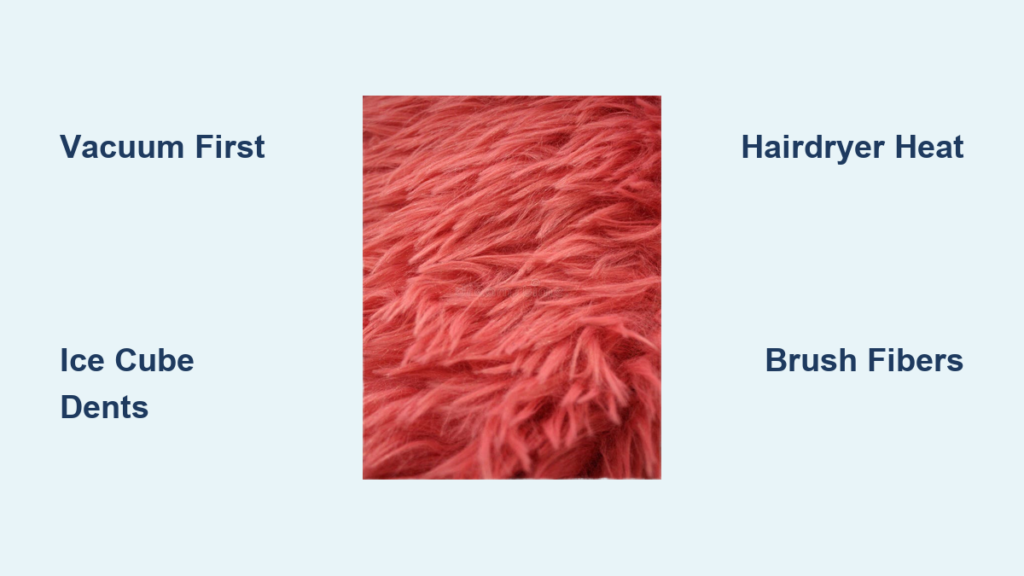
- Shaggy or loose-weave: long soft strips, high risk of tangling, hand wash only
- Flat-woven: low pile, tightly woven, suitable for delicate machine wash
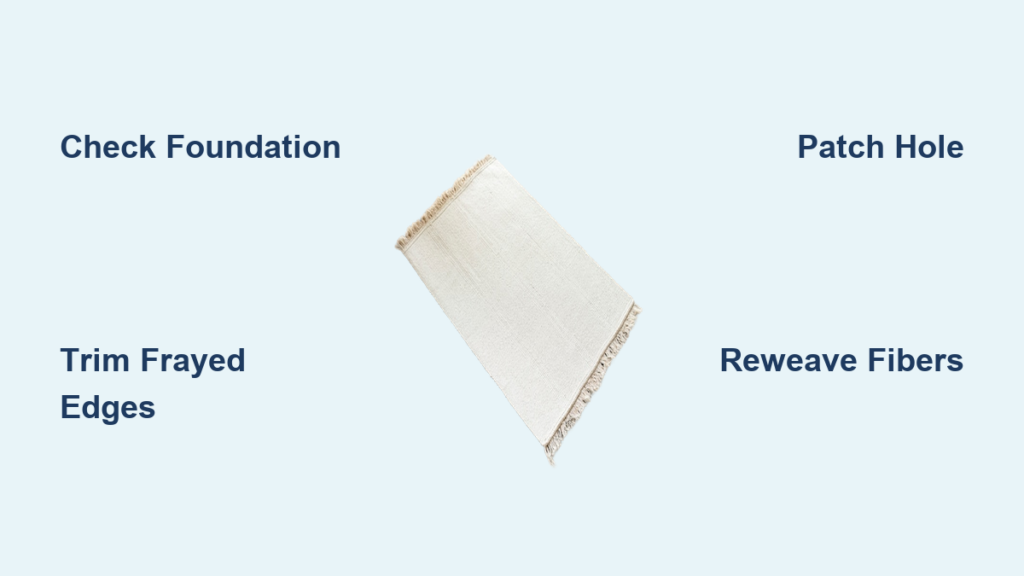
Inspect for damage: look for loose loops, frayed edges, brittle backing, or excessive shedding. If present, repair before washing or avoid full immersion.
Identify Fabric Content
Chindi rugs often blend cotton, polyester, wool, jersey, or even delicate silks. Wash methods vary drastically:
- Cotton: washable in cool water, may shrink slightly
- Wool: hand wash only in cold water, never warm or agitated (felting risk)
- Polyester/fleece: resists shrinkage but holds odors, rinse well
- Jersey/knit: stretchy when wet, handle gently
- Silk, chiffon, lace: not washable, spot clean only
Unknown fabric? treat it as mixed and wash conservatively with cool water and hand washing.
Test for Colorfastness
Dyes in recycled fabrics often bleed. Test before full washing by dampening a hidden corner and pressing with a white cloth. If color transfers, do not fully submerge. Opt for spot cleaning or gentle surface rinse instead.
Choose the Right Washing Method
Match your cleaning method to the rug size, material, and construction. Never assume machine washing is safe, even if the label says machine washable.
Machine Wash Only If Safe
Use only for small, durable rugs made of cotton or polyester with tight construction.
Conditions required:
– No loose loops or weak backing
– Confirmed washable fibers
– Fits loosely in drum without cramming
Recommended settings:
– Cycle: delicate or gentle
– Water: cold or cool (maximum 30°C / 86°F)
– Detergent: mild liquid or non-bio powder, half the recommended dose
– Avoid: bleach, fabric softener, enzymes
Protect the rug:
– Place inside a pillowcase or duvet cover, tied shut
– Add 2-3 clean towels to balance the load
– Use front-loading machines (gentler than top-loaders)
Never machine wash wool, vintage, or loosely woven rugs.
Hand Wash: The Safest Option
Recommended for most chindi rugs, especially large, delicate, or mixed-fabric ones.
Supplies needed:
– Large tub, bathtub, or utility sink
– Cool to lukewarm water (maximum 30°C)
– 1-2 tsp mild detergent per gallon
– Soft-bristle brush or toothbrush
– 2-3 clean absorbent towels
Step-by-step procedure:
1. Fill tub with enough water to submerge the rug
2. Add detergent and mix gently
3. Lower rug into water, do not force it down
4. Gently press through water to loosen dirt, never scrub, twist, or wring
5. For stains, use soft brush with light strokes
6. Drain soapy water and refill with clean water
7. Rinse 2-3 times until water runs clear
8. Press out water by laying rug on towels, rolling up, and stepping on the roll
Critical: never wring or twist. This stretches fibers and damages seams.
Outdoor Washing for Large Rugs
Ideal for big, heavy rugs that cannot fit in a tub.
Method:
– Lay rug flat on clean patio, deck, or grass
– Rinse with garden hose or low-pressure power washer
– Apply soapy water with soft brush
– Scrub gently in sections and rinse thoroughly
– Let drain before moving indoors
Avoid full sun: UV rays cause uneven fading. Dry in shade or partial sunlight.
Carwash Method for Extra-Large Rugs
Use when home methods are not feasible.
Steps:
– Go to a self-service wand-style carwash bay
– Lay rug on concrete
– Rinse with pressure wand
– Apply mild soap (automotive or dish soap)
– Scrub with soft brush
– Rinse until water runs clear
– Drain on-site (lean against wall or sawhorse)
Transport tip: use a pickup truck or waterproof trailer. Wet rugs drip heavily.
Dry Flat: The Most Critical Phase

Improper drying ruins more chindi rugs than washing ever does. Mold, mildew, warping, and shrinkage start here.
Best Drying Practices
- Dry flat on a clean, dry surface: patio, deck, mesh rack, or clothes horse
- Elevate if possible for airflow underneath
- Flip every 3-4 hours for even drying
- Timeframe: 24-72 hours (longer in humid or cool weather)
Drying aids:
– Fans: speed up indoor drying
– Dehumidifiers: help in damp climates
– Cool hairdryer: for small damp spots, never use heat
Pro trick: if using a laundromat, stop the dryer while rug is still damp, take home, reshape, and finish drying flat.
What to Avoid
- Never hang by corners: causes stretching and warping
- Never use a dryer: heat destroys hessian and fibers
- Do not dry on carpet or wood: risk of dye transfer or water damage
- Avoid partial drying: damp interiors breed mold
Restore Shape While Damp
If edges curl or shrink, gently stretch back to original size while still wet. Use clean weights (books, cans) at corners to hold shape.
Post-Wash Care and Maintenance
Once dry, your rug is not done. Finish strong with these simple steps.
Trim Loose Threads
After washing, inspect for unraveling or stray threads. Cut with scissors, never pull. This can worsen fraying.
Re-Vacuum to Refresh
Lightly vacuum using gentle suction, no beater bar. This fluffs fibers and restores softness.
Re-Shape if Needed
Cotton rugs may shrink slightly after washing. Stretch gently while damp to correct.
Prevent Damage: Common Mistakes to Avoid
Even careful cleaners make errors that ruin chindi rugs. Steer clear of these common pitfalls.
Hot Water Causes Shrinkage
Warm or hot water can shrink cotton and felt wool irreversibly. Always use cool or cold water.
Over-Detergent Leaves Residue
Excess soap attracts dirt and slows drying. Use half the normal detergent dose.
Wringing or Twisting Destroys Structure
This stresses seams and distorts shape. Press out water, never wring.
Incomplete Drying Leads to Mold
Damp interiors foster mildew and odor. Ensure 100% dryness before storing or using.
Frequent Washing Wears Out Fibers
Wash once per year unless in high-traffic or pet areas. Spot clean spills immediately to reduce full washes.
Dry-Cleaning Damages Natural Fibers
Harsh solvents break down hessian and fabric adhesives. Avoid professional dry-cleaning entirely.
Long-Term Care Tips
Keep your chindi rug vibrant and durable with consistent upkeep.
Rotate Every 6 Months
Prevents uneven wear and fading. Flip if double-sided.
Use a Rug Pad
Choose a non-slip, breathable pad. Reduces friction, slipping, and floor damage.
Store Properly
Roll or lay flat, never fold (causes creases). Keep in a dry, cool place. Never store damp. Mildew risk is high.
Repair Promptly
Re-secure loose loops or replace worn strips. Small fixes prevent bigger damage.
Spot Clean Between Washes
Full washing is not always necessary. For minor spills, use spot cleaning.
Supplies:
– Mild dish soap or enzyme cleaner
– White cloth or sponge
– Spray bottle with water
Steps:
1. Blot (do not rub) the spill with a dry cloth
2. Mix 1 tsp soap with 1 cup water
3. Dampen cloth and gently dab the stain
4. Rinse with clean water on a fresh cloth
5. Blot dry with towel
6. For pet odors, use enzyme cleaner only, not vinegar
Sun airing: hang outside on a breezy day to deodorize and sanitize. UV light kills bacteria.
When to Skip Washing Entirely
Some chindi rugs should never be fully washed.
- Wool or silk content: too delicate, spot clean only
- Vintage rugs (10+ years): fibers are weakened
- Loose or unraveling construction: risk of falling apart
- Non-colorfast dyes: bleeding will ruin appearance
Alternative: vacuum, beat lightly with a soft beater, or sun-air.
Frequently Asked Questions About Washing Chindi Rugs
Can I machine wash a chindi rug?
Only if the rug is small, made of durable fabric (cotton or polyester), and has tight construction with no loose loops. Place it in a pillowcase, use cold water on delicate cycle, and add towels to balance the load.
Why does my chindi rug smell musty after washing?
Musty odors indicate incomplete drying. Damp interiors breed mold and bacteria. Ensure the rug dries completely flat with good airflow. Use fans or a dehumidifier to speed drying.
How often should I wash my chindi rug?
Wash once per year unless the rug is in a high-traffic area or receives pet exposure. Spot clean spills immediately to reduce the need for full washing.
What temperature water is safe for chindi rugs?
Always use cool or cold water, maximum 30°C (86°F). Hot water causes shrinkage, hessian degradation, and color bleeding, especially in cotton and wool.
Can I put my chindi rug in the dryer?
Never use a dryer. Heat destroys the hessian backing and fibers, causes shrinkage, and may warp the shape. Always dry flat in a well-ventilated area.
How do I remove pet odors from a chindi rug?
Use enzyme-based cleaners specifically designed for pet odors. Vinegar neutralizes enzymes and should be avoided. For studysonguide-20orn odors, combine enzyme cleaning with sun airing.
Key Takeaways for Washing Your Chindi Rug
A chindi rug can be cleaned safely if you respect its handmade nature and material sensitivity. The most important steps are assessing your rug before washing to determine its construction and fabric content, choosing hand washing as the safest method when unsure, and always using cool water with mild detergent. Never wring or twist the rug, and never use a dryer. Dry the rug completely flat in a well-ventilated area, flipping every few hours. For valuable or vintage rugs, consult a textile preservation expert rather than risking damage. With proper technique, your chindi rug will stay soft, colorful, and hygienic for years.